GLP-1 Muscle Loss Risk Calculator
Estimate your lean mass loss risk on semaglutide (Ozempic / Wegovy), tirzepatide (Mounjaro / Zepbound), or other GLP-1 medications. Get a personalized risk score and prevention plan based on your protein intake, resistance training, age, and calorie deficit.
Enter 0 if you are not tracking protein
Weight training, resistance bands, or bodyweight workouts
Used for lean body mass estimation (Boer formula)
Understanding Lean Mass Loss on GLP-1 Medications
The 39% Problem: Why Lean Mass Loss Matters
GLP-1 receptor agonists — semaglutide (sold as Ozempic and Wegovy) and tirzepatide (Mounjaro and Zepbound) — are among the most effective weight loss tools ever developed. In clinical trials, patients losing 15–25% of body weight in 12–18 months. But this dramatic weight loss comes with a documented cost: a significant portion of that lost weight is lean mass rather than pure fat.
Research published in peer-reviewed journals has consistently found that without adequate protein intake and resistance exercise, up to 39% of weight lost on GLP-1 medications can be lean tissue — including skeletal muscle, bone mineral density, and organ mass. This matters for several reasons:
- Reduced resting metabolic rate — every pound of muscle burns approximately 6 kcal/day at rest; losing 10 lbs of muscle reduces your metabolism by ~60 kcal/day
- Increased rebound weight gain — lower muscle mass after stopping GLP-1 medication makes weight regain more likely and harder to reverse
- Impaired physical function — especially in older adults, lean mass loss directly worsens strength, balance, and independence
- Bone density loss — rapid weight loss from any cause reduces bone mineral density, increasing fracture risk
The Five Risk Factors Driving Lean Mass Loss
This calculator evaluates five evidence-based risk factors that determine how much lean mass you are likely to lose on a GLP-1 medication:
1. Protein Adequacy (up to 25 risk points)
Protein provides the amino acids required for muscle protein synthesis. At intake below 0.8 g/kg, the body has insufficient building blocks to maintain lean mass during a deficit. Recommendations for GLP-1 users are 1.2–1.6 g/kg/day — substantially above standard guidelines.
2. Resistance Training Frequency (up to 25 risk points)
Mechanical loading through resistance exercise is the primary anabolic signal that tells your body to retain muscle during a calorie deficit. Cardio, while beneficial for cardiovascular health, does not provide this signal effectively. Just 2–3 sessions per week can cut lean mass loss in half.
3. Calorie Deficit Severity (up to 20 risk points)
The size of your calorie deficit directly influences lean mass loss. Deficits above 750 kcal/day accelerate lean tissue breakdown even with adequate protein. GLP-1 medications can create very large spontaneous deficits due to appetite suppression, sometimes exceeding 1,000 kcal/day.
4. Age-Related Sarcopenia Risk (up to 15 risk points)
Adults over 50 experience “anabolic resistance” — a reduced muscle protein synthesis response to the same protein stimulus. This means older adults need more protein per meal (35–50g vs. 25–30g for younger adults) to achieve the same protective effect.
5. Medication Potency (up to 15 risk points)
Higher-potency medications (tirzepatide, high-dose semaglutide) produce faster and larger weight loss, compressing the timeline for lean mass protection. The faster the weight loss, the more important aggressive protein and exercise interventions become.
How to Achieve “Lean Loss” — Fat Without Muscle
The goal of any weight loss intervention should be to lose fat while preserving as much lean mass as possible. On GLP-1 medications, this requires a deliberate three-pronged strategy:
- Protein first: Target 1.4–1.6 g/kg of body weight daily. Distribute across 3–4 meals with 30–50g per meal. On days when appetite is very low, use liquid protein sources — shakes, Greek yogurt, or cottage cheese.
- Resistance training 3–4x/week: Compound movements (squats, deadlifts, rows, presses) provide the greatest muscle-preservation stimulus. Even short 30-minute sessions deliver significant protection.
- Manage the deficit: If your spontaneous deficit on GLP-1 medications appears to exceed 750 kcal/day, work with your prescribing physician on timing, meal structure, or dosing to moderate the rate of weight loss to 0.5–1.5 lbs per week.
Special Considerations for Adults Over 60 on GLP-1 Medications
Older adults face the highest lean mass loss risk on GLP-1 medications due to the combination of anabolic resistance, pre-existing age-related muscle loss (sarcopenia), and often lower baseline activity levels. For this population, additional considerations apply:
- Increase protein per meal to 35–50g to overcome the blunted anabolic response — standard 25g doses may be insufficient.
- Leucine-rich protein sources (whey protein, chicken, beef, milk) are especially effective at stimulating muscle protein synthesis in older adults.
- Prioritize balance and functional training in addition to traditional resistance work to reduce fall risk if baseline muscle function is already impaired.
- Request regular DEXA scans or bioelectrical impedance assessments from your healthcare provider to monitor body composition changes every 3–6 months.
What to Expect After Stopping GLP-1 Medications
One of the most important reasons to minimize lean mass loss while on GLP-1 medications is the well-documented weight rebound that occurs when these medications are discontinued. Preserving muscle mass provides critical metabolic protection:
Patients who maintained their lean mass while on GLP-1 treatment show substantially lower weight regain rates after stopping, because their maintained metabolic rate requires more calories to sustain. Conversely, patients who lost significant lean mass regain weight faster and reach a higher set point than before medication.
Building and maintaining muscle while on GLP-1 medications is therefore an investment not just in current health but in long-term weight maintenance after treatment ends.
Frequently Asked Questions
How much muscle do you lose on Ozempic or Wegovy?
Without adequate protein intake and resistance training, research suggests 25–39% of weight lost on semaglutide (Ozempic/Wegovy) can be lean mass rather than fat. With optimal protein (1.4–1.6 g/kg/day) and resistance training 3–4x per week, this can typically be reduced to below 15% of total weight lost.
What is the biggest risk factor for muscle loss on GLP-1 medications?
Low protein intake and absence of resistance training are the two biggest controllable risk factors. Together they account for 50 out of 100 points in this calculator's risk score. Increasing protein to 1.4 g/kg/day and adding 3 resistance training sessions per week provides the most significant protection.
Does tirzepatide (Mounjaro/Zepbound) cause more muscle loss than semaglutide?
Tirzepatide generally produces greater total weight loss, which means larger absolute lean mass loss without intervention. The proportional lean mass loss risk is similar between the two medications, but the faster and larger weight loss on tirzepatide increases urgency around protective strategies.
Can older adults prevent muscle loss on GLP-1 medications?
Yes, but it requires more deliberate effort. Adults over 50 have anabolic resistance — a reduced muscle protein synthesis response per gram of protein. To compensate, older adults should target 35–50g of protein per meal (vs. 25–30g for younger adults) and prioritize leucine-rich protein sources like whey protein, chicken, beef, and dairy.
Should I be doing cardio or strength training to protect muscle on GLP-1s?
Resistance training is far more effective than cardio for muscle preservation. While cardio improves cardiovascular health, it does not provide the mechanical loading signal that tells muscles to maintain their size during a calorie deficit. Aim for 3–4 resistance training sessions per week, and add cardio on top if you enjoy it and your energy levels allow.
How is lean mass at risk estimated in this calculator?
The lean mass at risk estimate assumes a typical 6-month GLP-1 course with approximately 20 lbs (9 kg) of total weight loss. Your risk score (0–100) is used to scale the lean mass loss fraction from approximately 10% at low risk to up to 39% at very high risk — consistent with published clinical research ranges.
Related Tools
iPhone app · 3-day free trial
You're likely eating 500 calories more than you think
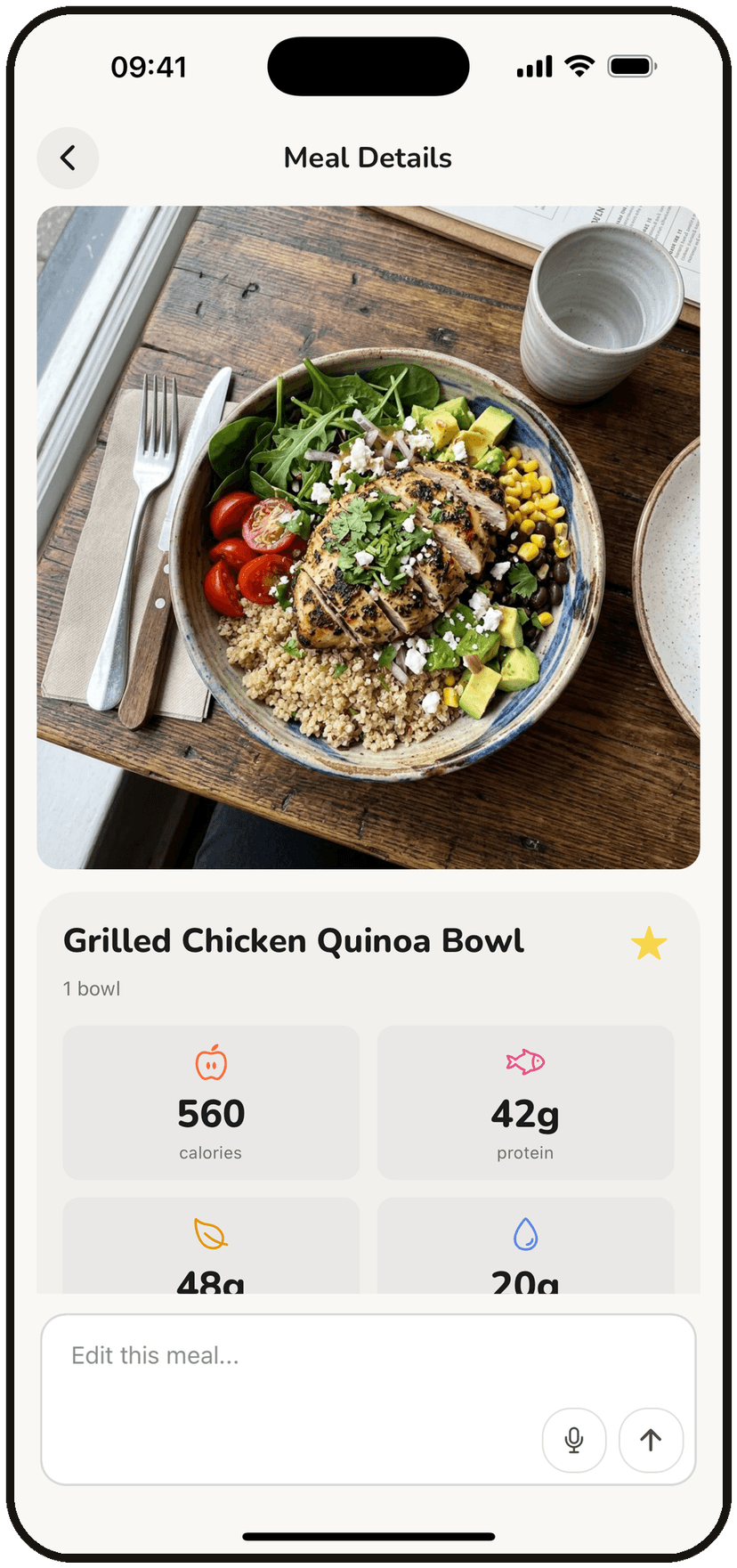
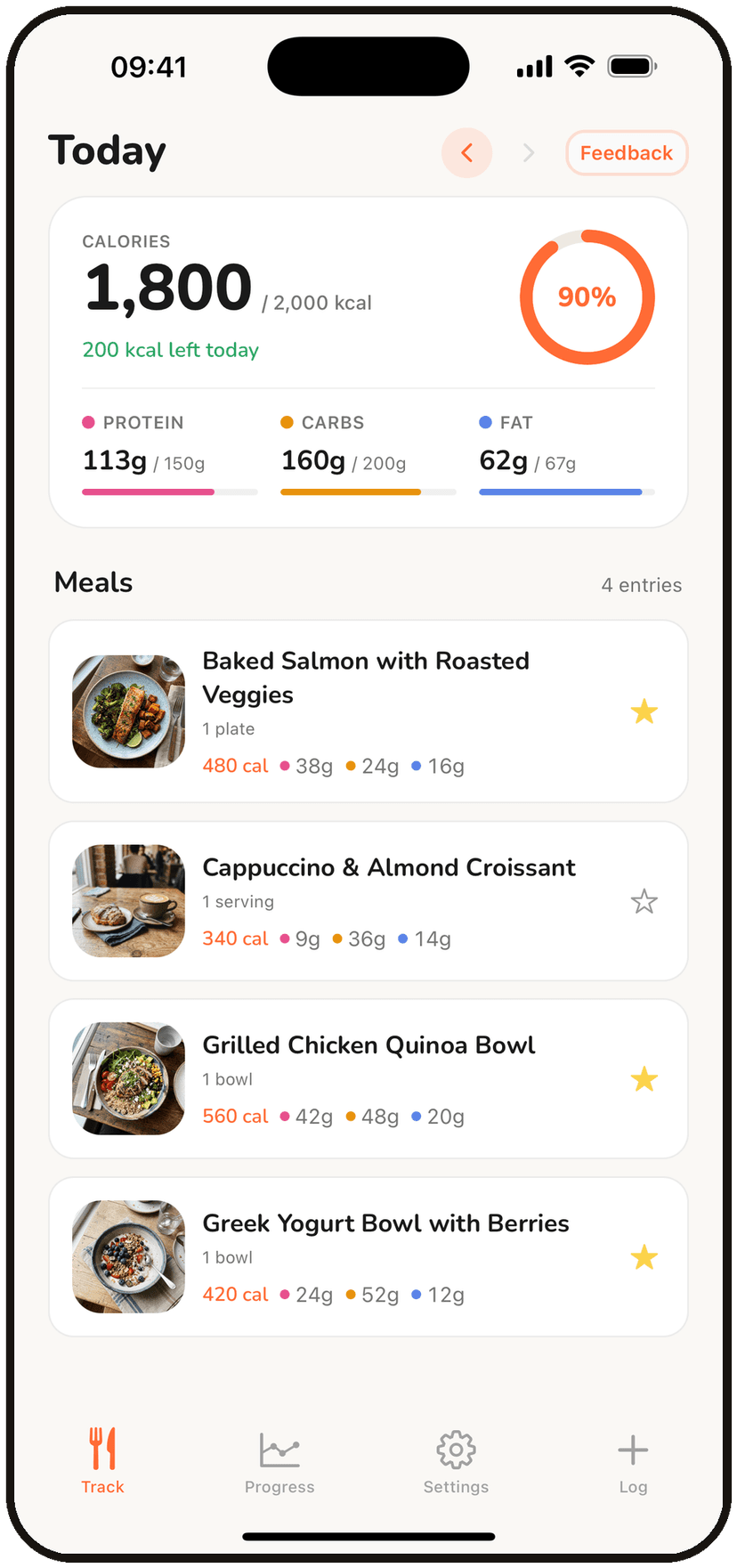
Portion guesses add up fast. BiteKit's AI estimates what's actually on your plate — oils, sides and all — so your log stays close to what you really ate.
- Log meals by photo, voice, or text
- Calories & macros estimated in seconds
- Syncs with Apple Health and Apple Watch
Free download · 3-day free trial, cancel anytime.
Scan with your iPhone camera