GLP-1 Nutrition Score
Rate your daily diet on how well it supports GLP-1 therapy (Ozempic, Wegovy, Mounjaro, Zepbound). Score across 5 categories — protein, fiber, hydration, micronutrient density, and nausea-trigger avoidance — and get a personalized grade with actionable improvement tips.
GLP-1 Nutrition Score (0–100)
Enter your typical daily intake. The score rates 5 key nutrition factors that determine how well your diet supports GLP-1 therapy — graded A through F.
Why Nutrition Matters on GLP-1 Therapy
GLP-1 receptor agonists — including semaglutide (Ozempic, Wegovy, Rybelsus) and tirzepatide (Mounjaro, Zepbound) — are among the most effective weight loss medications ever developed. Clinical trials show 15–22% total body weight loss over 68–72 weeks. But the medication itself only creates the caloric deficit. What you eat within that deficit determines whether you lose fat or fat plus muscle, whether you experience severe side effects, and whether you emerge healthier or nutrient depleted.
The five nutrition factors scored by this calculator are not arbitrary — each addresses a specific, documented risk or benefit of GLP-1 therapy based on clinical research:
Protein Protects Muscle
Studies show 20–50% of weight lost on GLP-1 drugs can be lean mass without adequate protein. Hitting 1.2–1.6g/kg combined with resistance training is the primary defense against this.
Fiber Fights Constipation
Constipation affects up to 24% of GLP-1 users. Fiber normalizes bowel movements and also stimulates natural GLP-1 secretion from gut L-cells, complementing the medication.
Hydration Reduces Nausea
Dehydration worsens every GLP-1 side effect, particularly nausea, headaches, and constipation. GLP-1 drugs can also blunt thirst, making intentional hydration essential.
Micronutrients Prevent Deficiency
Appetite suppression means fewer total nutrients consumed. Colorful produce and lean proteins maximize micronutrient density in a reduced calorie budget.
The GLP-1 Muscle Loss Problem
Lean mass loss is the most underappreciated risk of GLP-1 therapy. Because these medications create dramatic appetite suppression — often reducing caloric intake by 30–50% — the body does not always receive enough dietary protein to signal muscle protein synthesis. Combined with a typically sedentary lifestyle, the result is that a significant fraction of weight loss comes from muscle rather than fat.
What the Research Shows
- The STEP trials showed ~39% of weight lost on semaglutide was lean mass when participants were not actively resistance training or optimizing protein.
- A 2023 NEJM study of tirzepatide found improved body composition outcomes in participants who consumed higher protein intakes alongside the medication.
- Muscle mass loss reduces resting metabolic rate, increasing the risk of weight regain after stopping medication — often called the "rebound effect."
- Loss of skeletal muscle independently raises cardiovascular risk, reduces insulin sensitivity, and accelerates functional decline — outcomes that directly oppose the goals of GLP-1 therapy.
Protein Strategy on GLP-1 Therapy
Because appetite is suppressed, traditional advice to "eat more protein" is difficult to follow. Practical strategies include: protein-first eating (always eat protein before carbs and fat), liquid protein sources (Greek yogurt, cottage cheese, protein shakes) when solid food feels unappealing, smaller portions spread across 4–5 meals rather than 2–3 large ones, and prioritizing the highest-satiety protein sources — eggs, white fish, chicken breast, and low-fat dairy.
Understanding GLP-1 Nausea Triggers
Nausea is the most common reason people reduce their GLP-1 dose or discontinue treatment. In the STEP 8 trial, over 44% of participants reported nausea, and 4.5% discontinued due to GI side effects. The good news is that dietary modifications dramatically reduce the frequency and severity of nausea.
Fatty and Fried Foods
High-fat meals are the single most reported GLP-1 nausea trigger. GLP-1 drugs already slow gastric emptying significantly. Adding high-fat foods — which independently delay stomach emptying — creates a compounding effect that fills the stomach for hours, causing prolonged nausea, reflux, and vomiting. This includes butter-heavy dishes, fried chicken, French fries, full-fat cheese, cream sauces, and processed meats.
Spicy Foods
Capsaicin and other spicy compounds irritate the gastrointestinal lining. When the digestive system is already stressed by slowed motility from GLP-1 medication, spicy foods can trigger stomach cramps, heartburn, and nausea. Many users find that foods they previously tolerated become problematic after starting GLP-1 therapy.
Carbonated Beverages
The gas in carbonated drinks (soda, sparkling water, beer) has nowhere to go quickly when gastric emptying is slowed. This causes painful abdominal distension, belching, and bloating. Even "healthy" sparkling water can be problematic. Switch to still water, herbal teas, or diluted fruit-infused water.
Alcohol
Alcohol causes nausea independently through its irritant effect on the stomach lining. On GLP-1 therapy, this is compounded by slowed gastric emptying, meaning alcohol stays in contact with the stomach longer. Additionally, many people on GLP-1 medications report that their alcohol tolerance drops significantly — a standard drink may feel like two or three. Alcohol is also calorie-dense, dehydrating, and lowers the dietary inhibitions that are otherwise helped by the medication.
Best Foods to Eat on GLP-1 Therapy
With appetite significantly suppressed, food choices matter more than usual. Every bite needs to deliver maximum nutritional value with minimal GI distress.
High-Quality Proteins
- Greek yogurt (0% fat, high protein)
- Cottage cheese
- Eggs and egg whites
- White fish (tilapia, cod, halibut)
- Chicken breast and turkey
- Edamame and tofu
- Whey or plant-based protein shakes
High-Fiber, Easy-to-Digest Foods
- Oats and oatmeal
- Lentils and split peas (well cooked)
- Chia seeds (in smoothies or yogurt)
- Steamed or roasted broccoli
- Sweet potatoes and squash
- Berries (blueberries, raspberries)
- Apples with skin
Hydrating and Gentle Foods
- Cucumber and celery
- Watermelon and cantaloupe
- Soups and broths (low sodium)
- Herbal teas (ginger for nausea)
- Smoothies with protein powder
- Plain rice and crackers if nauseous
- Coconut water (in moderation)
Micronutrient Powerhouses
- Spinach and kale (iron, folate, K)
- Salmon (vitamin D, B12, omega-3)
- Pumpkin seeds (zinc, magnesium)
- Bell peppers (vitamin C)
- Fortified plant milks (calcium, D)
- Liver or beef (B12, iron, zinc)
- Brazil nuts (selenium, 1–2/day)
Other GLP-1 Nutrition Tools
This score calculator is one of several GLP-1-focused nutrition tools on BiteKit. You can also calculate your exact protein target on GLP-1 medications or assess your lean mass loss risk on GLP-1 therapy. Together, these three tools give you a comprehensive picture of how your diet interacts with GLP-1 receptor agonist medications.
Frequently Asked Questions
What is the GLP-1 Nutrition Score?
The GLP-1 Nutrition Score rates your daily diet across 5 key categories that determine how well your eating supports GLP-1 receptor agonist therapy. Each category scores up to 20 points for a total of 100, graded A through F. The five categories are Protein Adequacy, Fiber Intake, Hydration, Micronutrient Density, and Nausea Trigger Avoidance.
How much protein do I need on GLP-1 medications?
The recommended protein intake on GLP-1 medications is 1.2–1.6 grams per kilogram of body weight per day. This elevated target exists because rapid caloric restriction significantly increases the risk of losing lean muscle mass alongside fat. At 176 lbs (80 kg), this means 96–128g of protein daily spread across multiple small meals.
What foods cause nausea on Ozempic, Wegovy, or Mounjaro?
The main nausea and vomiting triggers on GLP-1 therapy are fatty and fried foods (which further slow already-delayed gastric emptying), spicy foods (which irritate a sluggish digestive system), carbonated beverages (which cause painful bloating), and alcohol (which is dehydrating and irritating to the GI lining). High-fat meals are the single most reported trigger in clinical studies.
Why does fiber matter on GLP-1 therapy?
Fiber is critical for two reasons: it directly stimulates natural GLP-1 secretion from gut L-cells, complementing the medication, and it prevents constipation — one of the most common side effects of GLP-1 drugs (reported in up to 24% of users). Aim for 25–38g daily from beans, oats, chia seeds, and vegetables, increasing intake gradually to avoid gas.
Can I become micronutrient deficient on GLP-1 medications?
Yes — micronutrient deficiency is a real risk because these medications suppress appetite so dramatically, cutting food intake by 30–50%. Most at risk are iron, B12, vitamin D, calcium, zinc, and magnesium. Prioritize nutrient-dense foods (lean meats, eggs, leafy greens, legumes, colorful produce) and consider a comprehensive multivitamin.
How much water should I drink on semaglutide or tirzepatide?
Aim for 8–10 cups (64–80 oz) of water daily. GLP-1 drugs can blunt thirst alongside appetite, making intentional hydration essential. Dehydration worsens nausea, headaches, and constipation on these medications. Drink slowly between meals rather than during meals to avoid filling the stomach.
iPhone app · 3-day free trial
You're likely eating 500 calories more than you think
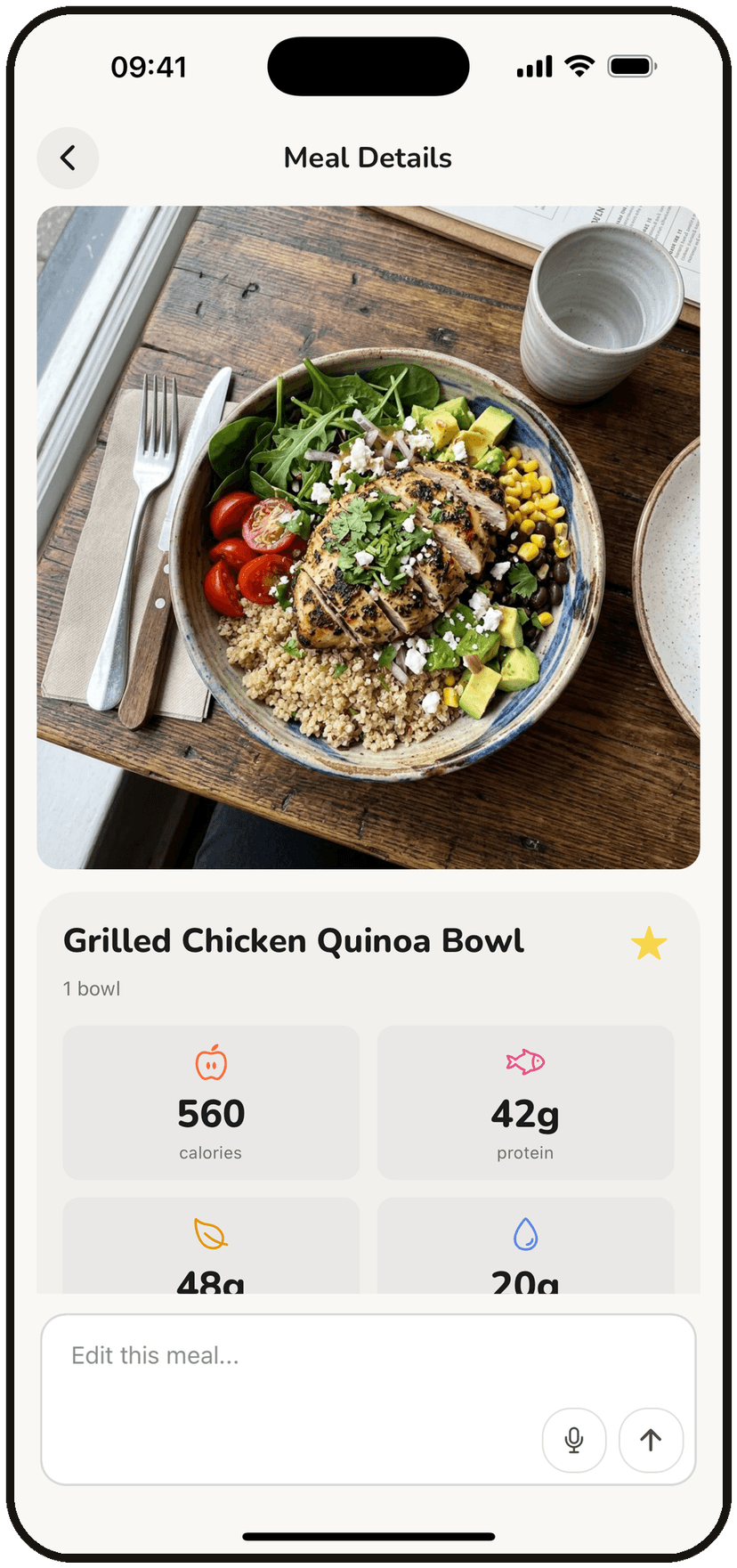
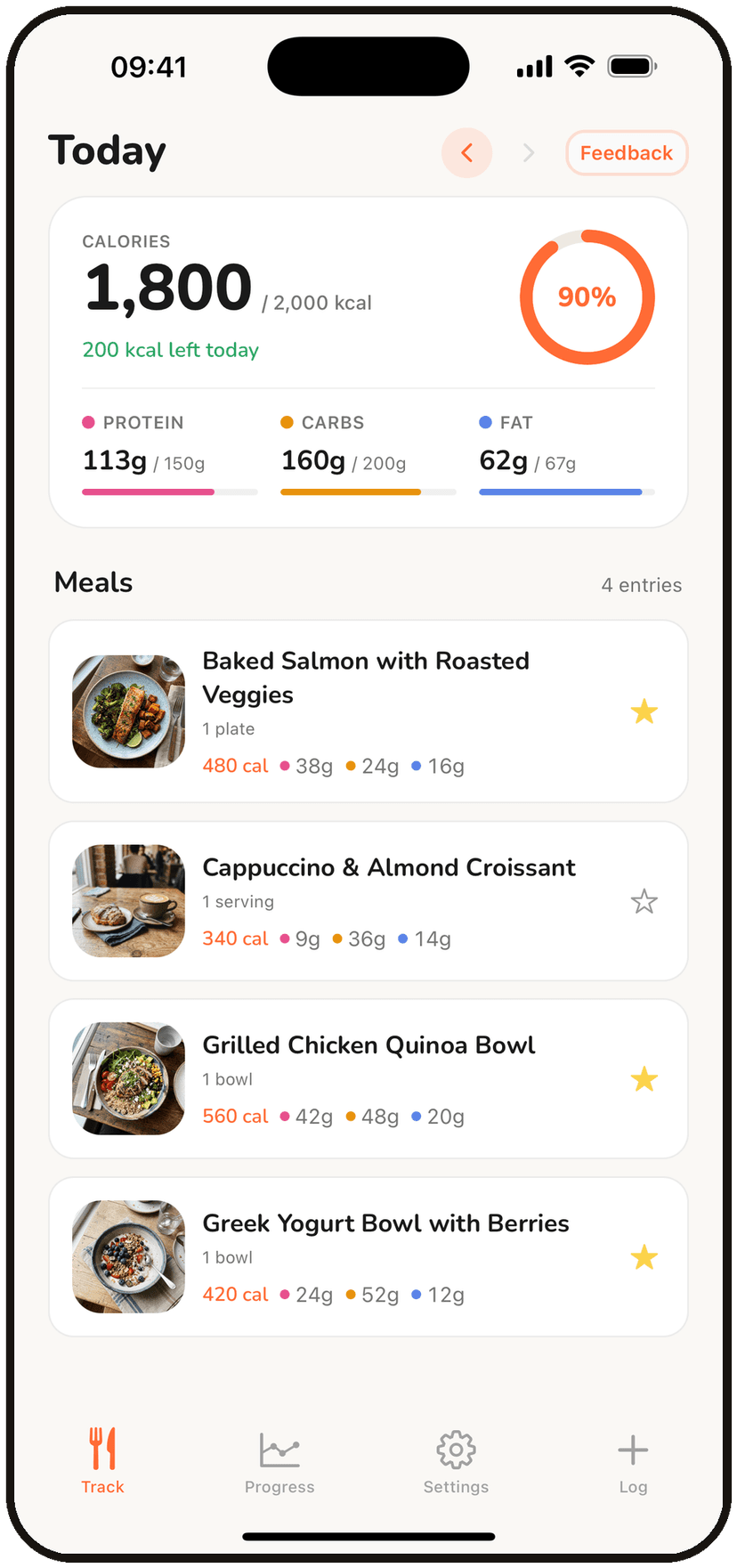
Portion guesses add up fast. BiteKit's AI estimates what's actually on your plate — oils, sides and all — so your log stays close to what you really ate.
- Log meals by photo, voice, or text
- Calories & macros estimated in seconds
- Syncs with Apple Health and Apple Watch
Free download · 3-day free trial, cancel anytime.
Scan with your iPhone camera