GLP-1 Protein Calculator
Calculate your elevated protein needs on semaglutide (Ozempic / Wegovy), tirzepatide (Mounjaro / Zepbound), or other GLP-1 medications to prevent lean muscle loss during rapid weight loss.
Weight training, resistance bands, or bodyweight workouts
Used for the Boer lean body mass formula
Why Protein Is Critical on GLP-1 Medications
The Lean Mass Problem with Rapid Weight Loss
GLP-1 receptor agonists — including semaglutide (sold as Ozempic and Wegovy) and tirzepatide (Mounjaro and Zepbound) — are highly effective at producing significant weight loss by suppressing appetite and slowing gastric emptying. However, this rapid weight loss comes with a well-documented risk: a disproportionate amount of that lost weight can come from lean mass (muscle, bone mineral content, and organs) rather than from fat.
Clinical trial data suggests that anywhere from 25% to 40% of total weight lost on GLP-1 medications may be lean mass. Losing muscle reduces your resting metabolic rate, increases the risk of “skinny fat” body composition, impairs physical function, and makes long-term weight maintenance harder after stopping the medication.
Why Standard Protein Recommendations Are Not Enough
General dietary guidelines recommend 0.8 g of protein per kg of body weight — an amount designed for weight-stable, sedentary adults to prevent deficiency, not to preserve muscle during a calorie deficit. For people in an active weight-loss phase on GLP-1 medications, research and clinical consensus consistently recommend a substantially higher range: 1.2–1.6 g/kg of body weight.
Higher protein intake preserves muscle by providing the amino acid building blocks required for muscle protein synthesis and by stimulating anabolic signaling pathways. It also increases satiety per calorie, which is helpful when appetite is already suppressed.
How This Calculator Determines Your Target
This calculator uses the Boer formula to estimate your lean body mass — a useful reference point — and then sets your protein recommendation based on your total body weight (a simpler and more practical target for tracking). The multiplier (1.2–1.6 g/kg) is calibrated by:
- Resistance training frequency — the most important variable. Muscle contraction creates an anabolic environment that synergizes with protein to drive muscle protein synthesis.
- Overall activity level — more active individuals have greater metabolic protein turnover and benefit from meeting the higher end of the range.
The Boer Formula for Lean Body Mass
The Boer equation estimates lean body mass (LBM) from height, weight, and biological sex:
Men: LBM = (0.407 × weight in kg) + (0.267 × height in cm) − 19.2
Women: LBM = (0.252 × weight in kg) + (0.473 × height in cm) − 48.3
LBM provides helpful context, but your daily protein target is set against total body weight for simplicity in tracking. Most clinical guidance for GLP-1 users references total body weight.
Strategies for Hitting Your Protein Goal on Reduced Appetite
One of the most common challenges for GLP-1 medication users is that appetite suppression makes it difficult to eat enough food — and especially enough protein. Here are practical strategies:
- Protein first at every meal — eat your protein source before filling up on carbohydrates or fat.
- Choose protein-dense foods — focus on foods with a high protein-to-calorie ratio: Greek yogurt, cottage cheese, eggs, tuna, chicken breast, and tofu.
- Use liquid protein when needed — whey or casein protein shakes are easy to consume even when solid food feels unappealing and deliver 20–30 g per serving.
- Smaller, more frequent meals — spreading protein across 3–4 mini-meals makes the daily target more manageable and maximizes muscle protein synthesis per meal.
- Set a protein alarm — if you frequently forget to eat on GLP-1 medications, setting meal reminders ensures you get your protein in before appetite disappears entirely.
Resistance Training: The Other Half of the Equation
Protein alone cannot fully prevent muscle loss — resistance training is the essential complement. When you apply mechanical stress to muscles through lifting, bodyweight exercises, or resistance bands, you trigger muscle protein synthesis and signal your body to retain lean mass even in a calorie deficit.
For most GLP-1 medication users, 2–4 resistance training sessions of 30–45 minutes per week is a realistic and highly effective target. Compound movements — squats, deadlifts, rows, presses — engage multiple muscle groups and provide the greatest muscle-preservation stimulus per time invested.
Frequently Asked Questions
How much protein do I need on semaglutide (Ozempic / Wegovy)?
Research and clinical practice guidelines suggest 1.2–1.6 g of protein per kilogram of body weight per day. Sedentary individuals without resistance training should target the higher end (1.6 g/kg). Those who train with weights 3+ days per week can target the lower end (1.2 g/kg).
Why do GLP-1 medications cause muscle loss?
GLP-1 medications suppress appetite, creating a significant calorie deficit. Rapid weight loss from any cause results in both fat and lean mass loss. Studies suggest 25–40% of weight lost on these medications may come from lean mass. High protein intake and resistance training are the most effective strategies to minimize this loss.
Should I spread protein across 3 or 4 meals?
Spreading your daily protein across 3–4 smaller meals helps you hit your target without relying on eating large volumes at once. Each meal should ideally contain 25–40 g of protein. Protein shakes or high-protein yogurt can serve as a convenient fourth option when appetite is low.
Does resistance training really matter on GLP-1 medications?
Yes — resistance training is the single most effective intervention to preserve lean mass during GLP-1-induced weight loss. Multiple studies show that individuals who perform resistance exercise 2–4 times per week lose significantly more fat and less muscle compared to those who do not exercise.
Can I get enough protein if my appetite is very low?
Focus on protein-dense, low-volume foods: Greek yogurt, cottage cheese, eggs, canned fish, chicken, edamame, and protein shakes. Prioritize protein at the start of every eating occasion before other foods. Liquid protein sources are especially helpful when solid food feels unappealing.
Related Tools
iPhone app · 3-day free trial
You're likely eating 500 calories more than you think
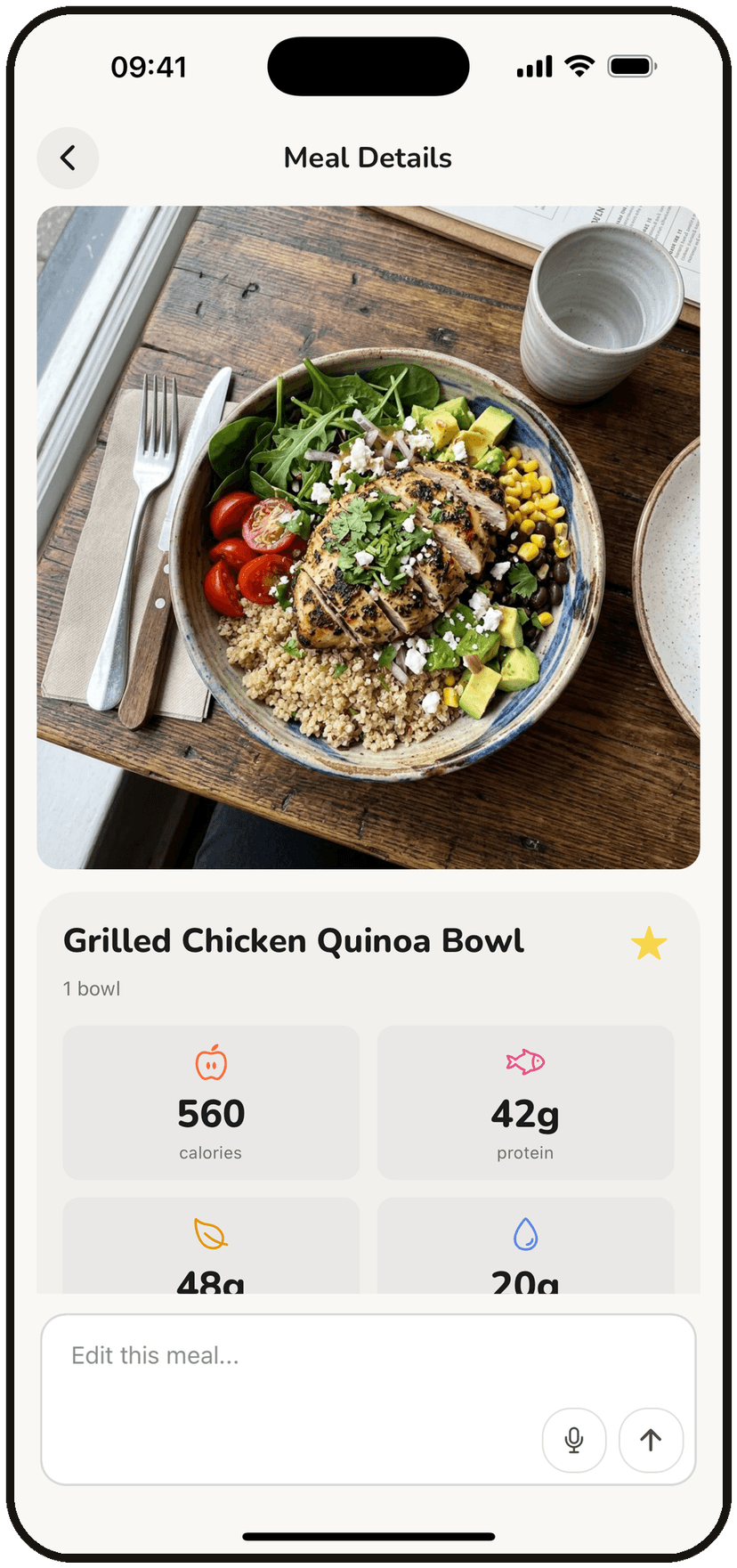
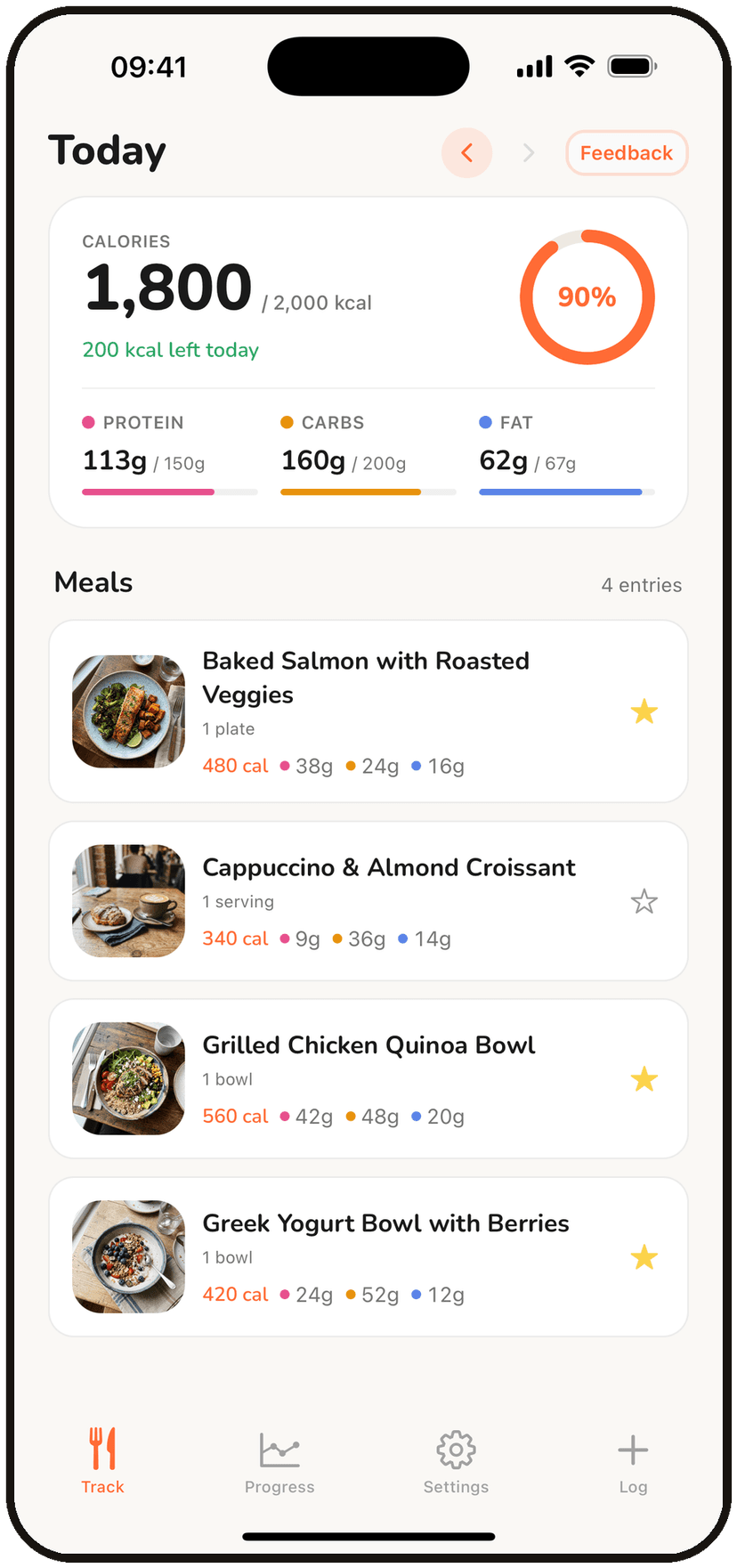
Portion guesses add up fast. BiteKit's AI estimates what's actually on your plate — oils, sides and all — so your log stays close to what you really ate.
- Log meals by photo, voice, or text
- Calories & macros estimated in seconds
- Syncs with Apple Health and Apple Watch
Free download · 3-day free trial, cancel anytime.
Scan with your iPhone camera