High Protein Diet Calculator
Calculate your optimal protein intake and macros for muscle building, fat loss, or athletic performance. Get personalized protein targets, meal timing, and food equivalents.
If provided, we'll use the more accurate Katch-McArdle formula
Why High Protein?
A high protein diet is one of the most evidence-backed nutritional strategies for improving body composition, whether your goal is building muscle, losing fat, or performing at your best. Protein has the highest thermic effect of any macronutrient, meaning your body burns more calories digesting it.
Research consistently shows that higher protein intakes (1.2-1.6g per pound of body weight) lead to greater muscle retention during fat loss, faster muscle growth when combined with resistance training, and improved satiety that makes sticking to your diet easier. Unlike extreme diets, a high protein approach still includes all three macronutrients for balanced nutrition.
How Much Protein Do You Need?
Your optimal protein intake depends on your specific goal. Here are the research-backed recommendations our calculator uses:
Fat Loss: 1.4g per lb body weight
During a calorie deficit, higher protein preserves lean muscle mass while you lose fat. The increased thermic effect and satiety also make the deficit more sustainable. Combined with a 500-calorie deficit.
Lean Muscle Gain: 1.6g per lb body weight
The highest protein target to maximize muscle protein synthesis during a building phase. Combined with a moderate 300-calorie surplus to minimize fat gain while supporting muscle growth.
Maintenance: 1.2g per lb body weight
A solid baseline for maintaining muscle mass and body composition. Higher than the standard recommendation but optimal for active individuals who train regularly.
Athletic Performance: 1.4g per lb body weight
Optimized for athletes who need to support recovery and performance. Combined with a 200-calorie surplus to fuel training without excessive fat gain.
Best High-Protein Foods
Hitting high protein targets is easier when you know the best sources. Here are the top protein-rich foods ranked by protein density:
Chicken Breast
31g protein per 100g. The gold standard for lean protein. Low in fat, versatile, and affordable.
Lean Ground Turkey
27g protein per 100g. Great for meal prep. Choose 93% lean or higher for best protein-to-calorie ratio.
Greek Yogurt
15g protein per cup. Excellent for breakfast or snacks. Pair with berries and nuts for a complete meal.
Eggs
6g protein each. Complete protein with essential fats. Budget-friendly and incredibly versatile.
Tuna (canned)
30g protein per can. Ultra-convenient, shelf-stable, and one of the highest protein-per-calorie foods.
Whey Protein Powder
25g protein per scoop. Fast-absorbing and perfect for post-workout or when you need a protein boost.
Protein Timing for Results
When you eat protein matters almost as much as how much you eat. Research shows that distributing protein evenly across meals maximizes muscle protein synthesis throughout the day.
Breakfast: 30-40g
Break the overnight fast with a protein-rich meal. Eggs, Greek yogurt, or a protein shake are ideal.
Pre-Workout: 25-30g
Eat 1-2 hours before training to prime muscle protein synthesis and fuel your workout.
Post-Workout: 30-40g
The anabolic window. Consume fast-absorbing protein within an hour of training for recovery.
Before Bed: 30-40g
Casein or cottage cheese provides slow-release protein to support overnight muscle repair.
Frequently Asked Questions
How much protein do I need on a high protein diet?
On a high protein diet, aim for 1.2-1.6 grams of protein per pound of body weight depending on your goal. Fat loss and athletic performance benefit from 1.4g/lb, lean muscle gain from 1.6g/lb, and maintenance from 1.2g/lb. Our calculator personalizes these targets based on your stats.
What are the benefits of a high protein diet?
High protein diets increase muscle protein synthesis, improve satiety to reduce hunger, have a higher thermic effect so you burn more calories during digestion, support better body composition, and improve recovery from exercise. These benefits are well-supported by nutritional research.
When should I eat protein for best results?
Spread protein evenly across 4 meals per day (25-40g each). Key timing windows include 1-2 hours before training (25-30g), within 1 hour after training (30-40g), and before bed with a slow-digesting protein like casein for overnight recovery.
Can you eat too much protein?
For healthy individuals, protein intakes up to 1.6g per pound of body weight are safe and well-supported by research. Those with pre-existing kidney conditions should consult their doctor. Stay well-hydrated on a high protein diet, as protein metabolism requires adequate water intake.
What are the best high protein food sources?
Top sources include chicken breast (31g/100g), lean turkey (27g/100g), tuna (30g/can), eggs (6g each), Greek yogurt (15g/cup), cottage cheese (14g/half cup), and whey protein (25g/scoop). Combining animal and plant sources ensures complete amino acid coverage.
How is a high protein diet different from a standard diet?
A standard diet includes about 10-15% of calories from protein (0.4-0.5g/lb). A high protein diet increases this to 35-40% (1.2-1.6g/lb), with fat at 25-30% and carbs filling the remainder. This higher protein supports muscle building, fat loss, and athletic performance more effectively.
iPhone app · 3-day free trial
You're likely eating 500 calories more than you think
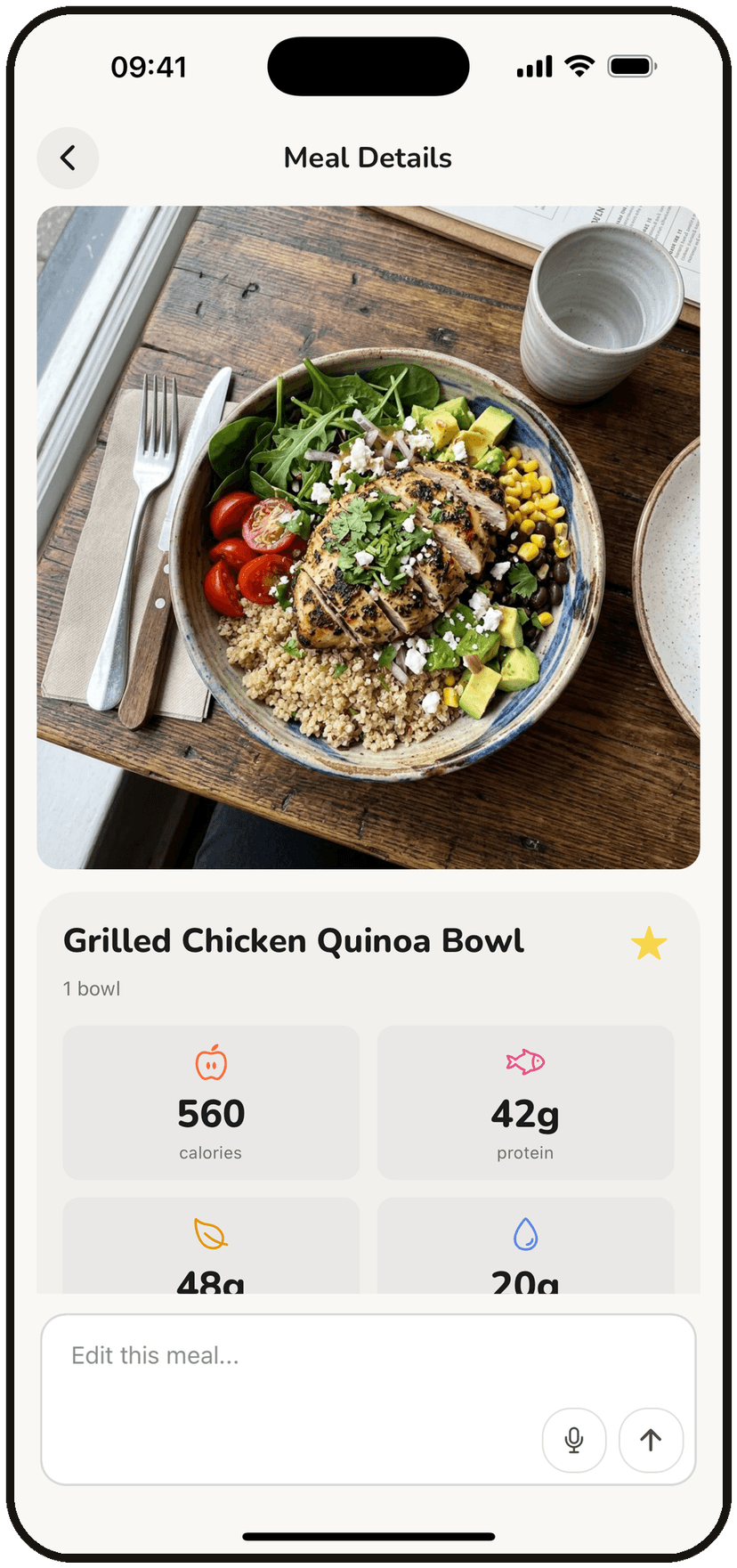
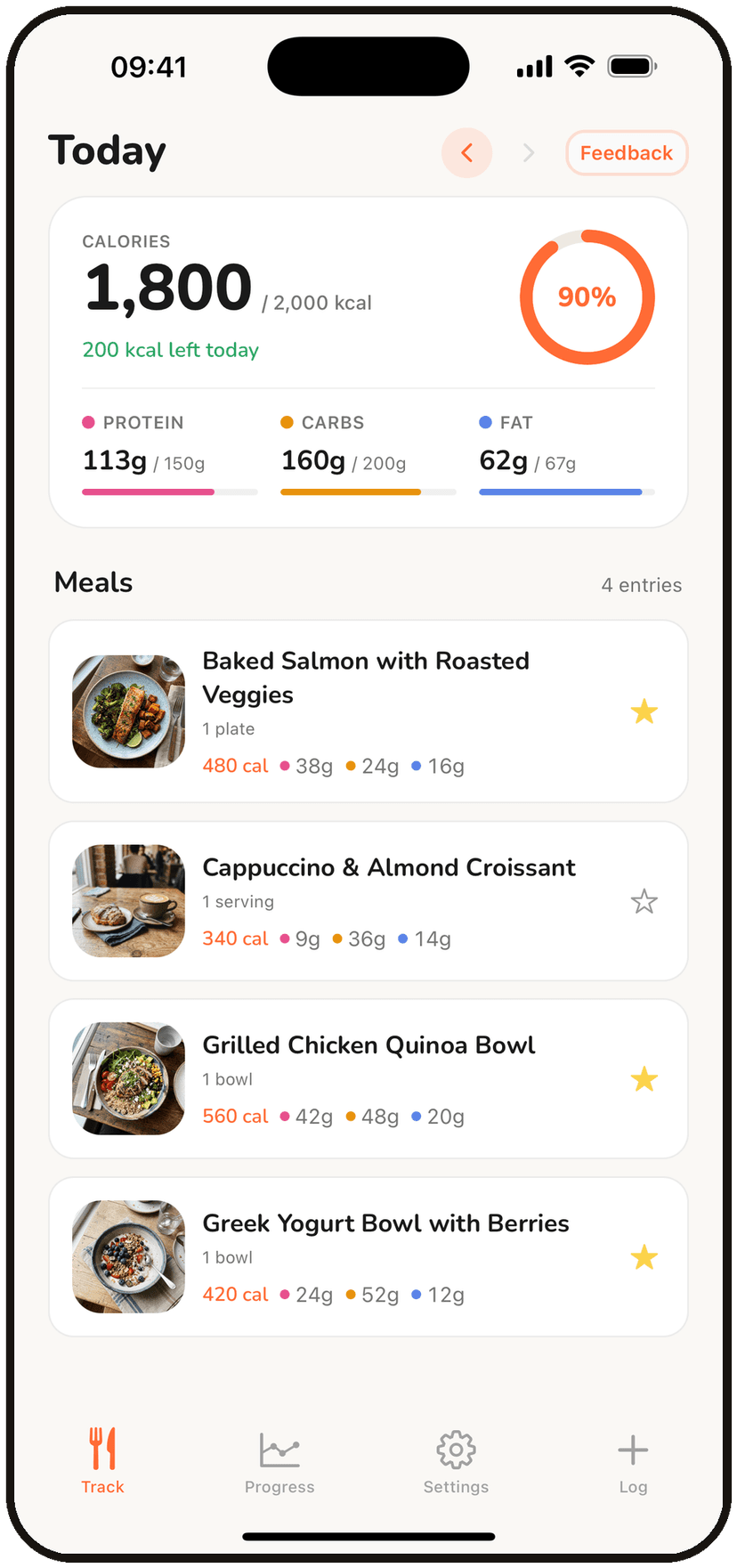
Portion guesses add up fast. BiteKit's AI estimates what's actually on your plate — oils, sides and all — so your log stays close to what you really ate.
- Log meals by photo, voice, or text
- Calories & macros estimated in seconds
- Syncs with Apple Health and Apple Watch
Free download · 3-day free trial, cancel anytime.
Scan with your iPhone camera