HIIT Calorie Calculator
Calculate exactly how many calories your HIIT workout burns — including the afterburn (EPOC) bonus — based on your work/rest intervals, exercise type, and intensity.
e.g. 20s (Tabata), 30s, 40s
e.g. 10s (Tabata), 20s, 40s
Understanding HIIT Calorie Burn
How HIIT Calorie Calculations Work
HIIT calorie burn is calculated using MET (Metabolic Equivalent of Task) values — a standardized measure of how hard your body is working relative to sitting at rest (1 MET). The formula is:
Because HIIT alternates between high-intensity work and lower-intensity rest, this calculator computes a weighted average MET based on how much of the session is work vs. rest. A sprinting interval at all-out intensity has a MET of 17, while active rest has a MET of 2.5 — the weighted average reflects your actual effort distribution.
What Is EPOC (The Afterburn Effect)?
EPOC — Excess Post-exercise Oxygen Consumption — is the elevated calorie burn that continues for hours after your workout ends. During intense exercise, your body accumulates an “oxygen debt” to fuel the effort. After you stop, it must repay that debt by consuming extra oxygen and energy to:
- Restore phosphocreatine stores in muscles
- Convert lactate back to glucose (Cori cycle)
- Repair micro-damaged muscle fibers
- Return core temperature and heart rate to baseline
- Re-oxygenate blood and muscle tissue
Research shows HIIT produces an EPOC of roughly 6–15% of the exercise calorie burn, compared to 3–7% for steady-state cardio. A higher work-to-rest ratio drives a larger EPOC because the body accumulates a bigger oxygen debt.
Work-to-Rest Ratio: The Key Variable
The work-to-rest ratio is the single biggest driver of calorie burn in HIIT. Common protocols and their ratios:
| Protocol | Work | Rest | Ratio | Intensity Focus |
|---|---|---|---|---|
| Tabata | 20s | 10s | 2:1 | Maximum calorie burn, high EPOC |
| 30/30 | 30s | 30s | 1:1 | Balanced effort and recovery |
| 40/20 | 40s | 20s | 2:1 | High volume, strength-HIIT hybrid |
| Sprint intervals | 30s | 90s | 1:3 | True max effort, longer recovery |
MET Values by Exercise Type
MET values used in this calculator are based on the Compendium of Physical Activities and sport science research on HIIT modalities:
| Exercise | Moderate | Hard | All-Out |
|---|---|---|---|
| Bodyweight / Calisthenics | 8.0 | 10.0 | 12.0 |
| Sprinting | 11.0 | 14.0 | 17.0 |
| Cycling | 10.0 | 13.0 | 15.0 |
| Rowing | 9.0 | 12.0 | 14.0 |
| Kettlebell | 9.5 | 12.0 | 14.0 |
| Active Rest (all types) | 2.5 | ||
Tips to Maximize Calorie Burn in HIIT
- ▸Go truly all-out during work intervals. The MET difference between moderate and all-out effort for sprinting is 6 METs — a massive calorie gap.
- ▸Keep rest intervals active. Walking or slow pedaling (MET 2.5) during rest burns more than sitting (MET 1.5).
- ▸Use compound movements. Full-body exercises like burpees, thrusters, and rowing recruit more muscle mass for higher energy demand.
- ▸Progressively increase work interval duration. Moving from 20s to 30s to 40s work intervals over weeks raises your calorie burn per session.
- ▸Limit sessions to 3–4 per week. HIIT is demanding — adequate recovery prevents overtraining and keeps performance (and calorie burn) high.
Frequently Asked Questions
How many calories does a 20-minute HIIT workout burn?
A 20-minute HIIT session typically burns 200–400 calories during exercise, depending on body weight, exercise type, and intensity. Adding EPOC afterburn (6–15%), a 165 lb person doing hard bodyweight HIIT can expect roughly 280–450 total kcal. Use the calculator with your exact intervals for a personalized estimate.
What is EPOC and why does it matter for HIIT?
EPOC (Excess Post-exercise Oxygen Consumption) is the extra calorie burn that continues after your workout ends as your body repairs and recovers. HIIT produces a significantly higher EPOC than steady-state cardio — typically 6–15% of exercise calories — making it more time-efficient for fat loss.
Is HIIT better than cardio for burning calories?
HIIT burns more calories per minute than steady-state cardio and generates a higher EPOC. However, long-duration steady-state cardio (60-90 minutes) can match or exceed a 20-30 minute HIIT session in absolute calorie burn. HIIT is most effective for time-constrained workouts, metabolic conditioning, and preserving muscle mass while losing fat.
How does body weight affect HIIT calorie burn?
Heavier individuals burn more calories for the same workout because the MET formula multiplies by body weight in kilograms. A 200 lb (91 kg) person burns roughly 30% more calories in the same HIIT session than a 155 lb (70 kg) person, all else being equal.
Can I do HIIT every day to burn more calories?
Daily HIIT is not recommended. HIIT is highly taxing on the central nervous system and muscles. Most experts recommend 2–4 sessions per week with at least 24–48 hours between sessions. Overtraining reduces performance and actual calorie burn per session, and increases injury risk. Combine HIIT with lower-intensity training for best results.
Related Tools
iPhone app · 3-day free trial
You're likely eating 500 calories more than you think
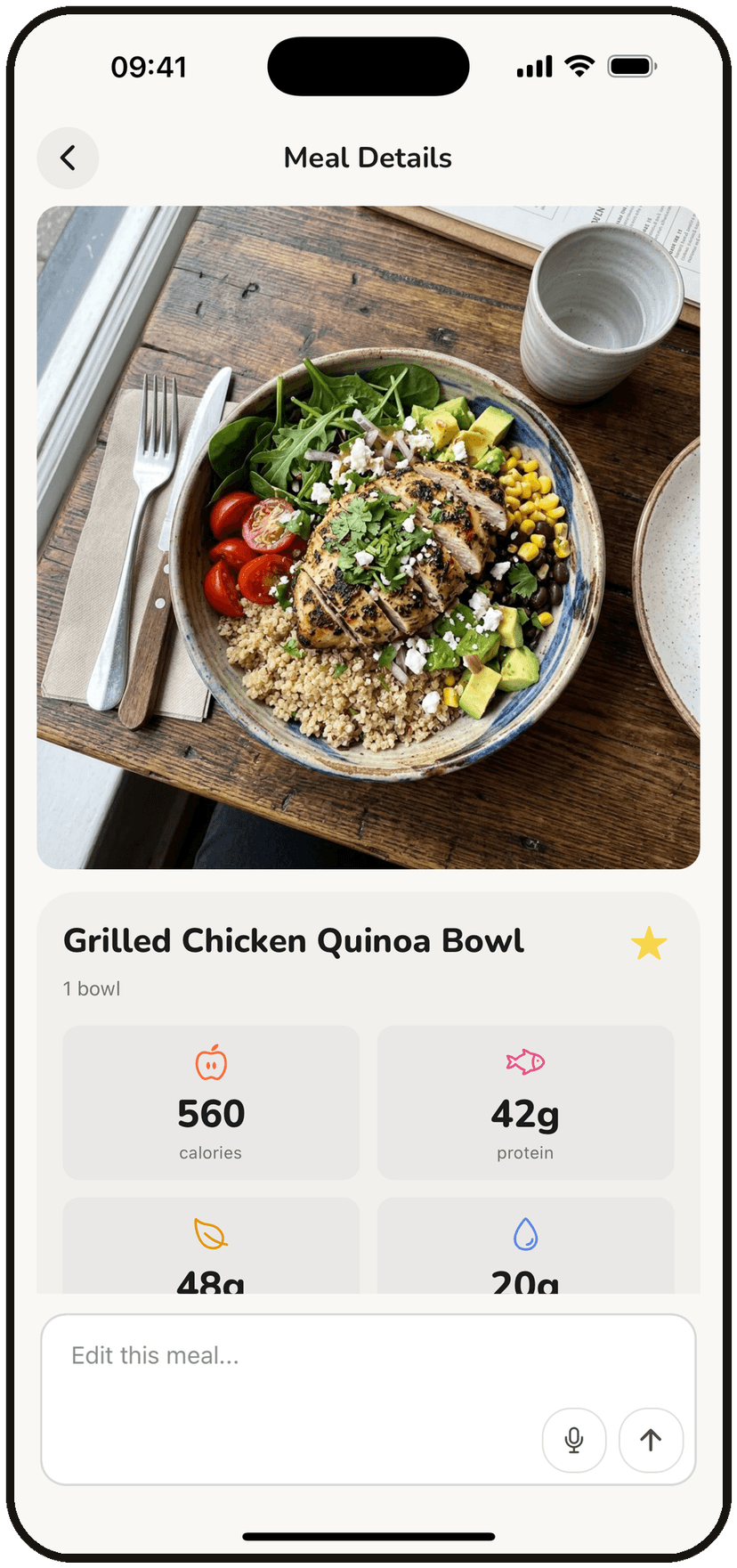
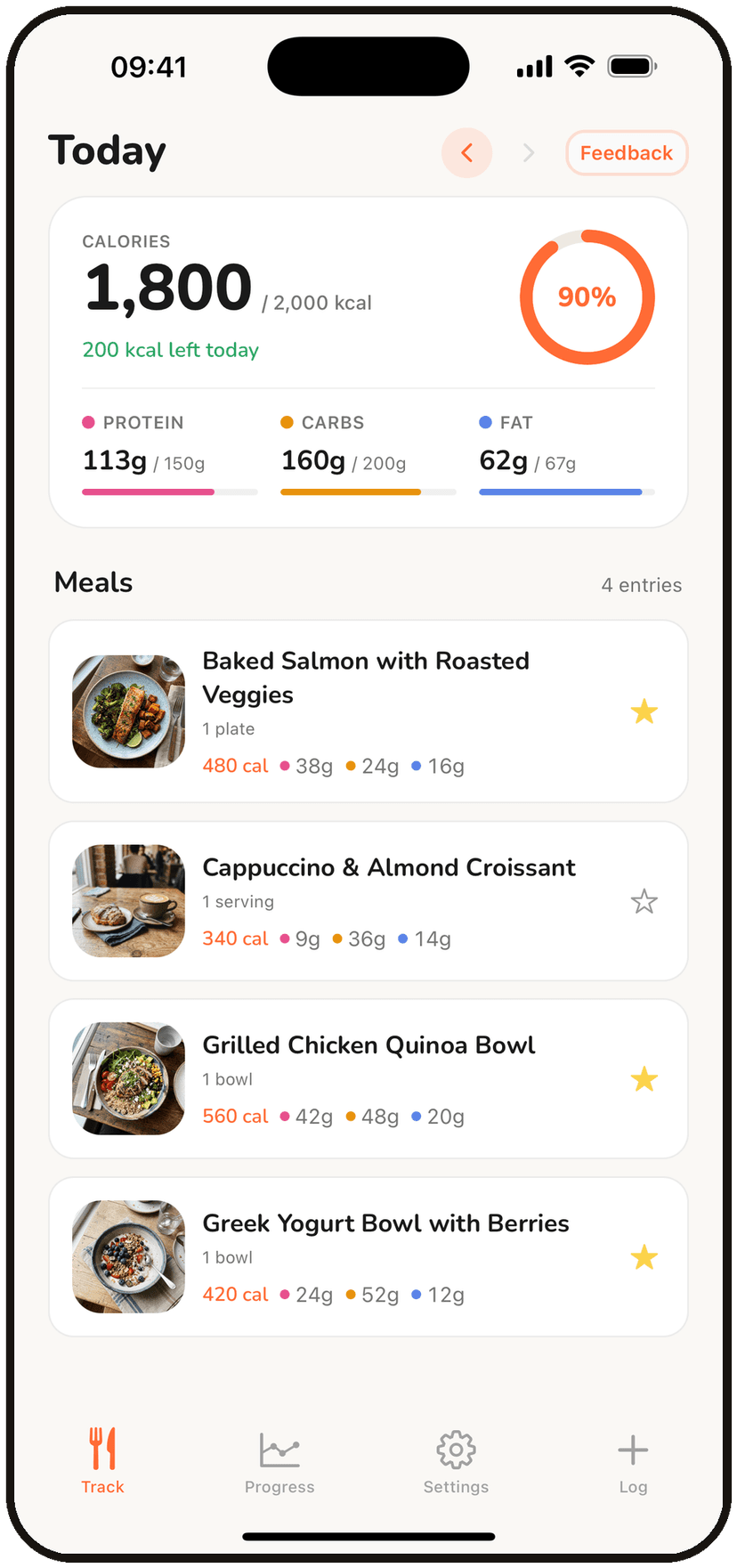
Portion guesses add up fast. BiteKit's AI estimates what's actually on your plate — oils, sides and all — so your log stays close to what you really ate.
- Log meals by photo, voice, or text
- Calories & macros estimated in seconds
- Syncs with Apple Health and Apple Watch
Free download · 3-day free trial, cancel anytime.
Scan with your iPhone camera