Hiking Calorie Calculator
Calculate calories burned on any trail hike using distance, elevation gain, pack weight, and terrain type. Get multi-day food and resupply estimates for backpacking trips.
How Hiking Calorie Burn Is Calculated
This calculator combines two well-validated approaches from exercise science: MET-based energy expenditure and Naismith's Rule for elevation correction.
MET Values for Hiking
MET (Metabolic Equivalent of Task) is the ratio of your working metabolic rate to your resting rate. The formula is simple: Calories = MET × body weight (kg) × time (hours). A MET of 1.0 equals the energy you burn sitting still. Hiking on a maintained trail carries a base MET of 5.3, meaning you burn 5.3 times your resting rate. Rough terrain, snow, and heavy packs push that number higher.
Elevation Gain and Naismith's Rule
Elevation gain has two effects: it slows your pace (adding trail time) and it requires extra muscular work to lift your body mass uphill. Naismith's rule, developed in 1892 by Scottish mountaineer William Naismith, estimates one additional hour of travel time per 2,000 ft (600 m) of ascent. We adapt this to add approximately 100 calories per 1,000 ft of gain, layered on top of the MET-based walking calories.
Pack Weight Penalty
Carrying extra weight increases metabolic demand because your legs must propel and support more mass with every step. Research shows each additional pound of load increases energy cost by roughly 1% of body weight energy expenditure. Our calculator translates this into a MET penalty of +0.5 per 10 lbs over the first 10 lbs of pack weight, since light daypacks have minimal impact but loaded backpacking packs significantly raise intensity.
Terrain and Speed Estimates
Not all hiking terrain is equal. Here is how terrain type affects both speed and calorie burn:
| Terrain | MET Bonus | Speed Effect | Examples |
|---|---|---|---|
| Maintained Trail | +0 (base 5.3) | ~2.0 mph | National Park paths, groomed dirt trails |
| Rocky / Uneven | +0.8 | ~1.7 mph | Boulder fields, rooty forest floors, scree |
| Off-Trail | +1.5 | ~1.4 mph | Bushwhacking, talus, no defined trail |
| Snow / Winter | +2.0 | ~1.3 mph | Snowshoeing, post-holing, icy approaches |
Backpacking Food Planning
Food planning for multi-day trips requires accounting for your full daily energy needs, not just hiking calories. Our calculator adds estimated hiking expenditure to a 1,800 kcal baseline for camp chores, sleeping, and resting, then applies a 12% buffer to account for cold weather (which raises your metabolic rate to maintain body temperature) and the cumulative fatigue of consecutive hiking days.
Choosing High-Calorie Trail Food
The golden standard for backpacking food is 100 calories per ounce (about 3,500 kcal/lb). This maximizes energy density while keeping pack weight low. Here are calorie-dense options that hit that target:
- Nuts and nut butters — almonds, cashews, peanut butter packets (~160-180 kcal/oz)
- Freeze-dried meals — backpacking entrees designed for calorie density and light weight
- Hard cheeses — parmesan, aged cheddar (~110 kcal/oz, adds protein and fat)
- Salami and hard cured meats — ~130-140 kcal/oz
- Dark chocolate — 70%+ cocoa, ~150-160 kcal/oz
- Instant oats — with powdered milk and nut butter mixed in
- Energy bars — aim for bars with 90-100 kcal/oz and real ingredients
Cold Weather and Altitude Adjustments
In cold conditions, your body burns extra calories maintaining core temperature through shivering and non-shivering thermogenesis. At temperatures below 40°F, expect an additional 200-400 kcal/day. High altitude (above 8,000 ft) can also suppress appetite while simultaneously increasing metabolic rate by 6-25%, so intentionally eating more than you feel like becomes critical on alpine trips. Our 12% buffer partially accounts for these factors, but you should add extra snacks for extreme cold or high-altitude objectives.
Tips to Optimize Your Energy on the Trail
Eat Before You Are Hungry
On long days, hunger is a lagging indicator of low fuel. Aim to eat a small snack every 1.5-2 hours to keep blood sugar stable and avoid energy crashes on steep climbs.
Prioritize Carbs During the Hike
Carbohydrates are your fastest fuel source during aerobic activity. Save nut-heavy, high-fat foods for camp meals and rely on gels, bars, and fruit leathers while actively hiking.
Hydration Affects Performance
Even mild dehydration (2% body weight) reduces endurance performance by 10-20%. Drink 16-24 oz of water per hour on the trail and consider an electrolyte supplement on hot or sweaty days.
Rebuild with Protein at Camp
After a long day, your muscles need protein to repair microtears. Aim for 25-40 g of protein at your evening meal. Freeze-dried meals with chicken, beans, or lentils are great camp options.
Frequently Asked Questions
How many calories do you burn hiking?
Hiking typically burns between 400 and 700 calories per hour depending on body weight, pack weight, terrain, and elevation gain. A 170 lb person hiking 8 miles on a maintained trail with 2,000 ft of gain burns approximately 1,000–1,200 calories total.
How does elevation gain affect calories burned?
Elevation gain adds calories in two ways: it slows your pace (keeping you on trail longer) and requires extra muscular work uphill. We estimate approximately 100 additional calories per 1,000 ft of gain based on Naismith's rule, which is consistent with GPS-based energy expenditure studies.
How does pack weight change calorie burn?
Every pound of pack weight increases metabolic cost because your muscles must propel more mass. We apply a MET penalty of +0.5 per 10 lbs of pack weight over 10 lbs. A 40 lb pack therefore adds about 1.5 MET, significantly raising hourly calorie burn.
How many calories per day for a backpacking trip?
Most backpackers need 3,000–4,500 calories per day. Our calculator estimates this by combining hiking expenditure with a 1,800 kcal daily baseline and a 12% buffer for cold and sustained exertion. Plan for about 1.5–2 lbs of food per day using 100-kcal/oz trail foods.
Is hiking a good workout for weight loss?
Yes — hiking is one of the most effective and sustainable forms of cardio for fat loss. It burns more calories than walking due to terrain and elevation variability, is low-impact compared to running, and can be extended to long distances. A 3,000-foot mountain day hike can burn as many calories as an hour of running.
How accurate is this hiking calorie calculator?
Our calculator uses validated MET values from the Compendium of Physical Activities and adapts Naismith's Rule for elevation. Expect accuracy within 10–20% of actual burn. For the most precise measurements, use a heart-rate-based GPS watch or a metabolic analyzer.
Related Tools
iPhone app · 3-day free trial
You're likely eating 500 calories more than you think
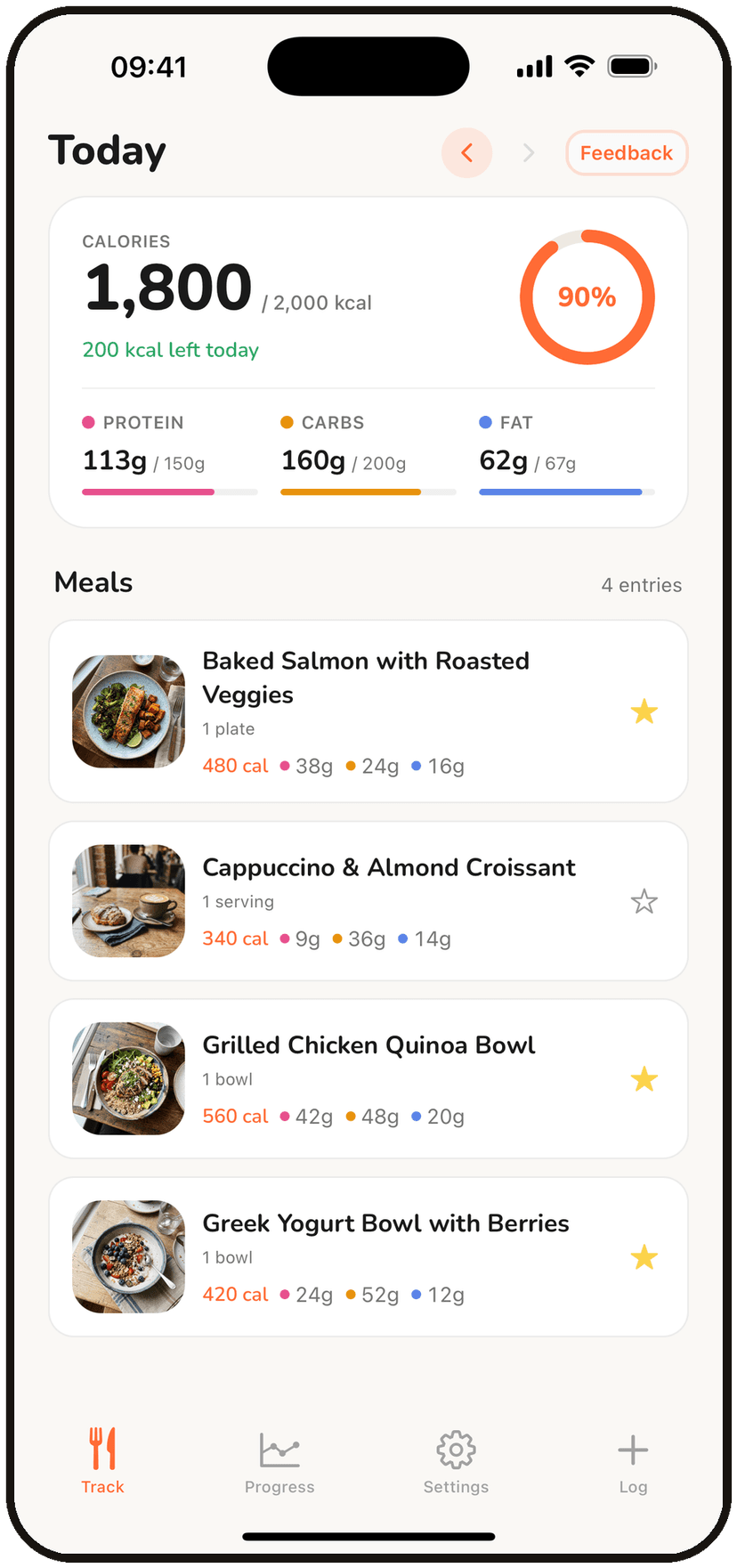
Portion guesses add up fast. BiteKit's AI estimates what's actually on your plate — oils, sides and all — so your log stays close to what you really ate.
- Log meals by photo, voice, or text
- Calories & macros estimated in seconds
- Syncs with Apple Health and Apple Watch
Free download · 3-day free trial, cancel anytime.
Scan with your iPhone camera