Hydration Status Estimator
Assess your hydration level using urine color, body weight change, thirst, and lifestyle factors. Get personalized fluid intake recommendations and rehydration tips.
Select the color that best matches your most recent urine
Selected: Light yellow
Weigh yourself before and after exercise to calculate fluid loss. Leave blank if not available.
1 cup = ~240 ml / 8 oz. Include water, tea, juice, and other beverages.
Number of coffees, teas, or energy drinks
Number of standard alcoholic drinks
How does this work?
This estimator combines multiple hydration indicators -- urine color, thirst perception, body weight change, fluid intake, activity, climate, caffeine, and alcohol -- into an overall hydration status score. It then provides personalized fluid recommendations and rehydration tips. This is an educational tool and not a substitute for medical advice.
Why Hydration Status Matters
Water makes up about 60% of your body weight and is essential for virtually every biological process. Even mild dehydration -- losing just 1-2% of your body water -- can impair concentration, reduce physical performance, and cause fatigue and headaches.
Chronic under-hydration has been linked to kidney stones, urinary tract infections, constipation, and reduced cognitive performance. For athletes and active individuals, maintaining proper hydration is directly tied to training quality and recovery.
The challenge is that hydration needs are highly individual. They depend on your body size, activity level, climate, diet, and even genetic factors. Generic advice like "drink 8 glasses a day" is a reasonable starting point, but a personalized assessment using multiple indicators gives a far more accurate picture of your current hydration status.
Understanding Hydration Indicators
No single marker perfectly captures hydration status. That is why sports scientists recommend using multiple indicators together. This estimator combines the three most practical and well-studied markers:
Urine Color
Urine color is one of the most researched and accessible hydration markers. When you are well hydrated, your kidneys produce dilute, pale-colored urine. As dehydration increases, urine becomes more concentrated and darker. The 8-point urine color chart (Ucol) developed by Armstrong et al. is widely used in sports science. Colors 1-3 indicate euhydration (adequate hydration), while colors 6-8 indicate significant dehydration. Note that vitamins (especially B2), certain foods, and medications can affect urine color independently of hydration.
Body Weight Change
Acute body weight change during exercise is the gold standard for assessing exercise-related dehydration. Each kilogram of weight lost equals approximately 1 liter of sweat. Losing less than 1% body weight is well-tolerated. At 2% loss, endurance performance drops by 10-20% and perceived effort increases. At 3%+, thermoregulation is impaired, increasing heat illness risk. This is why the estimator optionally accepts pre- and post-exercise weights.
Thirst Perception
Thirst is the body's built-in dehydration alarm. It is triggered when blood osmolality rises by about 2%, which corresponds to roughly 1-2% body water loss. While thirst is a late indicator (you are already mildly dehydrated by the time you feel it), it is useful as a confirmatory signal alongside urine color and weight data. In older adults, the thirst mechanism becomes less sensitive, making proactive hydration monitoring even more important.
Factors That Affect Your Hydration Needs
Your daily fluid needs are not fixed. Several factors can significantly increase or decrease how much water your body requires:
Physical Activity
Exercise increases fluid loss through sweat and respiration. Intense exercise in hot conditions can cause sweat rates of 1-3 liters per hour. Even moderate exercise increases fluid needs by 50% or more. Use our Sweat Rate Calculator for precise exercise fluid planning.
Climate and Temperature
Hot and humid environments increase sweat production significantly. Even in cold weather, fluid losses through respiration increase (you can see your breath in cold air -- that is water vapor leaving your body). Altitude above 2,500 meters also increases fluid needs due to faster breathing and drier air.
Caffeine and Alcohol
Both caffeine and alcohol have diuretic properties. Caffeine mildly increases urine production, though habitual drinkers develop tolerance. Alcohol suppresses the antidiuretic hormone (ADH), causing significantly more urine output. Matching each alcoholic drink with a glass of water helps offset this effect.
Diet and Food
About 20% of daily water intake typically comes from food. Fruits and vegetables like watermelon, cucumber, oranges, and lettuce are 85-95% water. High-sodium diets can increase fluid retention but also thirst. High-protein diets increase water needs because the kidneys need more fluid to process metabolic waste.
Practical Hydration Strategies
Maintaining good hydration does not have to be complicated. Here are evidence-based strategies for staying well hydrated throughout the day:
Morning Routine
- Start your day with a glass of water before coffee or breakfast
- Check your urine color first thing -- it should be pale yellow by mid-morning
- If exercising in the morning, pre-hydrate with 400-600 ml of water 2 hours before
Throughout the Day
- Keep a reusable water bottle with you and sip regularly
- Set reminders every 30-60 minutes if you tend to forget to drink
- Eat water-rich foods at meals: fruits, vegetables, soups, and yogurt
- Match caffeinated drinks with equal amounts of water
- Use our Water Intake Calculator for a personalized daily target
During and After Exercise
- Drink 150-250 ml every 15-20 minutes during exercise
- For sessions over 60 minutes, add electrolytes (sodium, potassium)
- After exercise, replace 150% of lost fluid over the next 2-4 hours
- Weigh yourself before and after to calculate your personal sweat rate
- Check your electrolyte needs for proper mineral replacement
Frequently Asked Questions
How can I tell if I am dehydrated?
The most reliable everyday indicators are urine color, thirst level, and body weight change. Dark yellow or amber urine suggests dehydration. Feeling thirsty means your body has already lost 1-2% of its water. Weighing yourself before and after exercise reveals exactly how much fluid you lost through sweat. This estimator combines all three for a comprehensive assessment.
What does urine color tell you about hydration?
Urine color is one of the simplest and most practical hydration markers. Clear to pale yellow (colors 1-3) indicates good hydration. Yellow to dark yellow (4-5) suggests mild dehydration. Amber to brown (6-8) signals significant dehydration. Note that vitamins, certain foods, and medications can temporarily change urine color.
How much water should I drink per day?
A general baseline is 8 cups (about 2 liters) per day, but individual needs vary significantly. Active people may need 20-80% more depending on exercise intensity. Hot climates increase needs by about 30%. The best approach is to monitor your urine color and thirst throughout the day and adjust accordingly.
Does caffeine dehydrate you?
Caffeine has a mild diuretic effect, but for habitual coffee drinkers the body adapts. The fluid in coffee or tea still contributes to hydration. Very high caffeine intake (4+ cups per day) before intense exercise in hot conditions may increase fluid losses. Balancing each caffeinated drink with a glass of water is a simple precaution.
How much body weight loss during exercise indicates dehydration?
Each kilogram lost during exercise equals approximately 1 liter of sweat. Less than 1% loss is normal. At 1-2% loss, endurance starts to decline. At 2-3%, physical and cognitive performance significantly drops. Above 3% is serious and can impair thermoregulation. Weigh yourself before and after exercise to track your personal fluid losses.
Does alcohol affect hydration status?
Yes, alcohol suppresses the antidiuretic hormone (ADH), causing your kidneys to produce more urine and increasing fluid loss. A standard drink can cause your body to eliminate 100-150 ml more fluid than the drink contains. Drinking water between alcoholic beverages helps maintain hydration.
iPhone app · 3-day free trial
You're likely eating 500 calories more than you think
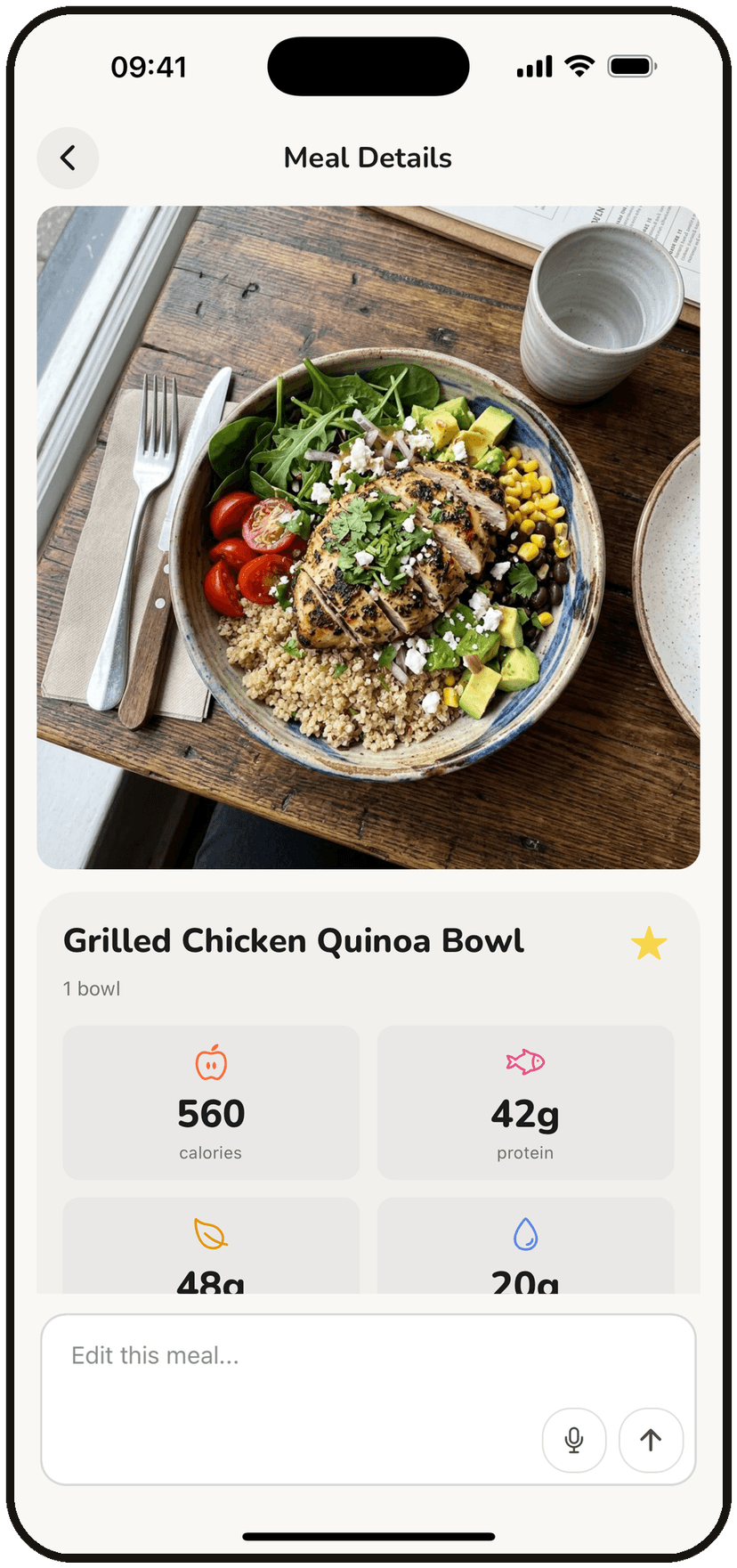
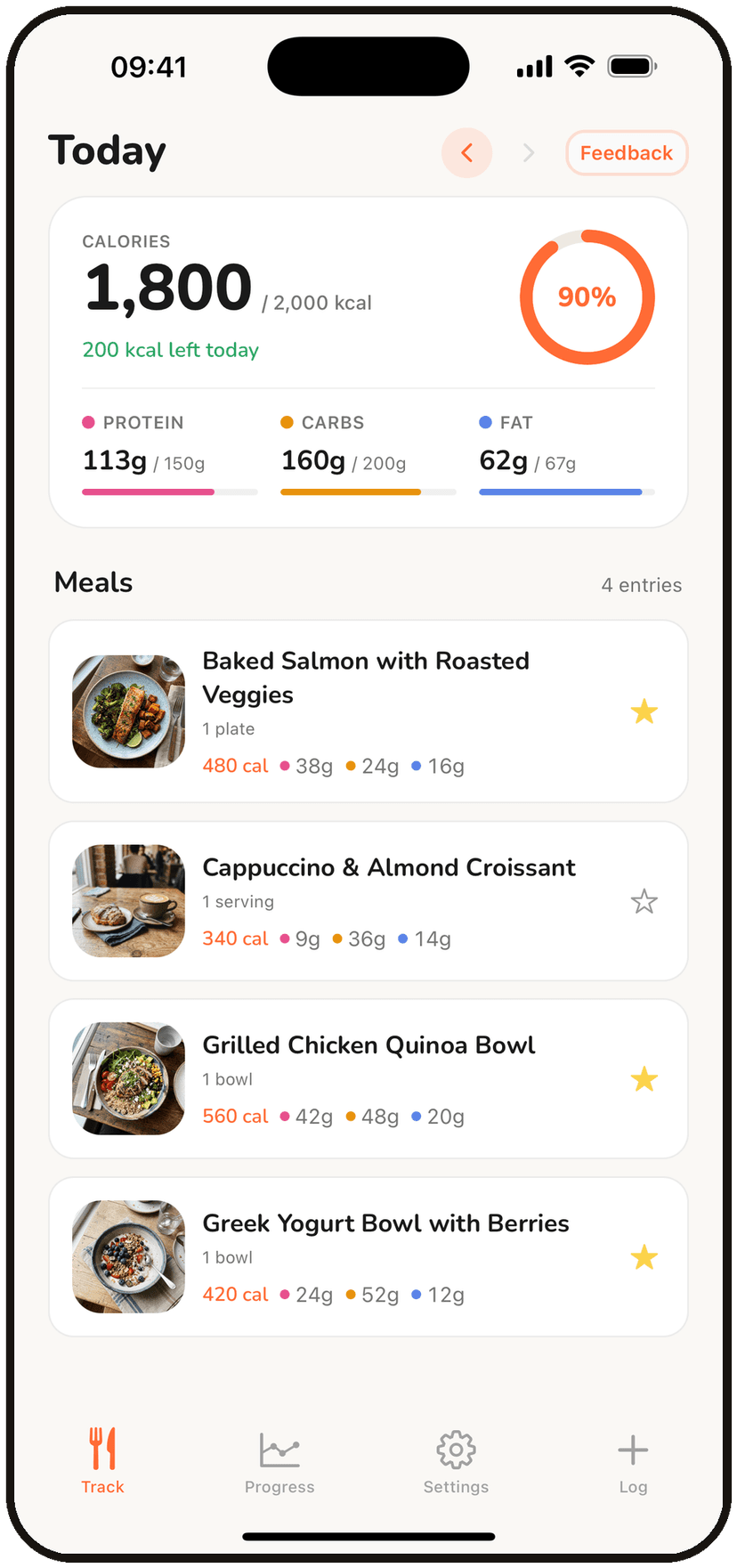
Portion guesses add up fast. BiteKit's AI estimates what's actually on your plate — oils, sides and all — so your log stays close to what you really ate.
- Log meals by photo, voice, or text
- Calories & macros estimated in seconds
- Syncs with Apple Health and Apple Watch
Free download · 3-day free trial, cancel anytime.
Scan with your iPhone camera