Keto Macro Calculator
Calculate your personalized keto macros for optimal ketosis. Get the right balance of fat, protein, and carbs for fat loss, maintenance, or muscle building on the ketogenic diet.
Helps calculate lean mass for more accurate protein recommendations
Optimal for fast ketosis entry
What is the Ketogenic Diet?
The ketogenic (keto) diet is a high-fat, moderate-protein, very low-carbohydrate eating plan. By drastically reducing carbohydrate intake (typically to 20-50g net carbs per day), your body shifts from burning glucose to burning fat for fuel - a metabolic state called ketosis.
In ketosis, your liver converts fat into molecules called ketones, which become your body's primary energy source. This metabolic switch offers several potential benefits:
- Enhanced fat burning: Your body becomes efficient at burning stored fat
- Stable energy: No more blood sugar crashes or energy dips
- Reduced hunger: Fat and ketones are more satiating than carbs
- Mental clarity: Many report improved focus and cognitive function
Keto Macro Ratios Explained
Standard Keto
Best for most people starting keto
Strict Keto
For therapeutic ketosis or faster results
Net Carbs vs Total Carbs
Understanding the difference between net carbs and total carbs is crucial for keto success:
Net Carbs Formula
Net Carbs = Total Carbs - Fiber - Sugar Alcohols
Why track net carbs?
- Fiber passes through undigested and doesn't affect blood sugar
- Most sugar alcohols have minimal impact on blood glucose
- Net carbs represent the carbs that actually affect ketosis
Example: An avocado has 12g total carbs but 10g fiber, so only 2g net carbs count toward your daily limit.
Signs You're in Ketosis
How do you know when your body has entered ketosis? Look for these common signs:
Reduced Appetite
Ketones are highly satiating
Increased Energy
Stable energy without crashes
Mental Clarity
Improved focus and concentration
Keto Breath
Fruity or metallic breath (temporary)
For precise measurement, blood ketone meters are most accurate. Nutritional ketosis is typically indicated by blood ketone levels of 0.5-3.0 mmol/L.
Common Keto Mistakes to Avoid
Not Eating Enough Fat
Fat is your fuel on keto. Many people try to go low-carb AND low-fat, leaving them hungry and low-energy. Embrace healthy fats like avocado, olive oil, and fatty fish.
Too Much Protein
Excess protein can convert to glucose through gluconeogenesis, potentially affecting ketosis. Stick to moderate protein (0.8-1.0g per lb lean mass).
Ignoring Electrolytes
Keto causes water and electrolyte loss. Supplement sodium, potassium, and magnesium to avoid "keto flu" symptoms like headaches and fatigue.
Hidden Carbs
Carbs hide in sauces, dressings, and "low-carb" products. Always check nutrition labels and track everything, especially when starting out.
Keto Food Quick Reference
Here are some keto-friendly foods with their net carb content per serving:
| Food | Serving | Net Carbs |
|---|---|---|
| Avocado | 1 medium | 3g |
| Eggs | 1 large | 0.5g |
| Bacon | 2 strips | 0g |
| Cheddar Cheese | 1 oz (28g) | 0.5g |
| Almonds | 1 oz (23 nuts) | 2g |
| Spinach | 1 cup raw | 0.4g |
| Olive Oil | 1 tbsp | 0g |
| Salmon | 3 oz | 0g |
| Broccoli | 1 cup | 4g |
| Butter | 1 tbsp | 0g |
Frequently Asked Questions
What is the keto diet?
The ketogenic diet is a high-fat, moderate-protein, very low-carbohydrate diet. By reducing carbs to 20-50g per day, your body enters ketosis and burns fat for fuel instead of glucose, leading to weight loss and other health benefits.
What are the ideal keto macro ratios?
Standard keto macros are 70-75% fat, 20-25% protein, and 5-10% carbs. For strict keto, aim for 75-80% fat, 15-20% protein, and 5% carbs. Our calculator personalizes these based on your goals and body composition.
What is the difference between net carbs and total carbs?
Net carbs = Total carbs - Fiber - Sugar alcohols. On keto, track net carbs because fiber and most sugar alcohols don't affect blood sugar or ketosis. This allows you to eat more fibrous vegetables while staying in ketosis.
How many carbs can I eat and stay in ketosis?
Most people stay in ketosis eating 20-50g net carbs daily. For reliable ketosis, especially when starting, keep net carbs under 20g. As you become fat-adapted, you may tolerate more carbs while maintaining ketosis.
How much protein should I eat on keto?
Aim for 0.8-1.0g protein per pound of lean body mass. This preserves muscle while keeping protein moderate to avoid excess conversion to glucose. Our calculator factors in your body fat percentage for more accurate protein recommendations.
How do I know if I am in ketosis?
Common signs include reduced appetite, stable energy, mental clarity, and "keto breath." For accurate measurement, use blood ketone meters - nutritional ketosis is indicated by 0.5-3.0 mmol/L. Urine strips work but become less reliable as you adapt.
Free app
You're likely eating 500 calories more than you think
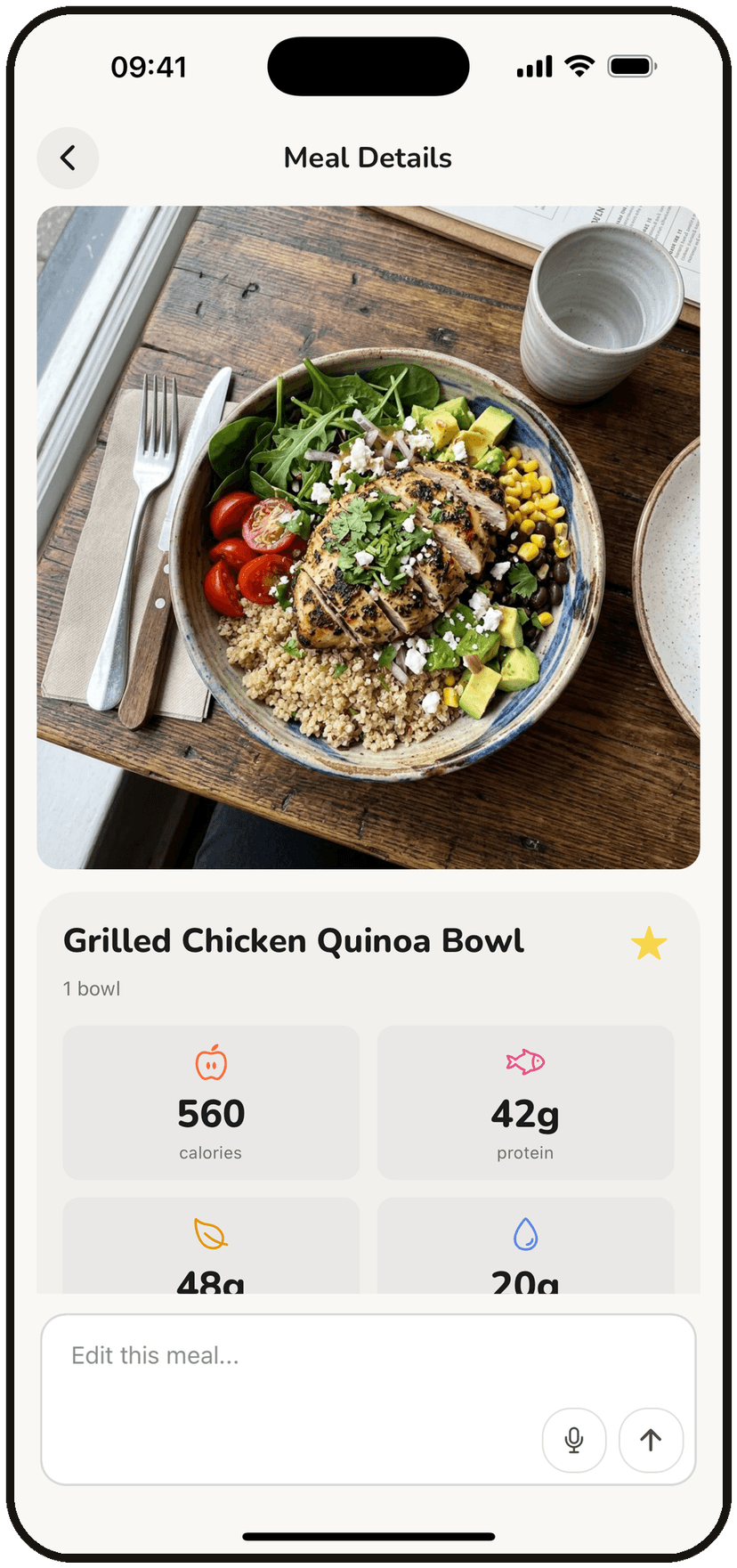
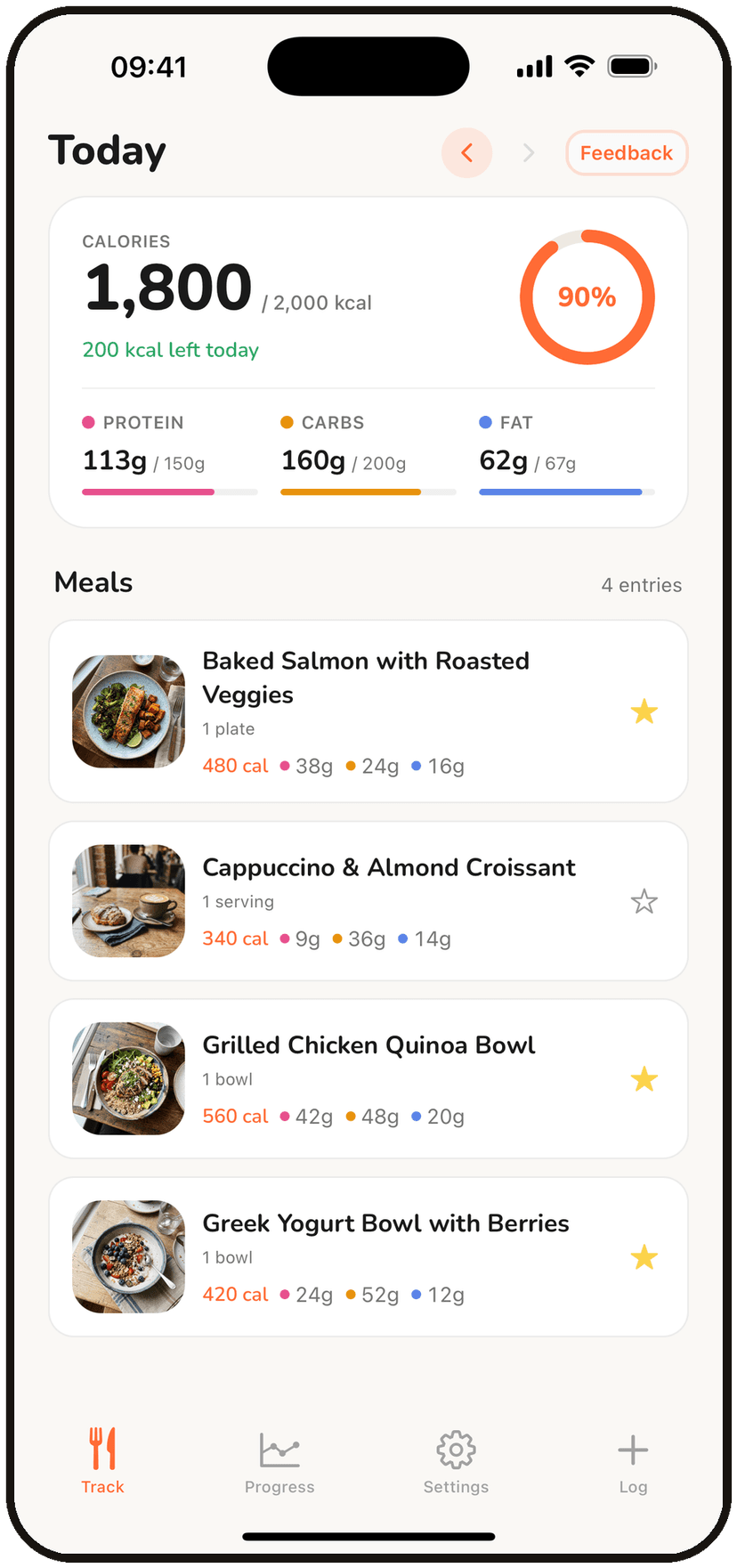
Portion guesses add up fast. BiteKit's AI reads your actual plate, so the number you track is the number you ate.
- Photo, voice, or text input
- Instant calorie & macro tracking
- Private by design — no password required
Free to download. No credit card required.
Scan to get the app