Low Carb Diet Calculator
Calculate your optimal calories and macros for a low carb diet. Choose your carb level from 50-150g per day and get personalized protein, fat, and carb targets based on your goals.
Choose how many carbs per day (50-150g range)
If provided, we'll use the more accurate Katch-McArdle formula
What is a Low Carb Diet?
A low carb diet reduces your daily carbohydrate intake to between 50 and 150 grams per day, down from the typical 250-350g in a standard Western diet. Unlike extreme approaches, low carb allows you to keep a moderate amount of carbs from nutritious sources like vegetables, fruits, and even some whole grains.
This is not a keto diet. While keto restricts carbs to under 20-50g to force your body into ketosis, a low carb approach gives you more flexibility and a wider variety of food choices. Many people find low carb easier to sustain long-term while still getting excellent results for weight loss, blood sugar management, and overall health.
Low Carb vs Keto: Key Differences
Understanding the difference between low carb and keto helps you choose the right approach for your lifestyle:
Low Carb (50-150g carbs)
- More flexible food choices
- Can include fruits, some grains, legumes
- Easier to sustain long-term
- Better for active people and athletes
- No need to track ketones
- Fewer adaptation side effects
Keto (<20-50g carbs)
- Very restrictive carb limit
- Eliminates most fruits and all grains
- Requires strict tracking
- Triggers ketosis for fat burning
- May cause "keto flu" initially
- Can be harder to maintain socially
Choosing Your Carb Level
The right carb level depends on your goals, activity level, and personal preference. Here are the three tiers:
Liberal Low Carb: 100-150g per day
The easiest entry point into low carb eating. You can still enjoy fruits, sweet potatoes, some rice, and oats in moderation. Ideal for active people, athletes, or those transitioning from a standard diet. Weight loss is slower but sustainability is highest.
Moderate Low Carb: 50-100g per day
The sweet spot for most people. Effective for weight loss while still allowing berries, non-starchy vegetables, nuts, and small portions of starchy foods. Provides a good balance of results and flexibility.
Strict Low Carb: ~50g per day
Close to keto territory but with slightly more flexibility. Maximizes fat burning and is great for rapid weight loss. You'll focus on non-starchy vegetables, small portions of berries, and avocados for your carb sources.
Best Low Carb Foods
Build your meals around these nutrient-dense, low carb foods:
Meat & Fish
Beef, chicken, pork, salmon, tuna, shrimp. Zero carbs and high in protein. The foundation of any low carb diet.
Eggs & Dairy
Eggs, cheese, Greek yogurt, butter, cream. Versatile and satisfying with minimal carbs.
Non-Starchy Vegetables
Broccoli, spinach, cauliflower, zucchini, bell peppers. High in fiber and micronutrients, very low in net carbs.
Nuts & Seeds
Almonds, walnuts, chia seeds, flaxseeds. Great for snacking with healthy fats and moderate protein.
Berries
Strawberries, blueberries, raspberries. The lowest-carb fruits, packed with antioxidants and fiber.
Healthy Fats
Avocados, olive oil, coconut oil. Zero carbs and essential for satiety and hormone health.
Tips for Low Carb Success
Prioritize Protein
Build every meal around a protein source. This keeps you full, preserves muscle, and makes hitting your macro targets easier.
Load Up on Vegetables
Non-starchy vegetables are very low in carbs but high in fiber and nutrients. Eat them freely to stay full and nourished.
Choose Smart Carbs
Spend your carb budget on nutrient-dense sources like berries, sweet potatoes, and legumes rather than refined grains and sugar.
Stay Hydrated
Lower carb intake reduces water retention. Drink plenty of water and consider adding electrolytes, especially in the first few weeks.
Frequently Asked Questions
What is a low carb diet?
A low carb diet reduces daily carbohydrate intake to 50-150 grams per day. Unlike keto, which restricts carbs to under 20-50g, low carb allows moderate carb intake from vegetables, fruits, and some whole grains while emphasizing protein and healthy fats.
How many carbs per day on a low carb diet?
Low carb diets typically range from 50-150g of carbs per day. Liberal (100-150g) is easiest to sustain. Moderate (50-100g) is effective for weight loss. Strict (~50g) maximizes fat burning while being more flexible than keto.
What is the difference between low carb and keto?
Keto restricts carbs to under 20-50g per day to achieve ketosis, while low carb allows 50-150g. Low carb is more flexible, includes a wider variety of foods, and is easier to maintain long-term. Both can be effective for weight loss.
What are the benefits of a low carb diet?
Benefits include weight loss, improved blood sugar control, reduced hunger and cravings, better energy levels, improved cholesterol markers, and reduced inflammation. Many find it easier to sustain than very restrictive diets.
What foods can I eat on a low carb diet?
Focus on meat, fish, eggs, non-starchy vegetables, nuts, seeds, healthy oils, cheese, and berries. Depending on your carb level, you can also include some fruits, sweet potatoes, legumes, and small portions of whole grains.
Can I lose weight on a low carb diet?
Yes, low carb diets are very effective for weight loss. Reducing carbs lowers insulin, helping your body burn stored fat. High protein increases satiety and metabolism. Studies show low carb diets often outperform low fat diets for weight loss.
iPhone app · 3-day free trial
You're likely eating 500 calories more than you think
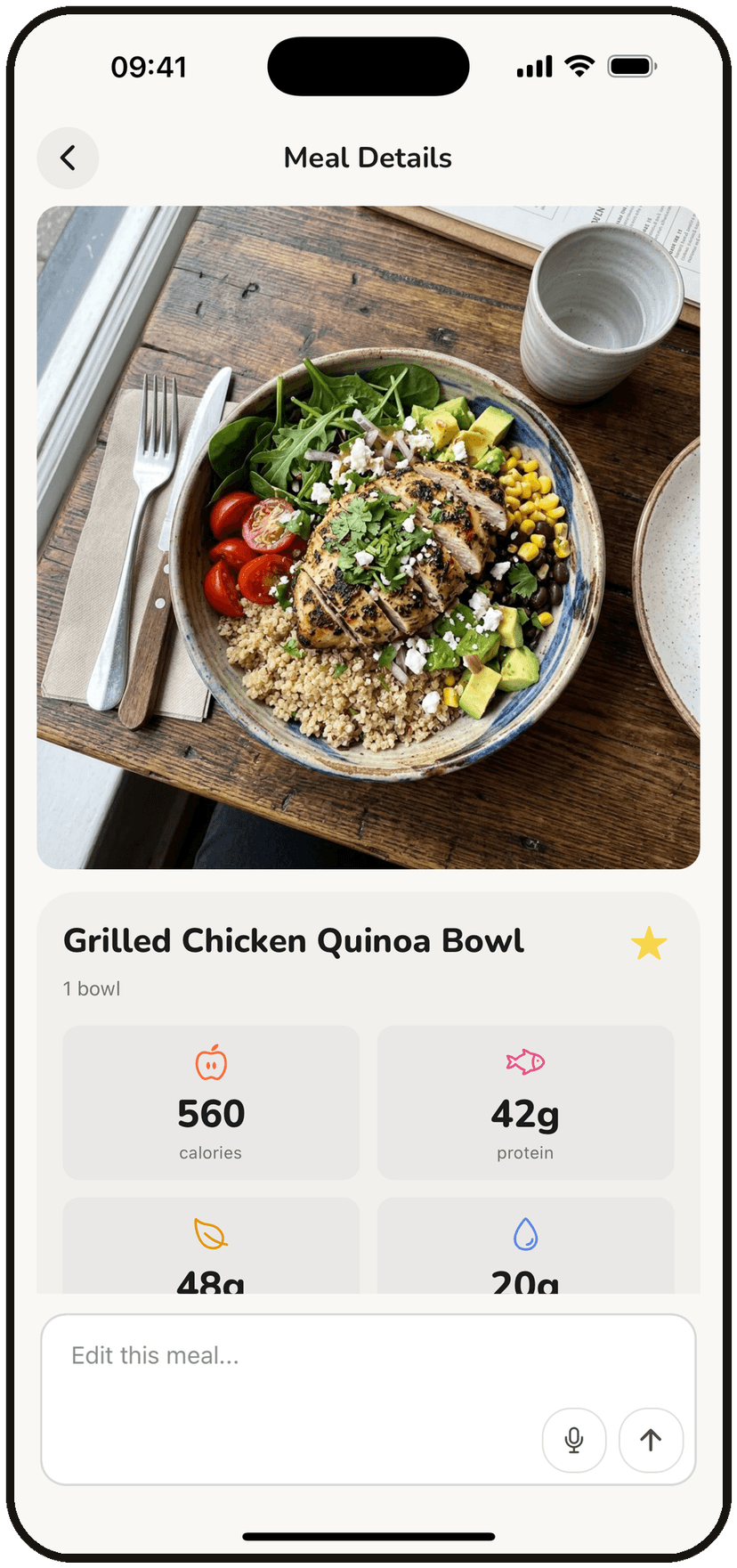
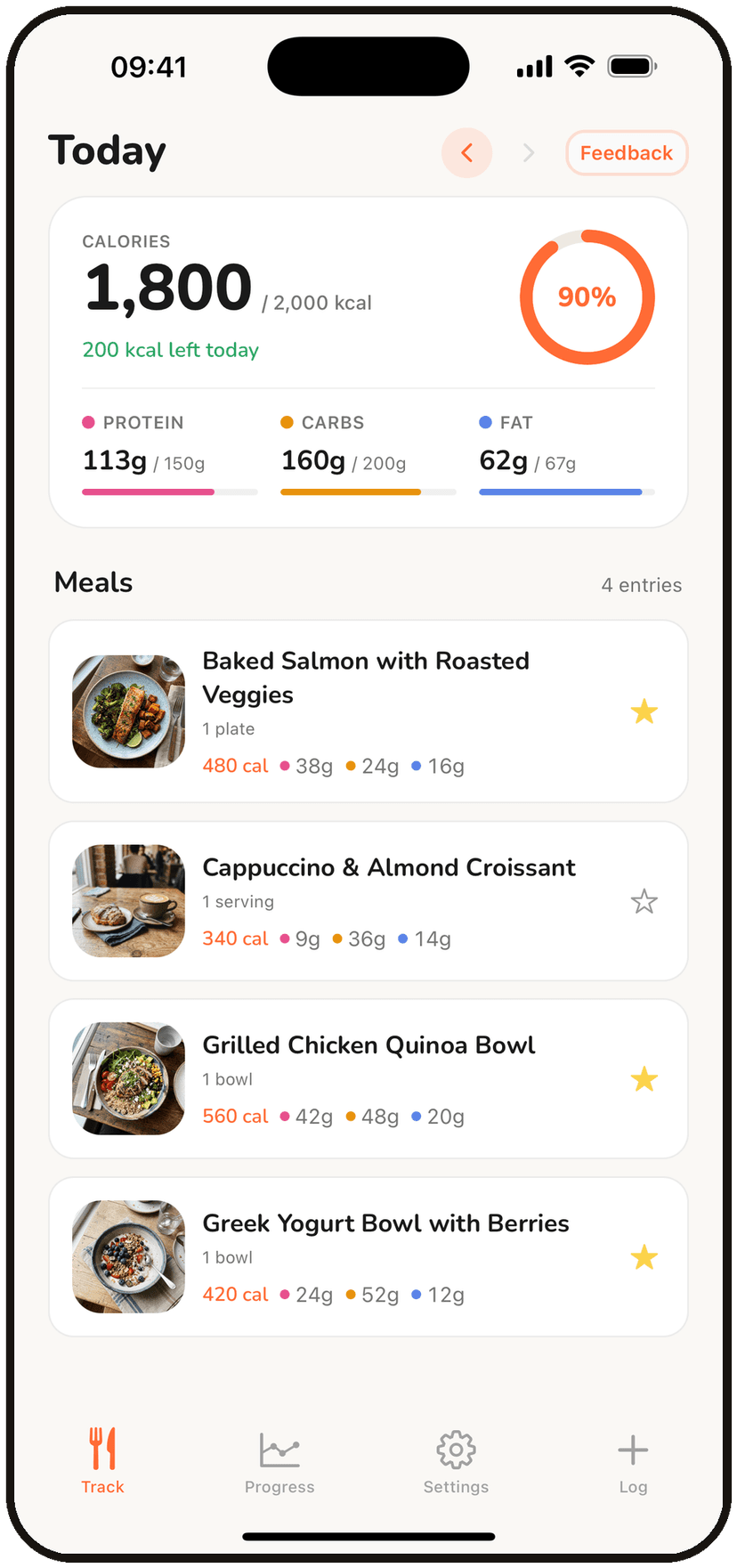
Portion guesses add up fast. BiteKit's AI estimates what's actually on your plate — oils, sides and all — so your log stays close to what you really ate.
- Log meals by photo, voice, or text
- Calories & macros estimated in seconds
- Syncs with Apple Health and Apple Watch
Free download · 3-day free trial, cancel anytime.
Scan with your iPhone camera