Macro Timing Calculator
Optimize your pre-workout and post-workout nutrition with personalized macro timing. Get the right nutrients at the right time to maximize performance and recovery.
What is Nutrient Timing?
Nutrient timing is the strategic practice of consuming specific macronutrients at optimal times around your workout. Rather than just focusing on what you eat, nutrient timing addresses when you eat to maximize training performance, muscle recovery, and body composition results.
The concept is built on the idea that your body has different nutritional needs before, during, and after exercise. By aligning your carbohydrate, protein, and fat intake with your training schedule, you can fuel workouts more effectively and recover faster.
Pre-Workout Nutrition
Your pre-workout meal serves as fuel for your training session. Eating the right foods 1-2 hours before exercise ensures you have adequate energy and amino acids available for performance.
Carbs: Your Primary Fuel
Carbohydrates are your muscles' preferred energy source during moderate-to-high intensity exercise. Eating carbs before training tops off muscle glycogen and provides sustained energy. Aim for easily digestible sources like rice, oats, or fruit.
Protein: Muscle Protection
Including protein in your pre-workout meal provides amino acids that help reduce muscle breakdown during training. It also kickstarts the recovery process. Choose fast-digesting sources like whey protein, eggs, or lean chicken.
Keep Fat Low Before Training
Fat slows digestion, which is exactly what you don't want before a workout. Keep your pre-workout meal low in fat to ensure nutrients are available quickly. Save your healthy fats for other meals throughout the day.
The Post-Workout Window
After training, your body is primed for nutrient absorption. Muscle protein synthesis is elevated, and your muscles are eager to replenish glycogen stores. While the "anabolic window" is more flexible than once believed, eating within 1-2 hours after training is still a best practice.
High Protein for Muscle Repair
Post-workout protein provides the amino acids your body needs to repair and build muscle tissue. This is the most important meal for protein intake. Aim for 25-30% of your daily protein in this meal.
Carbs to Replenish Glycogen
Training depletes muscle glycogen, especially during intense or prolonged sessions. Post-workout carbs replenish these stores and also help shuttle amino acids into muscle cells via insulin.
Minimal Fat Post-Workout
Similar to pre-workout, keep fat low in your post-workout meal. You want nutrients to be absorbed quickly for optimal recovery. Distribute your daily fat intake across your other meals instead.
Does Meal Timing Really Matter?
The short answer: it depends on your level and goals. For beginners, total daily intake matters far more than timing. But as you become more advanced, optimizing nutrient timing can provide a meaningful edge.
What Matters Most
Total daily calories and macros are the foundation. No amount of timing optimization will overcome eating too little protein or being in the wrong calorie balance for your goal.
When Timing Helps
Timing becomes more impactful for trained individuals, those doing multiple daily sessions, endurance athletes, and anyone training in a calorie deficit where muscle preservation is critical.
Frequently Asked Questions
What is nutrient timing?
Nutrient timing is the strategic planning of macronutrient intake around your workout. It involves eating specific amounts of protein, carbs, and fat before and after training to maximize performance, recovery, and muscle growth.
What should I eat before a workout?
A pre-workout meal should focus on carbohydrates for energy and moderate protein for muscle protection, with minimal fat. Good options include oatmeal with protein, rice with chicken, or a banana with Greek yogurt. Eat 1-2 hours before training.
How soon after a workout should I eat?
Aim to eat within 1-2 hours after your workout. While the "anabolic window" is more flexible than once thought, eating a protein and carb-rich meal reasonably soon after training supports optimal recovery and muscle protein synthesis.
Does meal timing matter for muscle growth?
Total daily protein and calorie intake matter most. However, distributing protein across meals and timing carbs around workouts can provide a small but meaningful advantage, especially for trained individuals looking to optimize their results.
Should I eat differently on rest days?
On rest days, you don't need specific peri-workout nutrition. Distribute your daily macros evenly across 3-4 meals. Keep protein intake the same to support recovery, but you may slightly reduce carbs since you won't need as much workout fuel.
How do longer workouts affect nutrient timing?
Workouts over 60 minutes increase glycogen depletion, making carb timing more important. Our calculator automatically allocates extra carbs to your pre and post-workout meals for longer sessions to support sustained energy and faster recovery.
iPhone app · 3-day free trial
You're likely eating 500 calories more than you think
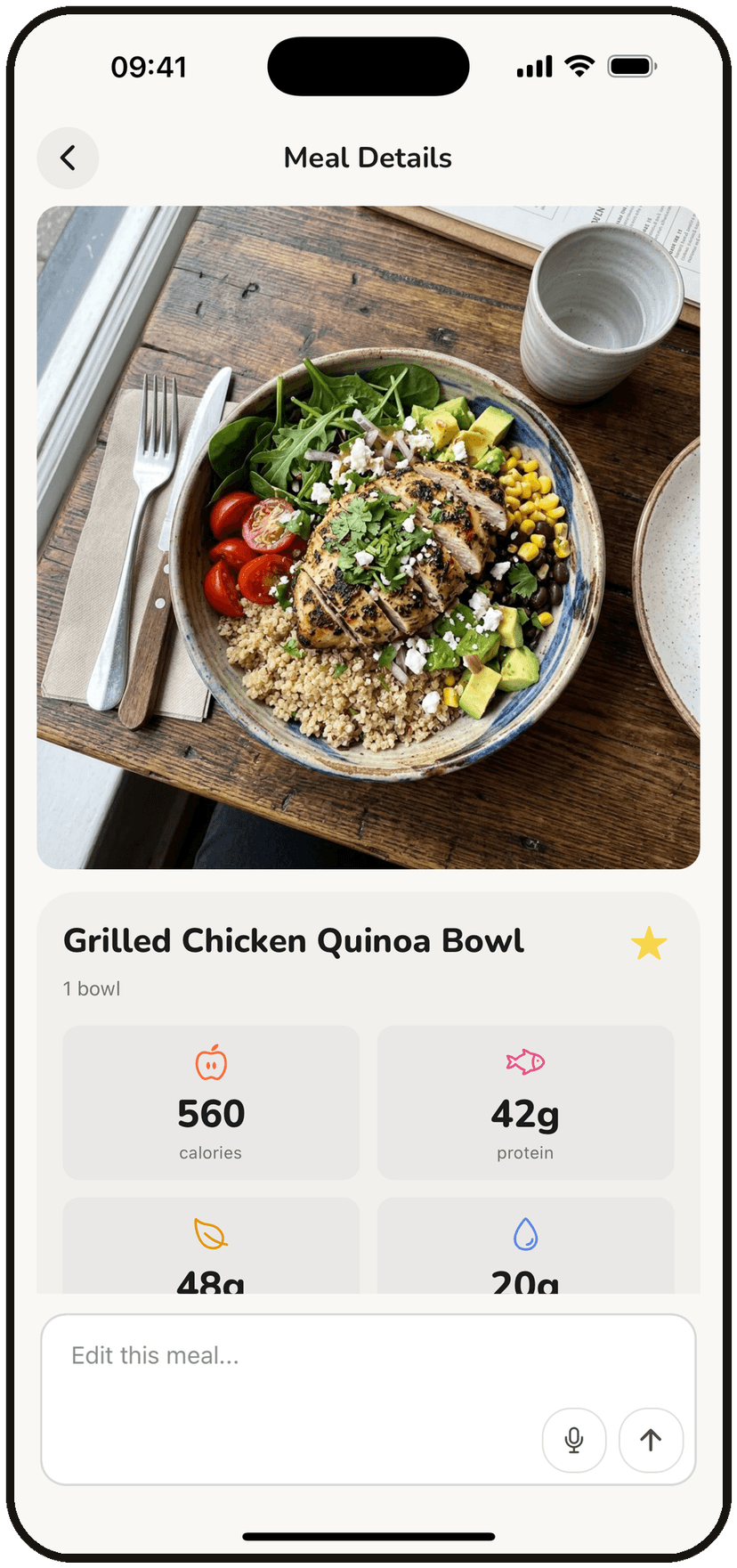
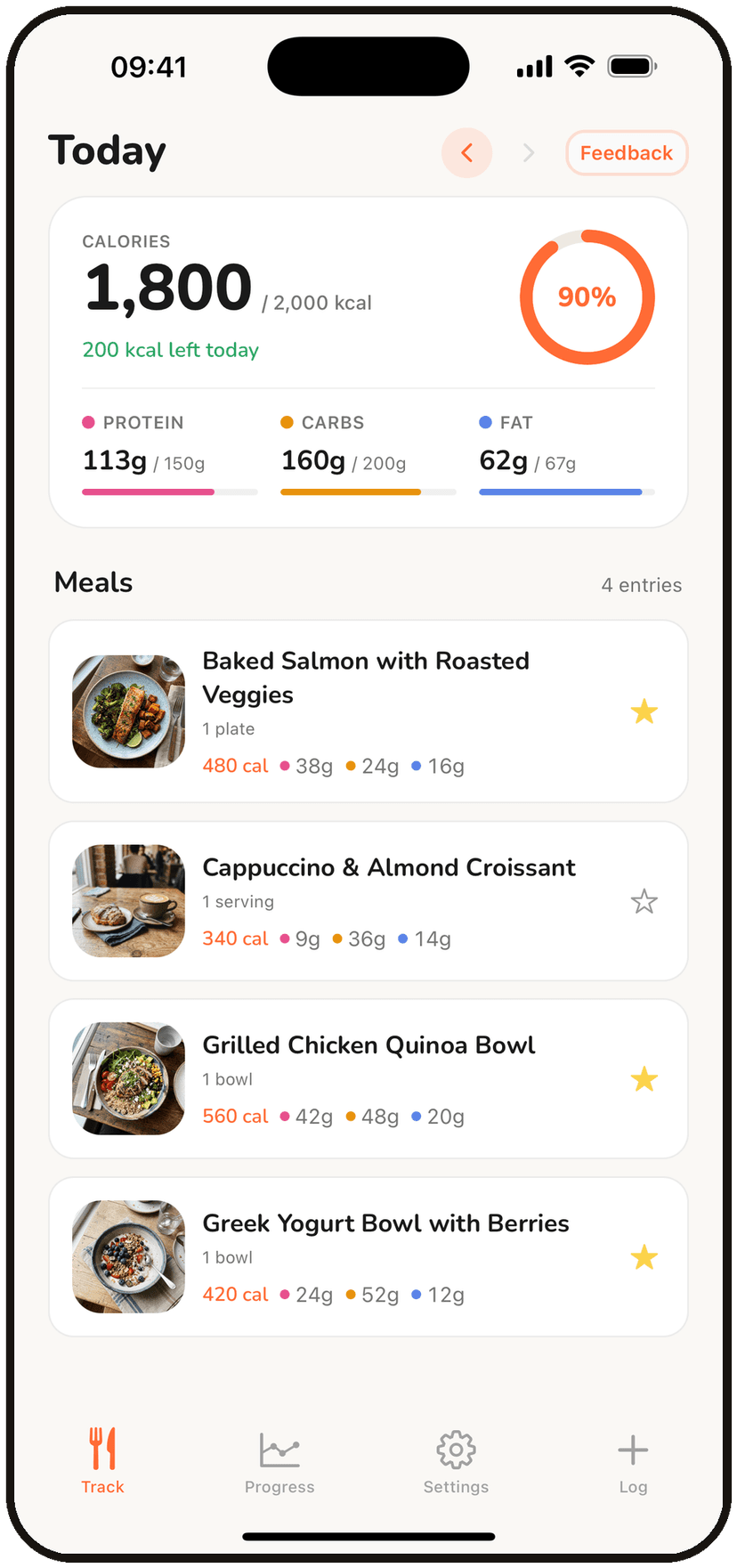
Portion guesses add up fast. BiteKit's AI estimates what's actually on your plate — oils, sides and all — so your log stays close to what you really ate.
- Log meals by photo, voice, or text
- Calories & macros estimated in seconds
- Syncs with Apple Health and Apple Watch
Free download · 3-day free trial, cancel anytime.
Scan with your iPhone camera