Magnesium Intake Calculator
Calculate your recommended daily magnesium intake based on your age, gender, activity level, diet, and deficiency symptoms. Get personalized food source and supplement guidance.
Higher activity increases magnesium loss through sweat
Chronic stress depletes magnesium through cortisol-driven excretion
These symptoms may indicate magnesium deficiency
Why Magnesium Matters
Magnesium is the fourth most abundant mineral in the human body and is involved in over 300 enzymatic reactions. It plays a critical role in energy production, protein synthesis, muscle and nerve function, blood sugar control, and blood pressure regulation. Despite its importance, magnesium deficiency is remarkably common — an estimated 50% of Americans and up to 70% of Europeans consume less than the recommended amount.
Unlike some nutrients where deficiency symptoms appear quickly, magnesium depletion develops gradually. Your body stores magnesium primarily in bones and soft tissues, and only about 1% circulates in your blood. This means standard blood tests often miss subclinical deficiency, making it one of the most under-diagnosed nutrient shortfalls. Understanding your magnesium needs and optimizing intake through food and targeted supplementation can significantly impact your energy, sleep, muscle function, and mental well-being.
Magnesium Deficiency: Signs and Symptoms
Because magnesium is involved in so many bodily processes, deficiency can manifest in a wide range of symptoms. Early signs are often subtle and easily attributed to other causes, which is why magnesium deficiency frequently goes unrecognized:
Muscle Cramps and Spasms
Magnesium regulates muscle contraction. Low levels cause involuntary muscle contractions, cramps, and painful spasms, especially in the legs and feet
Poor Sleep and Insomnia
Magnesium activates GABA receptors in the brain, which calm the nervous system. Deficiency disrupts sleep quality and makes it harder to fall and stay asleep
Anxiety and Nervousness
Low magnesium amplifies stress hormones and overstimulates the nervous system, contributing to anxiety, irritability, and restlessness
Other common symptoms include chronic fatigue and low energy, headaches and migraines, muscle twitches (especially eye twitches), difficulty concentrating, and heart palpitations. If you experience several of these symptoms together, it is worth discussing magnesium testing and supplementation with your healthcare provider.
Best Magnesium-Rich Foods
Meeting your magnesium needs through food is the ideal approach, as dietary magnesium is well absorbed and comes with other beneficial nutrients. The best magnesium sources are whole, unprocessed foods — food processing and refining strip out a significant amount of magnesium content. For example, refining whole wheat into white flour removes about 80% of its magnesium.
Seeds and Nuts
- Pumpkin seeds: 156mg per ounce — the single richest food source
- Almonds: 80mg per ounce — also high in vitamin E and healthy fats
- Cashews: 74mg per ounce — creamy texture and versatile for cooking
- Sunflower seeds: 37mg per ounce — great as a snack or salad topper
Greens, Grains, and Legumes
- Spinach (cooked): 157mg per cup — cooking concentrates the magnesium
- Black beans: 120mg per cup — protein and fiber alongside magnesium
- Brown rice: 84mg per cup cooked — choose whole grains over refined
- Edamame: 50mg per cup — a complete protein with good magnesium
Tip: Dark chocolate (70% cacao or higher) provides 65mg of magnesium per ounce, making it a delicious way to boost your intake. An avocado provides about 58mg, and even a banana gives you 32mg. Building meals around whole grains, leafy greens, nuts, and legumes easily covers most people's magnesium needs.
Magnesium Supplement Types Explained
Not all magnesium supplements are created equal. The form of magnesium determines its bioavailability, effectiveness, and which health benefits it targets. Choosing the right type based on your specific needs can make a significant difference:
Magnesium Glycinate
Magnesium bound to glycine, an amino acid with calming properties. This is the gold standard for sleep, anxiety, and general supplementation. It has excellent bioavailability, is very gentle on the stomach (minimal laxative effect), and the glycine component itself promotes relaxation. Take 200-400mg about 1-2 hours before bed for optimal sleep support.
Magnesium Citrate
One of the most widely available and affordable forms. Magnesium citrate has good bioavailability and is well-suited for general supplementation. It has a mild laxative effect at higher doses, which can be beneficial for those with occasional constipation but may be inconvenient for others. A solid all-purpose choice if you are unsure which form to start with.
Magnesium L-Threonate
The only form of magnesium shown in research to effectively cross the blood-brain barrier and increase brain magnesium levels. Developed at MIT, it targets cognitive function, memory, and learning. Ideal for brain health, focus, and age-related cognitive concerns. It provides less elemental magnesium per dose, so it is often paired with another form for overall magnesium sufficiency.
Magnesium Malate
Magnesium bound to malic acid, which plays a key role in the Krebs cycle (energy production). This form is popular among athletes and those dealing with fatigue or fibromyalgia. Malic acid supports ATP production and may help reduce muscle pain and soreness. Best taken in the morning or early afternoon since it can be energizing.
Avoid: Magnesium oxide is widely sold but poorly absorbed (approximately 4% bioavailability). While it provides the highest elemental magnesium per pill, most passes through unabsorbed and primarily acts as a laxative. Choose glycinate, citrate, threonate, or malate for meaningful health benefits.
When to Take Magnesium Supplements
Timing your magnesium supplement can enhance its effectiveness depending on your primary goal:
For Sleep and Relaxation
Take magnesium glycinate 1-2 hours before bedtime. The glycine component activates GABA receptors and promotes a calming effect that prepares your body for sleep. Consistent nightly use produces the best results, with most people noticing improvement within 1-2 weeks.
For Energy and Exercise
Take magnesium malate in the morning or before workouts. The malic acid component supports ATP production and energy metabolism. Athletes may benefit from an additional dose post-workout to replenish magnesium lost through sweat and support muscle recovery.
For General Health
Split your daily dose into two: take half in the morning and half in the evening. This improves absorption since your body handles smaller doses more efficiently. Take with food to reduce any stomach discomfort and improve mineral absorption.
For Brain Health
Take magnesium L-threonate in the morning and early afternoon, split into two doses. Because it can have a mild alerting effect in some individuals, avoid taking it right before bed. Pair with another magnesium form (like glycinate at night) for comprehensive benefits.
Regardless of timing, avoid taking magnesium at the same time as high-dose calcium, iron, or zinc supplements, as these minerals compete for the same absorption pathways. Separate them by at least 2 hours for optimal uptake of each.
Frequently Asked Questions
How much magnesium do I need per day?
The RDA for magnesium varies by age and gender. Adult males aged 19-30 need 400mg and 31+ need 420mg per day. Adult females aged 19-30 need 310mg and 31+ need 320mg per day. Athletes and highly active individuals may need 10-20% more due to magnesium lost through sweat. Children need less: 80mg for ages 1-3, 130mg for ages 4-8, and 240mg for ages 9-13.
What are the signs of magnesium deficiency?
Common signs include muscle cramps and spasms, poor sleep and insomnia, anxiety and nervousness, fatigue and low energy, headaches and migraines, and muscle twitches (especially eye twitches). More severe deficiency can cause numbness, tingling, abnormal heart rhythms, and personality changes. An estimated 50% of Americans consume less than the recommended amount of magnesium.
What are the best food sources of magnesium?
Top sources include pumpkin seeds (156mg per ounce), cooked spinach (157mg per cup), black beans (120mg per cup), brown rice (84mg per cup), almonds (80mg per ounce), cashews (74mg per ounce), dark chocolate 70%+ (65mg per ounce), and avocado (58mg per fruit). Whole, unprocessed foods consistently provide the most magnesium.
Which type of magnesium supplement should I take?
It depends on your goal. Magnesium glycinate is best for sleep and anxiety. Magnesium citrate is a good all-purpose option with solid absorption. Magnesium L-threonate targets brain health and cognitive function. Magnesium malate supports energy production and muscle recovery. Avoid magnesium oxide, which has very poor absorption (about 4%).
Can you take too much magnesium?
The tolerable upper intake level from supplements is 350mg per day for adults. This limit does not apply to magnesium from food. Excessive supplemental magnesium can cause diarrhea, nausea, and abdominal cramping. People with kidney issues should consult a healthcare provider before supplementing, as impaired kidneys cannot excrete excess magnesium efficiently.
Does stress deplete magnesium?
Yes, chronic stress significantly depletes magnesium. Stress hormones like cortisol increase magnesium excretion through urine, creating a vicious cycle where stress lowers magnesium and low magnesium amplifies the stress response. Supplementing with magnesium glycinate can help break this cycle by calming the nervous system via GABA receptor activation.
iPhone app · 3-day free trial
You're likely eating 500 calories more than you think
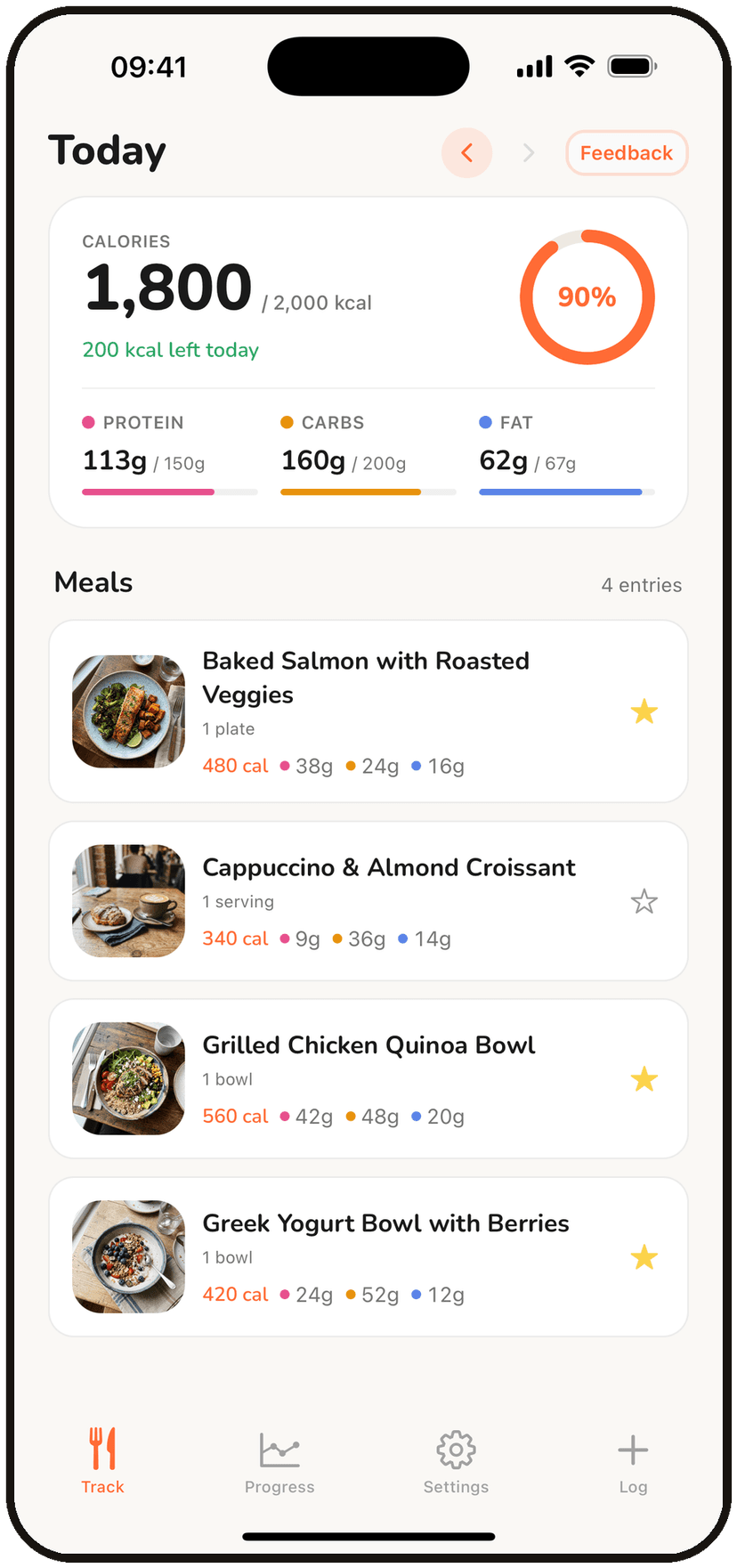
Portion guesses add up fast. BiteKit's AI estimates what's actually on your plate — oils, sides and all — so your log stays close to what you really ate.
- Log meals by photo, voice, or text
- Calories & macros estimated in seconds
- Syncs with Apple Health and Apple Watch
Free download · 3-day free trial, cancel anytime.
Scan with your iPhone camera