AI Meal Prep Optimizer
Plan efficient batch cooking sessions tailored to your macro goals, available time, and cooking equipment. Get optimized cooking schedules, portion guides, storage tips, and shopping lists.
1,000 - 5,000 kcal per day
30 - 400g per day
Select which meals you want to prep
Complete Guide to Meal Prepping
Meal prepping is one of the most effective strategies for maintaining a healthy diet while saving time and money. By dedicating a few hours once or twice a week to cooking, you can enjoy nutritious, home-cooked meals every day without the daily hassle of cooking from scratch.
Save Time
Cooking once for multiple days eliminates the need to cook every night. What would take 30-60 minutes each day becomes a single 2-3 hour session for the whole week.
Stay on Track
When healthy meals are already prepared, you are far less likely to reach for unhealthy alternatives or order takeout. Meal prep makes nutrition goals easier to achieve.
Save Money
Buying ingredients in bulk and cooking at home is significantly cheaper than eating out or ordering delivery. Most people save $50-100+ per week through meal prepping.
Reduce Stress
No more wondering what to eat at the end of a busy day. Your meals are ready to grab and reheat, reducing decision fatigue and mealtime stress.
Best Foods for Meal Prep
Not all foods are created equal when it comes to meal prep. The best choices are those that maintain quality after storage and reheating. Here are the top picks for each category:
Proteins That Prep Well
Chicken breast and thighs, ground turkey, beef roasts, salmon, hard-boiled eggs, and tofu all reheat excellently. Avoid fish fillets that flake apart and breaded items that get soggy.
Carbs That Hold Up
Rice, quinoa, roasted potatoes, sweet potatoes, and whole grain pasta store and reheat well. Avoid delicate grains that become mushy and refined pasta that gets gummy.
Vegetables That Last
Roasted broccoli, green beans, bell peppers, zucchini, and carrots hold up great. Leafy greens should be stored separately and added fresh. Avoid cucumbers and tomatoes that get watery.
Sauces and Flavors
Store sauces separately to prevent sogginess. Oil-based dressings, teriyaki, and marinades work well. Avoid cream-based sauces that separate and fresh herbs that wilt.
Meal Prep Container Guide
The right containers make all the difference in meal prep success. Here is what to look for:
Glass Containers
Durable, microwave-safe, do not stain or retain odors. Heavier and more expensive, but last for years. Best for daily use and those avoiding plastic.
BPA-Free Plastic
Lightweight, affordable, and convenient. Look for microwave-safe and dishwasher-safe labels. Good for those on a budget or who need portability.
Compartmentalized Containers
Keep foods separate until eating time. Great for meals with sauces, salads, or items that should not touch. Popular bento-style options available.
Recommended Sizes
2-3 cup containers for single meals, 4-6 cup for larger portions or family meals, small containers for sauces and snacks. Have at least 10-14 containers for a full week.
How Long Does Meal Prep Last?
Food safety is crucial for successful meal prepping. Here are general guidelines for storage:
Refrigerator Storage
- Cooked chicken/turkey: 3-4 days
- Cooked beef/pork: 3-4 days
- Cooked fish: 2-3 days
- Cooked grains: 4-6 days
- Roasted vegetables: 4-5 days
- Hard-boiled eggs: 7 days
Freezer Storage
- Cooked proteins: 2-3 months
- Cooked grains: 2-3 months
- Soups and stews: 2-3 months
- Casseroles: 2-3 months
- Always label with date!
- Thaw overnight in fridge
Pro tip: Prep meals for Monday-Thursday to refrigerate, and freeze Friday meals. Thaw frozen meals in the refrigerator the night before.
Meal Prep for Weight Loss
Meal prepping is one of the most effective tools for weight loss because it puts you in control of portions and ingredients. Here is how to optimize your prep for weight loss:
Portion Control
Pre-portioned meals eliminate guesswork and overeating. When your container holds exactly what you should eat, there is no temptation for seconds.
Protein Priority
Include 4-6 oz of lean protein in every meal to stay full and preserve muscle. Chicken breast, fish, and lean ground turkey are excellent choices.
Vegetable Volume
Fill half your container with non-starchy vegetables. They add bulk and fiber with minimal calories, helping you feel satisfied on fewer calories.
Track Your Macros
Calculate macros once during prep, then simply log the same meal each day. Our optimizer shows exact macros per container for easy tracking.
Frequently Asked Questions
What is meal prepping and why should I do it?
Meal prepping is preparing meals or components in advance for the week. Benefits include saving time, better portion control, reduced food waste, cost savings, and easier adherence to nutrition goals.
How long does meal prep take?
A typical session takes 1-4 hours depending on meals prepared and experience. Our AI optimizer minimizes time by creating efficient schedules that batch tasks and use parallel cooking.
How long does meal prep last in the refrigerator?
Most foods last 3-4 days refrigerated in airtight containers. Proteins last 3-4 days, while grains and roasted vegetables can last 4-5 days. For longer storage, freeze meals for up to 2-3 months.
What containers should I use for meal prep?
Use airtight, microwave-safe containers. Glass is durable and odor-free, while BPA-free plastic is lightweight and affordable. Compartmentalized containers keep foods separate. Aim for 2-3 cup capacity per meal.
Can I meal prep if I am a beginner cook?
Absolutely! Our optimizer adjusts for skill level. Beginners get simpler recipes with basic cooking methods. Start with baked chicken, simple rice, and steamed vegetables - all easy to master.
How do I reheat meal prepped food?
Most foods reheat well in the microwave for 2-3 minutes, stirring halfway. Add a splash of water to grains to prevent drying. Reheat proteins separately or slice thin for better results.
Free app
You're likely eating 500 calories more than you think
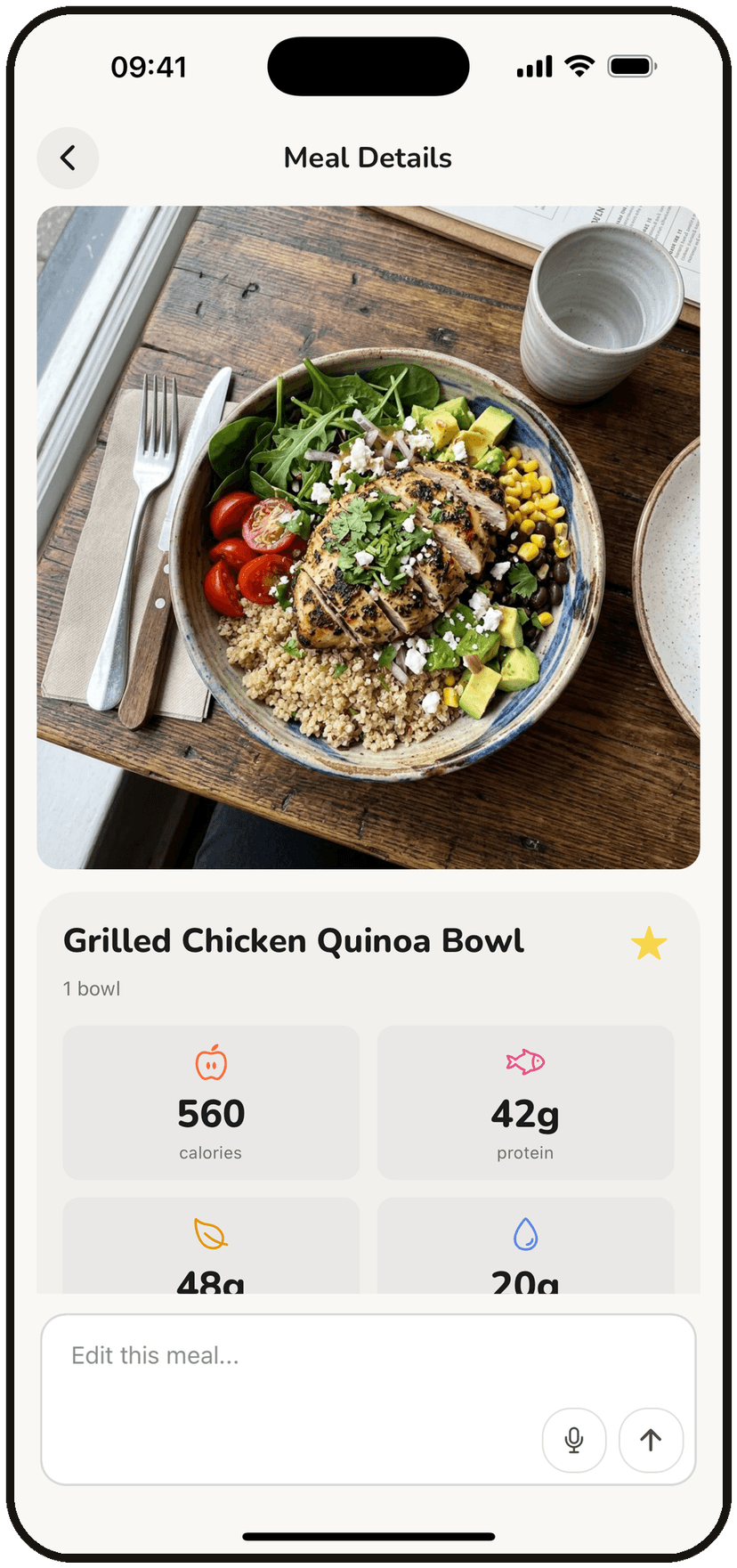
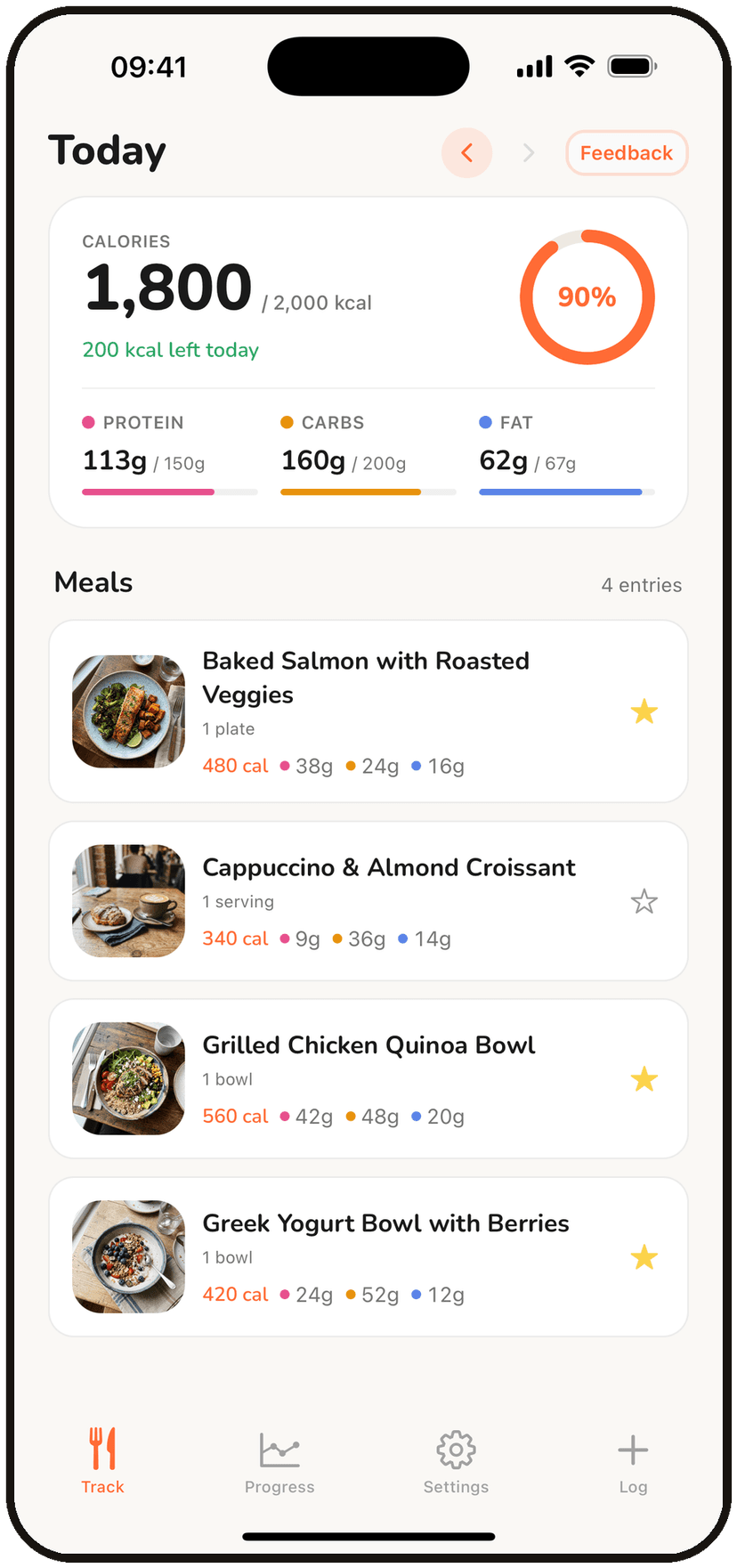
Portion guesses add up fast. BiteKit's AI reads your actual plate, so the number you track is the number you ate.
- Photo, voice, or text input
- Instant calorie & macro tracking
- Private by design — no password required
Free to download. No credit card required.
Scan to get the app