Mediterranean Diet Score Calculator
Score your weekly eating habits on the validated 14-point Mediterranean Diet Adherence scale. Find out how closely you follow the Mediterranean diet and get personalized tips to improve.
Affects the wine consumption scoring threshold.
14-Point Mediterranean Diet Score
Answer all 14 questions about your typical weekly eating habits. Each answer scores 0 or 1 point. A higher score indicates greater adherence to the Mediterranean diet pattern, which is associated with numerous health benefits.
Do you use olive oil as your main cooking fat?
Olive oil should be your primary fat for sauteing, roasting, and dressing.
Yes = 1 point
How many tablespoons of olive oil do you consume per day?
Including oil used in cooking, salads, and bread dipping.
4+ tbsp/day = 1 point
How many servings of vegetables do you eat per day?
One serving = 1 cup raw or 1/2 cup cooked. At least one should be raw or as a salad.
2+ servings/day (at least 1 raw) = 1 point
How many servings of fruit do you eat per day?
One serving = 1 medium fruit or 1/2 cup cut fruit. Fresh fruit juices do not count.
3+ servings/day = 1 point
How much red or processed meat do you eat per day?
Includes beef, pork, lamb, sausage, bacon, hot dogs, and deli meats.
Less than 1 serving/day = 1 point
How much butter, cream, or margarine do you consume per day?
Includes butter in cooking, cream in coffee, and margarine spreads.
Less than 1 serving/day = 1 point
How many sugary drinks do you consume per day?
Includes soda, sweetened teas, energy drinks, and fruit-flavored beverages.
Less than 1/day = 1 point
How many glasses of wine do you drink per week?
One glass = 5 oz (150 ml). Moderate consumption with meals is a traditional Mediterranean practice.
Men: 7-14 glasses/week = 1 point. Women: 3-7 glasses/week = 1 point.
How many servings of legumes do you eat per week?
One serving = 1/2 cup cooked. Includes lentils, chickpeas, beans, and peas.
3+ servings/week = 1 point
How many servings of fish or seafood do you eat per week?
One serving = 3-4 oz (100-150g). Includes all fish, shrimp, mussels, and other seafood.
3+ servings/week = 1 point
How many times per week do you eat commercial pastries?
Includes cookies, cakes, donuts, muffins, and packaged sweets (not homemade).
Less than 3 times/week = 1 point
How many servings of nuts do you eat per week?
One serving = 1 oz (30g) or a small handful. Includes almonds, walnuts, hazelnuts, pistachios, etc.
3+ servings/week = 1 point
Do you prefer chicken or turkey over red meat?
When choosing meat, do you typically reach for poultry instead of beef, pork, or lamb?
Yes = 1 point
How many times per week do you eat sofrito?
Sofrito is a sauce made with tomatoes, garlic, onions, and olive oil, used as a base for many dishes.
2+ times/week = 1 point
What is the Mediterranean Diet?
The Mediterranean diet is an eating pattern inspired by the traditional dietary habits of people living in countries bordering the Mediterranean Sea, particularly Greece, southern Italy, and Spain. It is not a strict diet plan but rather a set of guiding principles centered around whole, minimally processed foods.
The foundation of the diet includes abundant fruits, vegetables, whole grains, legumes, nuts, and olive oil. Fish and seafood are consumed regularly, poultry in moderate amounts, and red meat only occasionally. Wine may be consumed in moderation with meals. The diet is naturally rich in monounsaturated fats, fiber, antioxidants, and anti-inflammatory compounds.
The Mediterranean diet was first described scientifically by Ancel Keys in the 1960s during the Seven Countries Study, which observed that populations around the Mediterranean had significantly lower rates of heart disease compared to Northern European and American populations. Since then, it has become one of the most studied dietary patterns in the world.
Proven Health Benefits of the Mediterranean Diet
The Mediterranean diet is backed by decades of robust scientific research. Here are the key findings:
Heart Health
The PREDIMED trial showed a 30% reduction in major cardiovascular events. The diet lowers LDL cholesterol, blood pressure, and inflammation markers.
Brain Health
Studies show reduced risk of Alzheimer's disease and cognitive decline. The diet's anti-inflammatory and antioxidant compounds protect brain function as you age.
Diabetes Prevention
Research shows a 25-35% reduced risk of developing type 2 diabetes. The high fiber content and healthy fats improve insulin sensitivity and blood sugar control.
Longevity
Mediterranean diet adherence is associated with longer telomeres (a marker of biological aging) and reduced all-cause mortality across multiple large cohort studies.
The Research Behind the Score
The 14-point Mediterranean Diet Score used in this calculator is based on the validated screening tool from the PREDIMED study (Prevencion con Dieta Mediterranea), one of the most important nutrition trials ever conducted. Here are the key studies:
PREDIMED Trial (2013, New England Journal of Medicine)
A landmark randomized controlled trial involving 7,447 participants at high cardiovascular risk. The study demonstrated that a Mediterranean diet supplemented with extra virgin olive oil or nuts reduced major cardiovascular events by approximately 30% compared to a reduced-fat control diet.
Lyon Diet Heart Study (1999)
Found that heart attack survivors who followed a Mediterranean-style diet had a 50-70% lower risk of recurrent heart disease compared to those on a standard Western diet.
Meta-analyses and Systematic Reviews
A 2018 meta-analysis of over 12.8 million participants confirmed that higher Mediterranean diet adherence is associated with reduced risk of overall mortality, cardiovascular disease, cancer, neurodegenerative diseases, and diabetes.
How to Adopt the Mediterranean Diet
Transitioning to a Mediterranean eating pattern does not require an overnight overhaul. Here is a practical, step-by-step approach:
Switch Your Cooking Fat
Replace butter, margarine, and vegetable oils with extra virgin olive oil. This single change impacts two score items and is one of the most impactful shifts you can make.
Fill Half Your Plate with Plants
At every meal, aim to fill at least half your plate with vegetables and fruits. Start with a large salad at lunch and cooked vegetables at dinner. Use our Mediterranean Diet Calculator to find your optimal serving targets.
Eat Fish 3 Times Per Week
Replace some meat-based meals with fish or seafood. Salmon, sardines, mackerel, and anchovies are particularly rich in heart-healthy omega-3 fatty acids. Canned fish is an affordable option.
Snack on Nuts and Legumes
Keep a jar of mixed nuts for snacking and incorporate beans, lentils, and chickpeas into soups, stews, and salads. These are staple Mediterranean protein sources that also provide fiber and minerals.
Start Small
You do not need to change everything at once. Research shows that even improving your Mediterranean Diet Score by 2-3 points is associated with meaningful reductions in cardiovascular risk. Pick the easiest changes from your results and build from there.
Key Mediterranean Diet Food Groups
Understanding the core food groups of the Mediterranean diet helps you make better choices at every meal:
Eat Abundantly
- Extra virgin olive oil (primary fat source)
- Vegetables (especially leafy greens, tomatoes)
- Fruits (3+ servings per day)
- Whole grains (bread, pasta, couscous)
- Legumes (lentils, chickpeas, beans)
- Nuts and seeds (almonds, walnuts)
- Herbs and spices (garlic, basil, oregano)
Eat Moderately
- Fish and seafood (3+ times per week)
- Poultry (chicken, turkey)
- Eggs
- Cheese and yogurt (in moderation)
- Wine (optional, with meals)
Limit or Avoid
- Red and processed meats
- Butter, cream, and margarine
- Sugary drinks and sodas
- Commercial pastries and sweets
- Highly processed foods
- Refined grains and white bread
Frequently Asked Questions
What is the Mediterranean Diet Score (MDS)?
The Mediterranean Diet Score is a validated 14-point questionnaire that measures how closely your eating habits align with the traditional Mediterranean dietary pattern. Each question scores 0 or 1 point, giving a total from 0 (no adherence) to 14 (perfect adherence). It was developed as part of the PREDIMED study, one of the largest nutrition trials ever conducted.
What is a good Mediterranean Diet Score?
A score of 10-14 indicates high adherence and is associated with the greatest health benefits. A score of 6-9 is moderate adherence, meaning you follow many Mediterranean principles but have room to improve. A score of 0-5 indicates low adherence and suggests significant dietary changes could benefit your health.
What are the health benefits of the Mediterranean diet?
Research has shown the Mediterranean diet is associated with a 25-30% reduced risk of cardiovascular events, lower rates of type 2 diabetes, reduced cognitive decline, lower cancer risk, and increased longevity. The PREDIMED trial demonstrated a 30% reduction in major cardiovascular events among high-risk individuals.
Why does the wine question differ between men and women?
Men and women metabolize alcohol differently. The scoring thresholds reflect moderate consumption levels: 7-14 glasses per week for men and 3-7 glasses per week for women. If you do not drink alcohol, there is no need to start — you can still achieve a high score on the other 13 items.
Is this score scientifically validated?
Yes. The 14-point scoring system is based on the validated screener from the PREDIMED study, published in the New England Journal of Medicine. It has been used in hundreds of research publications and is widely accepted in nutritional epidemiology as a reliable measure of Mediterranean diet adherence.
How can I improve my Mediterranean Diet Score?
Start with the easiest changes: switch to olive oil as your primary cooking fat, add more vegetables and fruits to each meal, eat fish 3+ times per week, and include nuts and legumes regularly. After calculating your score, check the personalized improvement tips for each item you scored 0 on. Even improving by 2-3 points provides measurable health benefits.
iPhone app · 3-day free trial
You're likely eating 500 calories more than you think
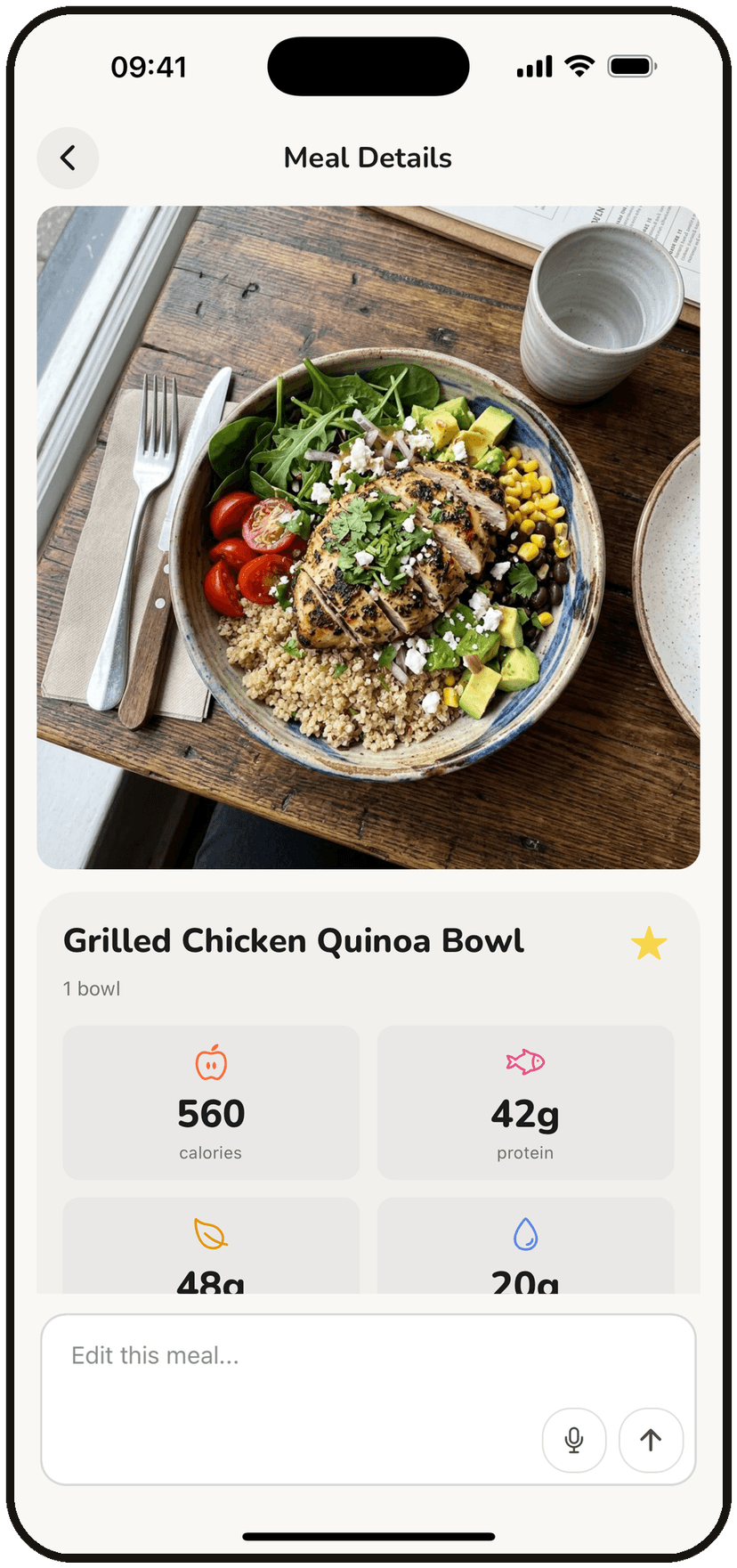
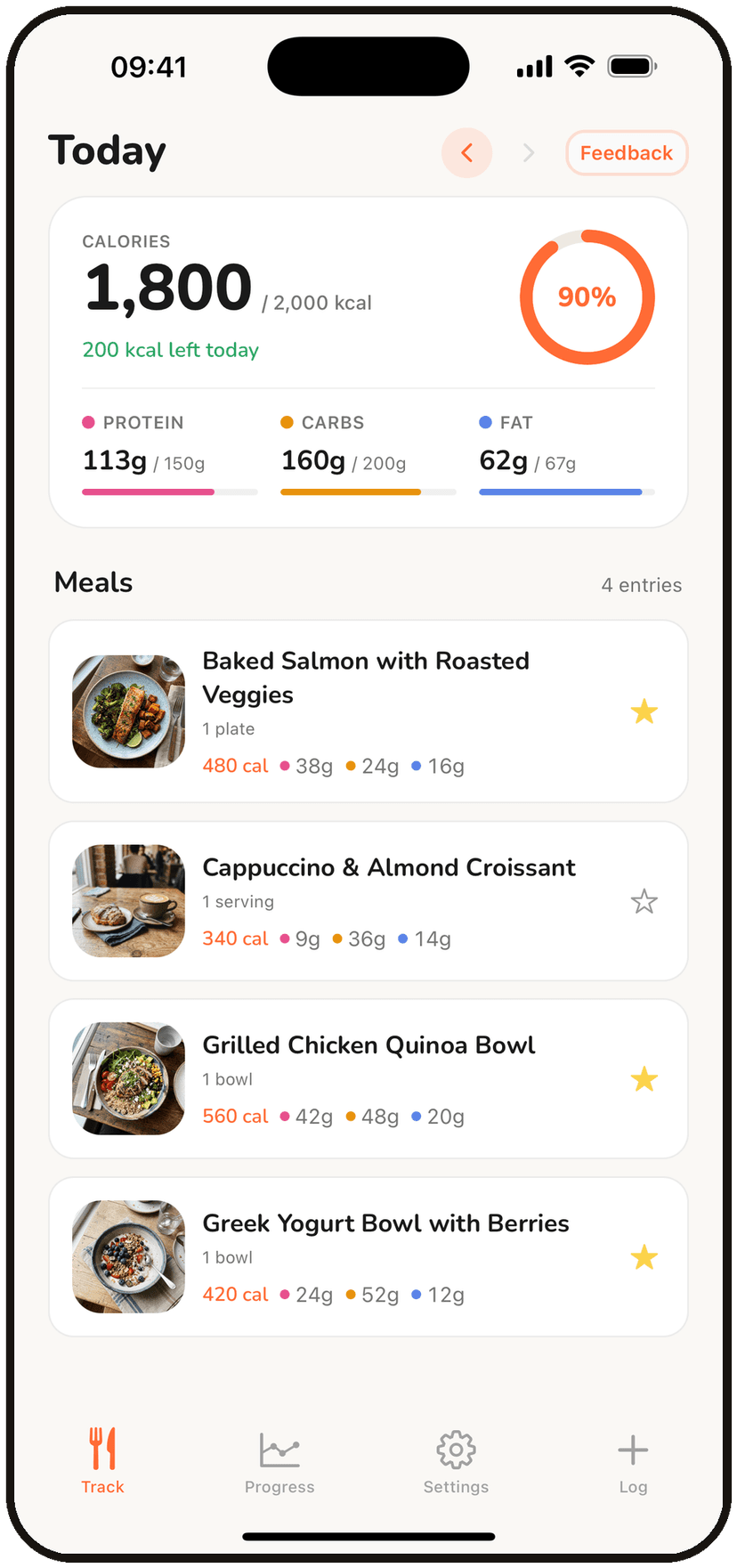
Portion guesses add up fast. BiteKit's AI estimates what's actually on your plate — oils, sides and all — so your log stays close to what you really ate.
- Log meals by photo, voice, or text
- Calories & macros estimated in seconds
- Syncs with Apple Health and Apple Watch
Free download · 3-day free trial, cancel anytime.
Scan with your iPhone camera