Menopause Nutrition Calculator
Get personalized calorie, protein, calcium, and vitamin D targets adjusted for your menopausal stage. Designed to support muscle preservation, bone health, and weight management through hormonal changes.
Why Menopause Changes Your Nutrition Needs
Menopause is not a single event but a gradual hormonal transition spanning years. Estrogen and progesterone levels decline progressively, triggering a cascade of metabolic changes that directly affect calorie needs, muscle mass, bone density, and nutrient absorption. Understanding these changes allows you to adjust your diet proactively rather than reactively.
Metabolic Slowdown
Declining estrogen reduces muscle mass and shifts fat distribution toward the abdomen. Because muscle burns more calories than fat, this body composition change reduces daily calorie burn by 150–300 calories compared to premenopause.
Accelerated Bone Loss
Estrogen helps maintain bone density by slowing the activity of osteoclasts (bone-resorbing cells). In the first 5–7 years after menopause, women can lose 1–2% of bone density per year, making calcium and vitamin D intake critical.
Sarcopenia Risk
The combination of estrogen decline, reduced anabolic hormones, and aging accelerates muscle loss (sarcopenia). Higher protein intake (1.2–1.6g/kg) combined with resistance training is the most effective strategy to preserve muscle mass.
Cardiovascular Risk
Estrogen has cardioprotective effects. Post-menopause, LDL cholesterol tends to rise and HDL may fall, increasing cardiovascular risk. An anti-inflammatory diet rich in omega-3s, fiber, and antioxidants becomes especially important.
Protein: Your Most Powerful Anti-Aging Tool
The standard protein recommendation of 0.8g/kg body weight is inadequate for menopausal women. Multiple studies support 1.2–1.6g/kg as a minimum, with women actively trying to preserve or build muscle benefiting from 1.6–1.8g/kg. Protein not only supports muscle but also helps maintain bone matrix, immune function, and satiety — all important considerations during menopause.
High-Protein Food Examples
Bone Health Nutrition Strategy
Osteoporosis risk increases dramatically after menopause. While estrogen decline is the primary driver, inadequate calcium, vitamin D, and vitamin K2 compound the risk. A comprehensive bone-health nutrition strategy includes multiple nutrients working together.
Calcium (1,200mg/day post-menopause)
Calcium is the primary structural mineral in bone. Food sources are preferable to supplements because they come with co-factors that improve absorption. Absorption is better in amounts under 500mg at one time, so spread intake across meals.
Vitamin D (1,000–2,000 IU/day)
Without sufficient vitamin D, the body can only absorb 10–15% of dietary calcium. Vitamin D also supports muscle strength, reducing fall and fracture risk. Most people benefit from supplementation since very few foods contain meaningful amounts and sun exposure is limited in many climates.
Vitamin K2 (90–180mcg/day)
K2 activates osteocalcin, a protein that binds calcium into bone matrix rather than allowing it to deposit in arteries. Found in fermented foods (natto, aged cheeses) and available as MK-7 supplements. K2 does not interfere with calcium absorption — it directs calcium to the right place.
Magnesium (320mg/day)
Magnesium is needed to activate vitamin D and plays a direct role in bone crystal formation. It also supports sleep quality (often disrupted by menopause), muscle function, and mood stability. Magnesium glycinate or malate are the most bioavailable forms.
Fiber, Gut Health, and Weight Management
A minimum of 25g of dietary fiber per day is recommended for menopausal women, with many women benefiting from 30–35g. Fiber supports multiple menopause-specific concerns:
- 1Weight management: Fiber increases satiety, slows glucose absorption, and reduces overall calorie intake — critical when metabolism has slowed.
- 2Estrogen metabolism: Soluble fiber binds estrogen metabolites in the gut, supporting healthy estrogen clearance and potentially reducing certain hormone-dependent risks.
- 3Cardiovascular health: Soluble fiber (oats, beans, psyllium) reduces LDL cholesterol, supporting the heart health that becomes more vulnerable post-menopause.
- 4Gut microbiome: The gut microbiome shifts during menopause. A diverse fiber intake supports a healthy microbiome, which influences estrogen metabolism, immune function, and mood.
Frequently Asked Questions
How many calories should I eat during menopause?
Calorie needs decrease during menopause due to metabolic slowdown from declining estrogen and age-related muscle loss. This calculator applies a 50-calorie reduction for perimenopause and a 100-calorie reduction for menopause/postmenopause on top of your standard TDEE. The actual reduction varies by age and body composition, which is why goal-specific adjustments are also included.
How much protein do women need during menopause?
The standard RDA of 0.8g/kg is not enough during menopause. Research consistently supports 1.2–1.6g/kg to combat sarcopenia and preserve bone matrix. Women focused on muscle preservation should target 1.4–1.8g/kg, spread across 3–4 meals with 25–40g protein per meal for optimal muscle protein synthesis.
How much calcium do I need during menopause?
1,200mg/day is recommended from perimenopause onward (vs. 1,000mg premenopause). Food sources are preferred — dairy, fortified foods, leafy greens, tofu, and canned fish with bones are excellent options. Calcium is best absorbed in doses under 500mg at one time, so spread intake across meals rather than taking a large supplement at once.
Why does metabolism slow down during menopause?
Estrogen regulates fat distribution, muscle mass, and metabolic rate. As it declines, muscle mass decreases and visceral fat increases — and muscle burns significantly more calories than fat. Aging itself further reduces metabolism by approximately 2–3% per decade after 50. Together, these changes can lower daily calorie needs by 150–300 calories.
Can diet help reduce hot flashes?
Yes. Phytoestrogen-rich foods — especially soy (edamame, tofu, soy milk) — have the most clinical evidence, with studies showing 20–45% reduction in hot flash frequency at 40–80mg isoflavones/day. Flaxseed, legumes, and sesame seeds also contain phytoestrogens. Avoiding triggers like alcohol, caffeine, and spicy foods can further help. Maintaining a healthy weight is also strongly associated with fewer and milder hot flashes.
Do I need vitamin D supplements during menopause?
Most menopausal women benefit from vitamin D supplementation since very few foods contain meaningful amounts and sun exposure is often insufficient. For women not using HRT, 1,000–2,000 IU/day is commonly recommended — estrogen normally supports vitamin D metabolism, so its absence increases the need. Getting a 25(OH)D blood test and targeting serum levels of 40–60 ng/mL is the most accurate approach.
iPhone app · 3-day free trial
You're likely eating 500 calories more than you think
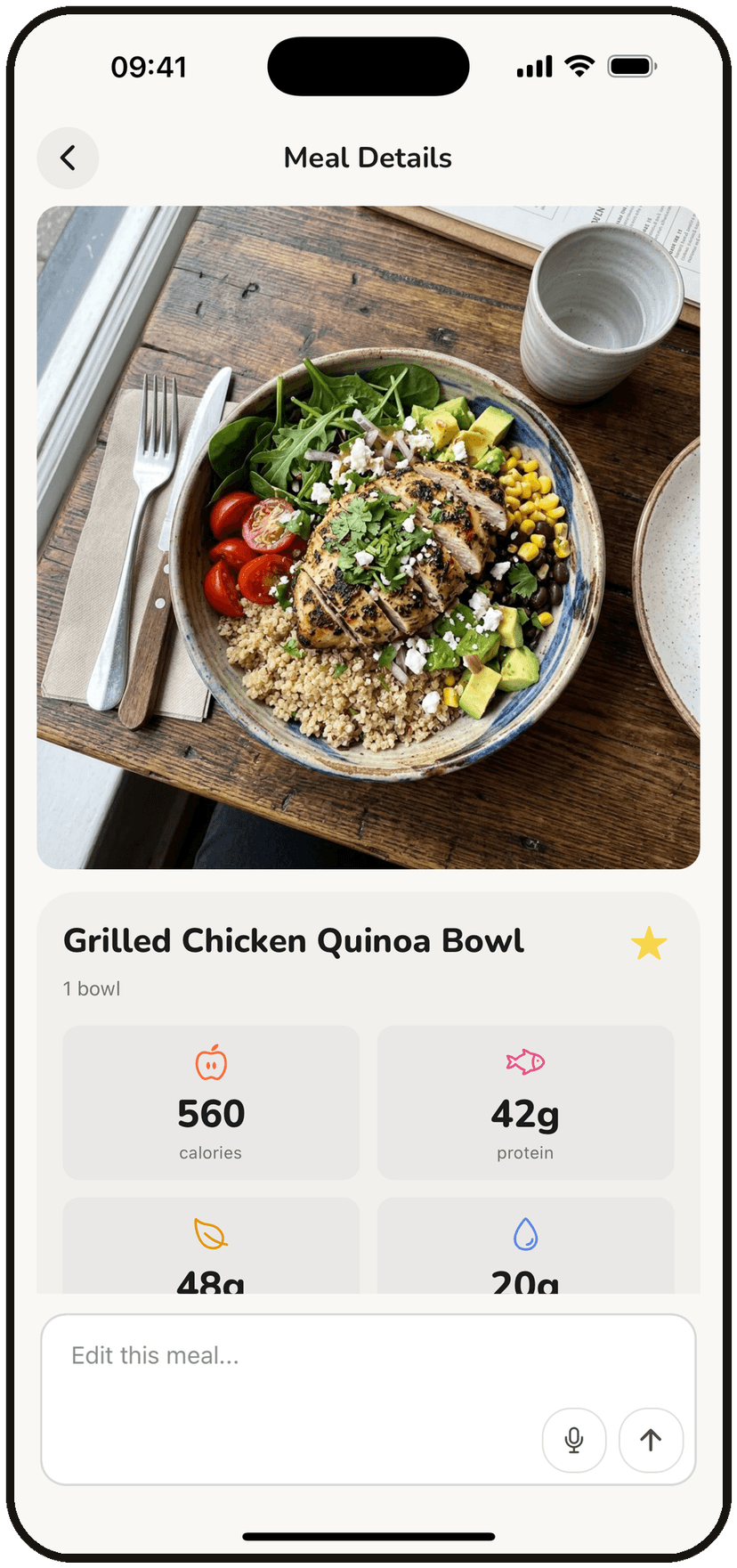
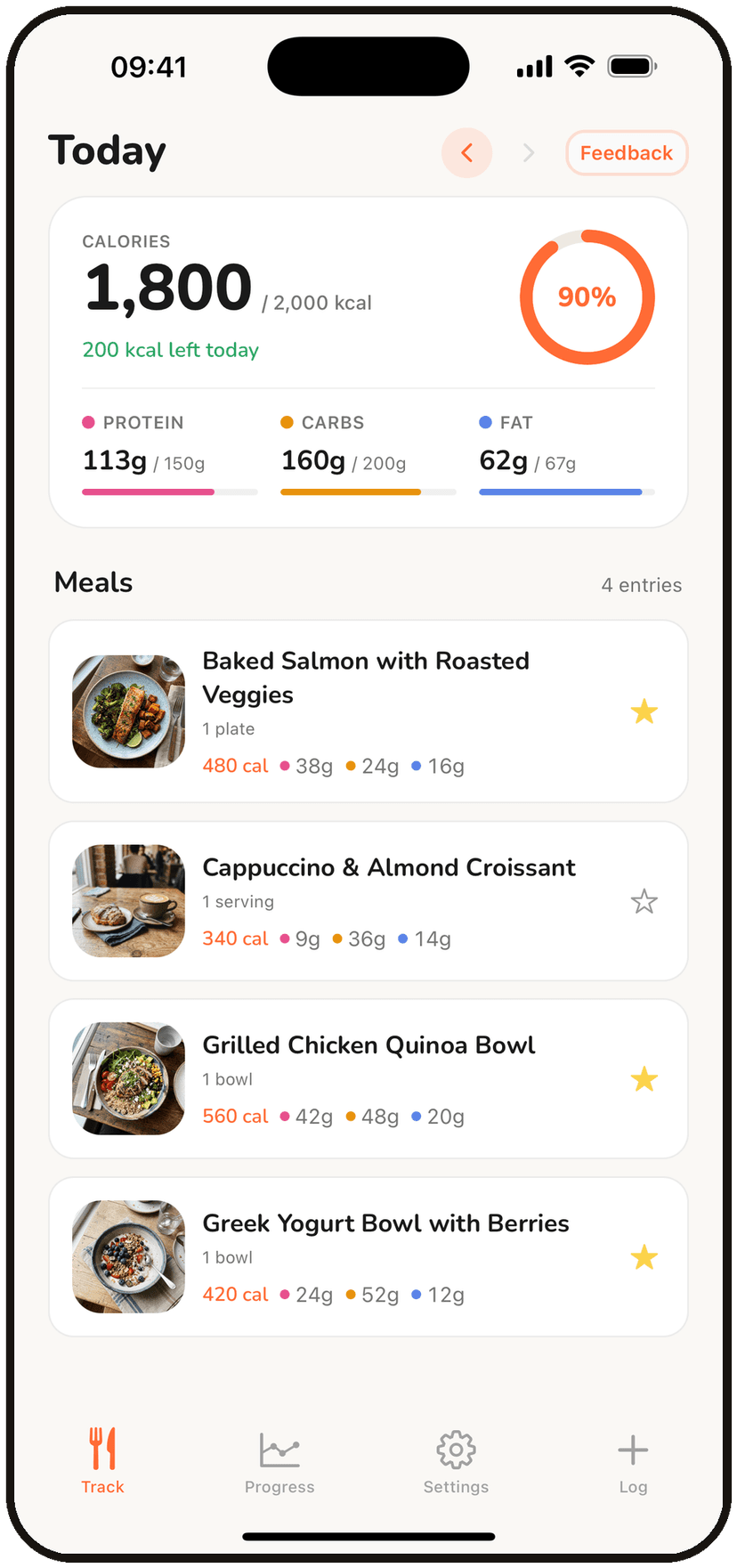
Portion guesses add up fast. BiteKit's AI estimates what's actually on your plate — oils, sides and all — so your log stays close to what you really ate.
- Log meals by photo, voice, or text
- Calories & macros estimated in seconds
- Syncs with Apple Health and Apple Watch
Free download · 3-day free trial, cancel anytime.
Scan with your iPhone camera