Muscle Maintenance Calculator
Calculate the minimum protein and calorie intake needed to preserve your muscle mass during injury, travel, busy periods, or any time you can't train at full capacity.
If known, this improves lean mass estimation. Otherwise we estimate from your stats.
The Science of Muscle Loss During Time Off
The fear of losing muscle during time off is one of the biggest anxieties in fitness. But the science paints a much more reassuring picture than most people expect. Understanding what actually happens to your muscles during periods of reduced training helps you plan smarter and stress less.
When you stop training, the first changes you notice are not actual muscle loss. In the first 1-2 weeks, your muscles lose glycogen (stored carbohydrate) and the water bound to it. This makes muscles appear smaller and softer, but the contractile proteins that make up true muscle tissue are largely intact. It is the equivalent of a sponge losing water - the sponge itself has not shrunk.
Weeks 1-2: Mostly Cosmetic
Glycogen and water loss make muscles look smaller. Strength may decrease slightly due to neural detraining (your brain is less practiced at recruiting muscle fibers), not because of actual tissue loss. No significant muscle protein breakdown occurs.
Weeks 3-4: Slow Decline Begins
Measurable decreases in muscle protein synthesis begin, but the rate depends heavily on nutrition. Studies show high-protein diets (1.6-2.2g/kg) can reduce muscle protein breakdown by up to 50% compared to low-protein diets during inactivity.
Why Protein Needs Increase During Reduced Training
It seems counterintuitive, but your protein needs may actually be higher during periods of inactivity, not lower. This is because of a phenomenon called “anabolic resistance” - when muscles are not being stimulated through training, they become less responsive to the muscle-building signal from dietary protein.
To overcome this resistance, you need a higher dose of protein per meal and per day. Research suggests 1.6 to 2.2 grams of protein per kilogram of body weight during reduced training periods, with the higher end being more appropriate for complete inactivity, older adults, and those in a caloric deficit.
The Leucine Threshold
Each meal needs to contain enough leucine (an essential amino acid) to trigger muscle protein synthesis. The threshold is approximately 2.5-3 grams of leucine per meal, which translates to roughly 25-40 grams of high-quality protein per sitting. During reduced training, hitting this threshold at every meal becomes even more critical.
Protein Distribution Matters More
Without the strong anabolic stimulus of training, you rely more heavily on dietary protein to maintain muscle protein synthesis throughout the day. Spreading protein across 3-5 meals ensures you are consistently above the leucine threshold, which is more effective than eating the same total protein in 1-2 large meals.
Best Protein Sources During Time Off
Prioritize leucine-rich protein sources: whey protein, eggs, chicken breast, Greek yogurt, cottage cheese, beef, and fish. These provide the highest leucine content per gram of protein, making it easier to trigger muscle protein synthesis at each meal.
Calorie Management: Do Not Cut Too Aggressively
A common mistake during time off from training is dramatically cutting calories to prevent fat gain. While a modest reduction makes sense (you are burning fewer calories without training), an aggressive deficit will accelerate muscle loss and impair recovery.
The ideal approach is to reduce calories by 10-15% below your normal training TDEE, primarily by reducing carbohydrates. This creates a small enough deficit to limit fat gain while providing enough energy for tissue maintenance and recovery. Remember: the goal during reduced training is preservation, not transformation.
The cardinal rule
Never combine time off from training with an aggressive calorie deficit. If you are not stimulating your muscles through training, your body has less reason to preserve muscle tissue. Adding a steep calorie deficit on top of inactivity is the fastest path to muscle loss. Stay at or near maintenance calories, and let the return to training handle any body composition changes.
Muscle Memory: Why Regain Is Faster Than Building
Muscle memory is not just a concept - it is a documented biological phenomenon. When you build muscle through resistance training, your muscle fibers acquire additional nuclei (myonuclei) from satellite cells. These nuclei are the “command centers” that drive protein synthesis and muscle growth.
The key discovery is that these extra nuclei are permanent. Even when muscle fibers shrink during periods of inactivity, the nuclei remain. When training resumes, these retained nuclei allow the muscle to regrow much faster than building it from scratch, typically 2-3 times faster.
2-3x
Faster regain vs original building
Permanent
Myonuclei retention in muscle fibers
1/3
Volume needed to maintain muscle
How Little Training Do You Actually Need?
Research consistently shows that maintaining muscle requires far less training volume than building it. While building muscle typically requires 10-20 hard sets per muscle group per week, maintaining it requires as few as one-third of that volume.
Intensity Over Volume
The single most important factor for muscle maintenance is keeping the weight on the bar close to your normal training loads. You can cut sets and frequency dramatically, but reducing intensity (weight) is the fastest way to lose muscle. Even 1-2 heavy sets per exercise, once per week, sends a strong maintenance signal.
Full-Body Sessions Work Best
When training time is limited, full-body sessions are more effective than split routines. Two 30-minute full-body sessions per week, hitting each major muscle group with 2-3 hard sets, is sufficient to maintain nearly all your muscle mass.
Bodyweight Training Counts
If you cannot access a gym, challenging bodyweight exercises still provide a maintenance stimulus. Push-ups, pull-ups, single-leg squats, and dips performed near failure can preserve a significant portion of your muscle mass, especially for upper body muscles.
Frequently Asked Questions
How quickly do you lose muscle when you stop training?
True muscle protein loss is much slower than the visual changes suggest. In the first 1-2 weeks, what you notice is primarily reduced glycogen and water, not actual muscle tissue loss. Significant muscle atrophy typically does not begin until 3-4 weeks of complete inactivity, and high protein intake dramatically slows this process.
How much protein to maintain muscle without training?
Aim for 1.6-2.2 grams of protein per kilogram of body weight per day, distributed across 3-5 meals. This is slightly higher than normal training recommendations because of anabolic resistance during inactivity. For a 180 lb person, that is about 130-180g of protein daily.
Should I cut calories during time off from the gym?
Only modestly. A small 10-15% reduction from your training TDEE accounts for lower activity levels. Avoid aggressive calorie cuts during time off, as this accelerates muscle loss. The priority is muscle preservation, and that requires adequate total energy alongside high protein.
What is the minimum training to maintain muscle?
As little as one-third of your normal training volume at the same intensity (weight). That could be 2 full-body sessions per week with 2-3 hard sets per muscle group. The key is maintaining heavy loads, even with fewer sets. Reducing intensity is worse for muscle retention than reducing volume.
Does muscle memory really help you regain muscle faster?
Yes. Muscle memory is scientifically documented. When you build muscle, your fibers gain permanent extra nuclei that are retained even during atrophy. These nuclei allow muscle to regrow 2-3 times faster than building from scratch. The more years you have trained, the stronger your muscle memory.
Should I keep taking creatine during time off?
Yes. Continuing creatine (5g/day) during reduced training helps maintain intramuscular creatine stores and may help preserve muscle mass. Combined with vitamin D (2,000-4,000 IU) and omega-3 fatty acids (2-3g EPA/DHA), these supplements form a strong evidence-based stack for muscle preservation.
iPhone app · 3-day free trial
You're likely eating 500 calories more than you think
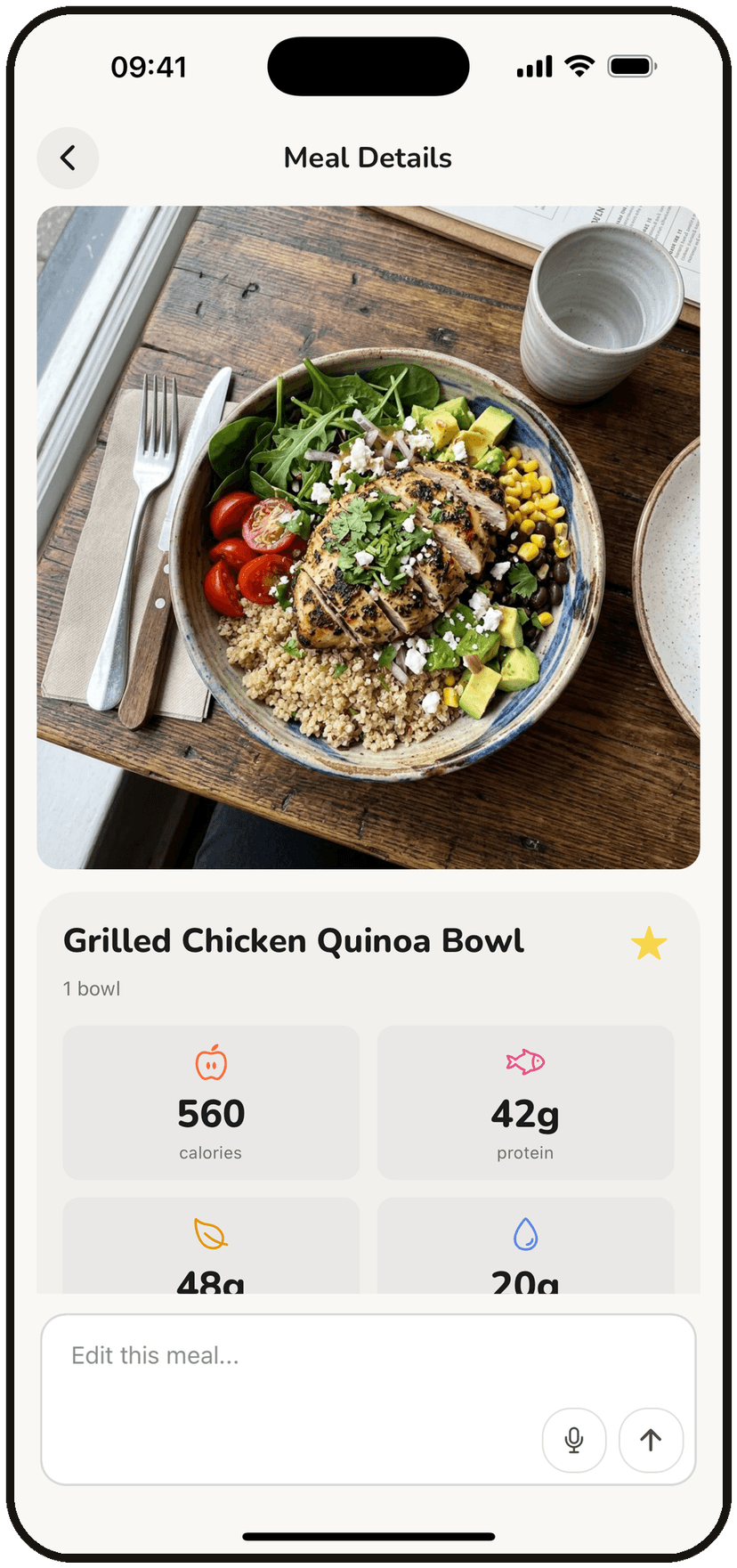
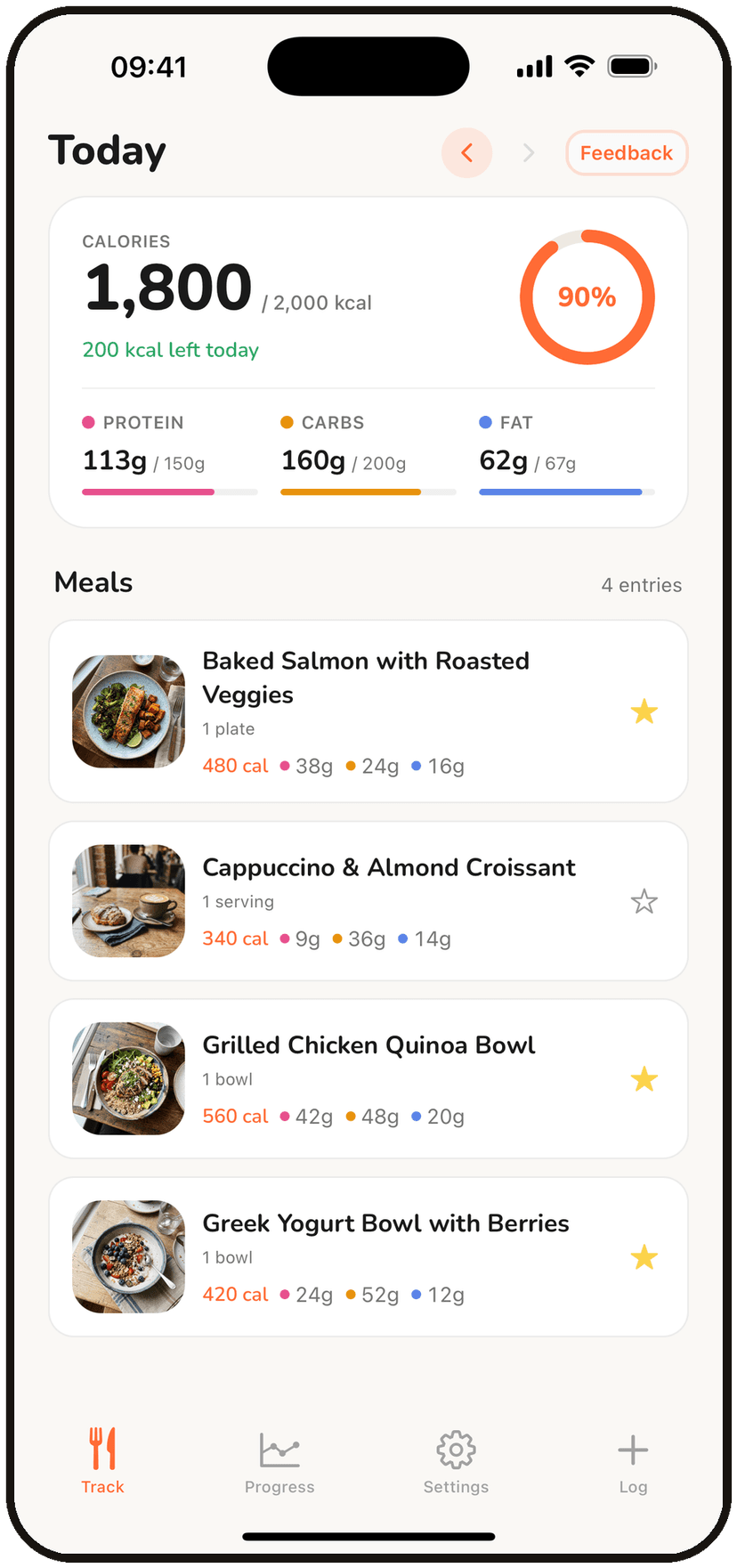
Portion guesses add up fast. BiteKit's AI estimates what's actually on your plate — oils, sides and all — so your log stays close to what you really ate.
- Log meals by photo, voice, or text
- Calories & macros estimated in seconds
- Syncs with Apple Health and Apple Watch
Free download · 3-day free trial, cancel anytime.
Scan with your iPhone camera