NEAT Calculator
Calculate calories burned from daily non-exercise movement — standing desk, walking pad, fidgeting, chores — and discover how small habit changes compound into real fat loss.
Understanding NEAT and Why It Matters
Non-Exercise Activity Thermogenesis (NEAT) is the energy expended during all physical activity outside of sleeping, eating, and intentional exercise. It is the most variable component of your total daily energy expenditure and one of the biggest differentiators between people who maintain their weight easily and those who struggle.
The Four Components of TDEE
Your Total Daily Energy Expenditure (TDEE) is composed of:
- BMR (Basal Metabolic Rate) — calories burned at complete rest to maintain basic body functions. Typically 60–70% of TDEE.
- Thermic Effect of Food (TEF) — energy used to digest, absorb, and metabolize food. About 10% of TDEE.
- Exercise Activity Thermogenesis (EAT) — calories burned during planned workouts. Highly variable, typically 5–15% of TDEE for moderate exercisers.
- NEAT — everything else. For active people, this can exceed 50% of total calorie burn.
Why NEAT Varies So Much Between People
Research by Dr. James Levine at the Mayo Clinic found that NEAT can differ by up to 2,000 calories per day between two people of similar size, primarily due to occupation, natural inclination to move, and habitual lifestyle choices. A construction worker and an office worker of the same weight can have wildly different energy needs simply because of daily movement — not gym sessions.
Fidgeting alone accounts for 100–300 extra calories per day in naturally restless individuals — a compelling reason why some people can seem to eat anything without gaining weight.
How to Increase Your NEAT Without Going to the Gym
The beauty of NEAT is that it does not require dedicated workout time. Small, consistent changes accumulate into meaningful calorie deficits:
- Walking pad / treadmill desk — one of the most effective NEAT upgrades. Two hours at 1.5–2 mph while working burns 200–280 extra calories without disrupting productivity.
- Standing desk — less impactful than walking but still meaningful at scale. Four hours of standing per day adds roughly 200 calories.
- Taking the stairs — each floor climbed burns about 10 calories. Ten floors per day adds 100 calories and takes less than two minutes.
- Parking farther away — a small five-minute walk adds about 25 calories. Simple habit, zero willpower required.
- Active chores — vacuuming, mopping, cooking, and washing dishes burn 150–200 calories per hour. A clean house and a leaner body go together.
NEAT Suppression: Why Dieting Can Backfire
One reason people plateau on calorie-restricted diets is NEAT suppression. When calorie intake drops, the body unconsciously reduces spontaneous movement — you fidget less, sit more, take the elevator instead of the stairs — burning fewer calories without realizing it. This metabolic adaptation can reduce TDEE by 200–400 calories in addition to BMR downregulation.
Deliberately tracking and maintaining NEAT habits during a cut — using a walking pad, setting movement reminders, or committing to daily step goals — is one of the best strategies to counteract this adaptation and keep the deficit intact.
Using This Calculator With Your TDEE
This NEAT calculator gives you the activity-based component of your NEAT — the extra calories on top of your occupation baseline. To get your full daily calorie picture:
- Use the TDEE Calculator to estimate your maintenance calories based on your activity level.
- Use this NEAT calculator to understand how specific movement habits contribute to that number.
- If you want to lose weight, identify NEAT activities you can realistically add to your day.
- Monitor your results over 4–6 weeks and adjust based on actual weight changes.
Frequently Asked Questions
What is NEAT (Non-Exercise Activity Thermogenesis)?
NEAT stands for Non-Exercise Activity Thermogenesis — the calories you burn through all movement that is not deliberate exercise. This includes walking around the house, standing at your desk, fidgeting, doing chores, gardening, playing with kids, and even taking stairs. NEAT is one of the most variable components of TDEE and can differ by 1,000–2,000 calories per day between individuals of the same body weight.
How many calories does standing at a desk burn?
Standing burns roughly 50 extra calories per hour compared to sitting. For a 170 lb (77 kg) person using a standing desk for 4 hours per day, that is about 200 extra calories daily — or approximately 1,400 per week. While modest, this compounds significantly over months without any formal exercise.
How many calories does a walking pad burn?
A walking pad at 1.5–2 mph burns approximately 90–140 calories per hour depending on your body weight. At a moderate pace for 2 hours while working, a 170 lb person can burn an additional 200–280 calories — a significant and sustainable NEAT boost.
Can increasing NEAT help with weight loss without a gym?
Yes. Increasing NEAT is one of the most sustainable ways to create a calorie deficit. Adding 300–500 extra calories of NEAT per day creates a weekly deficit of 2,100–3,500 calories, translating to roughly 0.6–1 lb of fat loss per month without changing exercise or diet.
How accurate is this NEAT calculator?
The calculator uses MET (Metabolic Equivalent of Task) values from validated exercise science research, scaled to your body weight using: calories = MET × weight_kg × hours. MET values are population averages, so individual results vary based on fitness level and intensity. Use the results as directional guidance — the relative differences and weekly projections are the most actionable outputs.
What is the relationship between NEAT and TDEE?
TDEE is made up of BMR, the Thermic Effect of Food, Exercise Activity, and NEAT. For sedentary people, NEAT may be only 15% of TDEE; for very active individuals it can exceed 50%. NEAT is the most adjustable lever for changing calorie burn without formal exercise.
Related Tools
iPhone app · 3-day free trial
You're likely eating 500 calories more than you think
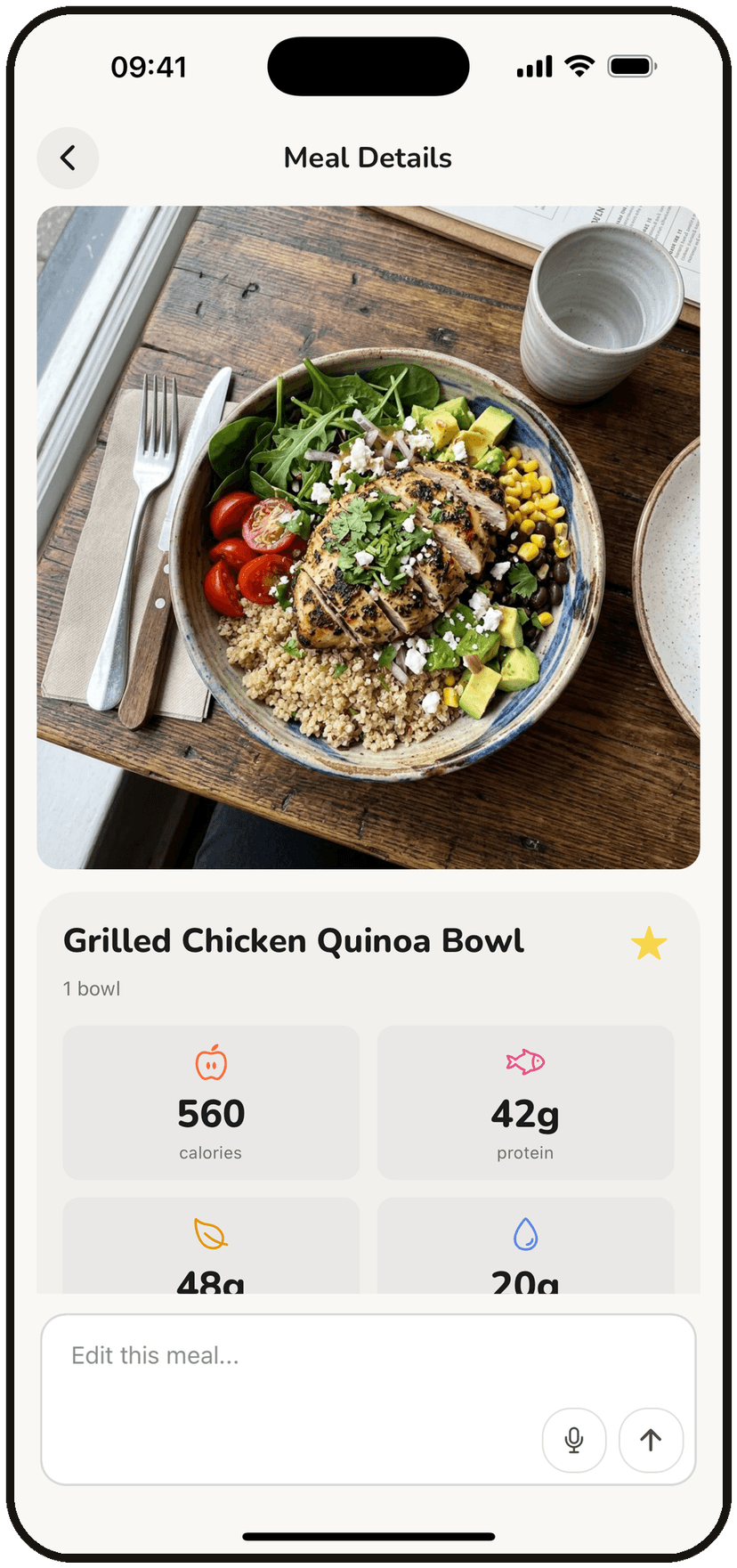
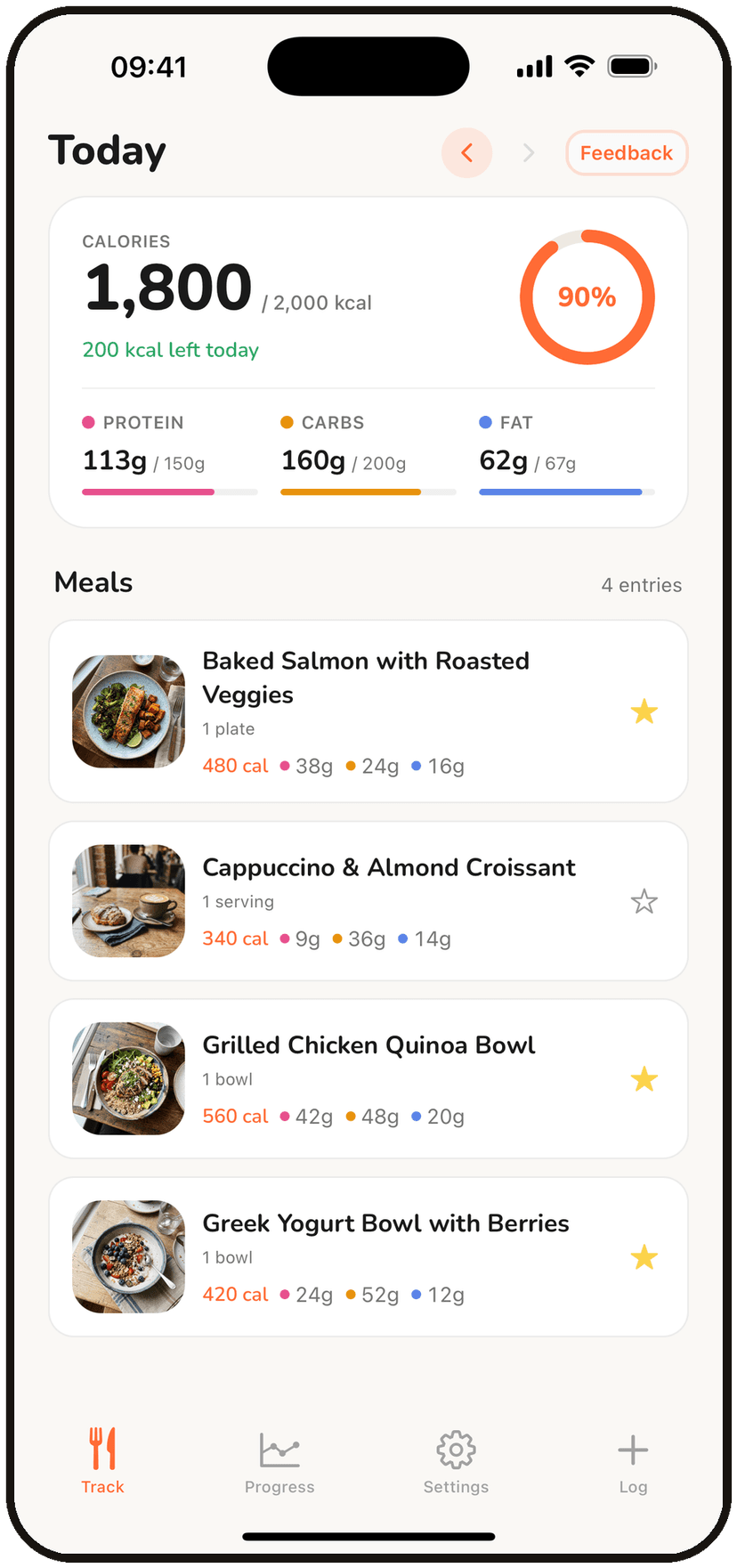
Portion guesses add up fast. BiteKit's AI estimates what's actually on your plate — oils, sides and all — so your log stays close to what you really ate.
- Log meals by photo, voice, or text
- Calories & macros estimated in seconds
- Syncs with Apple Health and Apple Watch
Free download · 3-day free trial, cancel anytime.
Scan with your iPhone camera