OMAD Calculator
Calculate your calorie, macro, and micronutrient targets for the One Meal a Day diet. Get a structured meal template and eating window to make every bite count.
What is OMAD?
OMAD (One Meal a Day) is an extreme form of intermittent fasting where all of your daily calories are consumed within a single meal, typically within a 1–2 hour eating window. The remaining 22–23 hours of the day are spent fasting. It's one of the most restrictive time-restricted eating protocols, going beyond the popular 16:8 and 18:6 fasting patterns.
OMAD has gained popularity for its simplicity — no meal prep for breakfast and lunch, no calorie counting across multiple meals, and potentially powerful metabolic effects from an extended daily fast. However, it requires careful planning to meet all nutritional needs in a single sitting.
How Your OMAD Calorie Target Is Calculated
Your OMAD calorie target is your full daily energy requirement consumed in one meal. The calculator uses the Mifflin-St Jeor equation — the most validated formula for estimating Basal Metabolic Rate (BMR) — then multiplies by your activity level to get your TDEE:
Mifflin-St Jeor Equation
Men: BMR = (10 x weight kg) + (6.25 x height cm) - (5 x age) + 5
Women: BMR = (10 x weight kg) + (6.25 x height cm) - (5 x age) - 161
TDEE = BMR x Activity Multiplier
OMAD Meal Calories = TDEE (adjusted for goal)
Weight Loss
TDEE minus 500 calories for ~1 lb/week loss
Maintenance
Eat at your TDEE to maintain current weight
Weight Gain
TDEE plus 300 calories for lean muscle gain
OMAD Macros: Why Protein Matters More
On OMAD, the macro split differs from typical diets because you have only one opportunity to trigger muscle protein synthesis and meet your daily protein needs. Research suggests that muscle protein synthesis is maximized by consuming 30–50g of leucine-rich protein per sitting, but having a higher total daily protein intake provides a buffer for the inefficiency of single-meal protein distribution.
OMAD-Specific Macro Guidelines
- Protein: 0.7–1.0g per lb body weight (calculator uses 0.85g — the recommended midpoint for muscle preservation)
- Fat: ~35% of remaining calories after protein (supports hormone production and fat-soluble vitamin absorption critical on OMAD)
- Carbohydrates: Remaining calories (prioritize fiber-rich complex carbs for the 25–38g daily fiber target)
Meeting Micronutrient Needs in One Meal
The biggest nutritional challenge of OMAD is meeting all micronutrient requirements in a single meal. Deficiencies are common when OMAD meals are poorly planned. Here are the critical nutrients to prioritize and the best food sources:
Fiber (25–38g)
Essential for gut health, blood sugar regulation, and satiety. Difficult to hit in one meal — prioritize legumes, broccoli, and whole grains.
Calcium (1000–1200mg)
The most commonly deficient nutrient on OMAD. Include dairy, fortified plant milk, or canned fish with bones. One cup of milk provides ~300mg.
Iron (8–18mg)
Women need more than men. Combine heme iron sources (red meat, shellfish) with vitamin C-rich foods to maximize absorption.
Vitamin D (600–800 IU)
Difficult to get from food alone. Fatty fish, egg yolks, and fortified foods help, but many OMAD practitioners supplement vitamin D.
Magnesium (310–420mg)
Important for sleep quality and muscle function — both critical during extended fasting. Pumpkin seeds, spinach, and dark chocolate are excellent sources.
Potassium (2600–3400mg)
Electrolyte balance is important during prolonged fasting. Avocado (975mg), sweet potato (950mg), and salmon help meet the daily target in one meal.
Choosing Your OMAD Eating Window
Unlike 16:8 or 18:6 intermittent fasting, OMAD's eating window is typically just 1 hour. Choosing the right time depends on your lifestyle, hunger patterns, and social schedule:
Lunch Window
Pros: Fuels afternoon productivity, breaks the overnight fast at a natural mealtime
Cons: Long evening hunger, may disrupt social dinners
Early Dinner Window
Pros: Allows good digestion before bed, aligns with most social eating
Cons: Long fasting period through the workday
Dinner Window (Most Common)
Pros: Maximum fast duration benefits, social flexibility, no hunger during work hours for most
Cons: Eating close to bedtime — allow 2–3 hours before sleep
Who Should Avoid OMAD
OMAD is an advanced dietary protocol and is not appropriate for everyone. Avoid OMAD if you:
- Have a history of eating disorders or disordered eating patterns
- Are under 18 years old (growing bodies need regular nutrition)
- Have type 1 or type 2 diabetes or insulin resistance
- Take medications that require food
- Have a history of hypoglycemia (low blood sugar)
- Are extremely active or an athlete with high daily energy demands
- Are underweight or have a history of malnutrition
Always consult a healthcare provider or registered dietitian before starting OMAD, especially if you have any underlying health conditions.
Frequently Asked Questions
What is OMAD?
OMAD stands for One Meal a Day. It is an extreme intermittent fasting protocol where you consume all your daily calories in a single meal within a 1–2 hour window. The remaining 22–23 hours are fasted.
How many calories should I eat on OMAD?
Your OMAD meal should contain your full daily calorie target — calculated from your TDEE adjusted for your goal. For weight loss, aim for TDEE minus 500 calories. Never go below 1200 calories (women) or 1500 calories (men).
How much protein do I need on OMAD?
Aim for 0.7–1.0g of protein per pound of body weight. Higher protein is recommended on OMAD to protect muscle mass during the extended fasting period and compensate for single-meal protein absorption limitations.
Is OMAD safe?
OMAD can be safe for healthy adults but is not suitable for everyone. Avoid OMAD if you have diabetes, a history of eating disorders, are under 18, or have certain medical conditions. Consult a doctor before starting.
What is the best time to eat your OMAD meal?
The most popular OMAD window is 6–7 PM (dinner), as it allows fasting through the workday and aligns with social eating. Consistency matters most — eating at the same time daily regulates hunger hormones.
What should I eat in my OMAD meal?
An OMAD meal should include: a large protein source, 2–3 cups of non-starchy vegetables, healthy fats, a complex carbohydrate, and a calcium source. This structure helps you meet all macro and micronutrient targets in one sitting.
iPhone app · 3-day free trial
You're likely eating 500 calories more than you think
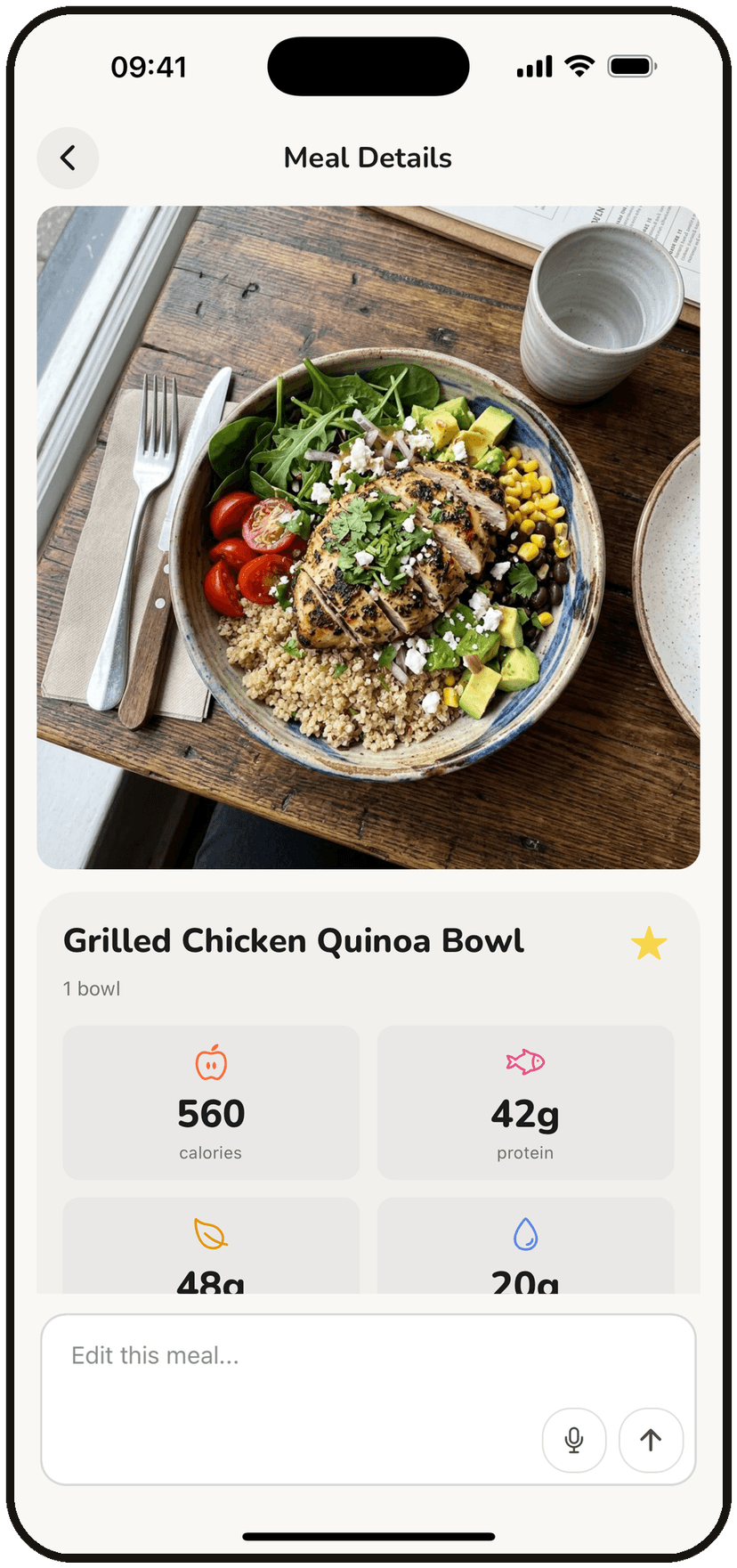
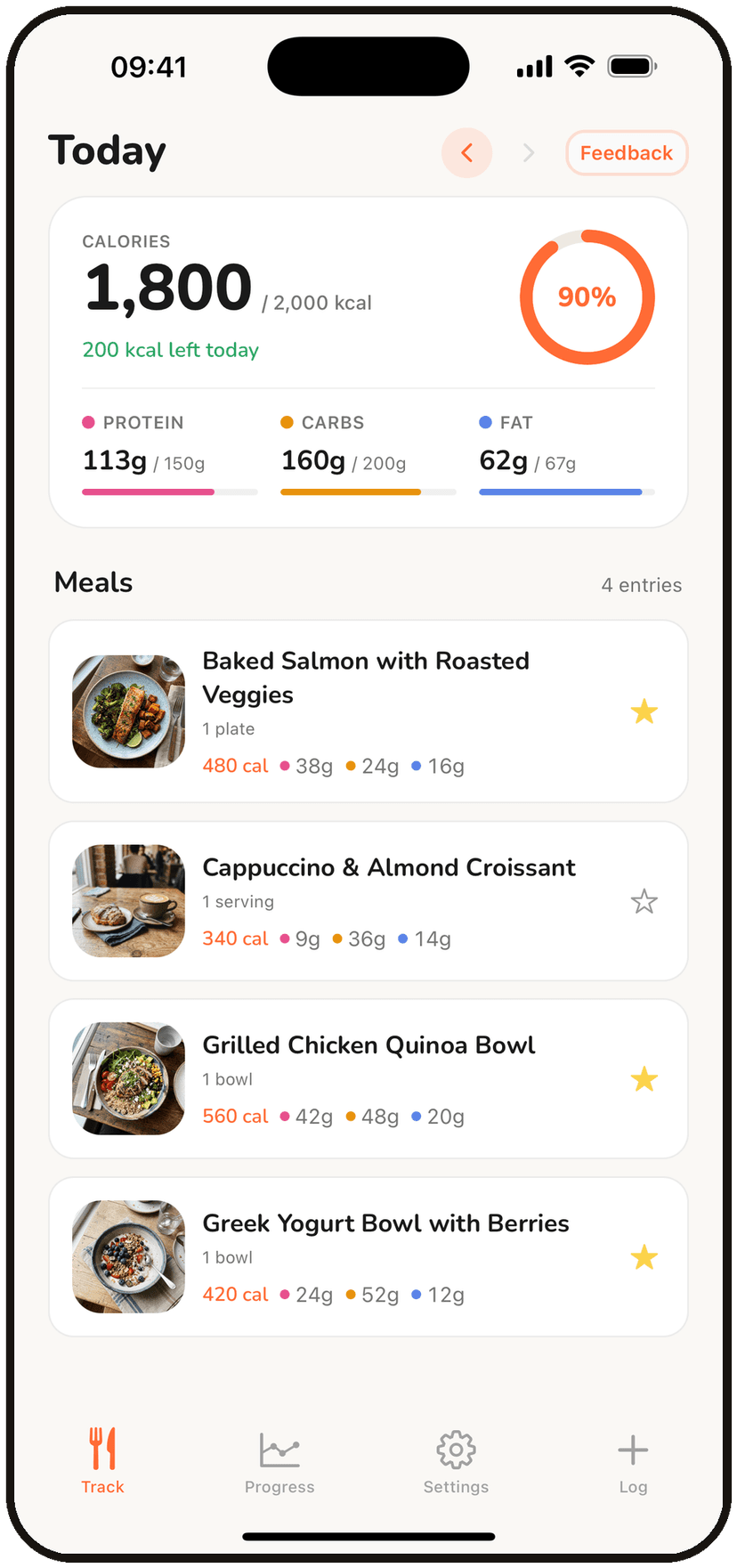
Portion guesses add up fast. BiteKit's AI estimates what's actually on your plate — oils, sides and all — so your log stays close to what you really ate.
- Log meals by photo, voice, or text
- Calories & macros estimated in seconds
- Syncs with Apple Health and Apple Watch
Free download · 3-day free trial, cancel anytime.
Scan with your iPhone camera