Omega-3 Intake Calculator
Calculate your optimal EPA, DHA, and ALA intake based on your health goals, diet type, and current consumption. Get personalized food source and supplement recommendations.
Select all that apply
What Are Omega-3 Fatty Acids?
Omega-3 fatty acids are a family of essential polyunsaturated fats that your body cannot produce on its own, meaning you must get them from food or supplements. They are a critical component of cell membranes throughout the body, particularly concentrated in the brain and retina, and serve as the starting point for hormones that regulate inflammation, blood clotting, and arterial function.
Despite their importance, most people in Western countries consume far too little omega-3 relative to omega-6 fatty acids. This imbalance is associated with increased inflammation and higher risk of chronic diseases including cardiovascular disease, cognitive decline, and inflammatory conditions.
EPA vs. DHA vs. ALA: Understanding the Differences
There are three main types of omega-3 fatty acids, each with distinct roles in the body:
EPA
Eicosapentaenoic Acid
- Source: Fish, seafood, algae
- Key role: Anti-inflammatory
- Benefits: Heart health, joint support, mood regulation
- Best for: Joint pain, inflammation, cardiovascular protection
DHA
Docosahexaenoic Acid
- Source: Fish, seafood, algae
- Key role: Structural component
- Benefits: Brain function, eye health, nervous system
- Best for: Cognitive health, vision, development
ALA
Alpha-Linolenic Acid
- Source: Flaxseed, chia, walnuts
- Key role: Energy, precursor to EPA/DHA
- Benefits: Heart health, basic omega-3 needs
- Note: Only 5-10% converts to EPA/DHA
Key takeaway: While ALA is valuable, it cannot fully replace EPA and DHA because the conversion rate is very low. For optimal health, aim to consume preformed EPA and DHA from fish, seafood, or algae-based supplements.
Health Benefits by Goal
Different health goals may require different amounts and ratios of EPA and DHA. Here is a breakdown of the evidence-based recommendations:
Heart Health (1,000mg EPA+DHA)
The American Heart Association recommends about 1g of combined EPA+DHA per day for people with documented coronary heart disease. Omega-3s help reduce triglycerides, lower blood pressure slightly, reduce blood clotting, decrease stroke risk, and help maintain regular heart rhythm.
Brain Health (1,000-2,000mg, DHA emphasis)
DHA makes up about 40% of the polyunsaturated fatty acids in the brain. Higher DHA intake is associated with reduced risk of cognitive decline and may support memory, learning, and mood regulation. Aim for at least 500mg DHA per day for brain health benefits.
Joint Health (2,000-3,000mg, EPA emphasis)
EPA is the primary anti-inflammatory omega-3. Studies show that 2-3g of combined EPA+DHA per day can reduce joint stiffness, swelling, and pain. EPA works by competing with omega-6 arachidonic acid to produce less inflammatory signaling molecules.
Eye Health (500-1,000mg, DHA emphasis)
DHA is a major structural component of the retina. Adequate DHA intake is associated with reduced risk of age-related macular degeneration and dry eye syndrome. The AREDS2 study explored omega-3 supplementation for eye health outcomes.
Muscle Recovery (1,500-2,000mg EPA+DHA)
Omega-3s can reduce exercise-induced inflammation, decrease muscle soreness (DOMS), and may support muscle protein synthesis. Athletes and active individuals may benefit from higher intake to support recovery between training sessions.
Best Food Sources of Omega-3
The most efficient way to get EPA and DHA is from fatty fish, while ALA comes from plant-based sources. Here are the top foods for each type:
Best Fish Sources (EPA+DHA)
- Atlantic Salmon: 2,260mg per 3oz serving
- Mackerel: 1,020mg per 3oz serving
- Herring: 940mg per 3oz serving
- Sardines: 835mg per 3oz serving
- Albacore Tuna: 230mg per 3oz serving
- Cod: 140mg per 3oz serving
Aim for 2-3 servings of fatty fish per week for optimal intake
Best Plant Sources (ALA)
- Walnuts: 2,570mg ALA per oz
- Chia Seeds: 2,500mg ALA per oz
- Ground Flaxseed: 2,350mg ALA per tablespoon
- Hemp Seeds: 1,000mg ALA per 3 tablespoons
- Edamame: 280mg ALA per cup
Remember: only 5-10% of ALA converts to EPA/DHA in the body
Omega-3 Supplementation Guide
If you cannot meet your omega-3 targets through diet alone, supplements can help bridge the gap. Here is what to know about the main types of omega-3 supplements:
Fish Oil
Most common and affordable. A standard 1,000mg fish oil capsule typically contains 300mg of combined EPA+DHA. Look for concentrated formulas with higher EPA+DHA content.
Krill Oil
Omega-3 bound to phospholipids for potentially better absorption. Also contains antioxidant astaxanthin. Lower EPA+DHA per capsule but may have higher bioavailability.
Algae Oil (Vegan)
Derived from microalgae, the original source of EPA and DHA in the marine food chain. The only plant-based source of preformed DHA and EPA. Ideal for vegetarians and vegans.
Supplement Tips
- Always check the EPA and DHA amounts per serving, not just total fish oil content.
- Take omega-3 supplements with a meal containing fat for better absorption.
- Store supplements in a cool, dark place or refrigerator to prevent oxidation.
- Look for third-party tested products (USP, NSF, or IFOS certification).
- If you experience fishy burps, try enteric-coated capsules or take them before meals.
The Omega-6 to Omega-3 Ratio
Both omega-6 and omega-3 fatty acids are essential, but the ratio between them matters significantly for health. Throughout human evolution, this ratio was approximately 1:1 to 4:1. Today, the typical Western diet has shifted this balance dramatically to 15:1 or even 20:1 in favor of omega-6, driven by increased consumption of processed seed oils and packaged foods.
This imbalance promotes chronic low-grade inflammation, which is linked to heart disease, metabolic syndrome, and other conditions. To improve your ratio, focus on two strategies simultaneously: increase omega-3 intake (more fatty fish, walnuts, flaxseed) and reduce excessive omega-6 intake (limit processed seed oils like soybean, corn, and sunflower oil, and cut back on fast food and packaged snacks). Cooking with olive oil or avocado oil instead of seed oils is a simple and effective change.
Frequently Asked Questions
What are omega-3 fatty acids?
Omega-3 fatty acids are essential polyunsaturated fats that your body cannot produce on its own. The three main types are EPA (eicosapentaenoic acid), DHA (docosahexaenoic acid), and ALA (alpha-linolenic acid). They play critical roles in brain function, heart health, reducing inflammation, and maintaining cell membrane integrity throughout the body.
What is the difference between EPA, DHA, and ALA?
EPA is primarily anti-inflammatory and supports heart and joint health. DHA is critical for brain function, eye health, and nervous system development. Both are found in fish and algae. ALA is a plant-based omega-3 from flaxseed, chia seeds, and walnuts, but the body only converts about 5-10% of ALA into the more useful EPA and DHA forms.
How much omega-3 do I need per day?
For general health, 250-500mg of combined EPA+DHA daily is recommended (WHO/EFSA). The American Heart Association recommends about 1,000mg for heart health. Higher doses of 2,000-3,000mg may benefit joint health or brain function. ALA adequate intake is 1.1g for women and 1.6g for men daily. The upper safe limit for EPA+DHA is generally 5,000mg per day.
What are the best food sources of omega-3?
The richest sources of EPA and DHA are fatty fish like salmon (2,260mg per 3oz), mackerel (1,020mg), herring (940mg), and sardines (835mg). For plant-based ALA, top sources include walnuts (2,570mg per oz), chia seeds (2,500mg per oz), and ground flaxseed (2,350mg per tablespoon).
Do vegans need omega-3 supplements?
Vegans should strongly consider algae-based omega-3 supplements. While plant foods provide ALA, the conversion to EPA and DHA is very inefficient (only 5-10%). Research shows vegetarians and vegans typically have 30-50% lower blood levels of EPA and DHA. Algae oil is the only plant-based source of preformed DHA and EPA.
Can you take too much omega-3?
While omega-3s are generally safe, very high doses above 5,000mg of EPA+DHA per day may increase bleeding risk, lower blood pressure excessively, or cause digestive issues. The FDA considers up to 3,000mg per day from supplements to be generally safe. Higher therapeutic doses should be taken under medical supervision, especially if you take blood-thinning medications.
iPhone app · 3-day free trial
You're likely eating 500 calories more than you think
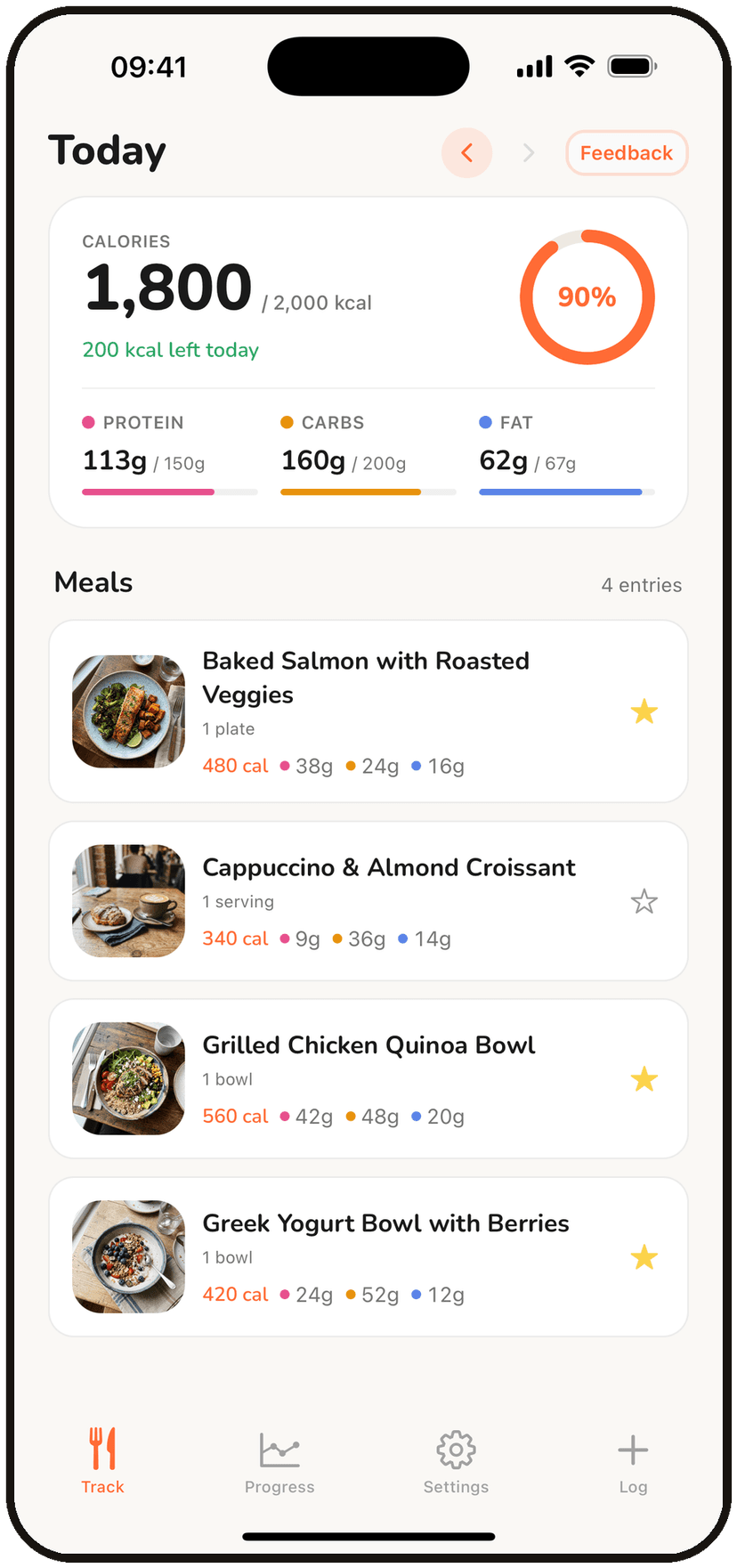
Portion guesses add up fast. BiteKit's AI estimates what's actually on your plate — oils, sides and all — so your log stays close to what you really ate.
- Log meals by photo, voice, or text
- Calories & macros estimated in seconds
- Syncs with Apple Health and Apple Watch
Free download · 3-day free trial, cancel anytime.
Scan with your iPhone camera