Pasta Calorie Calculator
Calculate exact calories and macros for any pasta meal. Choose your pasta type, shape, dry or cooked weight, and sauce to get a complete nutritional breakdown.
Calculate Pasta Nutrition
Shape does not affect calories — only appearance and texture differ.
Sauce calories are based on a standard 100g serving (approx. 3.5 oz).
Pasta Nutrition by Type
Not all pasta is the same. The type of flour used changes the protein content, fiber, glycemic index, and overall calorie density significantly. Understanding these differences helps you make smarter choices whether you are cutting, bulking, or eating for health.
White Pasta (Refined Semolina)
Standard white pasta is made from refined durum wheat semolina. At 158 calories per 100g cooked, it is a reliable carbohydrate source that digests quickly — making it popular for pre- and post-workout meals. Its low fiber content (1.8g per 100g) means it does not slow digestion as much as whole grain alternatives, which can lead to faster energy delivery but also faster hunger return.
Whole Wheat Pasta
Whole wheat pasta retains the bran and germ of the wheat kernel, giving it a slightly nuttier flavor and chewier texture. At 149 calories per 100g cooked, the calorie difference from white pasta is minor, but its fiber content (3.9g per 100g) is more than double — which significantly slows digestion, lowers the glycemic response, and extends feelings of fullness. It is an excellent everyday swap for those managing weight or blood sugar.
Chickpea Pasta
Made from chickpea flour, this pasta is a nutritional standout with 13.7g protein and 8.0g fiber per 100g cooked — making it a genuinely high-protein food. At 190 calories per 100g, it is slightly more calorie-dense than white pasta but the protein-to-calorie ratio is dramatically better. It is ideal for athletes, vegetarians, or anyone trying to hit high protein targets without relying on meat.
Lentil Pasta
Lentil pasta provides 12.0g protein and 6.0g fiber per 100g cooked at 170 calories. Like chickpea pasta, it is legume-based and offers a much higher protein density than wheat-based options. The mild earthy flavor makes it versatile across a range of sauces. Lentil pasta is also a good source of iron and folate, micronutrients commonly low in plant-based diets.
Gluten-Free Pasta (Rice or Corn)
Rice- and corn-based gluten-free pastas typically have 160 calories per 100g cooked but lower protein (3.0g) and lower fiber (1.0g) than wheat-based alternatives. They cook quickly and have a neutral flavor, making them suitable for those with celiac disease or gluten sensitivity. From a pure nutrition standpoint, they are closer to white pasta than to whole wheat or legume-based options.
Dry vs. Cooked Pasta: Why the Weight Matters
One of the most frequent calorie-tracking errors with pasta involves confusing dry and cooked weights. Pasta absorbs water during cooking and roughly doubles in weight.
- Conversion ratio: 1g dry pasta ≈ 2.25g cooked
- Example: 80g dry pasta becomes approximately 180g cooked — same calories, different weight
- Nutrition databases: Most databases (USDA, MyFitnessPal) list pasta nutrition per 100g cooked, so always check which state is referenced
Weighing pasta after cooking is the simplest method for accurate everyday tracking — just weigh what is in your bowl. Weighing dry is better for meal prep because the portion is fixed before cooking. This calculator handles either method automatically.
Sauce Calories: The Hidden Factor
Many people focus solely on pasta calories and overlook the sauce, which can double or even triple the total calorie count of a meal. Here is how common sauces stack up per 100g serving:
- Marinara / Tomato sauce: 70 calories — low-fat, vegetable-based, good for weight loss
- Bolognese: 130 calories — higher protein (9g) from meat, moderate fat
- Aglio e Olio (Olive Oil & Garlic): 160 calories — mostly healthy monounsaturated fat
- Alfredo / Cream sauce: 190 calories — high fat (18g), low protein, very energy-dense
- Pesto: 240 calories — highest calorie sauce due to olive oil and nuts, but nutrient-rich
If you are managing calorie intake, choosing marinara over alfredo can save over 100 calories from the sauce alone. For those wanting more protein in their pasta meal, bolognese significantly outperforms cream-based sauces.
Does Pasta Shape Affect Calories?
No — pasta shape does not affect the calorie or macro content. Spaghetti, penne, fusilli, rigatoni, fettuccine, farfalle, linguine, and orzo all have identical nutrition when made from the same flour type and measured at the same cooked weight. The differences between shapes are purely textural and aesthetic — ridged shapes like rigatoni hold chunky sauces better, while thin strands like spaghetti work best with lighter, oil-based sauces.
Choosing the Right Pasta for Your Goals
For weight loss
Whole wheat or legume-based pasta paired with a marinara sauce is the most filling, lowest-calorie combination. The higher fiber in whole wheat pasta slows digestion and extends satiety. Chickpea or lentil pasta provides significant protein that helps preserve muscle mass during a calorie deficit.
For muscle gain
Chickpea pasta is the clear winner for bulking — more protein per serving than any other type. Pair it with a bolognese sauce for additional protein from meat. White pasta remains a classic bulking staple due to its high digestibility and efficient carbohydrate delivery post-workout.
For general health
Whole wheat pasta consistently outperforms refined pasta for general health markers — higher fiber, more B vitamins, and a lower glycemic index. Lentil and chickpea pastas add the additional benefit of legume nutrients including iron, folate, and potassium. Any pasta variety improves in nutritional value when paired with vegetables and a protein source.
Frequently Asked Questions
How many calories are in 200g of cooked pasta?
200g of cooked white pasta contains approximately 316 calories (11.6g protein, 61.8g carbs, 1.8g fat). Whole wheat pasta at 200g cooked has around 298 calories with more fiber. Chickpea pasta has about 380 calories with 27.4g protein.
Does pasta double in weight when cooked?
Yes — dry pasta absorbs water and roughly doubles in weight when cooked. The standard conversion is 1g dry = approximately 2.25g cooked. So 80g dry pasta becomes about 180g cooked. Total calories stay the same; only the weight increases from absorbed water.
Should I weigh pasta dry or cooked for calorie tracking?
Both methods are accurate with the right reference. Weighing cooked pasta is most practical for everyday tracking — just weigh what is in your bowl. Use this calculator with either state and get the same accurate result.
Which pasta type has the most protein?
Chickpea pasta has the most protein at approximately 13.7g per 100g cooked. Lentil pasta is second at 12.0g per 100g cooked. Both are significantly higher in protein than white pasta (5.8g) or whole wheat pasta (5.5g) per 100g cooked.
How many calories does sauce add to pasta?
Sauce adds a significant number of calories. Per 100g serving: marinara adds 70 cal, bolognese adds 130 cal, aglio e olio adds 160 cal, alfredo adds 190 cal, and pesto adds 240 cal. Cream-based and oil-based sauces are the most calorie-dense.
Is whole wheat pasta lower in calories than white pasta?
Whole wheat pasta is marginally lower in calories (149 vs. 158 per 100g cooked) but meaningfully higher in fiber (3.9g vs. 1.8g per 100g). The extra fiber slows digestion, lowers the glycemic response, and helps you feel full longer.
Related Tools
iPhone app · 3-day free trial
You're likely eating 500 calories more than you think
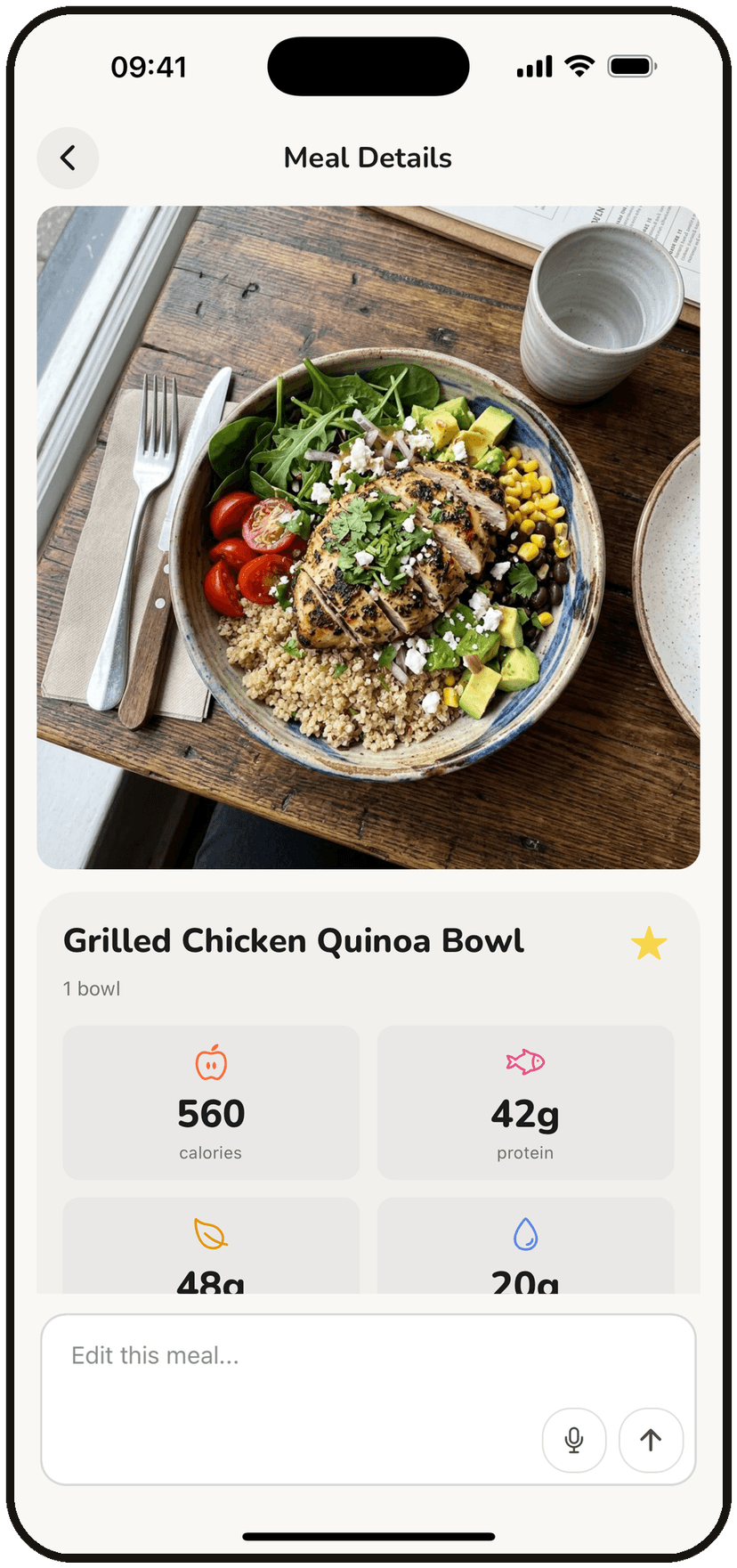
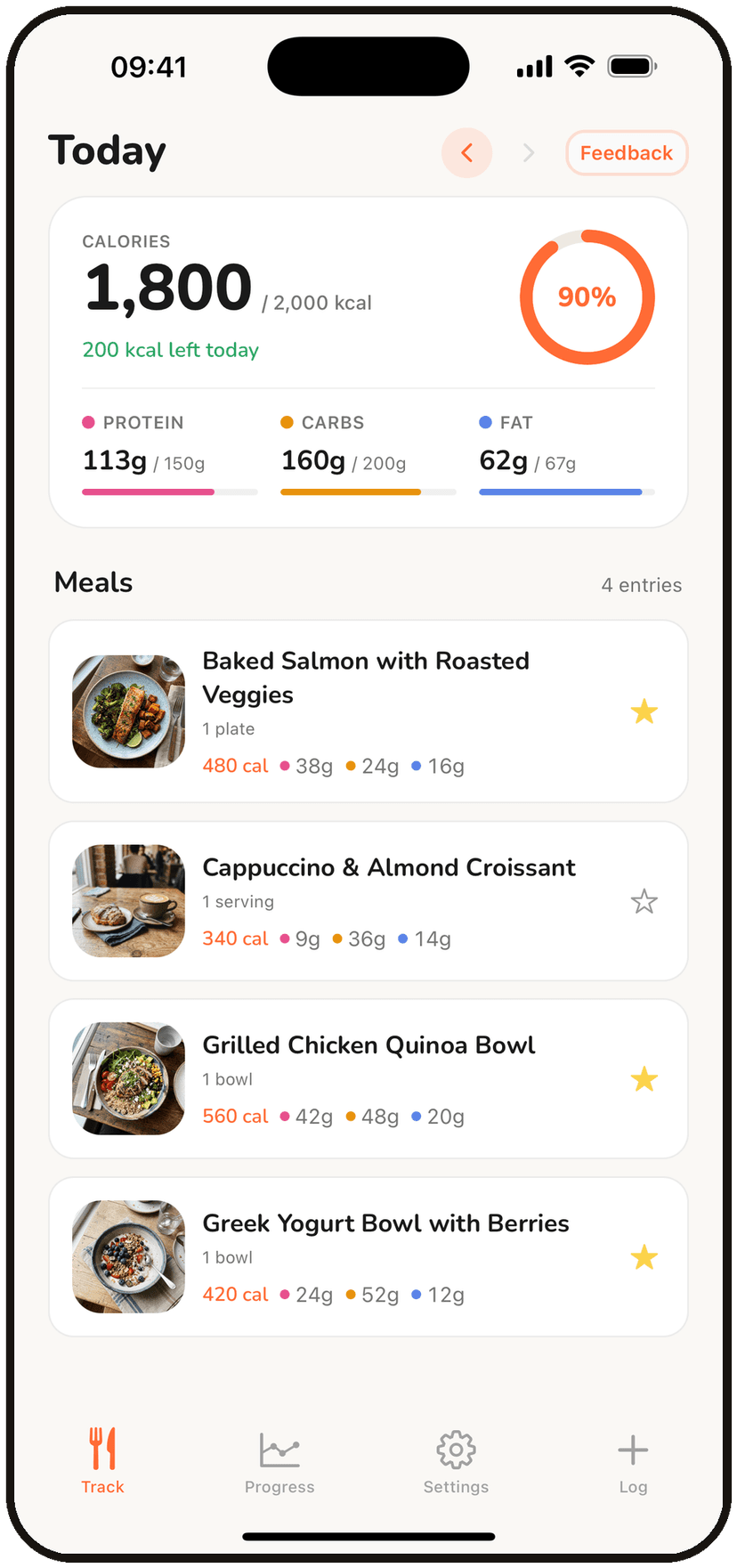
Portion guesses add up fast. BiteKit's AI estimates what's actually on your plate — oils, sides and all — so your log stays close to what you really ate.
- Log meals by photo, voice, or text
- Calories & macros estimated in seconds
- Syncs with Apple Health and Apple Watch
Free download · 3-day free trial, cancel anytime.
Scan with your iPhone camera