PCOS Macro Calculator
Calculate carb-controlled, anti-inflammatory macro splits personalized for PCOS — adjusted for your insulin resistance level, activity, and goals.
Self-assess based on symptoms — not a diagnosis. This adjusts your carb target.
Understanding PCOS Nutrition
Polycystic Ovary Syndrome (PCOS) is the most common hormonal disorder in women of reproductive age, affecting 8–13% of women worldwide. It is characterized by elevated androgens, irregular ovulation, and often insulin resistance. The right nutrition strategy can dramatically improve symptoms, regulate hormones, and support a healthy weight.
Why Standard Macro Calculators Fall Short for PCOS
Generic TDEE and macro calculators assume normal insulin sensitivity and metabolic function. Women with PCOS often have insulin resistance — where cells are less responsive to insulin — causing the pancreas to overproduce insulin. High circulating insulin signals the ovaries to produce excess testosterone, which suppresses ovulation and drives symptoms like acne, hirsutism, and belly fat.
A PCOS-specific approach lowers carbohydrate intake based on insulin resistance severity, adjusts total calories to account for the metabolic disadvantage PCOS creates, and emphasizes anti-inflammatory foods that actively reduce androgen production.
The Role of Insulin Resistance in Macro Selection
If you have PCOS without confirmed insulin resistance, a balanced macro split with quality carbohydrates works well. Focus on fiber-rich, low-GI foods to maintain stable blood sugar.
Mild symptoms like occasional post-meal fatigue or sugar cravings respond well to a slight carb reduction. Prioritizing protein and healthy fats stabilizes energy and reduces cravings.
Regular belly fat accumulation, post-carb fatigue, and frequent cravings indicate more meaningful insulin resistance. Reducing carbs to 30–35% while increasing protein and fat improves insulin signaling and reduces androgen production.
Severe symptoms such as strong post-meal blood sugar crashes, skin darkening (acanthosis nigricans), and persistent difficulty losing weight suggest significant insulin resistance. A very low-carb or modified ketogenic approach dramatically lowers insulin levels and is supported by clinical evidence for PCOS symptom improvement.
PCOS and the Calorie Deficit
Even modest weight loss of 5–10% of body weight significantly improves PCOS symptoms in overweight women — restoring menstrual regularity, improving ovulation, and reducing androgen levels. However, because PCOS creates metabolic disadvantage, the same calorie deficit that causes weight loss in women without PCOS may not work as effectively. This calculator applies PCOS-specific calorie adjustments of 8–20% below TDEE depending on goal and insulin resistance severity.
Net Carbs vs Total Carbs in PCOS
Net carbs are calculated as total carbohydrates minus dietary fiber. Fiber is a carbohydrate that does not raise blood glucose because it is not digested — making it irrelevant to insulin response. For PCOS management, tracking net carbs is more meaningful than total carbs. This calculator estimates net carbs by subtracting expected fiber intake (approximately 20% of total carbs, up to 35g) from your total carb target. Aim to get at least 25–35g of fiber daily from vegetables, legumes, and seeds.
Exercise and PCOS: Strength Training vs Cardio
Both strength training and cardiovascular exercise improve insulin sensitivity, but they do so through different mechanisms. Resistance training builds metabolically active muscle tissue, which acts as a glucose sink and improves long-term insulin sensitivity. High-intensity interval training (HIIT) produces acute improvements in glucose uptake. For women with PCOS, a combination of strength training (2–3 days/week) and moderate cardio tends to produce the best outcomes for insulin sensitivity and body composition. Avoid excessive endurance cardio, which can elevate cortisol and worsen hormone imbalance.
Frequently Asked Questions
What macros should I eat with PCOS?
The ideal macro split depends on your insulin resistance level. No or mild insulin resistance: ~28–30% protein, 40–42% carbs, 30% fat. Moderate: 30% protein, 32% carbs, 38% fat. Severe: 32% protein, 22% carbs, 46% fat. All approaches emphasize low-GI carbs, adequate fiber, and anti-inflammatory fats.
Why do women with PCOS need fewer calories than their TDEE?
PCOS creates a metabolic disadvantage — lower insulin sensitivity reduces cellular energy efficiency, and many women with PCOS have a slightly suppressed basal metabolic rate. A 8–20% reduction below standard TDEE (depending on insulin resistance severity) is usually needed to create a meaningful calorie deficit for weight or symptom management.
What are the best carbs to eat with PCOS?
Focus on low-GI, high-fiber carbohydrates: non-starchy vegetables, legumes (lentils, chickpeas), berries, sweet potatoes, steel-cut oats, quinoa, and barley. Avoid all refined carbohydrates — white bread, white rice, pasta, pastries, and anything with added sugars.
Does inositol really help PCOS?
Yes. Multiple randomized controlled trials show that myo-inositol (2g) + D-chiro-inositol (50mg) in a 40:1 ratio significantly improves insulin sensitivity, lowers androgens, and restores menstrual regularity. Some studies show results comparable to metformin with fewer side effects.
Should I go keto with PCOS?
Keto is most beneficial for women with severe insulin resistance. Clinical studies show keto diets improve insulin markers, reduce androgens, and restore ovulation in PCOS. For mild or moderate insulin resistance, a moderate low-carb approach (30–40% quality carbs) is often sufficient and more sustainable long-term.
Is dairy bad for PCOS?
Conventional dairy may elevate IGF-1 and insulin levels, potentially worsening androgen production. Not everyone with PCOS reacts the same way. Try eliminating conventional dairy for 4–6 weeks to assess impact. Fermented dairy (Greek yogurt, kefir) is often better tolerated.
How much protein should I eat with PCOS?
Protein targets range from 28–35% of total calories depending on insulin resistance and exercise type. Higher protein intake helps preserve muscle mass during weight loss, improves satiety, and has a minimal impact on blood sugar compared to carbohydrates. Aim for 1.6–2.0g of protein per kg of body weight if strength training.
Related Tools
iPhone app · 3-day free trial
You're likely eating 500 calories more than you think
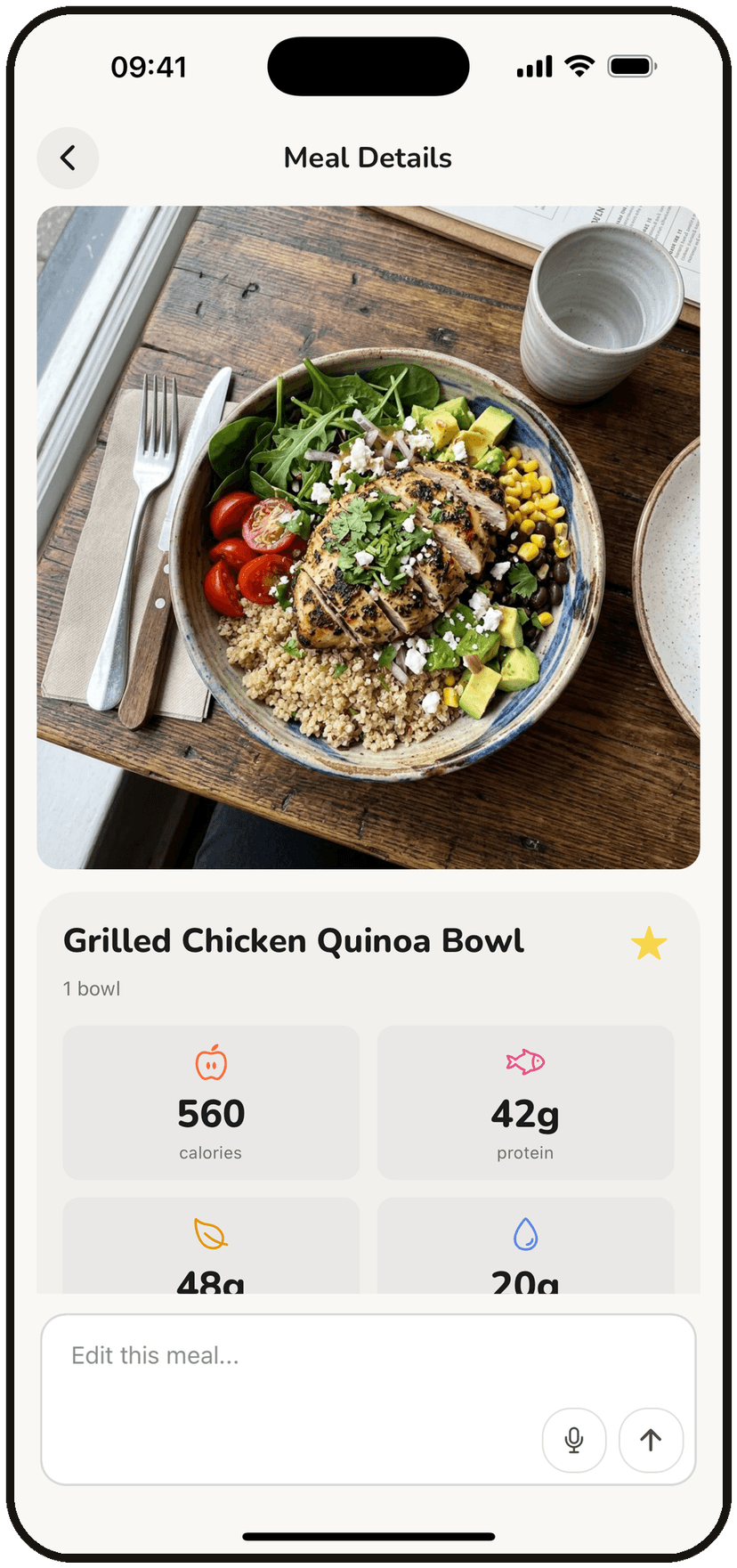
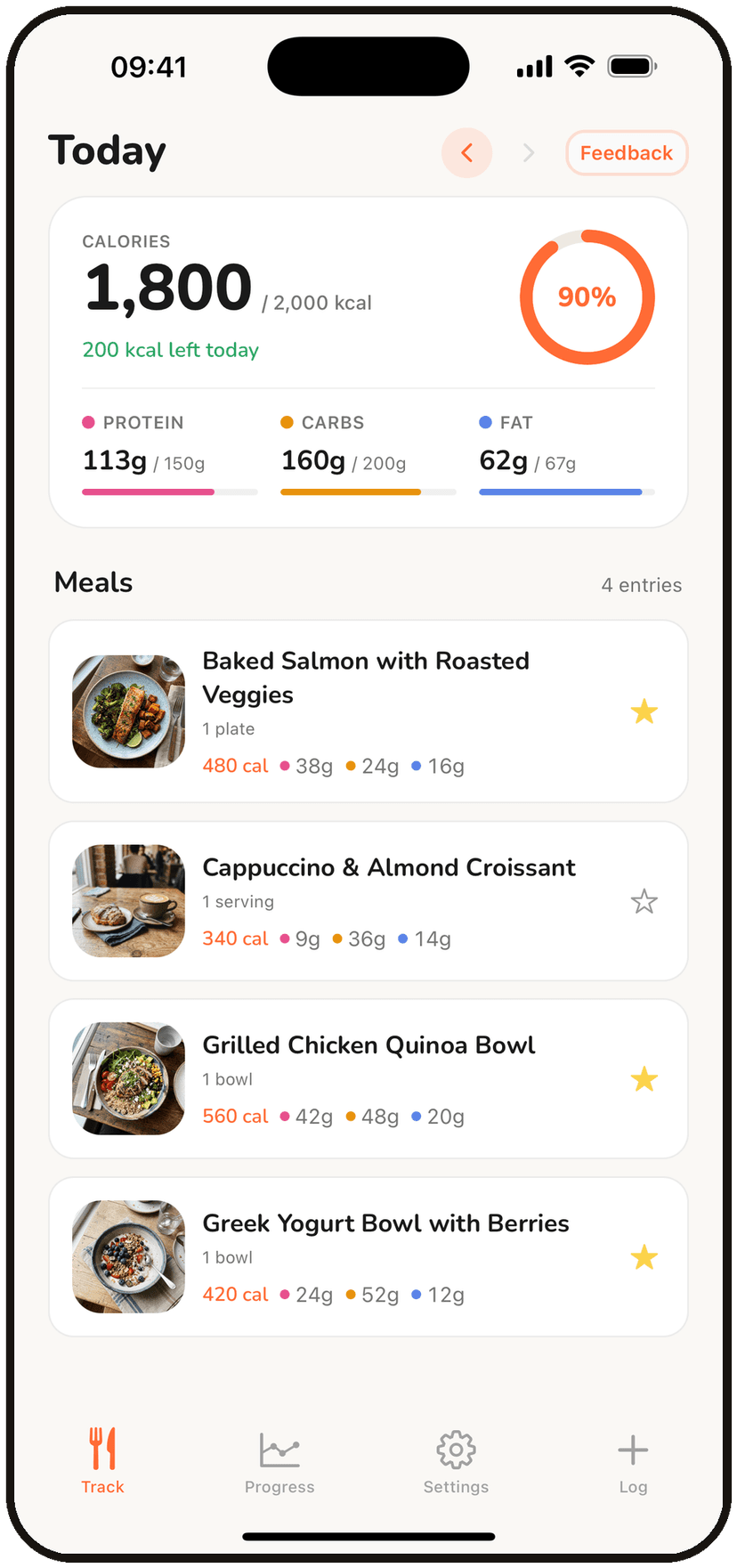
Portion guesses add up fast. BiteKit's AI estimates what's actually on your plate — oils, sides and all — so your log stays close to what you really ate.
- Log meals by photo, voice, or text
- Calories & macros estimated in seconds
- Syncs with Apple Health and Apple Watch
Free download · 3-day free trial, cancel anytime.
Scan with your iPhone camera