Pickleball Calorie Calculator
Estimate calories burned during pickleball by game type (singles vs. doubles), match intensity, session duration, and body weight — with a game comparison and weekly streak goal.
How Pickleball Calorie Burn Is Calculated
This calculator uses MET (Metabolic Equivalent of Task) values — the gold-standard method used in exercise science research. The formula is straightforward:
Calories = MET × body weight (kg) × duration (hours) × intensity multiplier
MET represents how many times more energy an activity requires compared to sitting at rest (1.0 MET). Pickleball MET values range from 3.5 for light drills to 7.0 for full competitive singles — reflecting the wide range of effort levels the sport allows.
MET Values by Game Type
| Game Type | MET | Cal/hr (150 lb) | Cal/hr (200 lb) |
|---|---|---|---|
| Recreational Doubles | 4 | 272 | 363 |
| Recreational Singles | 5 | 340 | 454 |
| Competitive Doubles | 5.5 | 374 | 499 |
| Competitive Singles | 7 | 476 | 635 |
| Drills / Practice | 3.5 | 238 | 317 |
Pickleball as a Workout: What the Research Shows
Pickleball has exploded from a backyard hobby to America's fastest-growing sport — and exercise scientists are taking notice. A 2023 study published in the Journal of Aging and Physical Activity found that recreational pickleball players achieved average heart rates of 109–117 bpm, placing them consistently in the moderate-intensity zone (64–76% of max HR). This is the same range recommended by the American Heart Association for cardiovascular health.
A 12-week pickleball intervention study found significant improvements in cardiorespiratory fitness, blood pressure, and cholesterol in previously sedentary adults — outcomes comparable to traditional aerobic exercise programs. For older adults especially, the low-impact nature of the court surface and the smaller court size (compared to tennis) reduce injury risk while maintaining cardiovascular stimulus.
Heart Rate Zones During Pickleball
The heart rate zone you reach depends on your game type and intensity. Each zone has different metabolic and fitness benefits:
Zone 2 (60–70%)
Activity: Casual recreational doubles, drills
Benefit: Fat oxidation, aerobic base, recovery
Zone 3 (70–80%)
Activity: Moderate recreational singles
Benefit: Cardiovascular fitness, mixed fuel burning
Zone 4 (80–90%)
Activity: Competitive doubles, intense singles
Benefit: Anaerobic threshold, speed, power
Zone 5 (90%+)
Activity: Intense competitive singles rallies
Benefit: VO2 max improvement, maximum performance
Singles vs. Doubles: The Calorie Difference
The calorie difference between singles and doubles is substantial — roughly 40% more burn in competitive singles versus recreational doubles. Here is why:
- Court coverage: Singles players cover the full 20×44 ft court alone vs. sharing half in doubles
- Movement distance: Singles players run 25–40% more distance per point
- Rally effort: Singles demands more hustle for every ball; there is no partner to cover your side
- Rest time: Doubles has more natural pauses between points while partners discuss strategy
- Mental load: Singles requires continuous positioning and anticipation without partner coordination
For maximum calorie burn per session, singles is the clear winner. For longer, more sustainable sessions with social benefits and lower injury risk, doubles is ideal — especially for beginners or players over 50.
Nutrition Tips for Pickleball Players
Pre-Match Fueling
Eat a light carb-focused meal 1–2 hours before playing: oatmeal, a banana with peanut butter, or whole-grain toast with fruit. Avoid heavy proteins or fats that slow digestion and cause side-stitches during lateral movement.
Hydration on Court
Drink 16–20 oz of water in the 2 hours before play and sip 6–8 oz every 15–20 minutes during matches. For sessions over 90 minutes in heat, add an electrolyte drink to replace sodium and potassium lost through sweat.
Mid-Session Energy
For sessions under 60 minutes, water is sufficient. For longer tournaments or double sessions, a sports gel or a small handful of raisins between games can sustain blood sugar and delay mental fatigue — pickleball is as much a thinking game as a physical one.
Recovery Nutrition
Within 30–60 minutes of finishing, eat a meal or snack with both protein (20–30 g) and carbs. Greek yogurt with fruit, a chicken wrap, or a protein shake with banana all work well. This replenishes muscle glycogen and supports tissue repair — especially important for older players whose recovery is slower.
How Often Should You Play to Lose Weight?
To lose 1 lb of fat per week through pickleball alone, you need to create a weekly calorie deficit of approximately 3,500 calories from the activity (not accounting for dietary adjustments). Here is how that looks in practice:
| Player (165 lbs) | Cal/session (60 min) | Sessions/week for 1 lb |
|---|---|---|
| Casual recreational doubles | 295 | 12 |
| Moderate recreational singles | 368 | 10 |
| Intense competitive singles | 484 | 7 |
In practice, combining pickleball (3–5 sessions/week) with a modest dietary deficit of 200–300 kcal/day is the most sustainable strategy for consistent fat loss while building cardiovascular fitness.
Frequently Asked Questions
How many calories do you burn playing pickleball?
Pickleball burns between 250 and 500+ calories per hour depending on body weight, game type, and intensity. A 165 lb player burns roughly 295 cal/hr in recreational doubles and up to 500 cal/hr in intense competitive singles.
Does pickleball singles burn more calories than doubles?
Yes — singles requires covering the full court alone versus sharing it with a partner in doubles. Singles players run 25–40% more distance per point. Competitive singles carries a MET of 7.0 vs. 4.0 for recreational doubles — nearly twice the calorie burn.
Is pickleball good for weight loss?
Pickleball is excellent for weight loss — it is low-impact, highly social, and sustainable for long-term adherence. Playing 3–5 sessions per week combined with a moderate calorie deficit is an effective fat-loss strategy for all ages.
What heart rate zone is pickleball?
Recreational doubles typically keeps players in Zone 2–3 (60–75% max HR), while competitive singles can push into Zone 4 (80–90% max HR) during intense rallies. Adding your age to the calculator provides a personalized estimate.
How does intensity affect calorie burn in pickleball?
Intensity multipliers adjust the base MET: casual play uses ×0.85, moderate uses ×1.0, and intense (tournament-style) uses ×1.15. Playing at intense vs. casual intensity increases calorie burn by about 35% for the same duration.
What should I eat before playing pickleball?
Eat a light carbohydrate-focused snack 1–2 hours before playing — a banana, oatmeal, or toast with fruit. Avoid heavy proteins and fats that slow digestion. Hydrate well and sip water every 15–20 minutes during play.
Related Tools
iPhone app · 3-day free trial
You're likely eating 500 calories more than you think
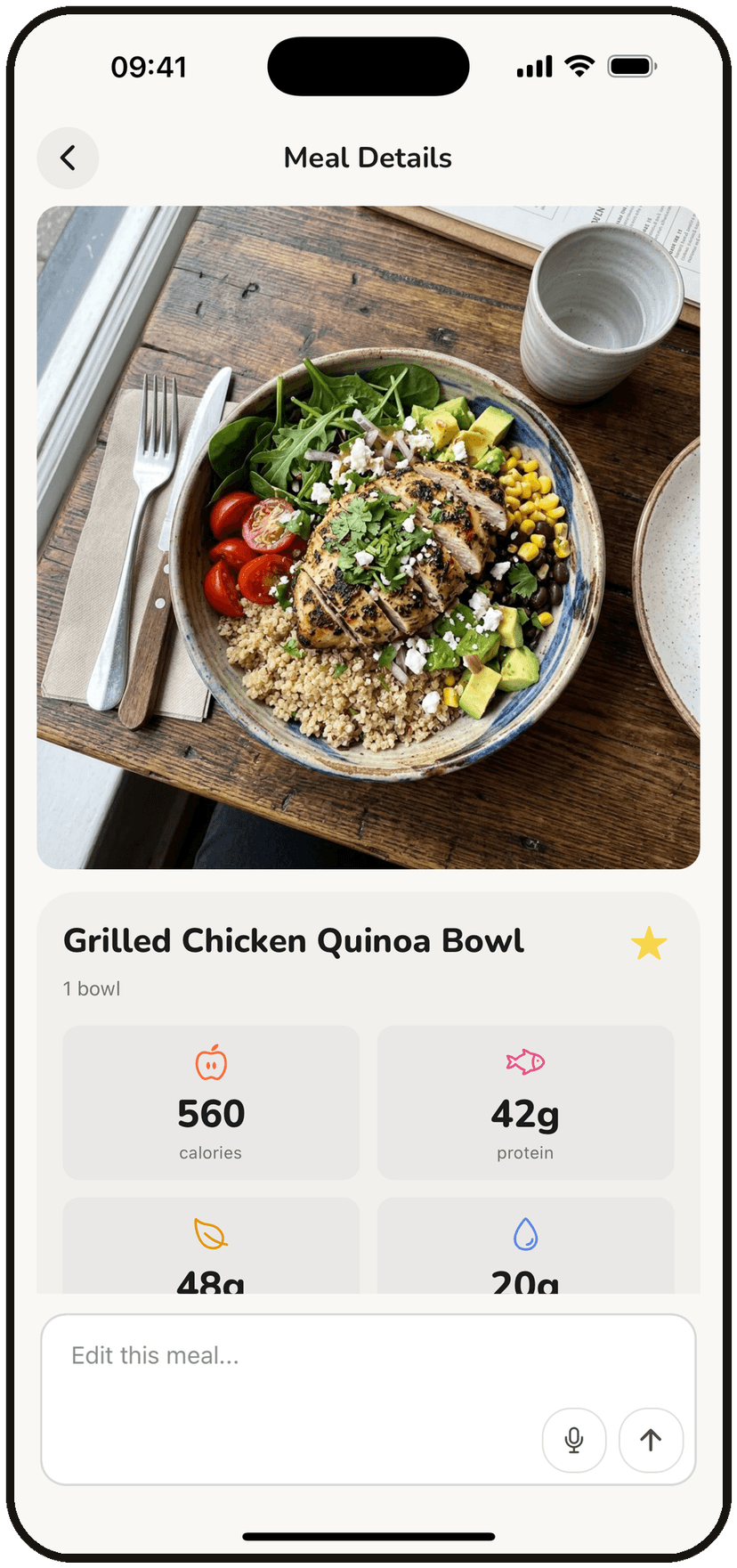
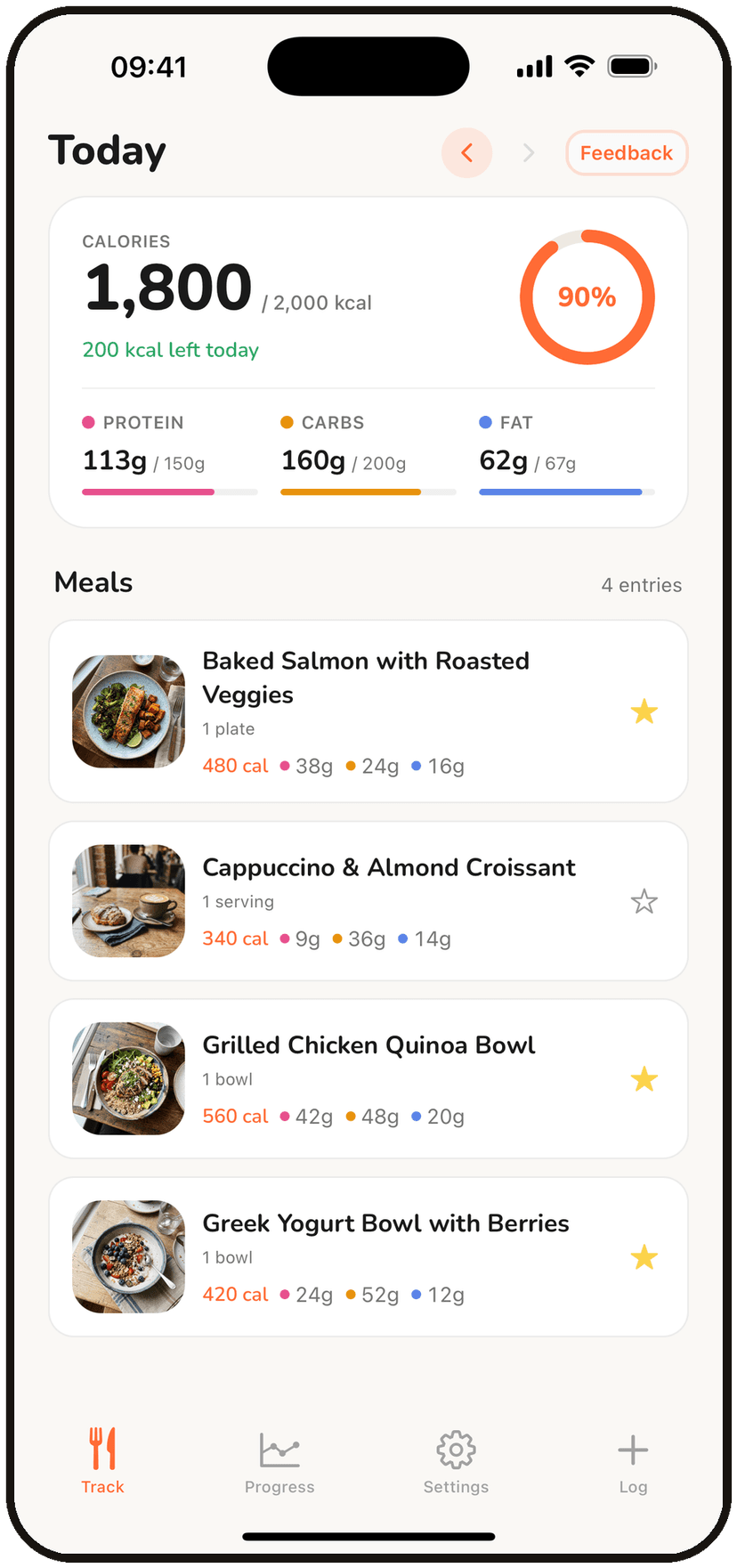
Portion guesses add up fast. BiteKit's AI estimates what's actually on your plate — oils, sides and all — so your log stays close to what you really ate.
- Log meals by photo, voice, or text
- Calories & macros estimated in seconds
- Syncs with Apple Health and Apple Watch
Free download · 3-day free trial, cancel anytime.
Scan with your iPhone camera