Portion Size Calculator
Select any food and instantly see small, medium, and large portion comparisons using everyday objects — deck of cards, tennis ball, fist — with calorie and macro counts for each serving size.
Select a food category
Choose a food
🍽️
Select a food above
See small, medium, and large portion comparisons with everyday objects
Why Visual Portion Guides Work
Most people underestimate portion sizes by 20–40%, and research published in the journal Appetite confirms this is a major driver of unintentional weight gain. Visual reference guides — using objects you already know — help retrain your eye without requiring a kitchen scale at every meal.
A deck of playing cards measures roughly 3.5 × 2.5 × 0.75 inches, closely matching a 3 oz (85g) serving of meat. A tennis ball holds roughly half a cup of volume, matching a standard grain serving. Your own hand scales automatically to your body size, making it a personalized and always-available measuring tool.
The Hand Method for Portion Control
Your hand is proportional to your body size — larger people tend to have bigger hands and higher calorie needs, making hand-based estimates surprisingly accurate across body types.
- Fist (1 cup): Cooked grains (rice, pasta, oatmeal), raw vegetables, or whole fruit. About 200–250g.
- Palm (3 oz / 85g): Protein sources — meat, fish, tofu, tempeh. Width and thickness of your palm without fingers.
- Cupped hand (1 oz / 30g): Nuts, seeds, dried fruit, or snack foods like pretzels.
- Thumb (1 tbsp): Nut butters, dressings, oils, or condiments. From tip to first knuckle.
- Thumb tip (1 tsp): Butter, ghee, mayonnaise, or oil. Just the tip from nail to first knuckle.
Adjusting Portions for Your Goals
For Weight Loss
Use the small portion as your baseline for calorie-dense foods like proteins, grains, and fats. Fill half your plate with low-calorie vegetables (broccoli, salad greens, carrots) at their large portion sizes — these add volume and fiber that promote fullness at minimal calorie cost.
For Muscle Building
Aim for the medium-to-large protein portions at every meal — a palm or two-palm serving of chicken breast, steak, or fish. Pair with medium grain portions to fuel training without excessive calorie surplus. Total daily protein of 1.6–2.2g per kg of body weight is supported by meta-analyses on hypertrophy.
For Maintenance
Medium portions across all food groups provide balanced energy. The classic plate method — half vegetables, one quarter protein, one quarter grains — aligns well with medium portion sizes from this guide and requires no calorie counting.
For Athletes and High Training Volume
Scale up to large portions on training days, particularly for grains and fruits to replenish glycogen. Post-workout meals should prioritize large protein portions (two palms of chicken breast or salmon) with large grain portions (full fist of rice or pasta) within two hours of training.
The Most Commonly Misjudged Portions
Certain foods are notorious for portion distortion. Understanding where people most often over-serve helps you focus attention where it matters most.
| Food | Labeled serving | Typical pour/scoop | Calorie difference |
|---|---|---|---|
| Peanut butter | 2 tbsp (32g) | 3–4 tbsp (48–64g) | +95–190 cal |
| Olive oil | 1 tbsp (14ml) | 2–3 tbsp (28–42ml) | +123–246 cal |
| Pasta (cooked) | 1 cup (140g) | 2–3 cups (280–420g) | +175–350 cal |
| Mixed nuts | 1 oz (28g) | 2–3 oz (56–84g) | +170–340 cal |
| Cheese | 1 oz (28g) | 2–3 oz (56–84g) | +110–220 cal |
Practical Portion Control Without Weighing Everything
You do not need to weigh every meal to manage your portions effectively. These strategies help most people stay within reasonable ranges without obsessive tracking.
- Use smaller plates: A standard dinner plate has grown from 9 inches in the 1960s to 12 inches today. Smaller plates create visual fullness cues that reduce serving sizes naturally.
- Pre-portion snack foods: Never eat directly from a bag or container. Pour a single serving into a bowl or container to make the portion visible and finite.
- Serve from the kitchen, not the table: Studies show that proximity to food increases consumption. Plate food in the kitchen and leave the serving dishes off the table to reduce second helpings.
- Calibrate periodically with a scale: Weigh your portions for a week every month or two to recalibrate your eye. Visual estimates drift over time, and occasional check-ins keep your hand-estimates accurate.
- Apply the 80% rule: Stop eating when 80% full — it takes 15–20 minutes for satiety signals from the gut to reach the brain. Eating slowly allows you to recognize fullness before overeating.
Frequently Asked Questions
What is a deck of cards as a portion size?
A deck of cards is a visual guide for a 3 oz (85g) protein serving — equivalent to a small chicken breast portion (~140 calories), a small steak (~200 calories), or a small fish fillet (~175 calories). It is one of the most widely used portion references in nutrition education.
How big is a tennis ball serving of food?
A tennis ball holds roughly half a cup of volume and weighs about 90g. It represents a small portion of cooked grains like rice (~120 calories for white rice) or a medium whole fruit like an apple (~95 calories). It is a convenient reference because tennis balls are a consistent, familiar size.
How do I estimate a serving size without a food scale?
Use your hand: a fist = 1 cup of cooked grains or vegetables, your palm = 3 oz of protein, a cupped hand = 1 oz of nuts, a thumb = 1 tablespoon, and a thumb tip = 1 teaspoon. These scale with your body size, making them a personalized and always-available measuring tool.
What is the recommended protein portion per meal?
Most guidelines recommend a palm-sized portion (85–140g) of protein per meal. For muscle building, aim for 0.4–0.55g per kg body weight per meal across 3–5 meals. For a 70kg person, that is 28–38g of protein — achievable with 140–170g of chicken breast (a palm to medium serving).
Why do I keep underestimating my portions?
Portion distortion is driven by larger dishes and serving containers, eating directly from packages, and the normalization of larger restaurant serving sizes. Research shows people underestimate high-calorie foods (peanut butter, nuts, oil) more than low-calorie foods. Visual guides and occasional scale calibration help correct this drift.
Are these portion sizes the same as official serving sizes on nutrition labels?
Not always. Nutrition label serving sizes are standardized reference amounts set by regulatory authorities and may not reflect what people actually eat. The portions in this calculator are practical guides representing small, typical, and generous real-world servings for each food.
Related Tools
iPhone app · 3-day free trial
You're likely eating 500 calories more than you think
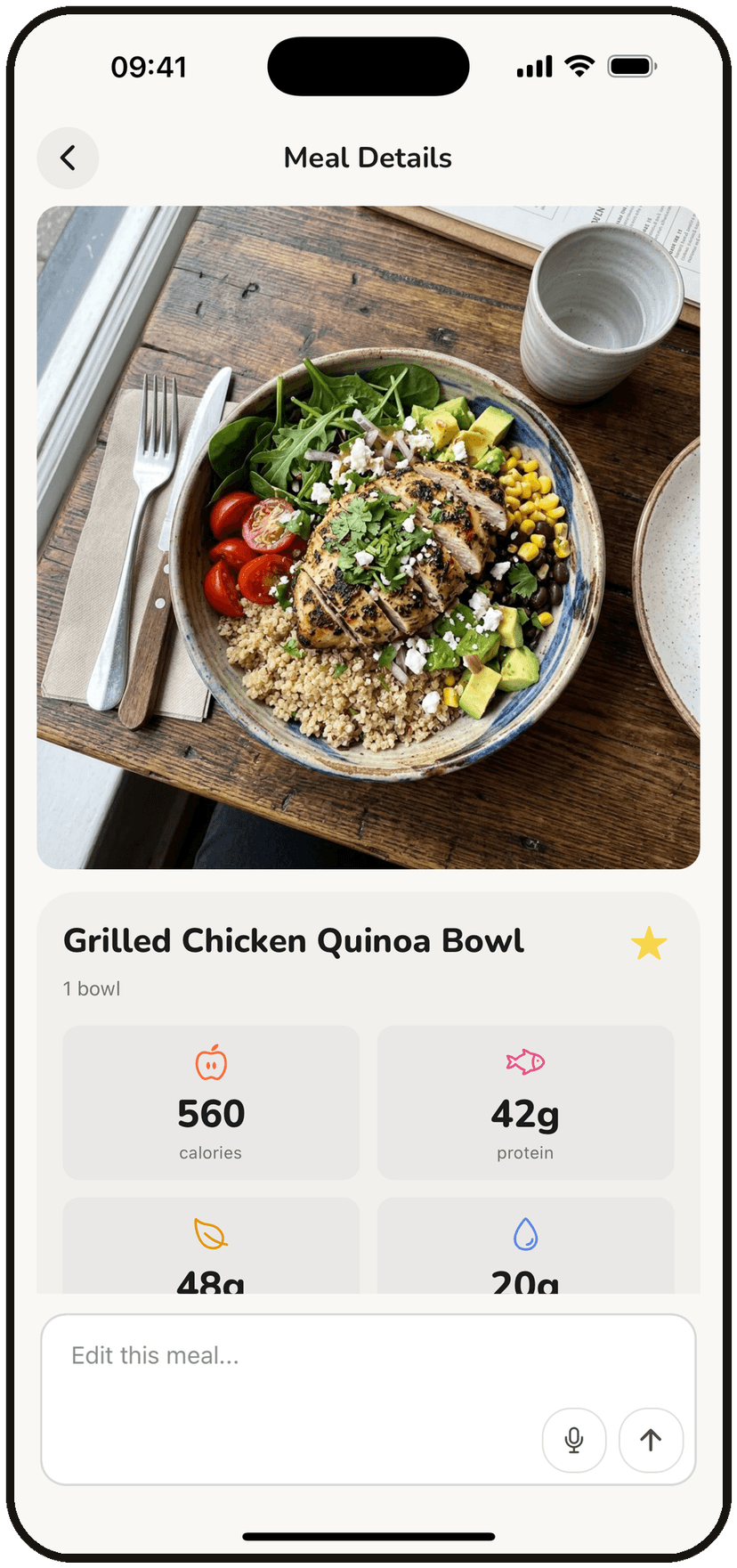
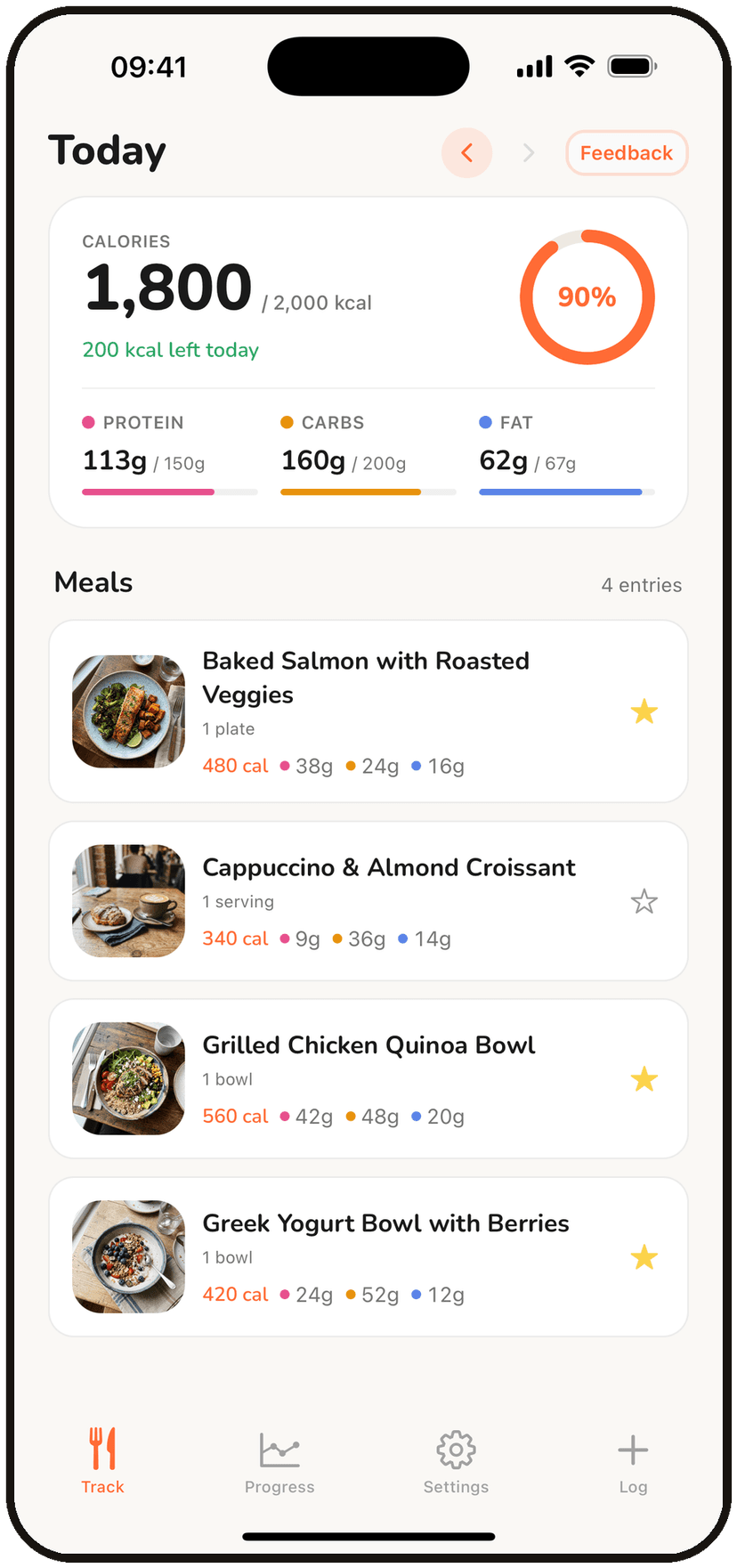
Portion guesses add up fast. BiteKit's AI estimates what's actually on your plate — oils, sides and all — so your log stays close to what you really ate.
- Log meals by photo, voice, or text
- Calories & macros estimated in seconds
- Syncs with Apple Health and Apple Watch
Free download · 3-day free trial, cancel anytime.
Scan with your iPhone camera