Protein Per Dollar Calculator
Compare protein sources by cost efficiency. Input prices and serving sizes to rank foods by grams of protein per dollar and find the best value for your budget.
Food Items
3/10 itemsWhy Protein Cost Efficiency Matters
Protein is the most expensive macronutrient in most diets. Whether you are building muscle, losing weight, or simply trying to eat a balanced diet, hitting your daily protein target can take a significant bite out of your grocery budget. Understanding which protein sources give you the most grams per dollar is one of the most practical ways to eat well without overspending.
Most nutrition advice focuses on what to eat, but rarely addresses how to afford it. A bodybuilder needing 180g of protein per day, an active person targeting 120g, or a family of four trying to serve balanced meals all benefit from knowing exactly which sources stretch their dollar the furthest. The difference between the cheapest and most expensive protein sources can be 10x or more per gram.
$0.50
Budget Sources
Eggs, lentils, canned tuna per 30g protein
$1.50
Mid-Range Sources
Chicken breast, Greek yogurt per 30g protein
$3.00+
Premium Sources
Wild salmon, grass-fed beef per 30g protein
Top Budget Protein Sources
These are consistently among the most affordable protein sources available in most grocery stores. Actual prices vary by location and season, so use the calculator above with your local prices for the most accurate comparison.
Eggs
One of the most versatile and affordable protein sources available. A dozen eggs typically provides 72g of complete protein for around $3-5. Eggs also contain healthy fats, vitamins B12 and D, and choline. At roughly 12-20g of protein per dollar, eggs are consistently one of the best values in any grocery store.
Canned Tuna & Sardines
Canned fish is an underrated protein powerhouse. A single can of tuna provides 30-40g of complete protein for roughly $1-2. Sardines add omega-3 fatty acids and calcium. These shelf-stable options require no cooking and are perfect for quick, high-protein meals on a budget.
Dried Lentils & Beans
Dried legumes are among the cheapest protein sources available, often providing 15-25g of protein per dollar. A one-pound bag of dried lentils contains roughly 100g of protein for around $1-2. While not complete proteins on their own, pairing them with rice or other grains provides all essential amino acids. They also deliver fiber, iron, and folate.
Chicken Thighs & Drumsticks
While chicken breast gets most of the attention, bone-in thighs and drumsticks are significantly cheaper and still excellent protein sources. They tend to be juicier and more forgiving to cook, making them ideal for meal prep. Look for family packs and buy in bulk when they go on sale for the best per-gram protein value.
Whey Protein Powder
Despite being a supplement, whey protein is often one of the most cost-effective protein sources per gram when you buy larger containers. A 5-pound tub typically provides 70+ servings at 20-25g of complete, highly bioavailable protein per serving. While it should not replace whole foods entirely, it is an excellent way to supplement protein intake affordably.
Protein Quality: Complete vs. Incomplete Proteins
Not all protein is created equal. When comparing protein sources by cost, it is important to also consider protein quality. The two main factors are amino acid completeness and bioavailability, which determine how effectively your body can use the protein you consume.
Complete Proteins
Contain all 9 essential amino acids in adequate amounts. Your body can use these efficiently for muscle building and repair.
- Chicken & Turkey: High bioavailability, lean
- Eggs: Gold standard for protein quality
- Fish: Complete protein plus omega-3s
- Dairy: Whey and casein are highly bioavailable
- Soy: The only common plant complete protein
Incomplete Proteins
Missing or low in one or more essential amino acids. Combining different sources throughout the day provides complete nutrition.
- Beans & Lentils: Low in methionine
- Rice & Grains: Low in lysine
- Nuts & Seeds: Vary by type
- Vegetables: Generally low total protein
- Combine: Rice + beans = complete protein
Key takeaway: The cheapest protein per dollar often comes from plant sources, but you may need to eat 20-30% more total grams of plant protein to match the muscle-building effect of animal proteins due to differences in bioavailability and amino acid profiles. Factor this into your cost comparison.
How to Shop for Protein on a Budget
Smart shopping habits can dramatically reduce your protein costs without sacrificing nutrition quality. Here are proven strategies for maximizing your protein budget at the grocery store.
Buy in Bulk and Freeze
Larger packages almost always cost less per serving. Buy family packs of chicken, ground turkey, or beef when on sale, then portion and freeze for later. A chest freezer can pay for itself within months through bulk buying savings. Whey protein in 5-pound containers is typically 30-40% cheaper per serving than single-pound bags.
Compare Unit Prices, Not Package Prices
A $12 package of chicken breast that yields 20 servings is a better deal than a $6 package with 8 servings. Always check the unit price on the shelf tag, or better yet, calculate the protein per dollar using this calculator to get the true comparison.
Mix Premium and Budget Sources
You do not need to eat only the cheapest protein source to stay on budget. Use affordable staples like eggs, canned fish, and legumes for most of your protein, then supplement with higher-quality sources like fresh salmon or steak when your budget allows. This approach balances cost, nutrition, and enjoyment.
Check Store Brands and Sales Cycles
Store-brand Greek yogurt, canned tuna, and frozen chicken are typically 20-40% cheaper than name brands with identical or near-identical nutritional profiles. Learn your store's sales cycles for protein staples and stock up when prices drop. Many stores rotate meat sales on a 6-8 week cycle.
Frequently Asked Questions
What is the cheapest source of protein per dollar?
The cheapest protein sources per dollar typically include eggs, canned tuna, dried lentils, chicken thighs, and whey protein powder. Eggs generally deliver around 12-15g of protein per dollar, while dried lentils and canned tuna can deliver even more depending on local prices. Prices vary by region and store, so using a protein per dollar calculator with your local prices gives the most accurate comparison.
How do you calculate protein per dollar?
To calculate protein per dollar, first determine the total protein in a package by multiplying the number of servings by the grams of protein per serving. Then divide the total protein by the package price. For example, if a $5 package has 10 servings with 6g protein each, that is 60g total protein divided by $5 equals 12g of protein per dollar.
Does protein quality matter when comparing protein per dollar?
Yes, protein quality matters. Complete proteins like chicken, eggs, fish, and dairy contain all essential amino acids your body needs. Plant proteins like lentils and beans are often incomplete, meaning you need to combine them to get all essential amino acids. While plant proteins may be cheaper per gram, you may need to eat more total grams to get the same muscle-building benefit as animal proteins.
What is a good cost per 30 grams of protein?
A cost of $0.50 to $1.50 per 30g serving of protein is generally considered affordable. Budget options like eggs, canned tuna, and dried legumes can deliver 30g of protein for under $1.00. Mid-range sources like chicken breast typically cost $1.00 to $2.00 per 30g. Premium sources like grass-fed beef or wild salmon often cost $3.00 or more per 30g serving.
How can I get enough protein on a tight budget?
To maximize protein on a budget, focus on eggs, canned tuna or sardines, dried lentils and beans, chicken thighs or drumsticks, cottage cheese, whey protein powder, and canned chicken. Buy in bulk when possible, watch for sales, and choose store brands over name brands. Combining cheaper plant proteins with small amounts of animal protein is another effective strategy for hitting protein targets affordably.
Is whey protein powder a good value compared to whole foods?
Whey protein powder is often one of the most cost-effective protein sources per gram, typically delivering 20-30g of protein per dollar depending on the brand. It is also a complete protein with high bioavailability. However, whole foods provide additional nutrients like vitamins, minerals, and fiber that protein powder lacks. A balanced approach that combines both whole food protein sources and protein powder can be both cost-effective and nutritionally complete.
iPhone app · 3-day free trial
You're likely eating 500 calories more than you think
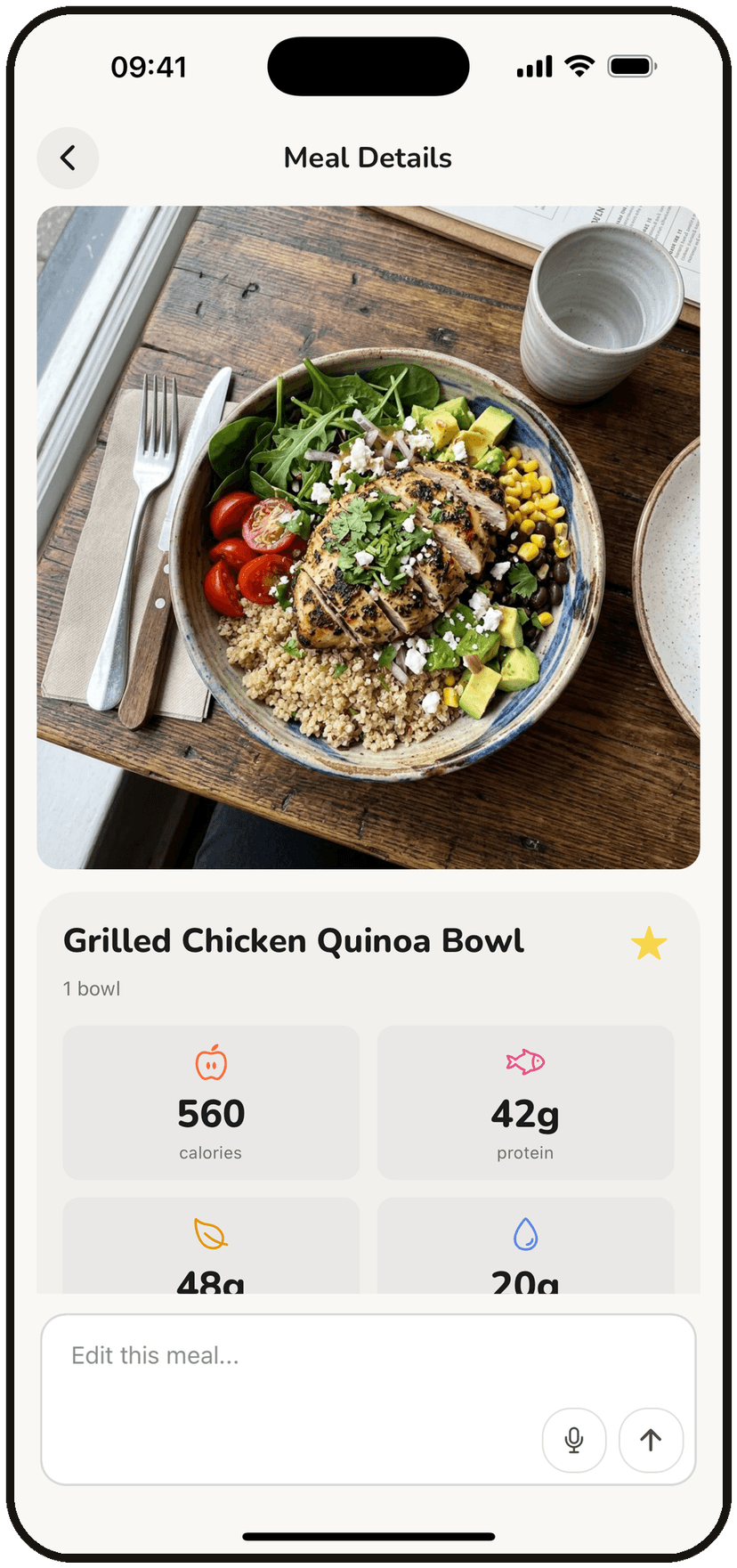
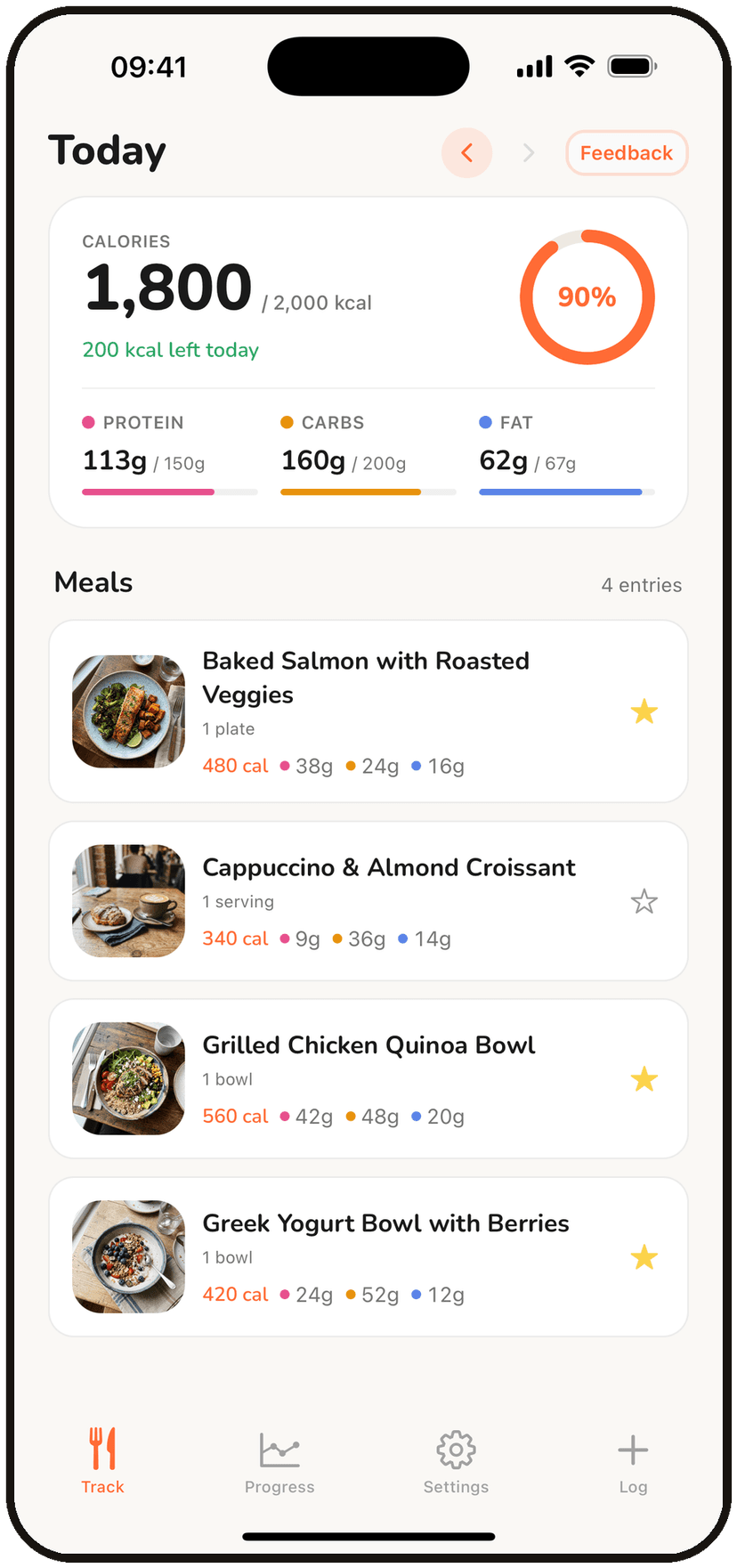
Portion guesses add up fast. BiteKit's AI estimates what's actually on your plate — oils, sides and all — so your log stays close to what you really ate.
- Log meals by photo, voice, or text
- Calories & macros estimated in seconds
- Syncs with Apple Health and Apple Watch
Free download · 3-day free trial, cancel anytime.
Scan with your iPhone camera