Recovery Day Nutrition Calculator
Calculate adjusted calorie and macro targets for rest days vs training days. Optimize muscle recovery with the right balance of protein, carbs, and fat on your days off from the gym.
Rest days: 3 days/week
If you already know your training day calories, enter them here. Otherwise, we'll calculate based on your stats.
Why Rest Day Nutrition Matters
Many people think of rest days as “off days” from nutrition planning, but what you eat on recovery days is just as important as what you eat around your workouts. Muscle repair and growth don't happen during training - they happen during recovery. The training session creates the stimulus; rest and nutrition create the adaptation.
Without proper rest day nutrition, you risk slowing down recovery, losing potential muscle gains, and either overeating (gaining unnecessary fat) or undereating (impairing recovery). The key is adjusting your calorie and macro targets to match your lower energy expenditure while still providing the building blocks your body needs to repair and grow.
Muscle Protein Synthesis
After a training session, muscle protein synthesis stays elevated for 24-48 hours. This means your rest days are when the majority of muscle building actually occurs. Adequate protein and calories on these days are essential to capitalize on this anabolic window.
Energy Balance
Without a training session, your total daily energy expenditure drops significantly. Eating the same calories as a training day creates an unplanned surplus. Strategic calorie reduction on rest days keeps your weekly average aligned with your goals.
Training Day vs Rest Day Macros
The biggest difference between training day and rest day nutrition is carbohydrate intake. On training days, your muscles need carbohydrates for energy during the workout and glycogen replenishment afterward. On rest days, this demand drops significantly.
Carbohydrates: The Primary Variable
Training days typically call for 40-50% of calories from carbs to fuel performance and recovery. Rest days can drop to 25-35% since glycogen demands are minimal. This single adjustment accounts for most of the calorie difference between day types.
Fat: The Counterbalance
As carbs decrease on rest days, healthy fat intake increases slightly (from 20-25% to 30-40% of calories). Fat supports hormone production, reduces inflammation, and provides sustained energy. Foods like avocado, olive oil, nuts, and fatty fish are excellent rest day choices.
Protein: The Constant
Protein stays the same on both days (1.6-2.2g/kg body weight). Your muscles don't stop recovering just because you're not training. In fact, rest days are when the most critical repair work happens. Consistent protein ensures your muscles have the amino acids they need around the clock.
Protein on Rest Days
One of the most common nutrition mistakes is reducing protein on rest days. Research consistently shows that muscle protein synthesis remains elevated for up to 48 hours after resistance training. This means your rest day protein intake directly influences how much muscle you build from yesterday's workout.
The recommended range of 1.6 to 2.2 grams of protein per kilogram of body weight should be maintained every day, not just on training days. If anything, those in a caloric deficit should lean toward the higher end of this range on rest days to protect against muscle loss.
Protein Distribution Matters
On rest days, spread your protein across 4-5 meals rather than concentrating it in one or two large meals. Research shows that consuming 0.4-0.55g/kg of protein per meal maximizes muscle protein synthesis at each feeding. For an 80kg person, that's approximately 32-44g of protein per meal across 4 meals.
Recovery Nutrition by Training Type
Different training styles create different recovery demands. Your rest day nutrition should reflect the specific stress your training places on your body.
Strength Training
Heavy, low-rep work stresses the central nervous system and connective tissue heavily. Rest day nutrition should emphasize anti-inflammatory foods (omega-3 fats, berries, turmeric) and adequate calories to support nervous system recovery. Don't cut rest day calories too aggressively after heavy strength sessions.
Hypertrophy Training
High-volume training creates significant muscle damage and glycogen depletion. Rest days should prioritize protein distribution across meals, moderate carbs for glycogen replenishment, and leucine-rich foods to maximize muscle protein synthesis during the extended recovery period.
Endurance Training
Long cardio sessions deplete glycogen stores more than any other training type. Rest day carb intake may need to stay higher than for strength athletes to ensure glycogen is fully replenished before the next session. Electrolyte replacement is also critical.
Mixed Training
If you combine strength work with conditioning or cardio, rest day nutrition needs to balance both muscle repair and glycogen replenishment. A moderate approach to all macros works best, with protein remaining the top priority.
Frequently Asked Questions
Should I eat less on rest days?
Yes, most people should eat fewer calories on rest days because energy expenditure is lower without a training session. However, the reduction should be moderate (typically 300-600 fewer calories) and come primarily from carbohydrates, not protein. Protein intake should remain high to support ongoing muscle recovery.
How many calories fewer on rest days?
Typically 300-600 fewer calories than training days, depending on your goals. Those focused on muscle gain may only reduce by 200-300 calories, while those in a fat loss phase may reduce by 400-600 calories. The exact number depends on your training intensity and body composition goals.
Should protein be the same on rest days?
Yes. Muscle protein synthesis stays elevated 24-48 hours after training, so your rest days are when most muscle building occurs. Keep protein at 1.6-2.2g per kilogram of body weight every day. If anything, those in a caloric deficit should aim for the higher end on rest days.
What macros change on rest days?
Carbohydrates decrease the most (from 40-50% to 25-35% of calories) since glycogen demands are lower. Fat increases slightly (from 20-25% to 30-40%) to support hormone production and satiety. Protein stays constant. This shift naturally reduces total calories while keeping nutrition optimal for recovery.
Will eating less on rest days hurt my recovery?
A moderate calorie reduction does not impair recovery as long as protein stays high and you are not in an extreme deficit. Your body needs protein and sufficient total calories for recovery - the carb reduction simply reflects lower glycogen demands on non-training days.
How does training type affect rest day nutrition?
Strength training creates more nervous system fatigue and joint stress, benefiting from anti-inflammatory foods. Hypertrophy training creates more muscle damage, requiring careful protein distribution. Endurance training depletes more glycogen, meaning rest day carbs should stay slightly higher. This calculator accounts for these differences.
iPhone app · 3-day free trial
You're likely eating 500 calories more than you think
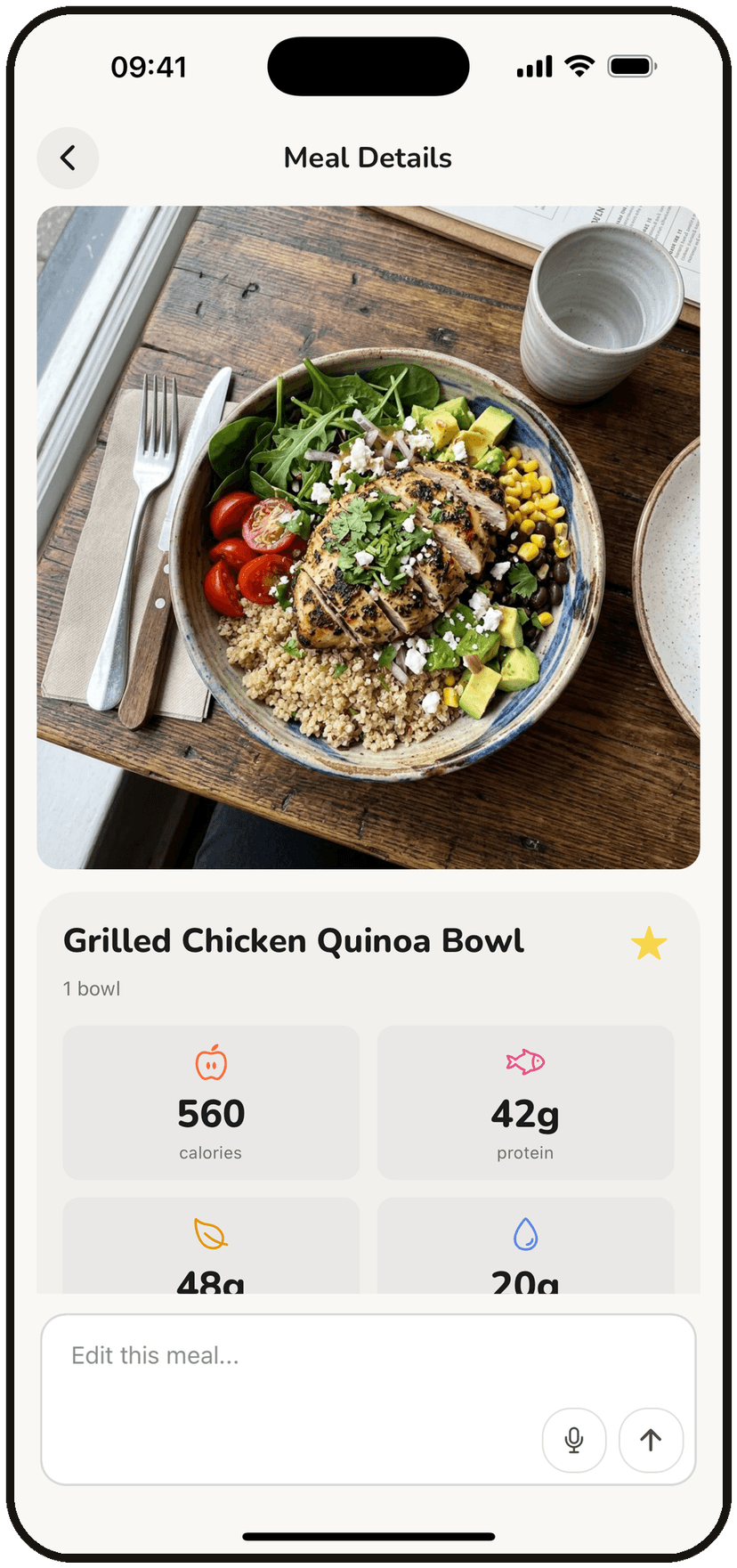
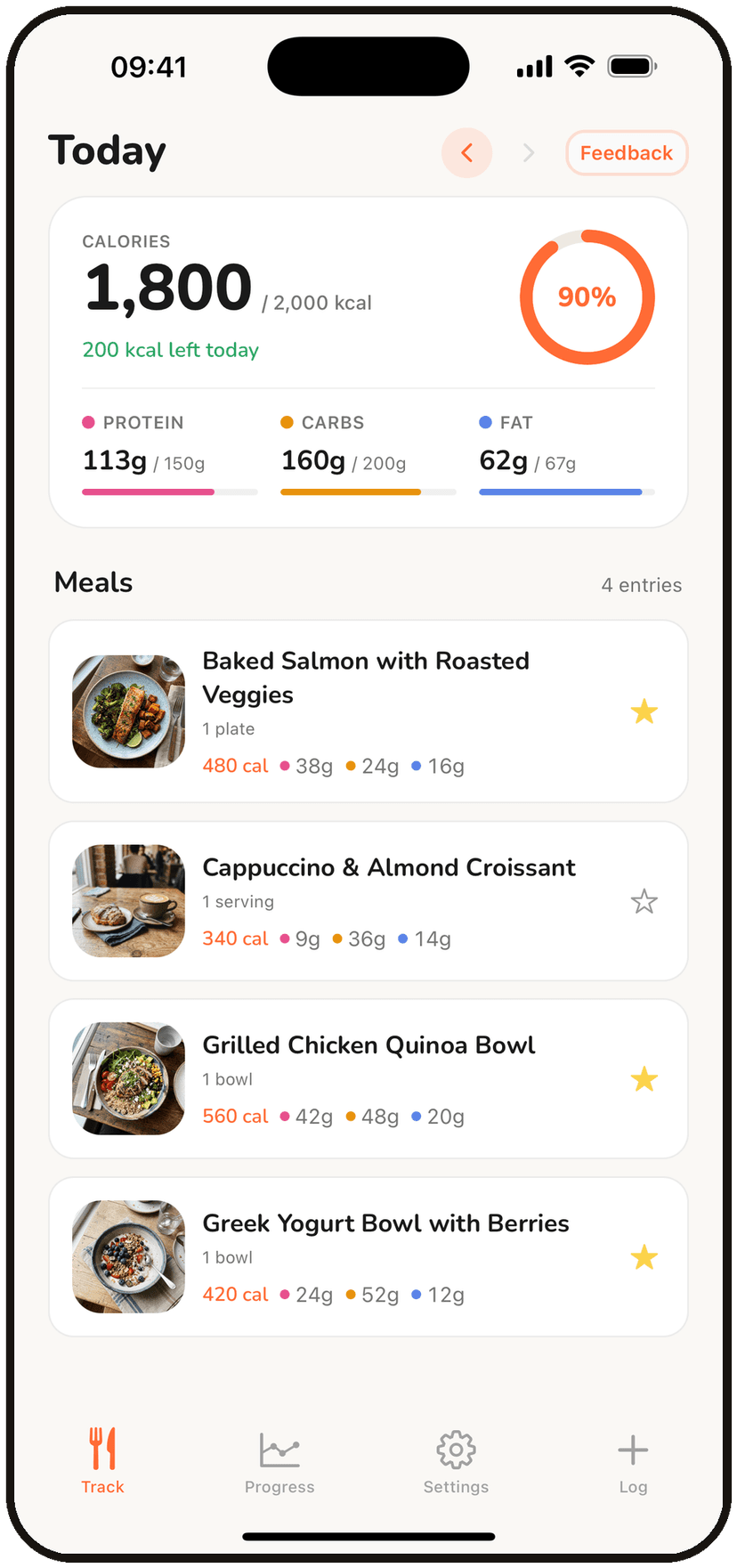
Portion guesses add up fast. BiteKit's AI estimates what's actually on your plate — oils, sides and all — so your log stays close to what you really ate.
- Log meals by photo, voice, or text
- Calories & macros estimated in seconds
- Syncs with Apple Health and Apple Watch
Free download · 3-day free trial, cancel anytime.
Scan with your iPhone camera