Recovery Readiness Score Calculator
Get a daily 0–100 readiness score from resting heart rate, sleep, soreness, stress, and training load — so you know exactly whether to push hard or prioritize recovery today.
Recovery Readiness Score Calculator
Enter your daily metrics to calculate your training readiness score on a 0–100 scale.
What Is Recovery Readiness?
Recovery readiness is a measure of how well-prepared your body and mind are to absorb and adapt to training stress. It is not the same as how motivated you feel — athletes often feel psychologically ready to train hard when their physiology is under-recovered, which is a leading cause of overreaching and injury.
Wearable devices like Whoop, Oura Ring, and Garmin have popularized daily readiness scoring by continuously tracking heart rate variability (HRV), resting heart rate, sleep stages, and other signals. This calculator replicates the conceptual logic using manually-entered inputs — giving you a meaningful readiness estimate without a wearable subscription.
Resting Heart Rate as a Recovery Proxy
Heart rate variability (HRV) is the gold standard for autonomic nervous system recovery assessment, but measuring it accurately requires specialized equipment. Resting heart rate (RHR) is the next best accessible proxy: it reflects the balance between your sympathetic (fight-or-flight) and parasympathetic (rest-and-digest) nervous systems.
What matters is not your absolute RHR number but how it compares to your personal baseline. An RHR of 65 bpm is completely normal for one athlete and a sign of fatigue for another whose baseline is 48 bpm. Elevations of 5–7 bpm above your typical value are a reliable indicator that your body needs more recovery time.
| RHR vs. Baseline | Score Impact | Interpretation |
|---|---|---|
| Below baseline | +5 bonus | Excellent — high parasympathetic tone |
| At baseline (0–3 bpm above) | 0 | Normal — well-recovered |
| 4–6 bpm above | −10 | Mild stress — moderate training ok |
| 7–10 bpm above | −20 | Significant elevation — consider easy day |
| 11+ bpm above | −30 | High stress signal — rest or very light only |
The Sleep-Performance Connection
Sleep is not passive downtime — it is the primary window for physical and neural adaptation. Muscle protein synthesis peaks during deep NREM sleep, growth hormone is secreted in pulses throughout the night, and the motor patterns learned during training are consolidated into long-term memory.
Duration vs. Quality
Both matter independently. Duration without quality produces fragmented sleep architecture with insufficient deep (slow-wave) sleep. Quality without sufficient duration leaves insufficient time for the hormonal processes to complete. The scoring algorithm here accounts for both as separate inputs because athletes commonly sacrifice one for the other.
Sleep and Injury Risk
A landmark study of adolescent athletes found that those sleeping fewer than 8 hours per night were 1.7 times more likely to sustain an injury than those sleeping 8+ hours. Inadequate sleep impairs reaction time, coordination, and tissue repair — all of which increase injury risk during training.
Nutrition for Accelerated Recovery
Training stress breaks tissue down; nutrition and rest build it back stronger. Athletes who consistently under-fuel recovery accumulate residual fatigue even when sleep is adequate. The following nutritional strategies have strong evidence for improving recovery speed and quality.
Post-Exercise Protein Timing
Consuming 0.4–0.5 g/kg of high-quality protein (leucine-rich sources like whey, eggs, chicken, or Greek yogurt) within 2 hours post-exercise maximizes muscle protein synthesis. For a 75 kg athlete, this is approximately 30–37 g of protein — roughly one large chicken breast or 1.5 cups of Greek yogurt.
Carbohydrate Replenishment
Glycogen restoration is particularly important if you train twice per day or on consecutive days. Consuming 1–1.2 g/kg of carbohydrates immediately post-exercise (along with protein) maximizes glycogen re-synthesis rates. Practical sources include rice, oats, banana, sweet potato, or sports drinks for rapid delivery.
Anti-Inflammatory Foods
Chronic low-grade inflammation impairs recovery and adaptation. Evidence-backed anti-inflammatory foods include tart cherry juice (shown in multiple RCTs to reduce muscle soreness and accelerate strength recovery), omega-3 fatty acids from fatty fish (EPA/DHA reduce inflammatory markers), turmeric (curcumin inhibits NF-κB inflammatory pathway), and blueberries (polyphenols accelerate muscle function recovery after eccentric exercise).
Hydration and Electrolytes
Even mild dehydration (1–2% body weight loss) impairs strength, endurance, and cognitive performance. Athletes who train heavily in heat can lose 2–3 liters per hour. Post-exercise rehydration should replace 150% of estimated fluid losses. Including sodium (250–500 mg per 500 ml), potassium, and magnesium improves fluid retention and reduces cramping compared to plain water alone.
Recognizing Overreaching and Overtraining
Overreaching is short-term accumulated fatigue that resolves with 1–2 weeks of reduced load. Overtraining syndrome (OTS) is a more severe condition requiring months of recovery. Both begin with the same warning signs — persistently elevated RHR, declining performance despite training, poor sleep, increased illness frequency, and persistent muscle soreness.
Using a daily readiness score helps identify these patterns before they become acute. A readiness score below 50 for three or more consecutive days is a warning sign that training volume or intensity should be reduced regardless of what your planned program says.
Frequently Asked Questions
What is a recovery readiness score?
A recovery readiness score combines resting heart rate, sleep duration, sleep quality, muscle soreness, stress, and training load into a 0–100 number. A score above 85 means your body is primed for hard training; below 30 means rest is the most productive choice.
Why does resting heart rate matter for recovery?
Resting heart rate is a proxy for autonomic nervous system recovery. An elevated RHR (5+ bpm above your baseline) signals that your sympathetic nervous system is still activated from prior stress, meaning your body hasn't fully recovered. What matters is your personal deviation, not your absolute number.
How much does sleep affect training performance?
Significantly. Even one night under 6 hours reduces strength by 3–8%, raises perceived exertion, impairs coordination, and elevates cortisol. Deep sleep is when growth hormone is released and muscle repair peaks — skimping on it directly limits adaptation from training.
What score should I aim for before a competition?
Aim for 85 or above. That requires: RHR at or below baseline, 8+ hours of quality sleep, minimal soreness, low stress, and a light or rest day the day before. If your score is under 70 on race morning, focus on warm-up quality and nutrition timing.
Can I train when my readiness score is low?
Yes, but adjust your intensity. A score of 50–69 calls for moderate work without maximum efforts. A score of 30–49 is appropriate only for active recovery — walking, gentle cycling, mobility work. Below 30, rest and recovery nutrition should be the priority.
What nutrition strategies improve recovery?
Key strategies: 0.4–0.5 g/kg protein post-exercise (chicken, eggs, Greek yogurt); carbohydrates to replenish glycogen; hydration with electrolytes; and anti-inflammatory foods like tart cherry juice, blueberries, fatty fish, and turmeric. Adequate magnesium also improves sleep quality and supports overnight muscle repair.
Related Tools
iPhone app · 3-day free trial
You're likely eating 500 calories more than you think
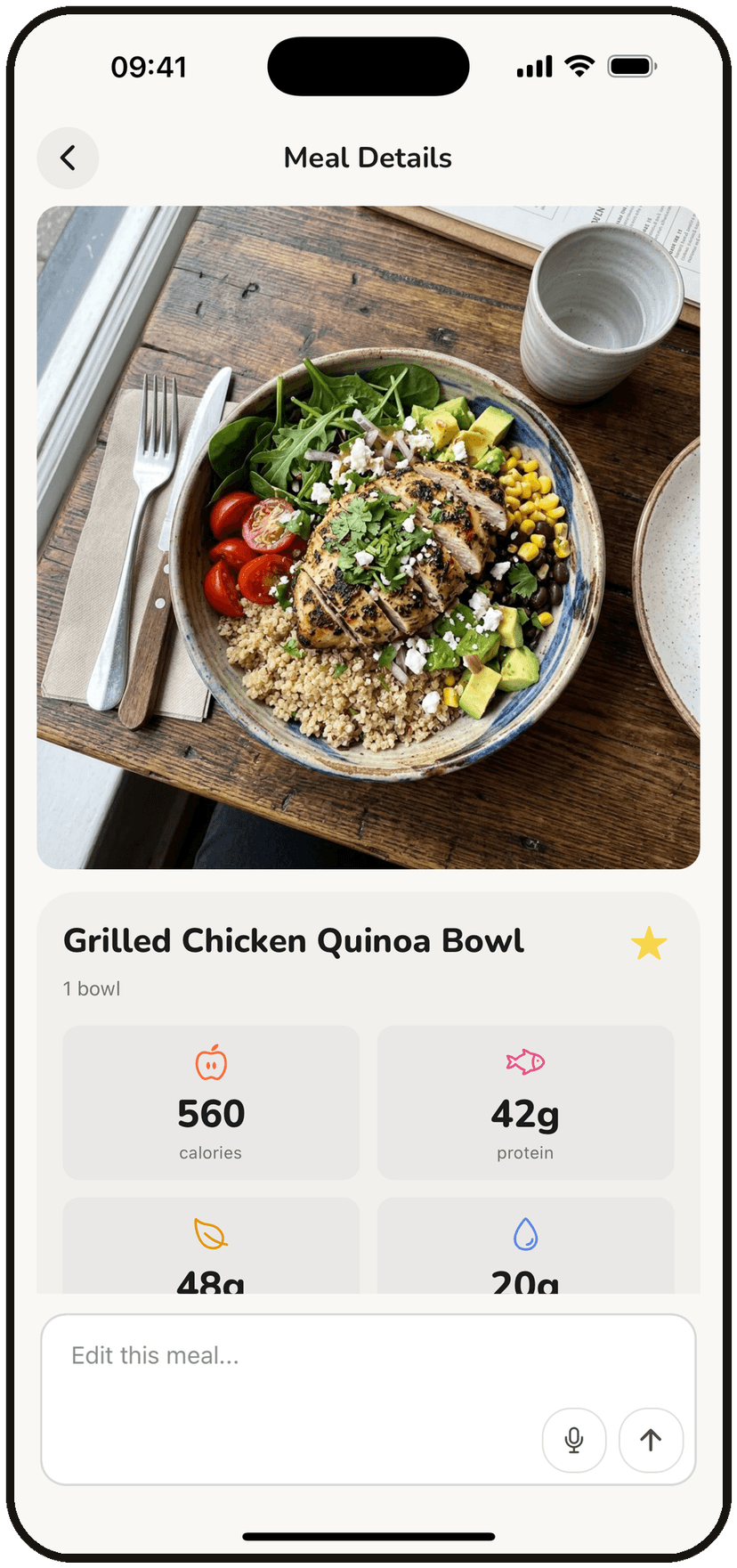
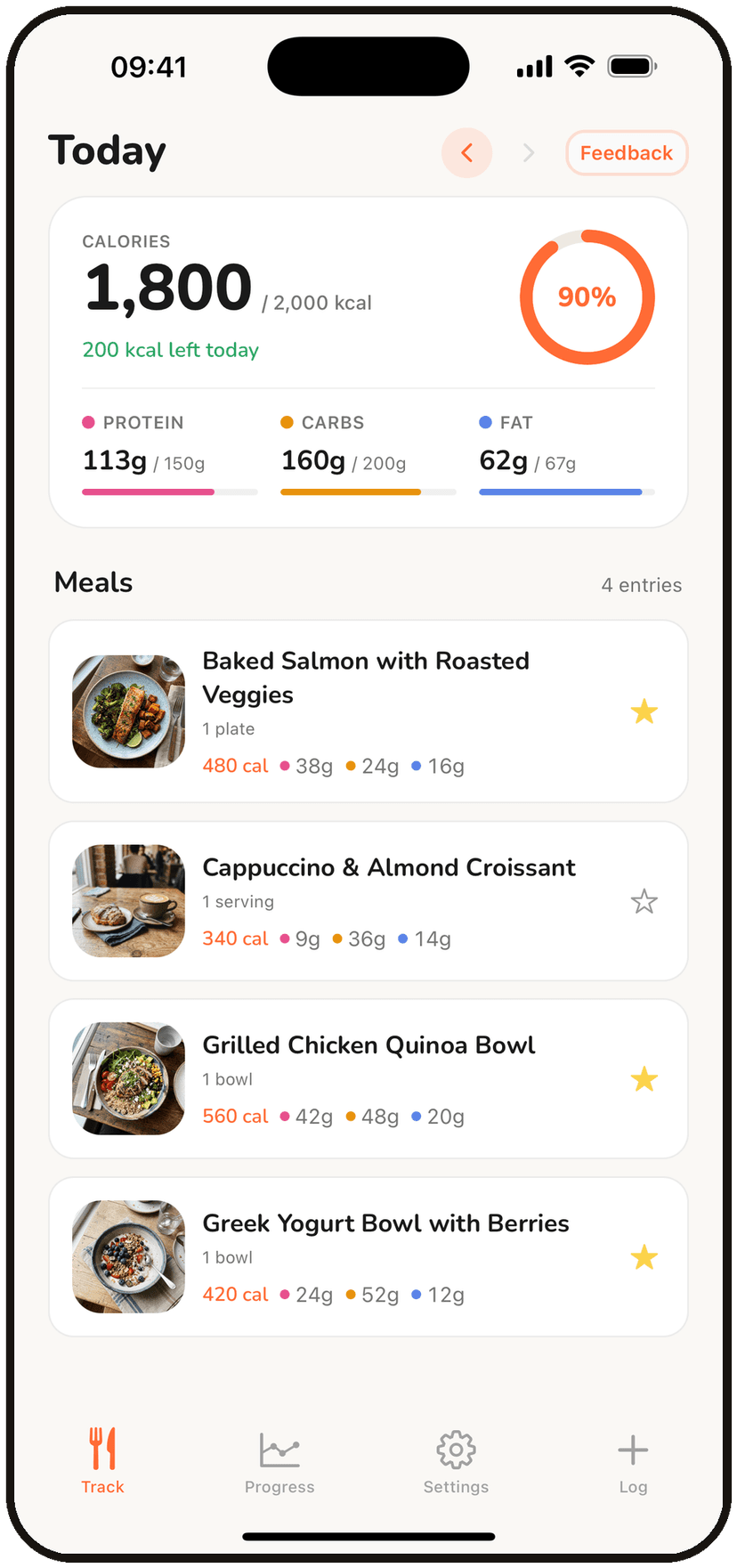
Portion guesses add up fast. BiteKit's AI estimates what's actually on your plate — oils, sides and all — so your log stays close to what you really ate.
- Log meals by photo, voice, or text
- Calories & macros estimated in seconds
- Syncs with Apple Health and Apple Watch
Free download · 3-day free trial, cancel anytime.
Scan with your iPhone camera