Rice Calorie Calculator
Find the exact calories and macros for any rice type and portion size. Works for white, brown, jasmine, basmati, wild, and cauliflower rice — raw or cooked, in grams or cups.
Calculate Rice Nutrition
Rice Nutrition Facts by Type
Rice is one of the most widely eaten grains in the world, but not all rice is nutritionally identical. The type of rice, how it is processed, and whether it is measured raw or cooked can significantly change the calorie count you log.
White Rice
White rice is milled to remove the bran and germ layers, leaving a starchy endosperm that cooks quickly and has a mild flavor. At around 130 calories per 100g cooked, it is a moderate-calorie carb source. Its low fiber content (0.4g per 100g) means it digests quickly, making it popular for post-workout meals where fast carbohydrate replenishment is the goal.
Brown Rice
Brown rice retains its bran and germ, giving it a chewier texture, nuttier flavor, and superior micronutrient profile. With 123 calories and 1.6g of fiber per 100g cooked, brown rice digests more slowly than white rice, producing a gentler blood sugar response. It is a good choice for sustained energy and satiety during a calorie deficit.
Jasmine and Basmati Rice
Jasmine rice originates from Thailand and has a slightly floral aroma with soft, sticky grains. Its nutrition (129 cal, 28.2g carbs per 100g cooked) is nearly identical to standard white rice. Basmati rice, common in South Asian cuisines, is distinctly lower in calories (121 cal per 100g cooked) and notably higher in protein at 3.5g per 100g — the highest among the white rice varieties.
Wild Rice
Wild rice is technically the seed of an aquatic grass, not true rice. It has the lowest calorie count of all types in this calculator at 101 calories per 100g cooked, and the highest protein at 4.0g per 100g. It is also rich in antioxidants and minerals. Wild rice triples in volume when cooked (1g raw becomes ~3g cooked), so raw measurements can look deceptively high-calorie.
Cauliflower Rice
Cauliflower rice is not a grain at all — it is finely grated cauliflower used as a low-carb substitute. At just 25 calories and 5g carbs per 100g, it delivers an 80% calorie reduction compared to white rice. It is especially popular on ketogenic, low-carb, and calorie-restricted diets. Despite the lower carb count, it provides 2.0g of fiber per 100g, supporting gut health.
Raw vs. Cooked Rice: Why It Matters
One of the most common calorie-tracking mistakes with rice is confusing raw and cooked weights. Rice absorbs a significant amount of water during cooking, roughly doubling or tripling its weight. The calories do not change — only the weight increases because of the absorbed water.
- White, jasmine, basmati rice: 1g raw ≈ 2.7g cooked (absorbs 1.7x its weight in water)
- Brown rice: 1g raw ≈ 2.5g cooked
- Wild rice: 1g raw ≈ 3.0g cooked
For example: 100g of raw white rice expands to approximately 270g cooked, and both contain the same ~470 calories. If you weigh 100g of cooked white rice, you are looking at around 130 calories — a very different number. Always note which state (raw or cooked) a label or app uses when entering your portion.
Cups vs. Grams: Which Is More Accurate?
Grams are always more accurate than cups for calorie tracking because volume measurements vary depending on how tightly rice is packed into the cup. That said, cup measurements are practical in everyday cooking.
- 1 cup cooked rice ≈ 186g ≈ 242 calories (white rice)
- 1 cup raw white rice ≈ 185g ≈ 675 calories (raw), or ~1,850 calories once it becomes ~500g cooked
If you are tracking macros seriously, invest in a kitchen scale and weigh cooked rice directly in your bowl. This eliminates the raw-to-cooked conversion uncertainty entirely.
Choosing the Right Rice for Your Goals
For weight loss
Cauliflower rice is the obvious winner if you want to significantly reduce calories and carbs. If you prefer real rice, wild rice offers the lowest calories with the highest protein — a combination that supports satiety. Brown rice is a solid middle ground, with higher fiber slowing digestion.
For muscle gain and performance
White rice is a classic bulking staple because of its high digestibility and quick energy delivery. Athletes often eat white or jasmine rice post-workout to replenish glycogen rapidly. Basmati and wild rice offer higher protein if you want to maximize protein per calorie.
For general health and blood sugar management
Brown rice has a lower glycemic index than white rice due to its higher fiber content. Wild rice also has a favorable blood sugar response. Pairing any rice with protein, fat, and non-starchy vegetables significantly lowers the glycemic impact of the entire meal.
Frequently Asked Questions
How many calories are in 1 cup of cooked white rice?
One cup of cooked white rice (approximately 186g) contains around 242 calories, with about 5g protein, 52.5g carbs, 0.6g fat, and 0.7g fiber.
Is brown rice lower in calories than white rice?
Brown rice is slightly lower in calories (123 cal vs. 130 cal per 100g cooked) and significantly higher in fiber (1.6g vs. 0.4g per 100g), which helps with satiety and slower digestion.
Does rice expand when cooked, and how does that affect calories?
Yes — rice absorbs water and roughly doubles or triples in weight when cooked. The total calories stay the same; only the weight increases. Always note whether a portion is raw or cooked when tracking.
Which rice type is highest in protein?
Wild rice leads at 4.0g protein per 100g cooked, followed by basmati rice at 3.5g. White, brown, and jasmine rice contain 2.5–2.7g per 100g cooked.
How many calories does cauliflower rice have compared to white rice?
Cauliflower rice has only about 25 calories per 100g — roughly 80% fewer calories than white rice (130 cal/100g). It is also much lower in carbs (5g vs. 28g per 100g).
Should I weigh rice raw or cooked for calorie tracking?
Weighing cooked rice is generally more practical and accurate for everyday tracking. The expansion ratio can vary slightly based on brand and cooking method, so measuring after cooking eliminates that uncertainty.
Related Tools
iPhone app · 3-day free trial
You're likely eating 500 calories more than you think
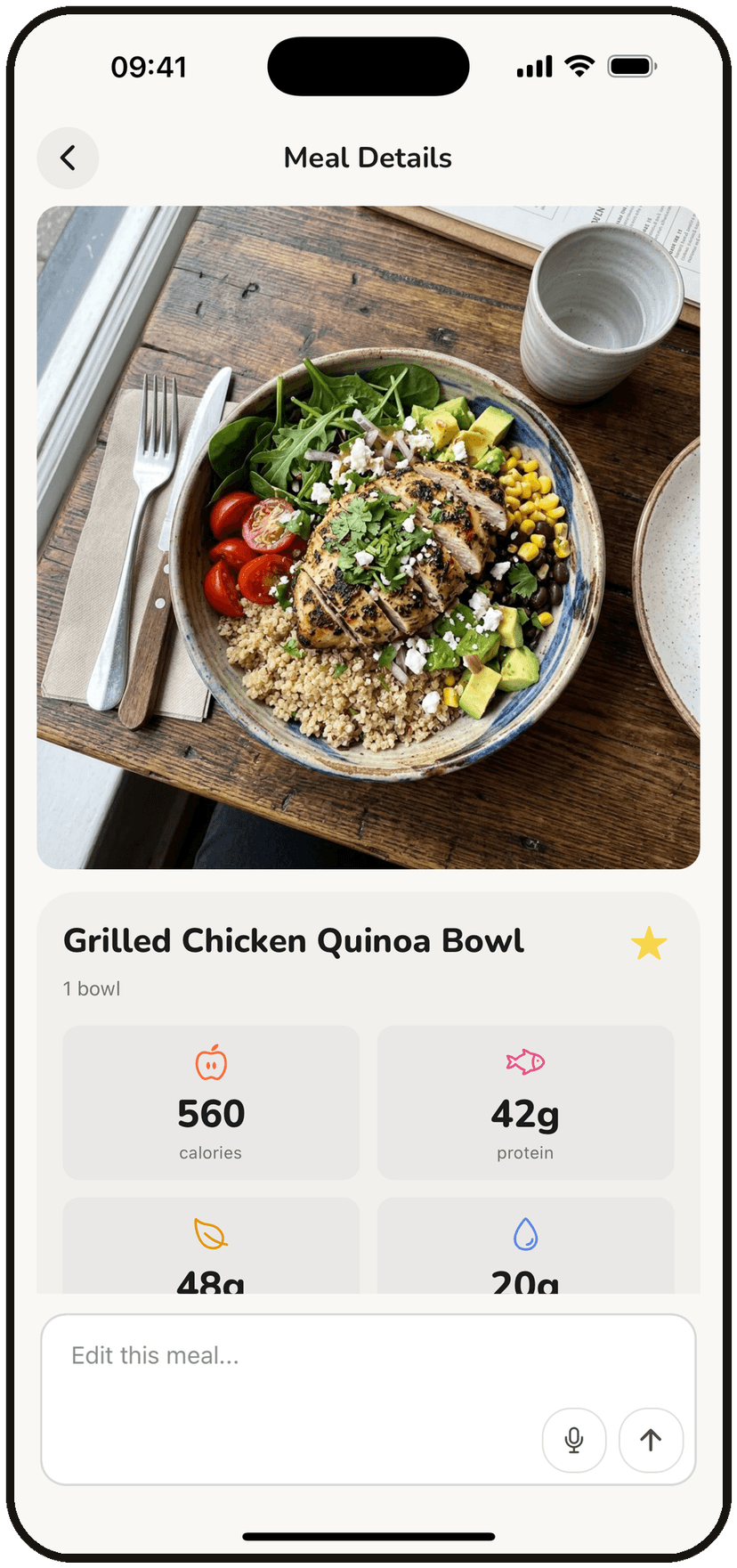
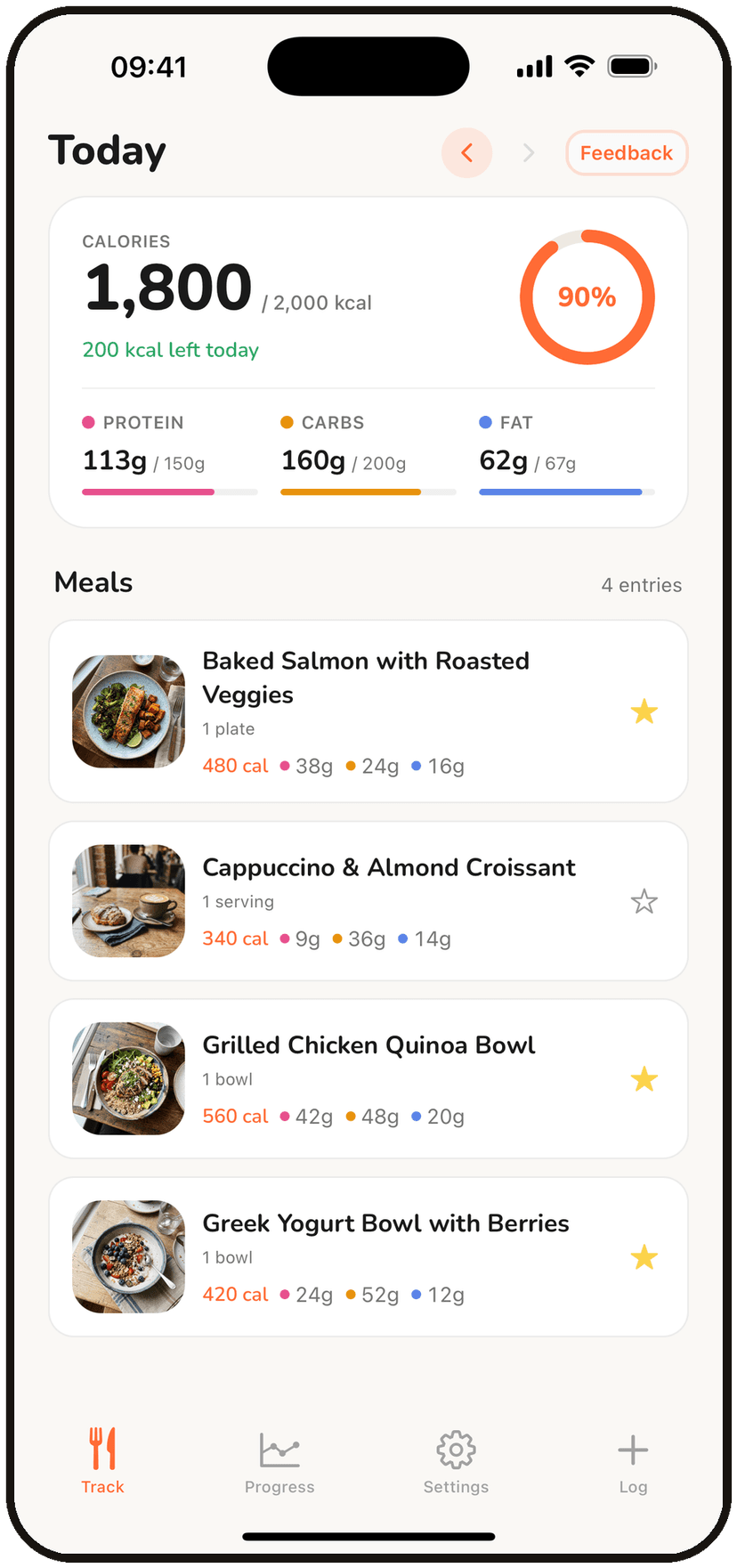
Portion guesses add up fast. BiteKit's AI estimates what's actually on your plate — oils, sides and all — so your log stays close to what you really ate.
- Log meals by photo, voice, or text
- Calories & macros estimated in seconds
- Syncs with Apple Health and Apple Watch
Free download · 3-day free trial, cancel anytime.
Scan with your iPhone camera