Rowing Calorie Calculator
Estimate calories burned on the Concept2 ergometer, on-water, or a rowing machine — by duration, stroke rate or split time, and body weight. Includes PM5-style cal/hour output.
How It Works
This calculator uses MET (Metabolic Equivalent of Task) values validated against rowing ergometer research. Formula: Calories = MET × weight (kg) × duration (hours). On-water rowing adds 0.5 MET due to balance and wind resistance. Distance is estimated from your split time and the Concept2 pace formula.
Understanding Rowing Calorie Burn
How the MET Formula Works
This calculator uses the MET (Metabolic Equivalent of Task) method, the same approach used by exercise scientists and validated against direct calorimetry measurements. The formula is:
Calories = MET × body weight (kg) × duration (hours)
Rowing MET values range from 7.0 for light effort up to 14.0 for race-pace rowing. One MET equals the energy expenditure at rest (approximately 1 kcal/kg/hour), so a MET of 8.5 means you're burning 8.5 times your resting metabolic rate.
MET Values Used
The MET values in this calculator are based on the Compendium of Physical Activities and rowing ergometer research:
| Effort Level | Stroke Rate | Split (/500m) | Base MET |
|---|---|---|---|
| Light | 18–20 spm | > 2:30 | 7.0 |
| Moderate | 22–24 spm | 2:00–2:30 | 8.5 |
| Vigorous | 26–28 spm | 1:45–2:00 | 12.0 |
| Race Pace | 30+ spm | < 1:45 | 14.0 |
On-water rowing adds +0.5 MET due to balance, wind resistance, and steering demands. Very low-resistance rowing machines (gym models) are adjusted down by 1.0 MET.
Why the Concept2 PM5 Overestimates Your Calorie Burn
The Concept2 Performance Monitor (PM5) calculates calories based on a standard 270 lb (122.5 kg) reference athlete. Because calorie expenditure scales with body weight, lighter rowers will see inflated numbers on the monitor. For example, a 150 lb rower will actually burn about 45% fewer calories than the PM5 displays.
This calculator corrects for that by using your actual body weight. The cal/hour figure displayed in your results is the equivalent of the real-time pace shown on a Concept2 monitor adjusted for your weight.
Rowing vs. Other Cardio: Calorie Comparison
Rowing is one of the most calorie-efficient forms of cardio because it engages nearly every major muscle group. Here's how a moderate 30-minute session at 155 lbs (70 kg) compares:
- Rowing (moderate, ergometer)~298 cal
- Running (6 mph / 10 min mile)~354 cal
- Cycling (moderate)~245 cal
- Swimming (freestyle, moderate)~291 cal
- HIIT (vigorous intervals)~350 cal
Rowing stands out because it is joint-friendly and develops both cardiovascular endurance and muscular strength simultaneously.
How Stroke Rate Affects Calorie Burn
More strokes per minute does not automatically mean more calories burned. Power per stroke (how hard you drive) matters more than rate. Elite rowers often achieve better splits at lower stroke rates (18–24 spm) by maximizing power output per stroke rather than spinning the rate up.
For calorie burning, the most effective approach is:
- Drive powerfully through your legs on each stroke
- Maintain a sustainable pace that keeps your split below 2:30 per 500m
- Prioritize longer sessions at moderate intensity over short max-effort sprints
- Use interval training (e.g., 6 × 500m) to increase average power output over time
Tips for Maximizing Rowing Efficiency
- Leg drive first: About 60% of rowing power comes from your legs. Focus on a strong push at the catch position.
- Control the recovery: The slide back to the catch should be slower than the drive. A 2:1 recovery-to-drive ratio is ideal for most rowers.
- Damper 3–6: Most fitness rowers get the best workout at moderate damper settings. High damper settings can lead to fatigue and poor technique.
- Consistent split: A steady split throughout a session indicates efficient pacing. Aim for negative splits (getting faster) in longer pieces.
- Track your progress: The Concept2 logbook tracks your split times and calorie output over weeks. BiteKit reads the calories you burn from Apple Health into your daily energy balance.
Frequently Asked Questions
How many calories does rowing burn per hour?
A 155 lb (70 kg) person burns approximately 490–980 calories per hour rowing, depending on intensity. Light rowing burns ~490 cal/hr, moderate ~595 cal/hr, vigorous ~840 cal/hr, and race-pace rowing ~980 cal/hr. Heavier athletes burn proportionally more.
Does the Concept2 calorie count match this calculator?
The Concept2 PM5 assumes a 270 lb rower, so it overestimates calories for most people. This calculator uses your actual body weight for a more accurate personal estimate. The cal/hour figure displayed is comparable to the PM5 display but adjusted for your weight.
Is rowing good for weight loss?
Yes. Rowing is a full-body, low-impact exercise engaging ~86% of your muscles. It burns 400–1000+ cal/hr depending on intensity and weight, making it one of the most efficient cardio options for fat loss with minimal joint stress.
What is a good split time for rowing?
For recreational rowers: above 2:30 per 500m is easy/beginner, 2:00–2:30 is moderate, 1:45–2:00 is vigorous. Elite male rowers can sustain sub-1:30 splits in races. A sustainable 30-minute pace for fit recreational athletes is typically 2:00–2:15.
How does damper setting affect calorie burn?
The damper controls air flow to the flywheel. Higher settings make each stroke heavier but slower. Calorie burn is determined by total power output (split time), not damper setting alone. Most rowers use damper 3–6 for the best balance of efficiency and technique.
How accurate is the MET-based rowing calorie estimate?
MET estimates are typically within 10–20% for most people. Individual technique, actual power output, and metabolic efficiency affect real calorie burn. This calculator provides a reliable estimate for planning and tracking purposes.
iPhone app · 3-day free trial
You're likely eating 500 calories more than you think
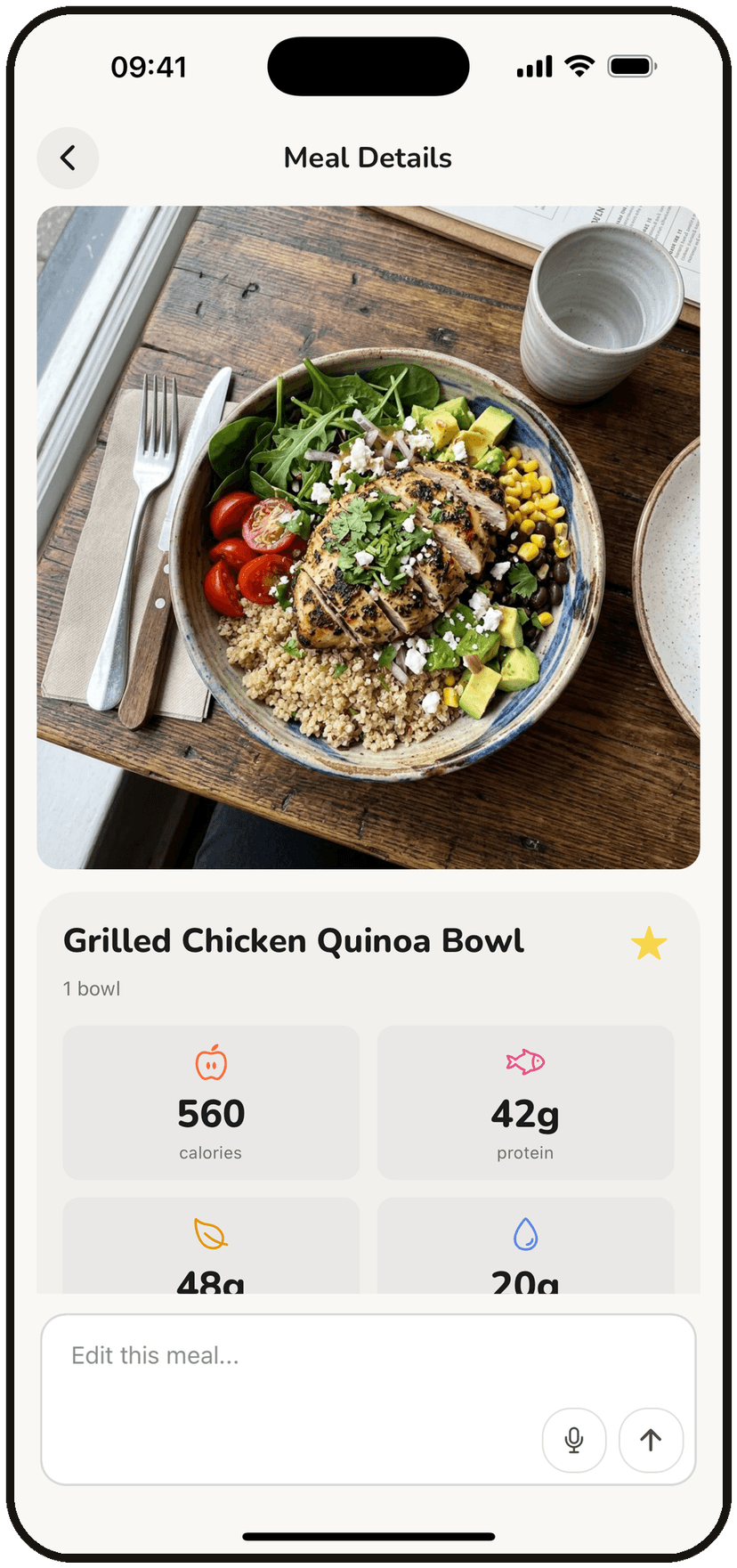
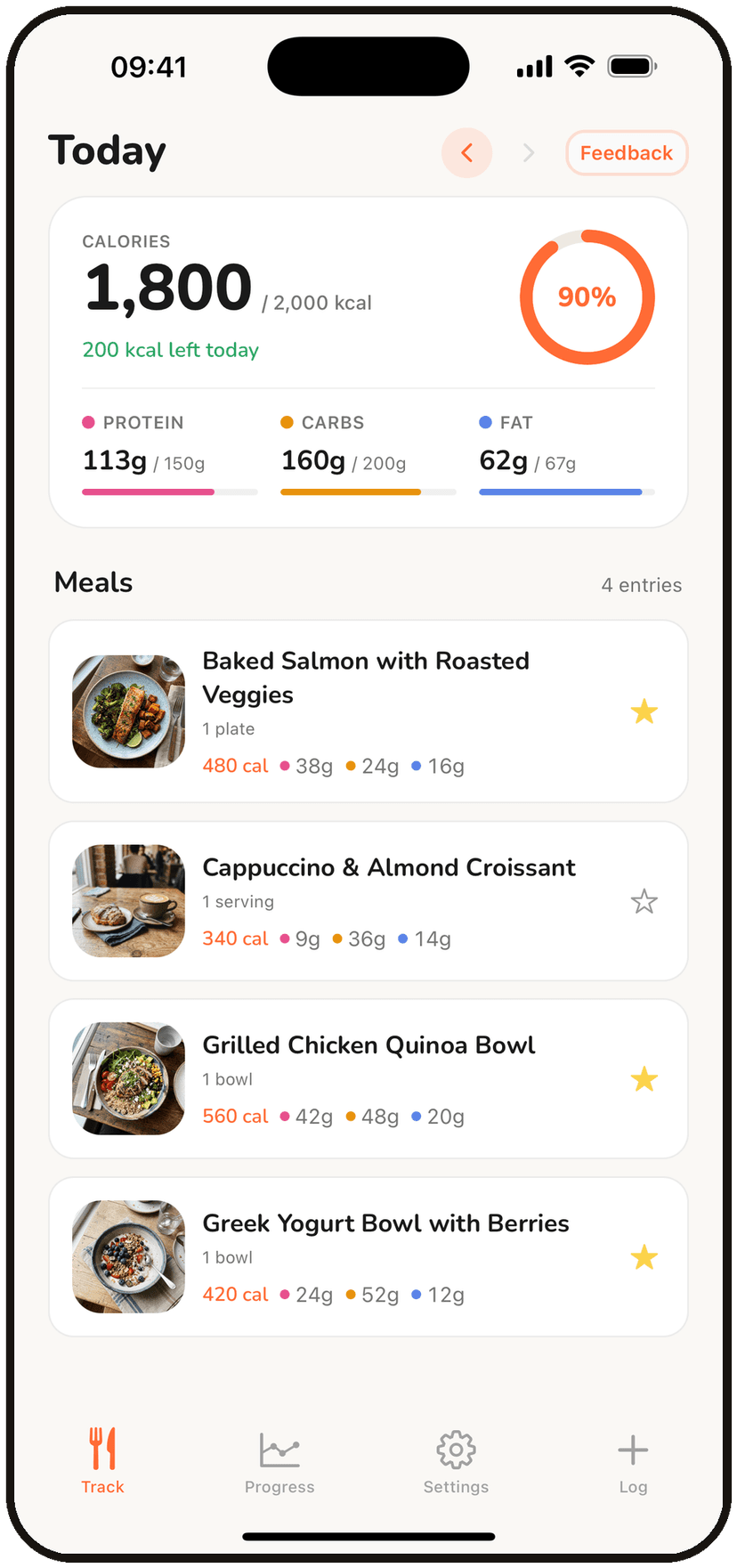
Portion guesses add up fast. BiteKit's AI estimates what's actually on your plate — oils, sides and all — so your log stays close to what you really ate.
- Log meals by photo, voice, or text
- Calories & macros estimated in seconds
- Syncs with Apple Health and Apple Watch
Free download · 3-day free trial, cancel anytime.
Scan with your iPhone camera