Running Pace & Calorie Calculator
Calculate your pace per mile or kilometer, split times, calories burned, and predicted race times for any running distance and terrain.
Road or track running (1.0x calorie multiplier)
How It Works
This calculator computes your running pace, speed, and calorie burn using MET-based energy expenditure formulas. Calories are adjusted for terrain difficulty. Race predictions use the Riegel formula (T2 = T1 × (D2/D1)^1.06), a well-established model for predicting equivalent performance across different distances.
Understanding Running Pace
Running pace is the time it takes to cover a specific distance, typically expressed as minutes per mile (min/mi) or minutes per kilometer (min/km). Unlike speed (which measures distance per time), pace tells you how long each unit of distance takes — making it the most practical metric for runners planning their training and races.
Pace is inversely related to speed: a faster speed means a lower (faster) pace number. For example, running at 6 mph equals a pace of 10:00/mi, while running at 8 mph equals a pace of 7:30/mi. Understanding this relationship helps you set realistic training targets and race goals.
Beginner
10:00-13:00
min/mi
Intermediate
7:30-10:00
min/mi
Advanced
5:30-7:30
min/mi
How Calories Burned Running Are Calculated
This calculator uses the MET (Metabolic Equivalent of Task) method to estimate calories burned. MET values represent the energy cost of an activity relative to resting metabolism. The formula is:
Calories = MET × Weight (kg) × Duration (hours)
MET values increase with running speed, reflecting the greater energy demand of faster running:
Example: A 70 kg runner at 10 km/h (MET 9.8) for 30 minutes burns approximately 9.8 × 70 × 0.5 = 343 calories. On hilly terrain, this becomes 343 × 1.15 = 394 calories.
How Terrain Affects Running Effort
The surface you run on significantly impacts energy expenditure, muscle recruitment, and overall effort. This calculator applies terrain multipliers to account for these differences:
Flat Terrain
Road or track running on level ground. This is the baseline for calorie calculations and represents the most efficient running surface with predictable foot strikes.
Hilly Terrain
Routes with significant elevation changes. Uphill sections require more muscular force against gravity, and even downhill sections demand eccentric muscle contractions for braking. Net calorie cost increases by roughly 15%.
Trail Terrain
Off-road surfaces including dirt, gravel, roots, and rocks. Uneven footing recruits more stabilizer muscles, reduces stride efficiency, and increases overall energy expenditure by approximately 25%.
Improving Your Running Economy
Running economy is how efficiently your body uses oxygen at a given pace. Better economy means less energy for the same speed — leading to faster times and lower perceived effort. Here are evidence-based strategies to improve it:
Increase Weekly Mileage Gradually
More easy miles build aerobic capacity and improve fat oxidation. Follow the 10% rule — increase weekly volume by no more than 10% per week. Most of your running (80%) should be at an easy, conversational pace.
Incorporate Speed Work
Interval training (400m-1600m repeats), tempo runs (20-40 min at threshold pace), and fartlek sessions improve VO2max and lactate threshold. Limit hard sessions to 1-2 per week with adequate recovery between them.
Strength Train for Runners
Squats, lunges, deadlifts, and plyometrics improve muscular power and reduce injury risk. Research shows that 2-3 strength sessions per week can improve running economy by 2-8%. Focus on lower body and core stability.
Optimize Nutrition and Recovery
Adequate carbohydrate intake fuels training quality. Protein supports muscle repair (1.4-1.7g/kg for endurance athletes). Sleep 7-9 hours for hormonal recovery. Use our TDEE Calculator to ensure you're eating enough to support your training volume.
Frequently Asked Questions
How do you calculate running pace?
Running pace is calculated by dividing your total run time by the distance covered. For example, if you run 5 kilometers in 25 minutes, your pace is 5:00 per kilometer (25 / 5 = 5 minutes per km). To get pace per mile, divide your total time by the distance in miles. This calculator does both conversions automatically.
How many calories does running burn?
Calorie burn depends on your body weight, speed, and terrain. Using the MET formula, a 70 kg (154 lb) person running at a moderate pace (about 9.8 km/h or 6 mph) burns roughly 686 calories per hour. Heavier runners burn more calories per mile, while lighter runners burn fewer. Trail and hilly terrain increase burn by 15-25%.
What is a good running pace for beginners?
Most beginners run between 10:00 and 13:00 per mile (6:12-8:04 per km). Rather than targeting a specific pace, beginners should focus on the "talk test" — maintaining a pace where you can carry on a conversation. Speed naturally improves with consistent training over weeks and months.
What is the Riegel formula for race prediction?
The Riegel formula (T2 = T1 × (D2/D1)^1.06) predicts your race time at one distance based on a known performance at another distance. Developed by Peter Riegel in 1981, it accounts for the natural pace slowdown at longer distances. It works best between 1 mile and marathon for trained runners.
Does terrain affect running calorie burn?
Yes, terrain significantly impacts calorie expenditure. Hilly terrain increases energy cost by approximately 15% due to elevation changes requiring more muscular work against gravity. Trail running increases it by about 25% because uneven surfaces demand more stabilizer muscle recruitment and reduce stride efficiency.
How do I improve my running pace?
Improve pace with a mix of easy runs (80% of training), interval training, tempo runs, and strength work. Increase weekly mileage gradually (10% rule), prioritize sleep and nutrition, and be patient — meaningful pace improvements typically take 8-12 weeks of consistent training. Use our Calories Burned Calculator to ensure you're fueling your training properly.
iPhone app · 3-day free trial
You're likely eating 500 calories more than you think
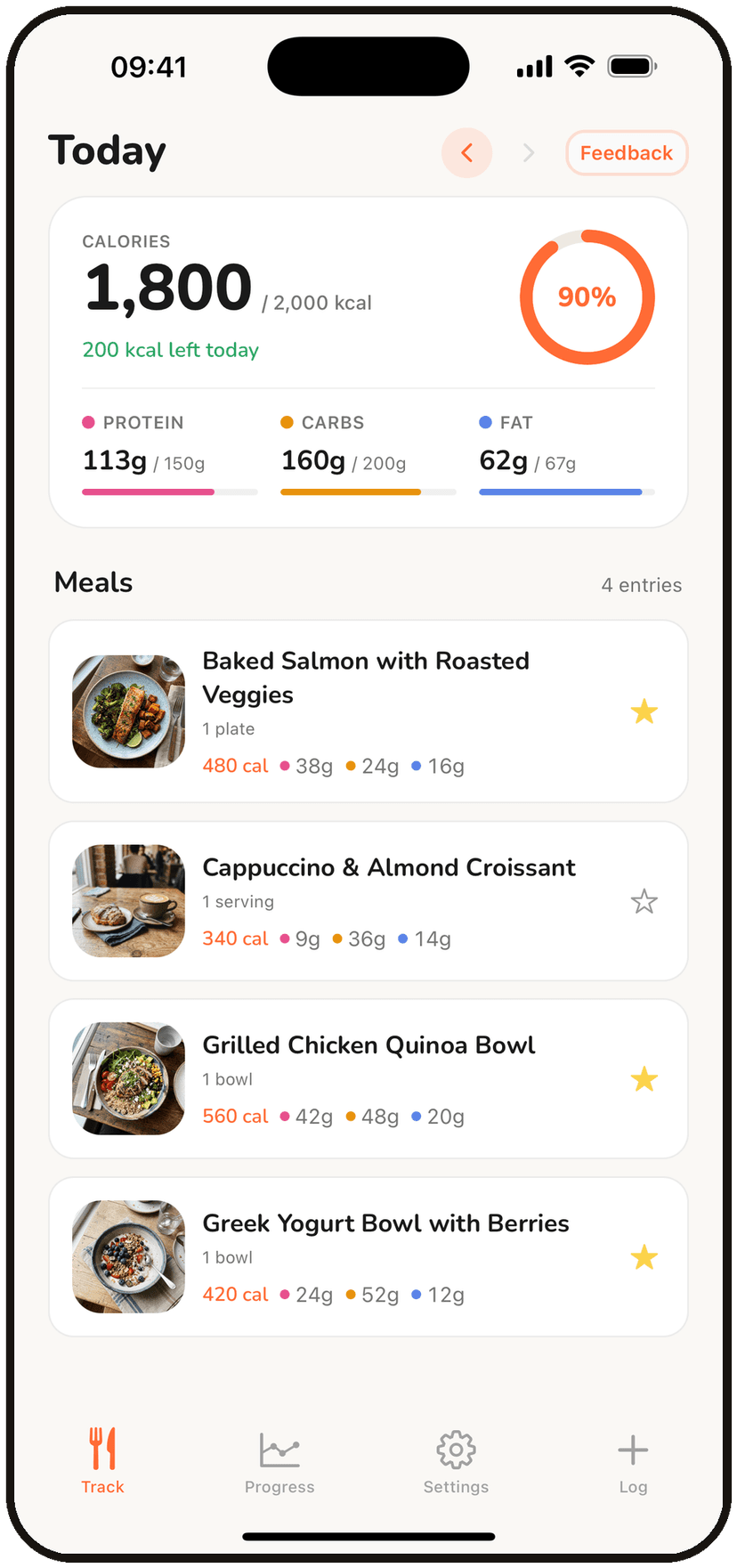
Portion guesses add up fast. BiteKit's AI estimates what's actually on your plate — oils, sides and all — so your log stays close to what you really ate.
- Log meals by photo, voice, or text
- Calories & macros estimated in seconds
- Syncs with Apple Health and Apple Watch
Free download · 3-day free trial, cancel anytime.
Scan with your iPhone camera