Sandwich Builder Calorie Calculator
Build your sandwich ingredient by ingredient and get the exact calorie and macro breakdown — bread, protein, cheese, veggies, and condiments all counted separately.
Why Sandwich Calories Vary So Widely
Sandwiches are one of the most calorie-unpredictable meals you can eat. Two sandwiches that look identical on the surface can differ by 500 calories or more. A turkey and mustard sandwich on whole wheat with vegetables might total 350 calories, while a similar-looking turkey club with mayo on a hoagie roll can exceed 900 calories. The difference comes almost entirely from three sources: the bread, the condiments, and the size of the protein portion.
Restaurant sandwiches are particularly difficult to estimate. Chains often apply condiments generously — sometimes 3–4 tablespoons of mayo — and use larger bread portions than home recipes. This is why tracking your own builds with a calculator like this one gives you far more accurate data than relying on generic restaurant estimates.
Bread Options Compared
The bread you choose sets the calorie floor for your entire sandwich. Here is how common options compare:
| Bread / Base | Calories | Protein | Carbs | Fat |
|---|---|---|---|---|
| Lettuce wrap (2 leaves) | 5 | 0.3g | 1g | 0g |
| Low-carb wrap | 100 | 7g | 15g | 4g |
| Whole wheat wrap (10") | 130 | 4g | 22g | 3g |
| White bread (2 slices) | 140 | 4g | 26g | 2g |
| Whole wheat (2 slices) | 160 | 6g | 28g | 2g |
| Sub roll (6") | 200 | 7g | 38g | 3g |
| Hoagie roll (12") | 400 | 14g | 76g | 6g |
Choosing a lettuce wrap over a hoagie roll saves 395 calories — nearly the equivalent of a full meal — before you have added any fillings.
The Condiment Calorie Trap
Condiments are the most underestimated calorie source in any sandwich. Because they are applied in small volumes, people routinely forget to count them — yet a heavily sauced sub can carry 200–300 calories of condiments alone.
- Mayonnaise (1 tbsp): 90 calories, 10g fat. Restaurant sandwiches often use 2–3 tablespoons, adding 180–270 calories.
- Ranch dressing (2 tbsp): 140 calories, 14g fat. One of the highest-calorie condiment choices available.
- Oil & vinegar (1 tbsp each): 120 calories from the oil — not as innocent as it sounds.
- Yellow mustard (1 tbsp): Only 5 calories. One of the best full-flavor condiment swaps for calorie-conscious eaters.
- Buffalo sauce (1 tbsp): Just 10 calories. A great way to add bold flavor with minimal calorie impact.
Building the Right Sandwich for Your Goal
For Weight Loss
Focus on maximizing volume and protein while minimizing calorie-dense ingredients. Use lettuce or a low-carb wrap as your base, choose turkey breast (90 cal, 18g protein) or chicken breast (140 cal, 26g protein) as your protein, load up on zero-fat vegetables, and stick to mustard for condiments. A well-built weight-loss sandwich can deliver 25–30g protein for under 350 calories.
For Muscle Building
Prioritize protein density. Roast beef (22g protein), grilled chicken (26g), or double turkey are excellent choices. A 12-inch hoagie roll provides more total calories and carbs to fuel a caloric surplus. Adding Swiss or cheddar cheese contributes another 7–8g protein per slice. A muscle-building sandwich on a hoagie with double chicken and Swiss can deliver 50g+ protein.
For a Low-Carb Diet
The bread is the main carb source. A lettuce wrap (1g carbs) or low-carb wrap (15g carbs) keeps total sandwich carbs under 25g. Pair with turkey or roast beef (0g carbs), cheddar (0g carbs), and mustard (1g carbs) for a full sandwich under 300 calories and 20g net carbs. Avoid honey mustard and tuna or egg salad if keeping carbs very low.
For a Quick, Balanced Lunch
Whole wheat bread provides fiber and a slight protein boost over white. Turkey with Swiss, lettuce, tomato, and Dijon mustard is a nutritional sweet spot: roughly 380 calories, 31g protein, 36g carbs, and 10g fat. It fits most standard 400–500 calorie lunch targets and keeps you full for 3–4 hours.
Frequently Asked Questions
How many calories are in a typical deli sandwich?
A standard deli sandwich on whole wheat with turkey, Swiss, lettuce, tomato, and mustard is roughly 380–420 calories. Upgrades like mayo, a larger roll, or higher-fat proteins like salami can easily push this past 600–700 calories. Use the calculator above to measure your exact build.
Which sandwich bread has the fewest calories?
Lettuce wraps are the lowest at just 5 calories. Among bread-based options, low-carb wraps (100 cal) and whole wheat wraps (130 cal) are the lightest. A hoagie roll is the heaviest at 400 calories — before any fillings.
What is the highest-protein sandwich filling?
Chicken breast and grilled chicken both deliver 26g protein per 3 oz at 140 calories, making them the best protein-per-calorie option. Roast beef provides 22g at 130 calories. Turkey breast offers 18g at only 90 calories, which is exceptional for calorie-conscious high-protein eating.
How many calories does mayonnaise add to a sandwich?
A single tablespoon of regular mayo adds 90 calories and 10g fat. Many restaurants use 2–3 tablespoons, adding 180–270 calories just from mayo. Light mayo cuts this to 45 calories per tablespoon. Switching entirely to mustard saves 75–85 calories per serving.
Is a sandwich a good high-protein meal?
Yes — a well-built sandwich can provide 30–50g protein. Use chicken breast or roast beef, add Swiss or cheddar cheese, choose whole wheat bread for slightly more protein, and stack veggies for volume. Double protein portions at a deli are a simple way to hit higher protein targets.
How do I make a low-calorie sandwich that is still filling?
Opt for a lettuce or low-carb wrap, fill it with turkey breast or chicken (the highest protein-to-calorie options), pile on free vegetables like lettuce, spinach, cucumber, tomato, and pickles, and use mustard or buffalo sauce instead of mayo. This approach delivers 25–30g protein and high volume for under 300 calories.
Related Tools
iPhone app · 3-day free trial
You're likely eating 500 calories more than you think
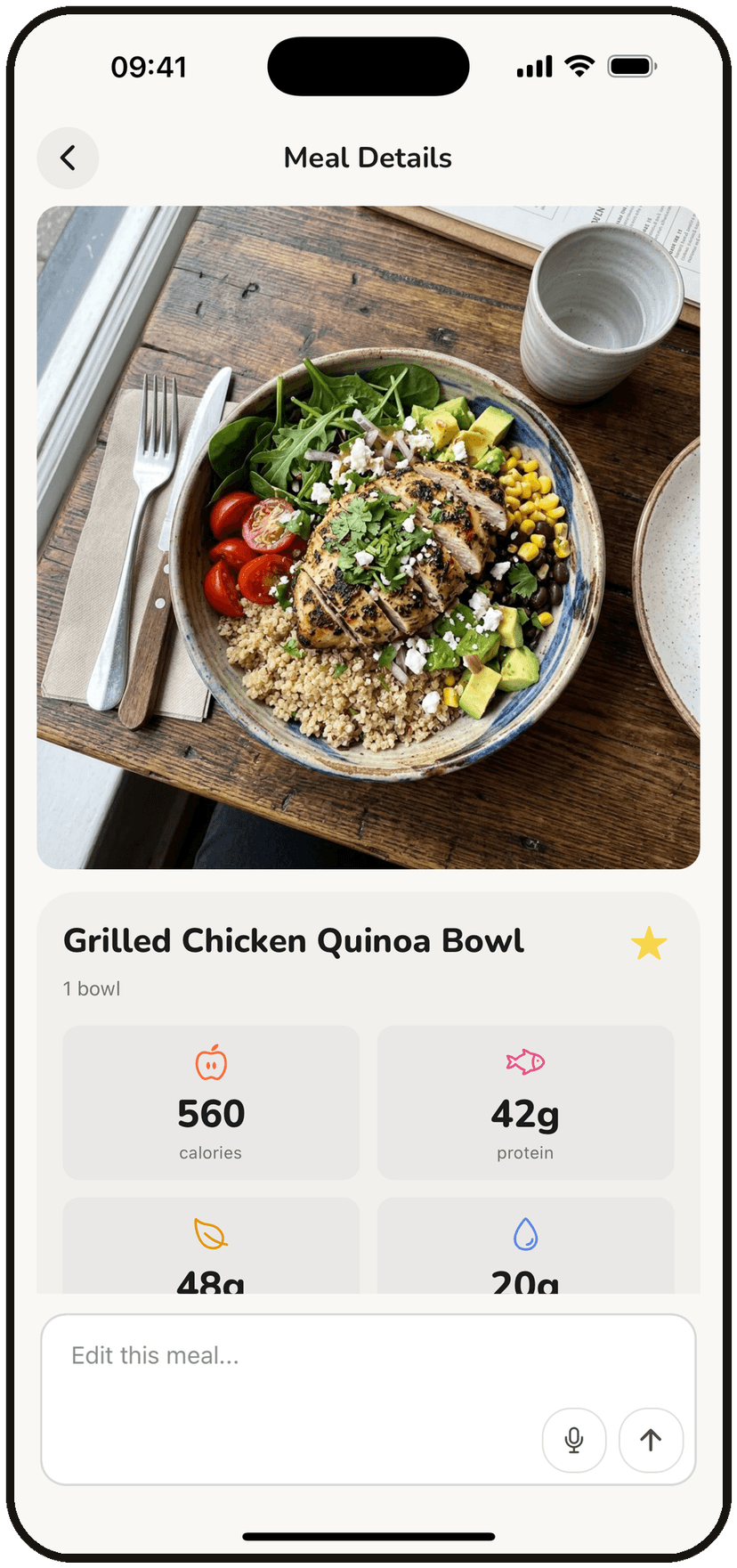
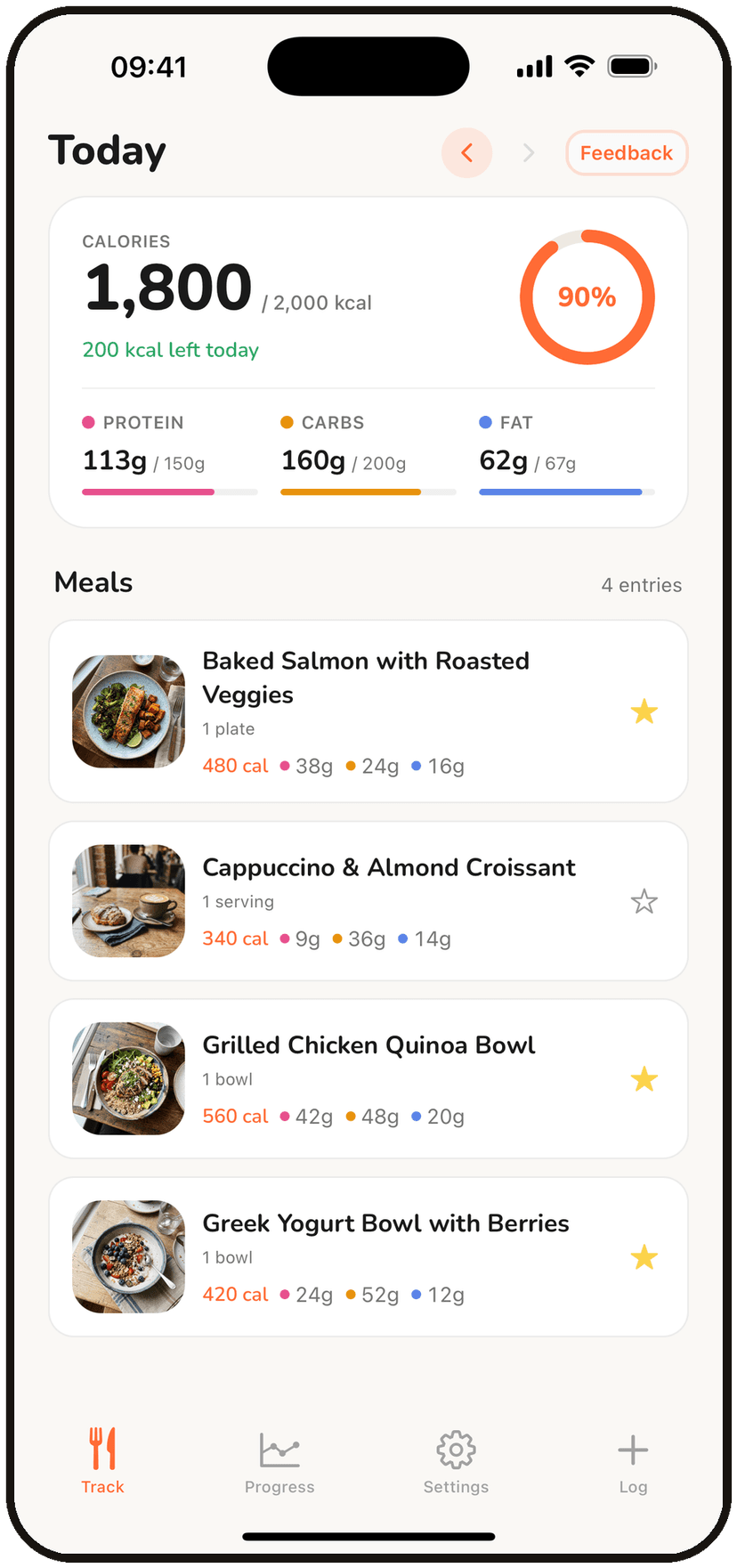
Portion guesses add up fast. BiteKit's AI estimates what's actually on your plate — oils, sides and all — so your log stays close to what you really ate.
- Log meals by photo, voice, or text
- Calories & macros estimated in seconds
- Syncs with Apple Health and Apple Watch
Free download · 3-day free trial, cancel anytime.
Scan with your iPhone camera