Seed Cycling Calculator
Find out which seeds to eat today based on your cycle day. Get your phase, daily seed protocol with portion sizes, nutritional benefits, and a full cycle calendar.
Enter Your Cycle Details
Understanding Seed Cycling
What Is Seed Cycling?
Seed cycling is a food-based wellness practice that involves eating specific seeds in alignment with the two main phases of the menstrual cycle. The premise is that certain seeds contain compounds — lignans, zinc, vitamin E, and selenium — that interact with the body's natural hormonal rhythms to support a healthier balance between estrogen and progesterone.
The practice divides the menstrual cycle into two phases. During the follicular phase (the first half, from menstruation through ovulation), you eat 1 tablespoon each of ground flaxseed and pumpkin seeds daily. During the luteal phase (the second half, from ovulation through the next period), you switch to 1 tablespoon each of sesame seeds and sunflower seeds.
The Science Behind Each Seed
Flaxseed (Phase 1)
Contains phytoestrogens called lignans, which can modulate estrogen receptor activity. Research shows flaxseed lignans may help reduce excess estrogen and support its healthy metabolism through the liver. The omega-3 ALA content also supports anti-inflammatory processes.
Pumpkin Seeds (Phase 1)
An excellent plant source of zinc. Zinc is essential for the production of follicle-stimulating hormone (FSH) and supports the development of the follicle before ovulation. Adequate zinc levels are also linked to healthy progesterone production in the subsequent luteal phase.
Sesame Seeds (Phase 2)
Contain sesamin, a lignan with different properties to flaxseed lignans. Sesamin may support estrogen receptor activity during the luteal phase and provides calcium and zinc. Tahini (sesame paste) is an excellent alternative for sesame seed consumption.
Sunflower Seeds (Phase 2)
One of the richest food sources of vitamin E, a fat-soluble antioxidant that has been studied for its role in supporting progesterone production and reducing PMS symptoms. Also high in selenium, an antioxidant mineral important for thyroid health and hormone regulation.
Who Can Benefit From Seed Cycling?
Seed cycling is often discussed in the context of hormone-related concerns, including:
- •Irregular menstrual cycles or anovulatory cycles
- •PMS and PMDD — mood changes, bloating, cramps, food cravings
- •PCOS (polycystic ovary syndrome) and associated hormonal imbalances
- •Perimenopause symptoms including hot flashes and cycle irregularity
- •Low progesterone or estrogen dominance
- •Women who have recently come off hormonal contraception
- •Postmenopausal women seeking nutritional support for hormone levels
Seed cycling is not a medical treatment and should not replace guidance from a healthcare provider or registered dietitian for any diagnosed condition.
Tips for Getting Started
- 1Start on Day 1 of your next period if possible — this aligns Phase 1 with the follicular phase from the beginning.
- 2Ground your flaxseeds. Whole seeds are not absorbed. A coffee grinder works well; grind a week's worth at a time and store in the fridge.
- 3Be consistent. Seed cycling works best when practiced every day, not just a few days per week.
- 4Give it time — most practitioners suggest 3 full cycles (3 months) to assess any change in symptoms.
- 5Combine with a balanced diet. Seed cycling is one component of a hormone-supportive diet, not a standalone protocol.
- 6Track your symptoms each day alongside your seed intake to identify any patterns over time.
Frequently Asked Questions
What is seed cycling?
Seed cycling is a dietary practice that involves rotating specific seeds during the two main phases of the menstrual cycle. During the follicular phase (days 1 to mid-cycle), you eat 1 tablespoon each of ground flaxseed and pumpkin seeds. During the luteal phase (mid-cycle to the end), you eat 1 tablespoon each of sesame and sunflower seeds. The goal is to use the seeds' nutritional compounds — lignans, zinc, vitamin E, and selenium — to support a healthy estrogen-to-progesterone balance.
Does seed cycling actually work?
Clinical evidence specifically for seed cycling is limited and largely anecdotal. However, the seeds themselves are well-studied nutritional powerhouses. Flaxseed lignans have demonstrated estrogen-modulating effects in research. Zinc from pumpkin seeds supports progesterone synthesis. Vitamin E from sunflower seeds has been linked to progesterone support in some studies. Many women report cycle improvements and reduced PMS after 2–3 months of consistent seed cycling. The nutritional benefits are real regardless, making seed cycling a low-risk complement to a balanced diet.
Do I have to use whole seeds, or can I use seed butters or oils?
For the best results, use whole seeds (ground for flaxseed) or minimally processed forms like tahini for sesame seeds. Seed oils do not contain the fiber, protein, or lignans found in whole seeds and are not equivalent. Tahini (sesame paste) and sunflower seed butter are good alternatives for sesame and sunflower seeds respectively — 1 tablespoon of the butter equals 1 serving. Flaxseed oil is not a substitute for ground flaxseed as it lacks the lignans.
Can I do seed cycling if I use hormonal birth control?
Hormonal birth control suppresses natural ovulation and alters the hormonal cycle. Seed cycling may still provide nutritional benefits, but the expected hormonal effects based on cycle phases would not apply in the same way. Some practitioners suggest following the lunar calendar for seed cycling while on hormonal birth control, similar to the postmenopause protocol. Discuss with your healthcare provider if you have specific concerns about combining seed cycling with hormonal contraception.
How much of each seed should I eat per day?
The standard seed cycling protocol is 1 tablespoon (approximately 10 grams) of each seed per day — so 1 tablespoon of ground flaxseed AND 1 tablespoon of pumpkin seeds during Phase 1, and 1 tablespoon of sesame seeds AND 1 tablespoon of sunflower seeds during Phase 2. Total daily seed intake is about 2 tablespoons (20 grams). There is no clinical evidence that larger amounts are more effective, and very large quantities of flaxseed in particular should be avoided due to their potent lignan content.
Can men do seed cycling?
Yes. While seed cycling is primarily discussed in the context of female hormonal health, the seeds are nutritious for everyone. Men may benefit from the zinc in pumpkin seeds (important for testosterone production), the vitamin E in sunflower seeds, and the omega-3s and fiber in flaxseed. Men interested in seed cycling can follow the lunar calendar — Phase 1 on the new moon and Phase 2 on the full moon — or simply alternate phases every two weeks.
Are there any side effects of seed cycling?
Seed cycling is generally well tolerated. Some people may experience mild digestive changes such as gas or bloating when they first add high-fiber seeds like flaxseed and sunflower seeds to their diet. Start with a smaller amount if you are sensitive and gradually increase to the full 1 tablespoon dose. People with seed allergies should avoid the relevant seeds. Very high doses of flaxseed are not recommended during pregnancy or for people on blood thinners — consult your doctor.
Related Tools
iPhone app · 3-day free trial
You're likely eating 500 calories more than you think
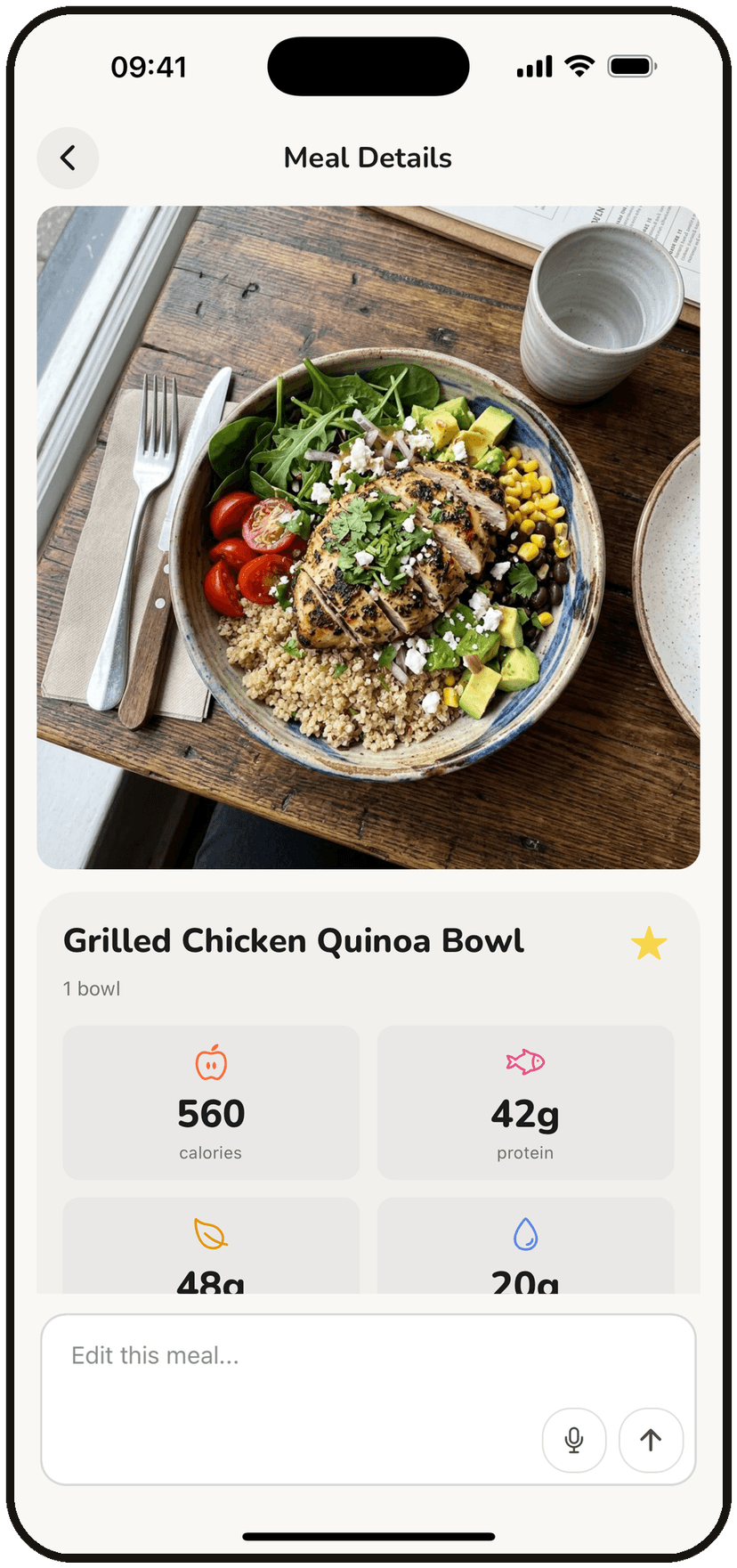
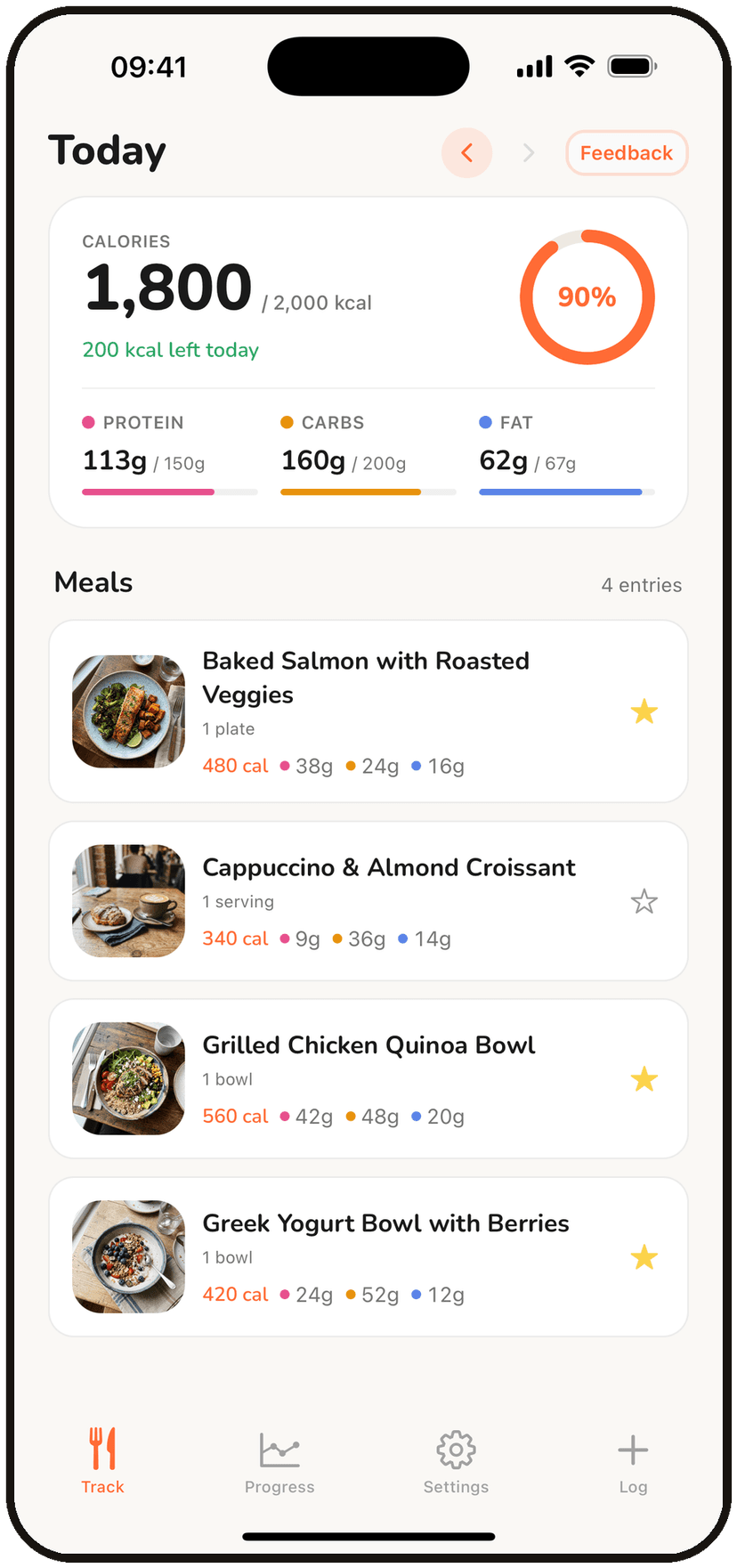
Portion guesses add up fast. BiteKit's AI estimates what's actually on your plate — oils, sides and all — so your log stays close to what you really ate.
- Log meals by photo, voice, or text
- Calories & macros estimated in seconds
- Syncs with Apple Health and Apple Watch
Free download · 3-day free trial, cancel anytime.
Scan with your iPhone camera