Senior Nutrition Calculator
Calculate adjusted calorie, protein, calcium, and vitamin D needs for adults 60+. Get personalized nutrition targets focused on sarcopenia prevention, bone health, and maintaining independence.
Understanding Nutrition Needs After 60
As we age, our nutritional needs change significantly. Basal metabolic rate declines by approximately 2% per decade after age 60, meaning fewer total calories are needed. However, the need for specific nutrients like protein, calcium, vitamin D, and vitamin B12 actually increases. This creates a critical challenge: seniors need to get more nutrients from fewer calories, making food quality more important than ever.
Age-related changes such as reduced stomach acid production, decreased appetite, changes in taste and smell, dental problems, and reduced mobility all affect food intake and nutrient absorption. Understanding these changes is the first step toward maintaining optimal nutrition in your later years.
Calorie Needs Decrease
BMR drops about 2% per decade after 60 due to loss of lean muscle mass and metabolic slowdown. A 70-year-old may need 100-200 fewer calories than they did at 60. But this doesn't mean eating less of everything - it means choosing more nutrient-dense foods.
Nutrient Needs Increase
Despite lower calorie needs, requirements for protein, calcium, vitamin D, and B12 increase with age. This is because the body becomes less efficient at absorbing and utilizing these nutrients, requiring higher intake to meet the same functional needs.
Sarcopenia: The Silent Muscle Thief
Sarcopenia is the progressive loss of skeletal muscle mass and strength that occurs naturally with aging. Starting around age 30, adults lose 3-8% of muscle mass per decade, and the rate accelerates after age 60. By age 80, many people have lost 30-50% of their peak muscle mass.
The consequences are serious: increased fall risk, reduced independence, slower recovery from illness, lower metabolic rate, and decreased quality of life. The good news is that sarcopenia can be significantly slowed - and even partially reversed - through proper nutrition and exercise.
Higher Protein Targets
Research shows that seniors need 1.0-1.2g of protein per kilogram of body weight daily to prevent muscle loss - significantly more than the general recommendation of 0.8g/kg. Active seniors who exercise regularly may benefit from up to 1.5g/kg. This higher need exists because aging muscles develop “anabolic resistance,” requiring more protein to stimulate the same amount of muscle protein synthesis.
Protein Distribution Matters
It is not just total protein that matters - how you distribute it across meals is equally important. Research shows that seniors should aim for 25-30 grams of high-quality protein at each meal to reach the “leucine threshold” needed to trigger muscle protein synthesis. Many seniors front-load breakfast with carbs and skimp on protein, missing an opportunity for muscle maintenance.
Combine Nutrition with Exercise
Protein intake alone is not enough. Resistance training (even light bodyweight exercises, resistance bands, or chair exercises) dramatically improves the body's ability to use dietary protein for muscle building. Even adults in their 80s and 90s can build muscle with appropriate exercise and nutrition.
Calcium, Vitamin D, and Bone Health
Bone density peaks around age 30 and gradually declines afterward. For women, bone loss accelerates dramatically after menopause due to estrogen decline. By age 60+, adequate calcium and vitamin D become critical for slowing bone loss and reducing fracture risk.
Calcium (1,000-1,300mg/day)
Dairy products, fortified plant milks, canned fish with bones, dark leafy greens, and fortified orange juice are excellent sources. If you cannot get enough from food alone (many seniors can't), consider a calcium supplement - but don't exceed 500mg per dose for best absorption.
Vitamin D (800-2,000 IU/day)
Vitamin D is essential for calcium absorption. The skin's ability to synthesize vitamin D from sunlight decreases with age, and many seniors spend less time outdoors. Seniors with limited mobility or who live in northern latitudes often need supplementation. Foods like fatty fish, fortified milk, and eggs provide some vitamin D.
Vitamin B12 and Digestive Changes
Up to 30% of adults over 50 develop atrophic gastritis, a condition where the stomach produces less acid. Since stomach acid is needed to release B12 from food, many seniors cannot absorb adequate B12 from dietary sources alone, even if they eat plenty of meat and dairy. This is why supplementation or fortified foods are recommended.
B12 deficiency can cause fatigue, weakness, tingling in hands and feet, difficulty walking, memory problems, and depression. Because these symptoms overlap with normal aging, B12 deficiency is often undiagnosed. Regular blood tests can help detect deficiency early.
Staying Hydrated as You Age
Dehydration is one of the most common and preventable health problems in older adults. The thirst mechanism weakens with age, kidney function declines, and certain medications (diuretics, blood pressure medications) increase fluid loss. Many seniors simply don't feel thirsty even when they need fluids.
Signs of dehydration in seniors include dark urine, confusion, dizziness, dry mouth, fatigue, and constipation. Chronic mild dehydration increases the risk of urinary tract infections, kidney stones, and falls. A practical strategy is to drink fluids with every meal and snack, keep a water bottle visible, and include water-rich foods like soups, fruits, and vegetables.
Frequently Asked Questions
How many calories does a senior need per day?
Calorie needs for seniors depend on age, gender, weight, height, and activity level. Generally, sedentary women over 60 need about 1,600-1,800 calories per day, while sedentary men need about 2,000-2,200 calories. Active seniors may need more. BMR naturally declines about 2% per decade after age 60.
How much protein prevents muscle loss in seniors?
Research recommends 1.0-1.2g of protein per kilogram of body weight daily for sarcopenia prevention. Active seniors may benefit from up to 1.5g/kg. This is higher than the general adult recommendation because aging muscles develop anabolic resistance, requiring more protein to stimulate muscle protein synthesis.
Why do seniors need more calcium and vitamin D?
Bone density declines with age, increasing osteoporosis and fracture risk. Seniors need 1,000-1,300mg of calcium and 800-2,000 IU of vitamin D daily. Vitamin D absorption from sunlight decreases with age, and vitamin D is essential for calcium absorption, so both nutrients must be addressed together.
Why is hydration a concern for older adults?
The thirst sensation diminishes with age, kidney function declines, and some medications increase fluid loss. Dehydration in seniors can cause confusion, UTIs, constipation, and increased fall risk. Seniors should aim for at least 6-8 cups of fluid daily and not rely on thirst alone as an indicator.
Do vegan seniors need supplements?
Yes, vegan seniors should strongly consider supplements for vitamin B12 (not available from plant foods), vitamin D (especially with limited sun exposure), calcium (if not getting enough from fortified foods), and omega-3 fatty acids (from algae-based supplements). A healthcare provider can help determine the right supplementation strategy.
What is sarcopenia and can it be reversed?
Sarcopenia is the age-related progressive loss of muscle mass and strength that accelerates after age 60. While some muscle loss is natural, it can be significantly slowed and even partially reversed through adequate protein intake (1.0-1.5g/kg/day), spread evenly across meals, combined with resistance exercise such as bodyweight exercises or resistance bands.
iPhone app · 3-day free trial
You're likely eating 500 calories more than you think
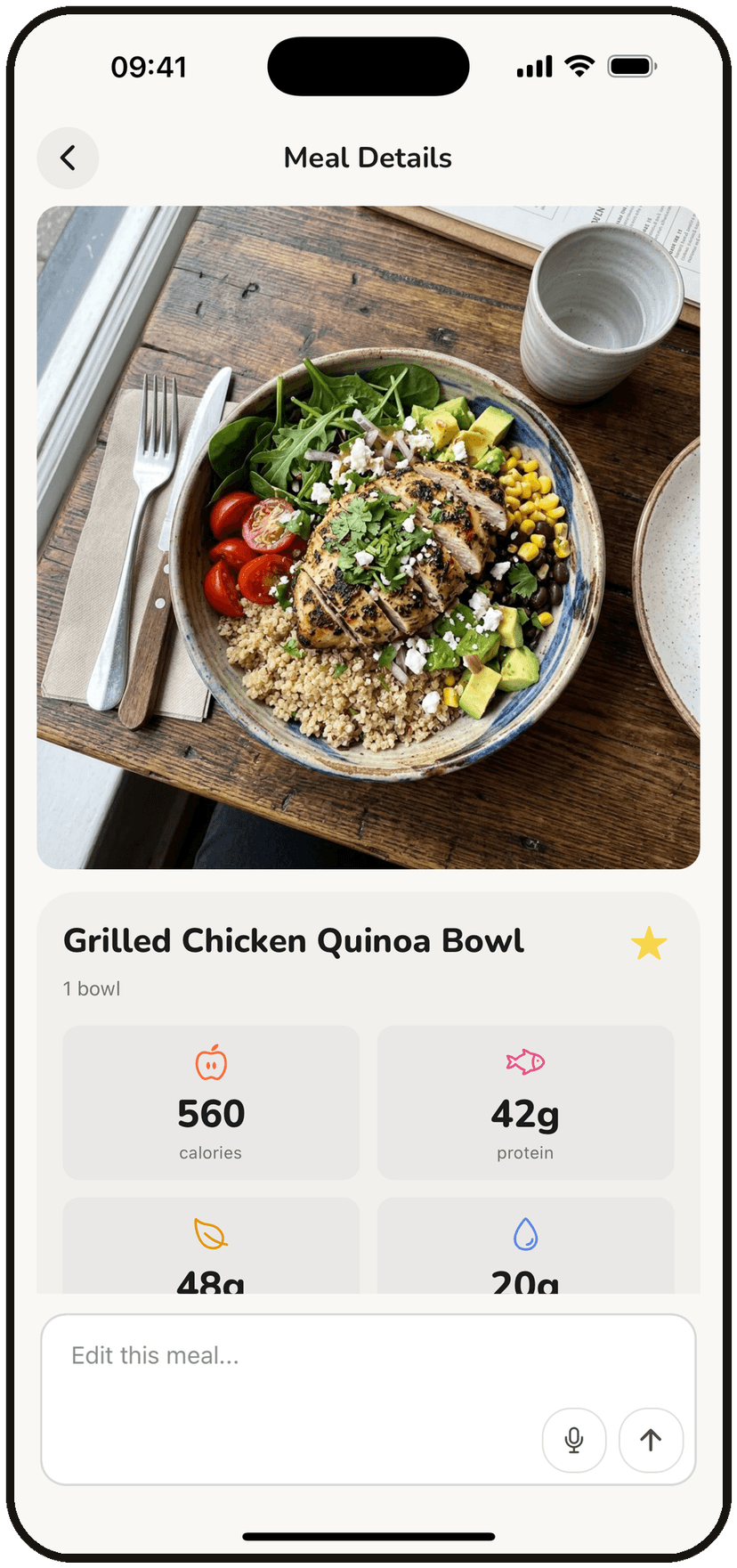
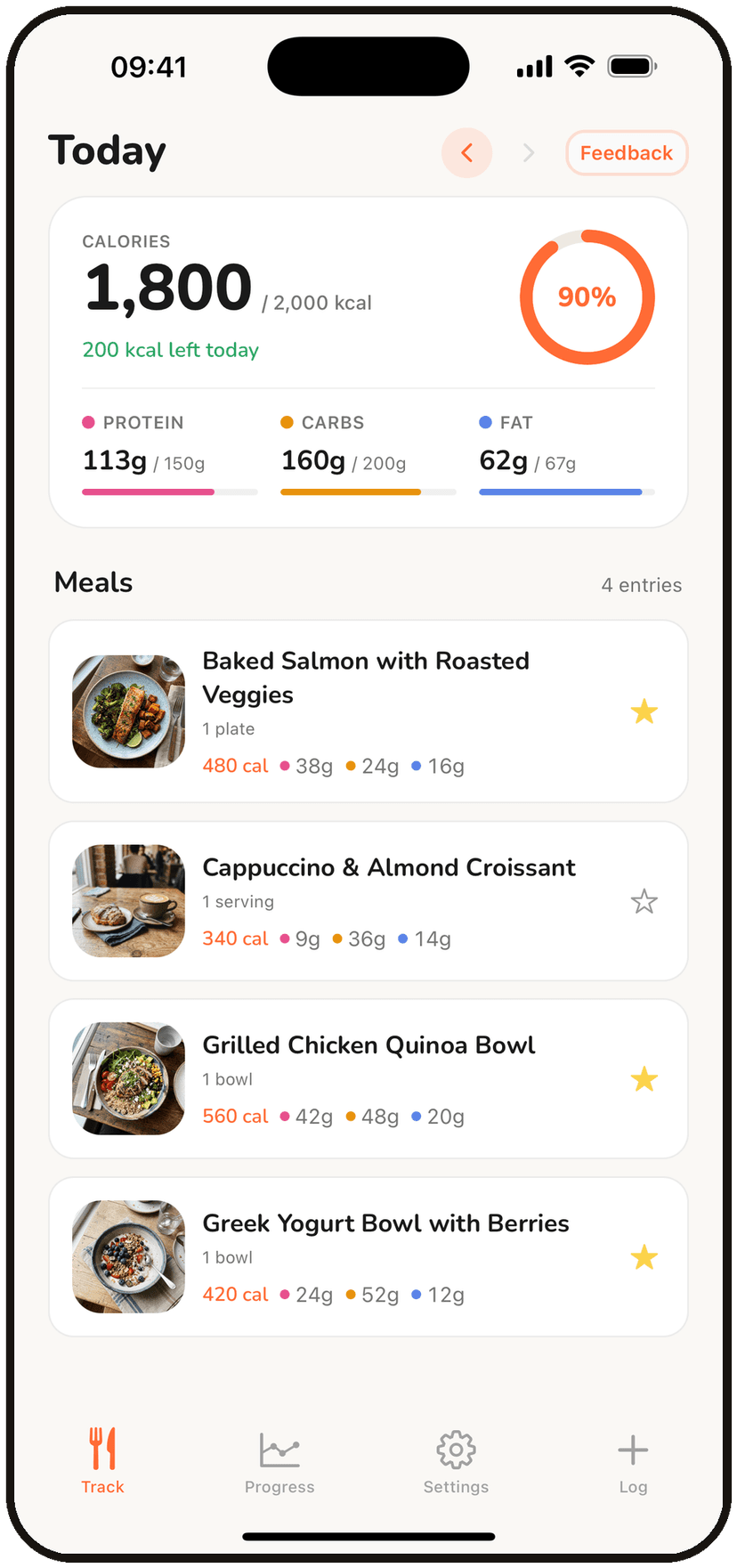
Portion guesses add up fast. BiteKit's AI estimates what's actually on your plate — oils, sides and all — so your log stays close to what you really ate.
- Log meals by photo, voice, or text
- Calories & macros estimated in seconds
- Syncs with Apple Health and Apple Watch
Free download · 3-day free trial, cancel anytime.
Scan with your iPhone camera