Skeletal Muscle Mass Calculator
Estimate your skeletal muscle mass using the Lee equation (2000) from your height, weight, age, gender, and ethnicity. Get your Skeletal Muscle Mass Index (SMI) and sarcopenia risk classification.
The Lee equation uses ethnicity-based coefficients validated in research. Select the closest match.
About this calculator
This calculator uses the Lee equation (2000) to estimate skeletal muscle mass from simple anthropometric measurements. The equation was validated against MRI measurements and is one of the most widely cited prediction models in body composition research.
What is Skeletal Muscle Mass?
Skeletal muscle mass (SMM) is the total mass of muscles attached to your bones that you can voluntarily control. These muscles are responsible for all movement, from walking and lifting to maintaining posture. Unlike smooth muscle (found in organs) or cardiac muscle (found in the heart), skeletal muscle is the only type you can build through exercise.
In healthy adults, skeletal muscle typically accounts for 30-40% of total body weight. Men generally have a higher proportion of skeletal muscle than women, with averages around 36-42% for men and 29-34% for women. This is primarily due to hormonal differences, particularly higher testosterone levels in men.
Beyond movement, skeletal muscle plays critical roles in metabolism. It is the primary site for glucose disposal (helping regulate blood sugar), a major contributor to resting metabolic rate, and a reservoir of amino acids that the body can draw upon during stress, illness, or recovery. This is why maintaining muscle mass is considered one of the most important factors for metabolic health and longevity.
The Lee Equation: How It Works
The Lee skeletal muscle mass prediction equation was published by R.C. Lee and colleagues in 2000 in the American Journal of Clinical Nutrition. It was developed by comparing simple anthropometric measurements (height, weight, age, gender, ethnicity) against whole-body MRI scans from a diverse sample of 244 adults.
The Formula
SMM (kg) = 0.244 × BW + 7.80 × Ht + 6.6 × Sex − 0.098 × Age + Race − 3.3
BW = body weight in kilograms
Ht = height in meters
Sex = 1 for male, 0 for female
Age = age in years
Race = −1.2 for Asian, 1.4 for African American, 0 for Caucasian/Hispanic
The equation achieved a high correlation with MRI-measured muscle mass (R² = 0.86) with a standard error of estimate of 2.8 kg. Each variable in the formula captures a known physiological relationship: heavier and taller individuals tend to have more muscle, men carry significantly more muscle than women, muscle mass declines with age, and there are well-documented differences in body composition across ethnic groups.
Example Calculation
For a 30-year-old Caucasian male, 80 kg, 1.78 m tall:
SMM = 0.244 × 80 + 7.80 × 1.78 + 6.6 × 1 − 0.098 × 30 + 0 − 3.3
SMM = 19.52 + 13.88 + 6.6 − 2.94 + 0 − 3.3 = 33.76 kg
SMI = 33.76 / (1.78)² = 33.76 / 3.168 = 10.66 kg/m² (Normal)
Why Skeletal Muscle Mass Matters
Skeletal muscle mass is far more than an aesthetic measure. It is a powerful predictor of health outcomes, functional independence, and longevity. Here are the key reasons why monitoring and maintaining your muscle mass should be a priority:
Metabolic Health
Skeletal muscle is responsible for approximately 80% of insulin-stimulated glucose uptake. Higher muscle mass improves insulin sensitivity, blood sugar regulation, and reduces type 2 diabetes risk. More muscle also means a higher resting metabolic rate, making weight management easier.
Longevity and Mortality
Multiple large studies have shown that higher muscle mass is independently associated with lower all-cause mortality. A study in the American Journal of Medicine found that individuals with the highest muscle mass had significantly lower risk of death compared to those with the lowest muscle mass.
Functional Independence
Adequate muscle mass is essential for performing daily activities as you age — getting out of a chair, climbing stairs, carrying groceries, and maintaining balance. Low muscle mass is the primary driver of physical disability in older adults and a leading cause of falls and fractures.
Recovery from Illness
During illness, surgery, or trauma, the body breaks down muscle protein to supply amino acids for immune function and tissue repair. Individuals with more muscle mass have greater reserves to draw upon, leading to better recovery outcomes and shorter hospital stays.
How to Build and Maintain Skeletal Muscle Mass
Whether your goal is to build new muscle or preserve what you have as you age, the strategies are grounded in the same principles: resistance training, adequate protein, and overall nutrition.
Resistance Training
Strength training is the single most effective stimulus for building and maintaining skeletal muscle. Aim for 2-4 sessions per week targeting all major muscle groups. Focus on compound movements (squats, deadlifts, bench press, rows, overhead press) and progressively increase load, volume, or difficulty over time. Even older adults can significantly increase muscle mass with consistent resistance training.
Protein Intake
Protein provides the amino acids needed for muscle protein synthesis. Current evidence supports consuming 1.6-2.2 grams of protein per kilogram of body weight per day for muscle building. Distribute protein across 3-4 meals, with each meal containing 25-40 grams of high-quality protein. Use our Protein Intake Calculator to get a personalized target.
Calorie Balance
Building muscle requires energy. A modest calorie surplus of 200-500 calories above maintenance is ideal for muscle growth while minimizing fat gain. If you're maintaining, eating at or near your TDEE with sufficient protein is typically enough to preserve muscle mass. Severe calorie restriction accelerates muscle loss and should be avoided.
Sleep and Recovery
Muscle growth and repair primarily occur during sleep. Growth hormone secretion peaks during deep sleep, and inadequate sleep has been shown to impair muscle protein synthesis and increase cortisol levels (which promotes muscle breakdown). Aim for 7-9 hours of quality sleep per night and allow 48-72 hours between training the same muscle group.
Age-Related Muscle Loss (Sarcopenia)
Muscle mass naturally declines at a rate of approximately 3-8% per decade after age 30, with the rate accelerating after 60. However, this decline is not inevitable. Studies consistently show that resistance training can reverse or significantly slow age-related muscle loss at any age. Starting resistance training and maintaining adequate protein intake as early as possible provides the best long-term protection against sarcopenia.
Understanding SMI and Sarcopenia Diagnosis
The Skeletal Muscle Mass Index (SMI) is calculated by dividing your skeletal muscle mass by your height squared (SMM / height²), similar to how BMI normalizes weight for height. SMI is one of the primary metrics used in clinical settings to screen for sarcopenia.
Men
Women
Note: These cutoff values are based on research by Janssen et al. (2004) and are widely used in clinical practice. A formal sarcopenia diagnosis also considers muscle strength (grip strength or chair stand test) and physical performance (gait speed). Low SMI alone indicates low muscle mass, which is one component of sarcopenia. If you are concerned about your results, consult with a healthcare provider who can perform a comprehensive assessment.
Frequently Asked Questions
What is skeletal muscle mass (SMM)?
Skeletal muscle mass is the total weight of the muscles attached to your skeleton that you can voluntarily control. These are the muscles used for movement, posture, and physical activity. SMM typically accounts for 30-40% of total body weight in healthy adults and is a key indicator of metabolic health, physical function, and longevity.
How does the Lee equation estimate muscle mass?
The Lee equation (2000) uses a regression formula that combines body weight, height, sex, age, and ethnicity to predict skeletal muscle mass. It was developed and validated against whole-body MRI measurements from 244 adults and achieved a correlation of R² = 0.86 with MRI-measured muscle mass.
What is a normal Skeletal Muscle Mass Index (SMI)?
Normal SMI ranges are 8.51-10.75 kg/m² for men and 5.76-6.75 kg/m² for women. An SMI below 8.50 kg/m² for men or below 5.75 kg/m² for women indicates low muscle mass and may warrant further assessment for sarcopenia risk.
What is sarcopenia and who is at risk?
Sarcopenia is the age-related progressive loss of skeletal muscle mass and strength. It typically begins around age 30 and accelerates after 60. Risk factors include physical inactivity, inadequate protein intake, chronic illness, and aging. However, resistance training and proper nutrition can significantly slow or reverse sarcopenia at any age.
How accurate is this calculator compared to DEXA or MRI?
The Lee equation provides a practical estimation with a standard error of about 2.8 kg compared to MRI. DEXA and MRI scans are more precise but require specialized equipment and can cost hundreds of dollars. This calculator is best used for screening and tracking changes over time rather than absolute precision.
How can I increase my skeletal muscle mass?
The most effective approach combines progressive resistance training (2-4 sessions per week) with adequate protein intake (1.6-2.2g per kg of body weight per day). Ensure a slight calorie surplus for muscle building, prioritize sleep for recovery, and focus on compound exercises. Use our Protein Calculator and Calorie Surplus Calculator for personalized targets.
iPhone app · 3-day free trial
You're likely eating 500 calories more than you think
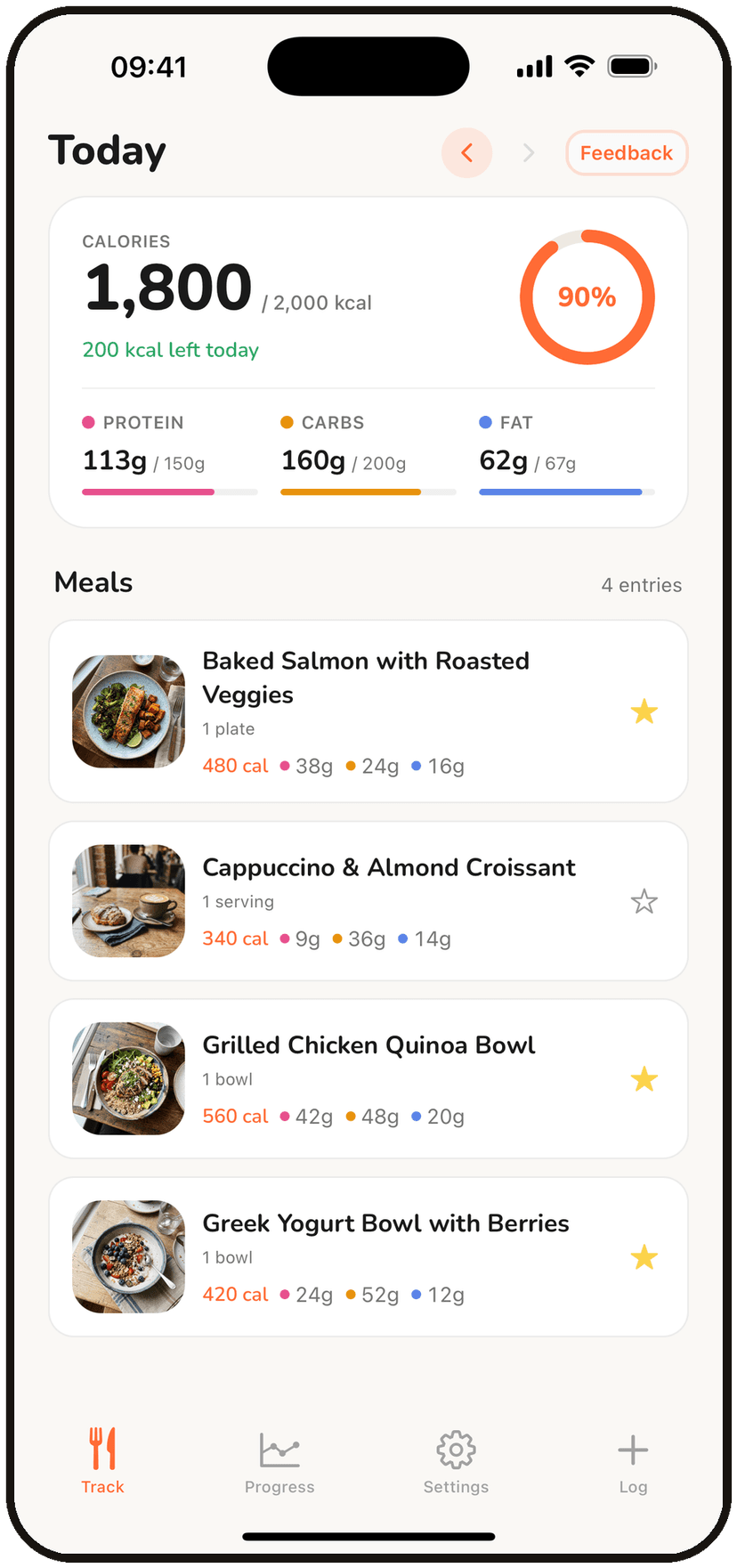
Portion guesses add up fast. BiteKit's AI estimates what's actually on your plate — oils, sides and all — so your log stays close to what you really ate.
- Log meals by photo, voice, or text
- Calories & macros estimated in seconds
- Syncs with Apple Health and Apple Watch
Free download · 3-day free trial, cancel anytime.
Scan with your iPhone camera