Sleep Cycle Calculator
Find the best time to go to bed or wake up based on 90-minute sleep cycles. Wake up feeling refreshed instead of groggy by timing your alarm to the end of a complete cycle.
What do you want to calculate?
What Is a Sleep Cycle?
A sleep cycle is a repeating sequence of sleep stages your brain moves through each night. Each cycle takes approximately 90 minutes to complete. A full night of sleep involves four to six of these cycles, and each one serves a distinct biological purpose — from physical repair to memory consolidation.
The reason you feel groggy when your alarm goes off mid-cycle is neurological: being woken from deep sleep (N3) forces your brain to rapidly shift from a restorative, low-arousal state to full wakefulness. This transition is difficult and can leave you disoriented for 15–60 minutes — a phenomenon called sleep inertia.
The 4 Stages of Sleep
Stage 1: N1 — Light Sleep (1–7 min)
The transition between wakefulness and sleep. Muscle activity slows and you may experience hypnic jerks (a sudden muscle twitch). Brain activity shifts from alpha to theta waves. You are easily awakened and may not even realize you fell asleep. This stage accounts for about 5% of total sleep time.
Stage 2: N2 — Light Sleep (10–25 min)
Heart rate slows, body temperature drops, and eye movement stops. Sleep spindles — bursts of rhythmic neural activity — occur and are thought to be important for memory consolidation. This is the largest portion of your sleep, accounting for about 45–55% of total sleep time. It is the best stage to wake from.
Stage 3: N3 — Deep Sleep / Slow-Wave Sleep (20–40 min)
The most restorative stage. Growth hormone is released, tissues are repaired, the immune system is strengthened, and metabolic waste is cleared from the brain via the glymphatic system. Brain waves slow to delta rhythms. This is when sleepwalking and night terrors occur. Waking during N3 causes the most severe sleep inertia. N3 is most abundant in the first half of the night.
REM Sleep — Rapid Eye Movement (10–60 min)
Brain activity resembles wakefulness. Vivid dreams occur. Motor neurons are suppressed to prevent acting out dreams. REM is critical for emotional regulation, creative thinking, and consolidating procedural memories. REM periods grow longer as the night progresses — the final cycle before waking may be mostly REM. Alcohol suppresses REM, which is why drinking leads to non-restorative sleep.
Why Completing Full Cycles Matters
Your brain is designed to complete these cycles sequentially. Cutting a night short by 90 minutes does not just mean 90 fewer minutes of sleep — it means losing an entire late-stage cycle, which is mostly REM sleep. REM-poor nights are associated with increased emotional reactivity, poor focus, and higher calorie intake the next day (REM loss disrupts appetite-regulating hormones ghrelin and leptin).
How Many Cycles Do You Actually Need?
| Cycles | Sleep Time | Rating | Best For |
|---|---|---|---|
| 4 cycles | 6 hours | Minimum | Occasional short nights only |
| 5 cycles | 7.5 hours | Good | Most adults, daily maintenance |
| 6 cycles | 9 hours | Optimal | Athletes, high cognitive load days |
| 7 cycles | 10.5 hours | Recovery | Post-illness, heavy training blocks |
How Nutrition Affects Sleep Quality
Sleep and nutrition are tightly linked. What you eat affects your ability to fall asleep, stay asleep, and cycle through all four stages properly.
Foods That Support Sleep
- Tryptophan-rich foods: Turkey, eggs, cheese, chicken, tofu, and pumpkin seeds contain tryptophan, a precursor to serotonin and melatonin.
- Magnesium: Spinach, almonds, cashews, and black beans support GABA activity, which calms the nervous system. Low magnesium is associated with restless sleep.
- Complex carbohydrates: A small serving of oats, sweet potato, or whole grain rice in the evening can increase tryptophan availability to the brain.
- Tart cherry juice: A natural source of melatonin. Studies have shown it can increase sleep duration by up to 84 minutes in adults with insomnia.
Foods and Habits That Disrupt Sleep
- Caffeine: Blocks adenosine receptors. Has a half-life of 5–7 hours, meaning half the caffeine from a 3 PM coffee is still active at 9 PM.
- Alcohol: May help you fall asleep faster but fragments sleep architecture and strongly suppresses REM in the second half of the night.
- High-sugar meals: Cause blood sugar spikes and crashes that can trigger cortisol release and night waking.
- Large late-night meals: Digestion raises body temperature and keeps the GI system active, making it harder to achieve deep sleep.
Frequently Asked Questions
How long is one sleep cycle?
One complete sleep cycle lasts approximately 90 minutes and includes light sleep (N1/N2), deep slow-wave sleep (N3), and REM. Early cycles in the night contain more N3; later cycles contain more REM.
How many sleep cycles do you need per night?
Most adults need 5 to 6 complete cycles — 7.5 to 9 hours. Consistently getting 4 cycles (6 hours) or fewer is associated with impaired cognitive function, increased hunger, and elevated cortisol.
Why do I feel groggy even after 8 hours of sleep?
Sleep inertia — that groggy feeling — occurs when you wake during deep N3 sleep. 8 hours does not guarantee you wake at the end of a cycle. Use this calculator to align your alarm with a cycle end point (e.g., 7.5 h or 9 h from sleep onset) so you surface naturally from lighter sleep.
What is the best time to wake up?
The best wake-up time is the end of a complete sleep cycle. Enter your bedtime above to find times that complete 5 or 6 full cycles. Consistency also matters — waking at the same time every day stabilizes your circadian rhythm.
How long does it take to fall asleep on average?
Healthy adults average 10–20 minutes to fall asleep. Under 5 minutes may indicate sleep deprivation. Over 30 minutes regularly can signal sleep onset insomnia. This calculator uses 15 minutes as the default, which you can adjust to match your experience.
Does nutrition affect sleep quality?
Yes. Tryptophan-rich foods, magnesium, and complex carbohydrates support sleep. Caffeine (up to 6 hours before bed), alcohol, high-sugar meals, and large late-night meals disrupt sleep architecture and can reduce REM sleep.
Related Tools
iPhone app · 3-day free trial
You're likely eating 500 calories more than you think
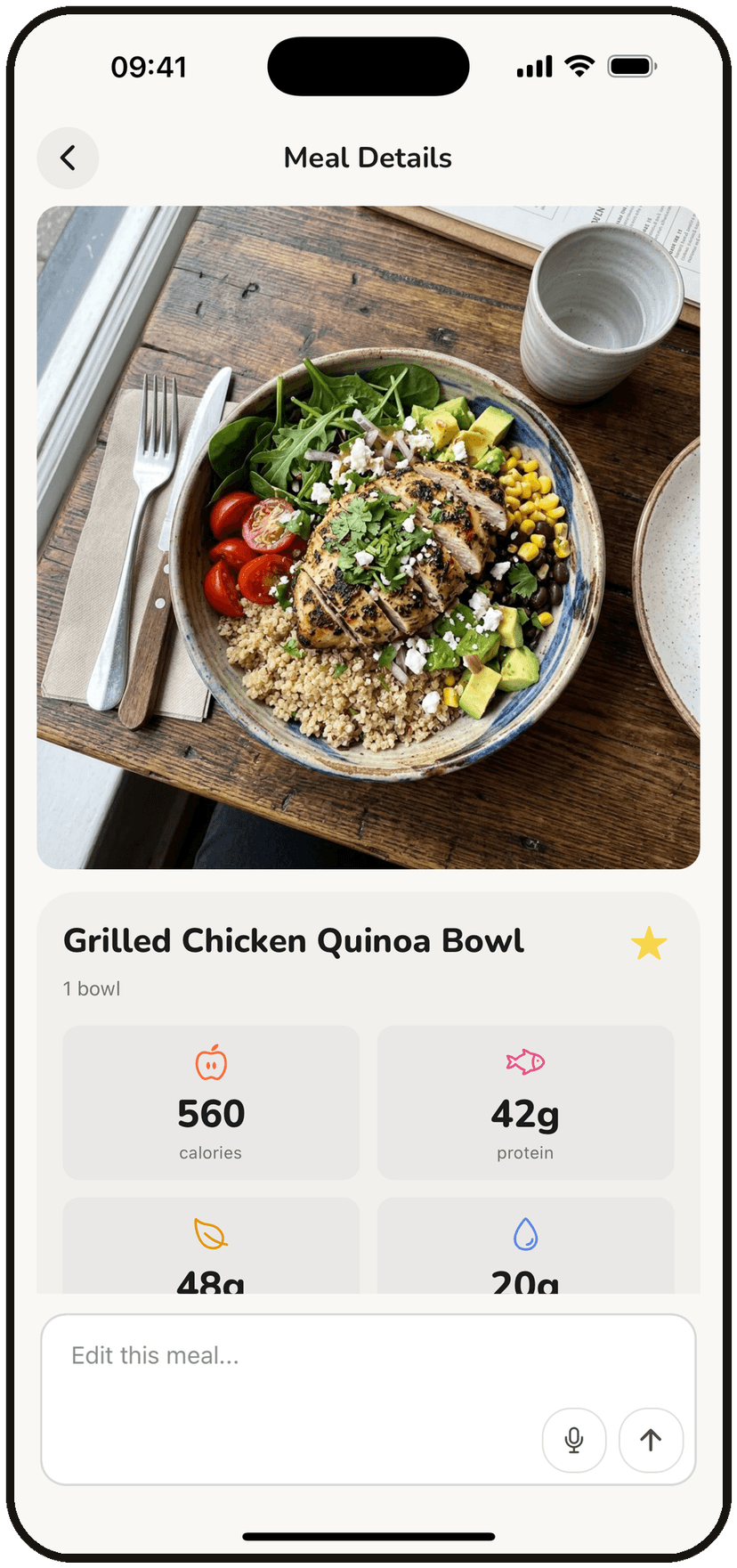
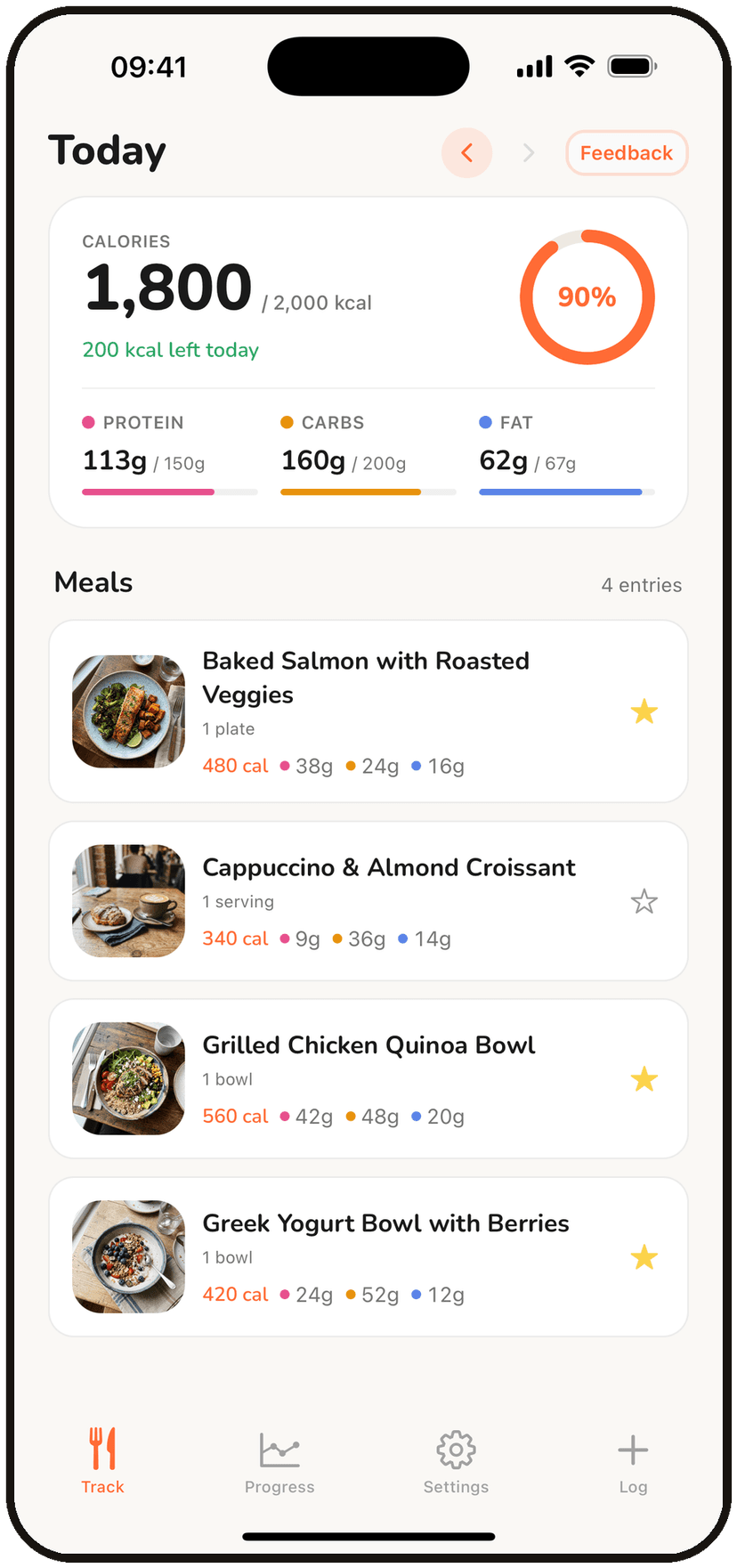
Portion guesses add up fast. BiteKit's AI estimates what's actually on your plate — oils, sides and all — so your log stays close to what you really ate.
- Log meals by photo, voice, or text
- Calories & macros estimated in seconds
- Syncs with Apple Health and Apple Watch
Free download · 3-day free trial, cancel anytime.
Scan with your iPhone camera