Sleep Nutrition Calculator
Calculate your optimal evening macros, caffeine cutoff time, and sleep-promoting nutrients based on your bedtime and sleep goals. What you eat before bed matters more than you think.
How Nutrition Affects Sleep Quality
The connection between what you eat and how you sleep is deeper than most people realize. Your body uses specific nutrients to produce sleep-regulating hormones like melatonin and serotonin. The timing, composition, and quantity of your evening meal directly influence how quickly you fall asleep, how deeply you sleep, and whether you wake up during the night.
The sleep-nutrition connection starts with tryptophan, an essential amino acid found in protein-rich foods. Your body converts tryptophan into serotonin (a calming neurotransmitter) and then into melatonin (your primary sleep hormone). However, this conversion requires the right nutritional context: complex carbohydrates trigger insulin release, which clears competing amino acids from the bloodstream and allows more tryptophan to reach the brain. This is why the right combination of macronutrients at dinner is so important for sleep.
The Tryptophan-Serotonin-Melatonin Pathway
Tryptophan from food is converted to 5-HTP, then to serotonin, and finally to melatonin in the pineal gland. This process requires vitamin B6, magnesium, and adequate carbohydrate intake. A deficiency in any of these can disrupt your body's natural melatonin production.
Blood Sugar and Sleep Stability
Blood sugar crashes during the night trigger cortisol release (your stress hormone), which causes you to wake up. A well-balanced dinner with complex carbs, moderate protein, and healthy fats provides steady blood sugar through the night, preventing these cortisol-driven awakenings.
Core Body Temperature and Digestion
Your body temperature naturally drops 1-2 degrees to initiate sleep. Heavy, high-fat meals raise your metabolic rate and core temperature during digestion, working against this natural cooling process. This is why lighter, well-timed meals support better sleep onset.
Best Foods for Better Sleep
Research has identified several foods that consistently improve sleep quality when consumed in the evening. The strongest evidence supports foods that are naturally rich in melatonin, tryptophan, magnesium, or compounds that enhance the body's own sleep-promoting mechanisms.
Tart Cherry Juice
Contains natural melatonin and anti-inflammatory compounds. Studies show 84 minutes more sleep and significantly improved sleep quality
Kiwi
Rich in serotonin and antioxidants. Eating 2 kiwis before bed is linked to 42% faster sleep onset and 13% more total sleep time
Fatty Fish
Salmon, tuna, and mackerel provide omega-3 DHA and vitamin D, both linked to improved serotonin regulation and deeper slow-wave sleep
Additional sleep-promoting foods: Turkey and chicken (tryptophan), warm milk (tryptophan and calcium), almonds and walnuts (magnesium and natural melatonin), bananas (magnesium and potassium), chamomile tea (apigenin binds to GABA receptors), and white rice (high glycemic index boosts tryptophan availability when eaten 4 hours before bed).
Caffeine and Sleep
Caffeine is the most widely used psychoactive substance in the world, and its impact on sleep is significant even when you don't feel it. Caffeine works by blocking adenosine receptors in the brain. Adenosine is a neurotransmitter that accumulates throughout the day and creates sleep pressure — the natural drowsiness that helps you fall asleep. By blocking these receptors, caffeine artificially reduces your sleep drive.
The Half-Life Problem
Caffeine's half-life averages 5-6 hours, but ranges from 3-9 hours depending on genetics, age, and liver function. A cup of coffee at 2 PM still leaves about 50mg of caffeine in your system at 8 PM — enough to reduce deep sleep by up to 20%, even if you fall asleep normally.
Hidden Caffeine Sources
Beyond coffee and energy drinks, caffeine hides in dark chocolate (12mg per ounce), green tea (28mg per cup), decaf coffee (2-15mg per cup), some medications (pain relievers, cold medicine), and many pre-workout supplements. Track all sources to stay within your cutoff time.
Research from the Journal of Clinical Sleep Medicine shows that caffeine consumed even 6 hours before bed reduces total sleep time by over an hour. The study found that participants were often unaware of how much their sleep quality had declined, highlighting that caffeine's effects on sleep architecture (particularly deep sleep and REM sleep) can be significant even when subjective sleep quality seems unaffected.
Evening Meal Timing and Sleep
When you eat your last meal is almost as important as what you eat. Research shows that meal timing affects circadian rhythm, core body temperature, and digestive processes — all of which influence sleep quality. Finding the right balance between eating early enough to digest and late enough to avoid hunger is key.
2-3 Hours Before Bed: The Sweet Spot
Eating a balanced dinner 2-3 hours before bedtime gives your body enough time to begin digestion while still allowing tryptophan and sleep-promoting nutrients to take effect. A study in the Journal of Sleep Research found that participants who ate a high-carb meal 4 hours before bed fell asleep 48% faster than those who ate the same meal 1 hour before bed.
Too Close to Bed: Digestion Competes with Sleep
Eating within 1 hour of bed increases the risk of acid reflux (gastroesophageal reflux) and requires your body to divert energy to digestion when it should be entering sleep mode. Lying down with a full stomach also keeps core body temperature elevated, delaying the natural temperature drop that signals your brain to initiate sleep.
The Evening Snack Strategy
If you eat dinner early (3-4+ hours before bed), a small sleep-promoting snack of 100-200 calories can prevent hunger-related waking without overloading digestion. Good options include two kiwis, a small bowl of tart cherries, a handful of almonds with a banana, or warm milk with a small amount of honey. Keep it light and focused on sleep-promoting nutrients.
Frequently Asked Questions
What should I eat before bed for better sleep?
The best foods before bed are those rich in tryptophan, magnesium, and complex carbohydrates. Tart cherry juice is one of the most research-backed options, naturally containing melatonin and shown to increase sleep time by up to 84 minutes. Other excellent choices include kiwi, turkey or chicken with brown rice, warm milk, almonds, walnuts, and fatty fish like salmon. Combining tryptophan-rich protein with complex carbs helps tryptophan reach the brain and convert to sleep-promoting serotonin and melatonin.
When should I stop drinking caffeine before bed?
The ideal caffeine cutoff depends on your sensitivity. For low sensitivity, stop 6 hours before bed. Moderate sensitivity requires an 8-hour buffer, and high sensitivity individuals should avoid caffeine 10-12 hours before bedtime. Caffeine has a half-life of 5-6 hours, so even when you think it has worn off, it can still reduce deep sleep quality and total sleep time.
How do carbohydrates affect sleep quality?
Complex carbohydrates boost serotonin production by triggering insulin release, which clears competing amino acids from the bloodstream and allows more tryptophan to enter the brain. Studies show a high-carb dinner eaten 4 hours before bed can reduce sleep onset latency by 48%. Avoid simple sugars and refined carbs, which cause blood sugar spikes and crashes that trigger cortisol release and night waking.
Does magnesium help with sleep?
Yes, magnesium is one of the most important minerals for sleep. It activates GABA receptors that calm the nervous system and plays a direct role in melatonin production. Studies show magnesium supplementation improves sleep quality, reduces time to fall asleep, and increases sleep duration. The recommended form for sleep is magnesium glycinate (200-400mg) taken 1-2 hours before bed. Food sources include pumpkin seeds, spinach, almonds, and dark chocolate.
How many hours before bed should I eat dinner?
Most sleep experts recommend eating your last full meal 2-3 hours before bedtime. This gives your body time to digest while still benefiting from sleep-promoting nutrients. Eating too close to bed (less than 1 hour) can cause acid reflux and digestive discomfort. Eating too early (4+ hours) may lead to hunger that wakes you. If you eat early, a small sleep-promoting snack like kiwi or almonds can bridge the gap.
What foods should I avoid before bed?
Avoid caffeine within your personal cutoff window (6-12 hours before bed). Limit alcohol as it disrupts REM sleep and causes night waking. Skip spicy foods that raise core body temperature and cause acid reflux. Avoid high-sugar foods that cause blood sugar crashes and cortisol spikes. Large high-fat meals take hours to digest and keep your body active. Also limit excessive fluid intake 1-2 hours before bed to prevent nighttime bathroom trips.
iPhone app · 3-day free trial
You're likely eating 500 calories more than you think
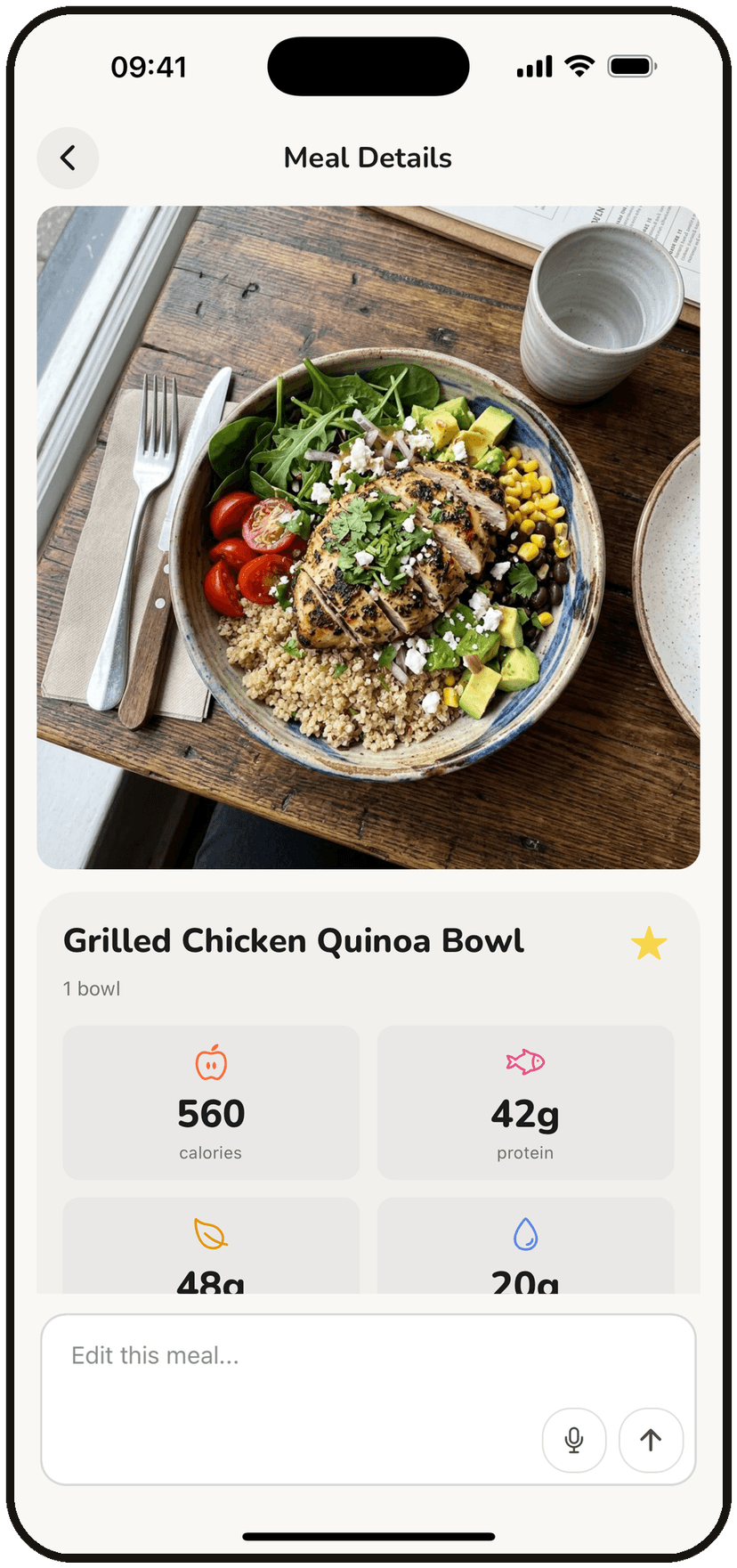
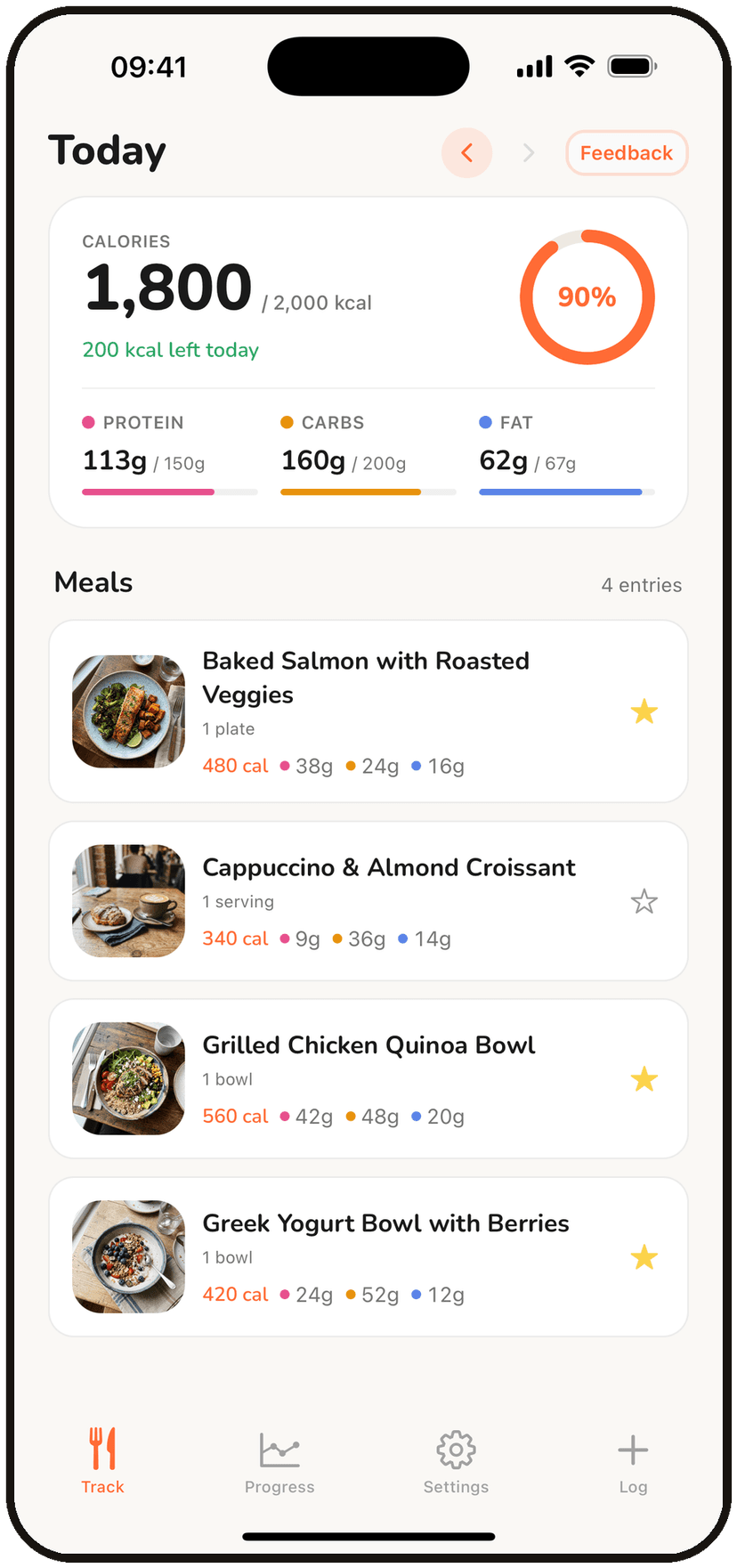
Portion guesses add up fast. BiteKit's AI estimates what's actually on your plate — oils, sides and all — so your log stays close to what you really ate.
- Log meals by photo, voice, or text
- Calories & macros estimated in seconds
- Syncs with Apple Health and Apple Watch
Free download · 3-day free trial, cancel anytime.
Scan with your iPhone camera