Sodium Intake Calculator
Calculate your recommended daily sodium intake based on your activity level, health goals, and climate. Get personalized guidance to manage your salt consumption.
Why Sodium Matters
Sodium is an essential mineral that plays a critical role in your body. It helps regulate fluid balance, supports nerve impulse transmission, and is necessary for proper muscle contraction. Your body cannot function without adequate sodium.
However, most people consume far more sodium than they need. The average American eats about 3,400mg of sodium per day - well above the recommended limits. This excess comes primarily from processed and restaurant foods, not from the salt shaker at the table. Finding the right balance is key to supporting your health goals.
Sodium and Blood Pressure
One of the most well-established links in nutrition science is the relationship between sodium intake and blood pressure. When you consume excess sodium, your body retains extra water to dilute the sodium in your bloodstream. This increases blood volume, which raises blood pressure.
High Sodium Effects
- Blood pressure: Increases blood volume and vessel pressure
- Heart strain: Heart works harder to pump blood
- Kidney stress: Kidneys must filter more to maintain balance
- Water retention: Bloating and puffiness
Reducing Sodium Benefits
- Lower BP: Can reduce systolic BP by 2-8 mmHg
- Heart health: Reduced cardiovascular disease risk
- Kidney function: Less strain on kidney filtration
- Less bloating: Reduced water retention
Hidden Sodium in Processed Foods
Over 70% of the sodium in the average diet comes from processed and packaged foods, not from salt added during cooking or at the table. Many foods that don't even taste salty can be surprisingly high in sodium. This makes it essential to read nutrition labels.
Bread and Bakery Items
A single slice of bread can contain 100-200mg of sodium. Eating several servings of bread, rolls, and baked goods throughout the day adds up significantly, even though bread doesn't taste salty.
Condiments and Sauces
Soy sauce (920mg per tablespoon), ketchup (160mg per tablespoon), salad dressings (200-400mg per serving), and hot sauce are all major contributors. These small additions can account for a large portion of your daily intake.
Canned and Frozen Meals
Canned soups average 800-1,100mg per cup, and frozen meals typically contain 600-1,200mg per serving. A single convenience meal can use up half or more of your entire daily sodium allowance.
Tips for Reducing Sodium Intake
Reducing sodium doesn't mean sacrificing flavor. Here are practical strategies to lower your sodium consumption while still enjoying delicious food:
Read Labels
Compare sodium content between brands and choose lower-sodium options whenever possible
Cook at Home
Home cooking gives you full control over sodium content using fresh herbs and spices for flavor
Rinse and Drain
Rinsing canned beans, vegetables, and tuna can reduce sodium content by up to 40%
Frequently Asked Questions
How much sodium should I eat per day?
The FDA and Dietary Guidelines for Americans recommend less than 2,300mg of sodium per day for most adults. The American Heart Association recommends an ideal limit of 1,500mg per day, especially for those with high blood pressure. Athletes and people in hot climates may need more to replace sweat losses.
What is the difference between sodium and salt?
Salt (sodium chloride) is about 40% sodium and 60% chloride by weight. One teaspoon of table salt contains approximately 2,300mg of sodium. When nutrition labels list sodium content, they refer to just the sodium portion, not the total salt weight.
Do athletes need more sodium than sedentary people?
Yes, athletes and highly active individuals lose significant amounts of sodium through sweat. Depending on exercise intensity and climate, an athlete may lose 500-2,000mg of sodium per hour of intense exercise. Replacing these losses is important for performance and preventing hyponatremia.
What are the signs of eating too much sodium?
Common signs include bloating, water retention, increased thirst, swelling in the hands and feet, frequent headaches, and elevated blood pressure. Long-term excessive sodium consumption is associated with higher risks of heart disease, stroke, and kidney problems.
What foods are highest in sodium?
The biggest sources of sodium are processed and restaurant foods. These include canned soups (800-1,100mg per cup), deli meats (500-700mg per serving), pizza (600-900mg per slice), soy sauce (920mg per tablespoon), and frozen meals (600-1,200mg per serving).
How can I reduce my sodium intake?
Cook more meals at home using fresh ingredients, read nutrition labels and choose lower-sodium options, use herbs, spices, and citrus for flavor instead of salt, rinse canned vegetables and beans before eating, and limit processed foods and restaurant meals. Gradually reducing salt allows your taste buds to adjust over time.
iPhone app · 3-day free trial
You're likely eating 500 calories more than you think
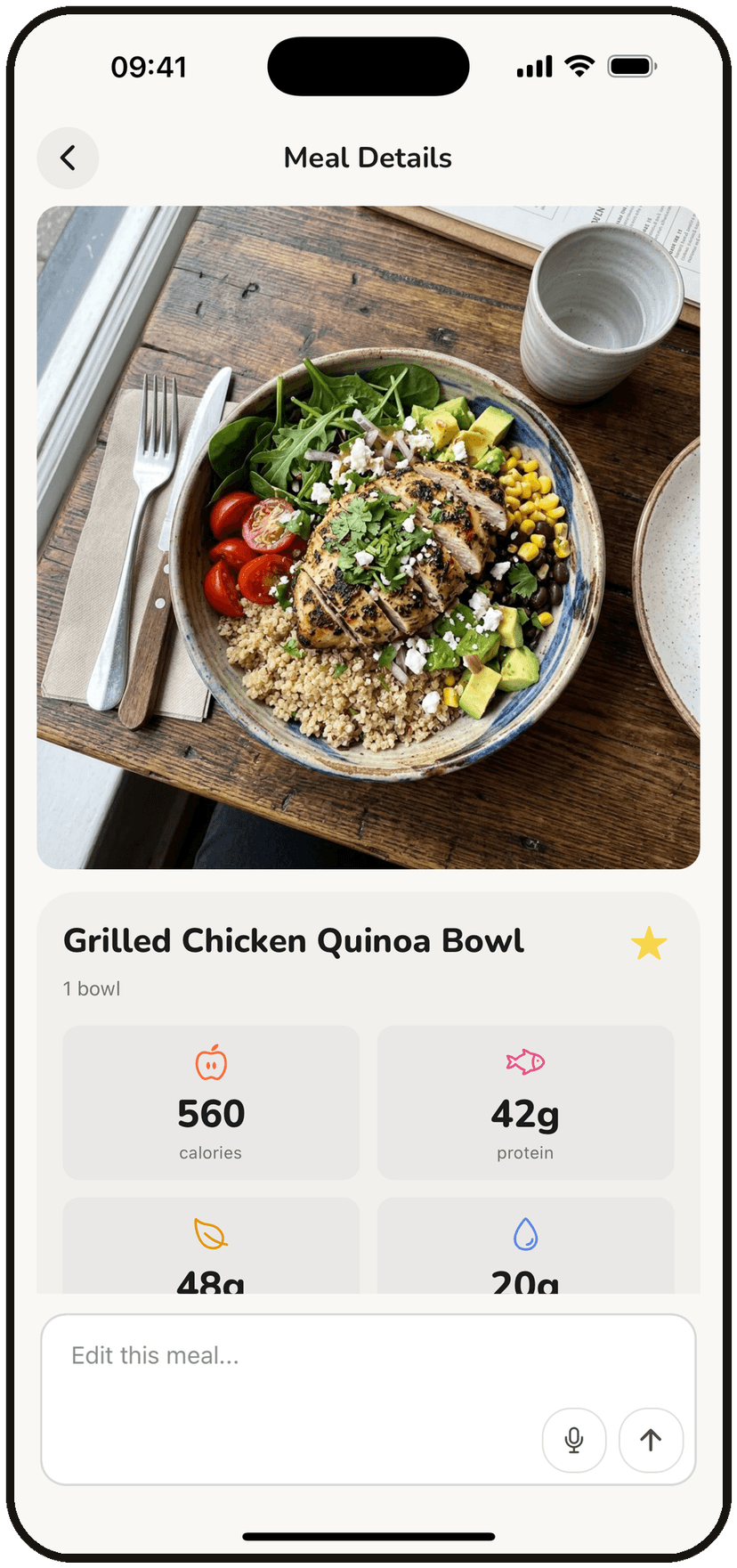
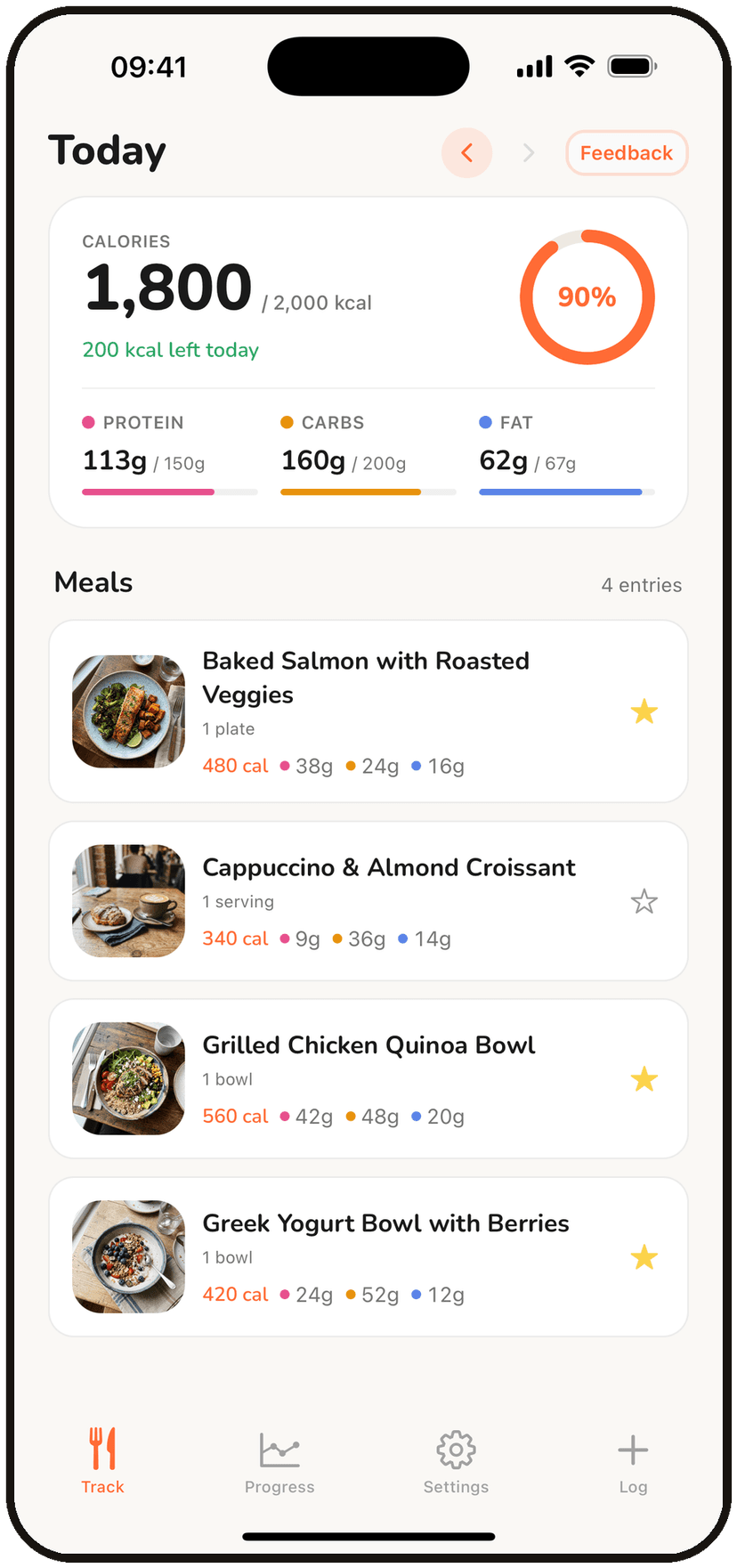
Portion guesses add up fast. BiteKit's AI estimates what's actually on your plate — oils, sides and all — so your log stays close to what you really ate.
- Log meals by photo, voice, or text
- Calories & macros estimated in seconds
- Syncs with Apple Health and Apple Watch
Free download · 3-day free trial, cancel anytime.
Scan with your iPhone camera