AI Sports Drink Recipe Builder
Get a custom DIY sports drink recipe with the right carb and electrolyte ratio for your sport, intensity, duration, and climate conditions. Science-backed, cost-effective hydration.
Helps calibrate sodium and electrolyte levels
Quick starts:
Why Make Your Own Sports Drink?
Commercial sports drinks are convenient, but making your own gives you significant advantages in cost, customization, and ingredient quality. Here is why athletes and fitness enthusiasts are switching to DIY sports drinks:
- Major cost savings: A homemade sports drink costs roughly $0.10-0.30 per serving versus $1.50-3.00 for commercial brands. Over a year of regular training, this can save you hundreds of dollars
- Full customization: You control the exact carbohydrate concentration, sodium level, and electrolyte balance to match your specific sport, sweat rate, and conditions. No more one-size-fits-all formulas
- No artificial ingredients: Commercial drinks often contain artificial colors, flavors, and preservatives. A DIY recipe uses simple, natural ingredients you can pronounce and trust
- Adjustable sweetness and flavor: Many athletes find commercial drinks too sweet or too strong in flavor during intense exercise. Making your own lets you dial in the exact taste that works for you
The Science of Sports Drink Formulation
Effective sports drinks are not just flavored water with sugar. The formulation involves precise science around three key factors that determine how well your body absorbs and uses the drink during exercise.
Carbohydrate Concentration
The percentage of carbohydrates in the solution determines energy delivery and gastric emptying rate. A 6-8% solution (60-80g/L) is optimal for most activities. Too concentrated and the drink sits in your stomach; too dilute and you do not get enough energy. Using multiple carb sources (glucose + fructose) can boost absorption by up to 75%.
Electrolyte Balance
Sodium is the primary electrolyte lost in sweat (averaging 900mg/L of sweat). Replacing it is critical for fluid retention, nerve impulse transmission, and preventing hyponatremia. Potassium supports muscle contraction, while magnesium helps prevent cramping. The ratio must match your sweat losses and conditions.
Osmolality
Osmolality measures the concentration of dissolved particles. An isotonic drink (275-295 mOsm/kg) matches blood concentration for balanced absorption. Hypotonic drinks absorb faster (better for hydration priority), while slightly hypertonic drinks deliver more energy (better for ultra-endurance fueling).
When You Need a Sports Drink vs. Water
Not every workout requires a sports drink. Understanding when to use one versus plain water helps you avoid unnecessary calories during short sessions and ensures you stay properly fueled during longer efforts.
Under 60 minutes, moderate intensity
Recommendation: Plain water is sufficient. Your body has enough stored glycogen and electrolytes for activities under an hour at moderate intensity. Exception: if exercising in very hot conditions or you are a heavy sweater, electrolytes without carbs may help.
60-90 minutes, moderate to high intensity
Recommendation: A dilute sports drink (4-6% carbs) or water with electrolytes. This is the transition zone where glycogen depletion begins to affect performance. Hot conditions or high intensity push you toward using a sports drink.
90 minutes to 3 hours
Recommendation: A full sports drink (6-8% carbs with electrolytes) is strongly recommended. Your glycogen stores are significantly depleted, and both carbohydrate and electrolyte replacement become critical for maintaining performance and preventing fatigue.
3+ hours (ultra-endurance)
Recommendation: A higher-concentration sports drink (8-10% carbs) with elevated sodium. Ultra-endurance activities require aggressive fueling and electrolyte replacement. Using multiple carb sources (glucose + fructose) allows absorption of up to 90g of carbs per hour.
Common DIY Sports Drink Mistakes
Making your own sports drink is straightforward, but these common mistakes can undermine effectiveness or even cause gastrointestinal distress during exercise:
Too Much Sugar
Exceeding 8-10% carbohydrate concentration slows gastric emptying and can cause bloating, nausea, and cramping during exercise. More sugar is not better. Measure carefully and stick to the recommended concentration for your activity.
Wrong Electrolyte Ratio
Too little sodium fails to replace sweat losses and reduces fluid retention. Too much can cause an unpleasant salty taste and gastrointestinal issues. The right balance depends on your conditions and sweat rate, not a one-size-fits-all recipe.
Skipping Sodium Entirely
Some DIY recipes use only sugar and juice, omitting added sodium. Sodium is the most critical electrolyte for exercise hydration. Without it, you risk hyponatremia during long events and your body absorbs less fluid.
Not Testing Before Race Day
Never try a new drink formula during a race or competition. Always test your recipe during training sessions to ensure your stomach tolerates it and the taste works for you at exercise intensity. What tastes good at rest may be too sweet or too salty during hard effort.
Frequently Asked Questions
How does the AI Sports Drink Recipe Builder work?
The AI Sports Drink Recipe Builder uses sports nutrition science and AI to create personalized DIY sports drink recipes. You select your sport, duration, intensity, and climate conditions, and the AI generates an optimized recipe with exact ingredient measurements, nutrition data, mixing instructions, and the scientific rationale behind each formulation choice.
How much does a DIY sports drink cost compared to commercial brands?
A homemade sports drink typically costs $0.10-0.30 per serving, compared to $1.50-3.00 for commercial brands like Gatorade or Skratch Labs. Over a year of regular training, this can save athletes hundreds of dollars while providing a more customizable and preservative-free hydration solution.
What is the ideal carbohydrate concentration for a sports drink?
Most sports drinks should contain a 6-8% carbohydrate solution (60-80g per liter) for optimal absorption and energy delivery. For intense, shorter activities, 4-6% allows faster gastric emptying. For ultra-endurance events over 4 hours, up to 8-10% with multiple carb sources can maximize carbohydrate oxidation rates.
When should I use a sports drink instead of plain water?
Sports drinks become beneficial for exercise lasting longer than 60-90 minutes, during high-intensity activities in hot conditions, or when you are a heavy sweater. For shorter or lower-intensity workouts in cool conditions, plain water is usually sufficient. The electrolytes and carbohydrates in sports drinks help maintain performance during prolonged or intense exercise.
How much sodium should a sports drink contain?
A sports drink should contain 300-600mg of sodium per liter for moderate conditions and 600-1000mg per liter for hot conditions or heavy sweaters. Sodium is the primary electrolyte lost in sweat and is critical for fluid retention, nerve function, and preventing hyponatremia during prolonged exercise.
Are homemade sports drinks as effective as commercial ones?
Yes, homemade sports drinks can be equally effective when properly formulated. The key active ingredients are simple: water, sugar (carbohydrates), and salt (sodium). Commercial drinks add artificial flavors, colors, and preservatives for shelf stability and taste consistency, but the functional hydration and energy components are the same.
iPhone app · 3-day free trial
You're likely eating 500 calories more than you think
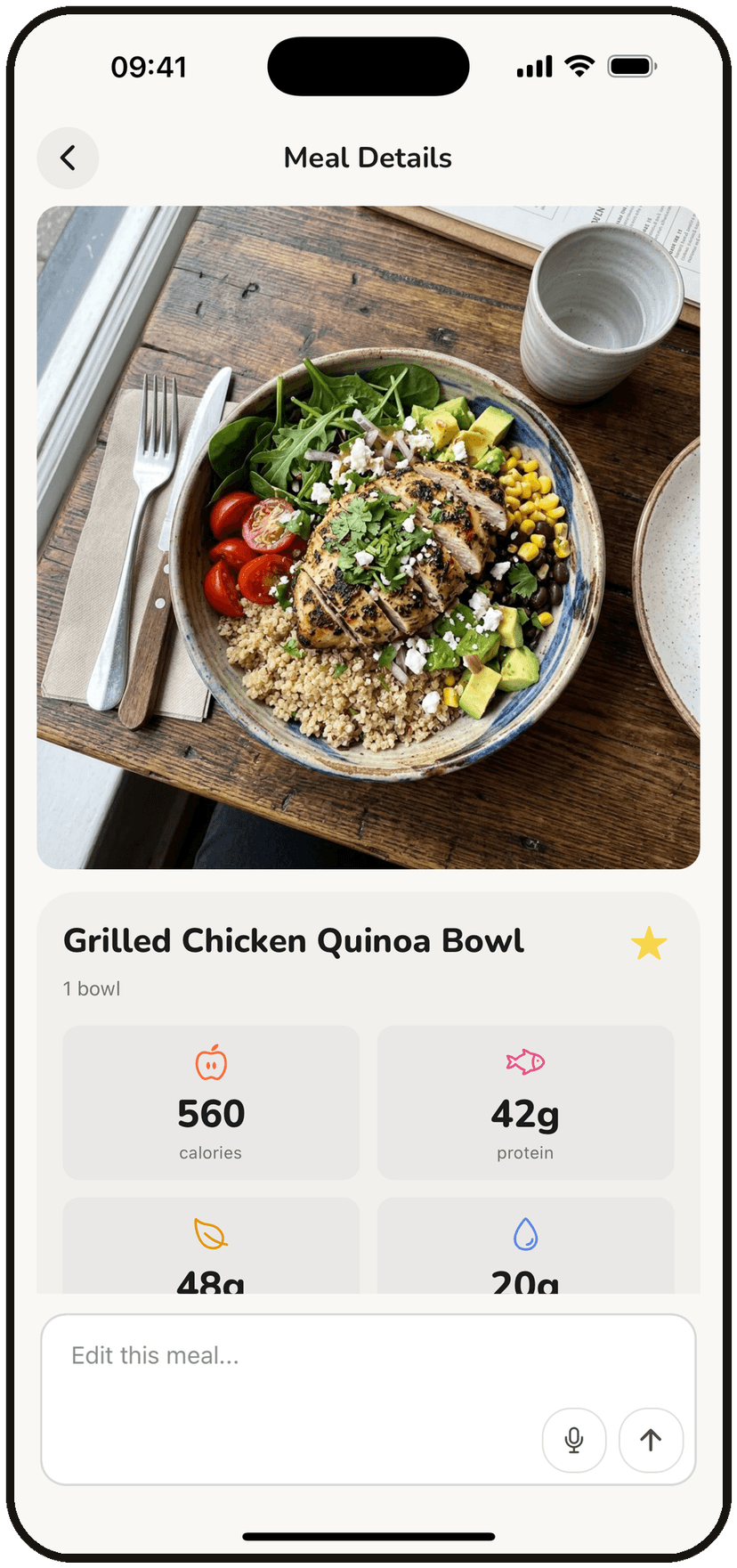
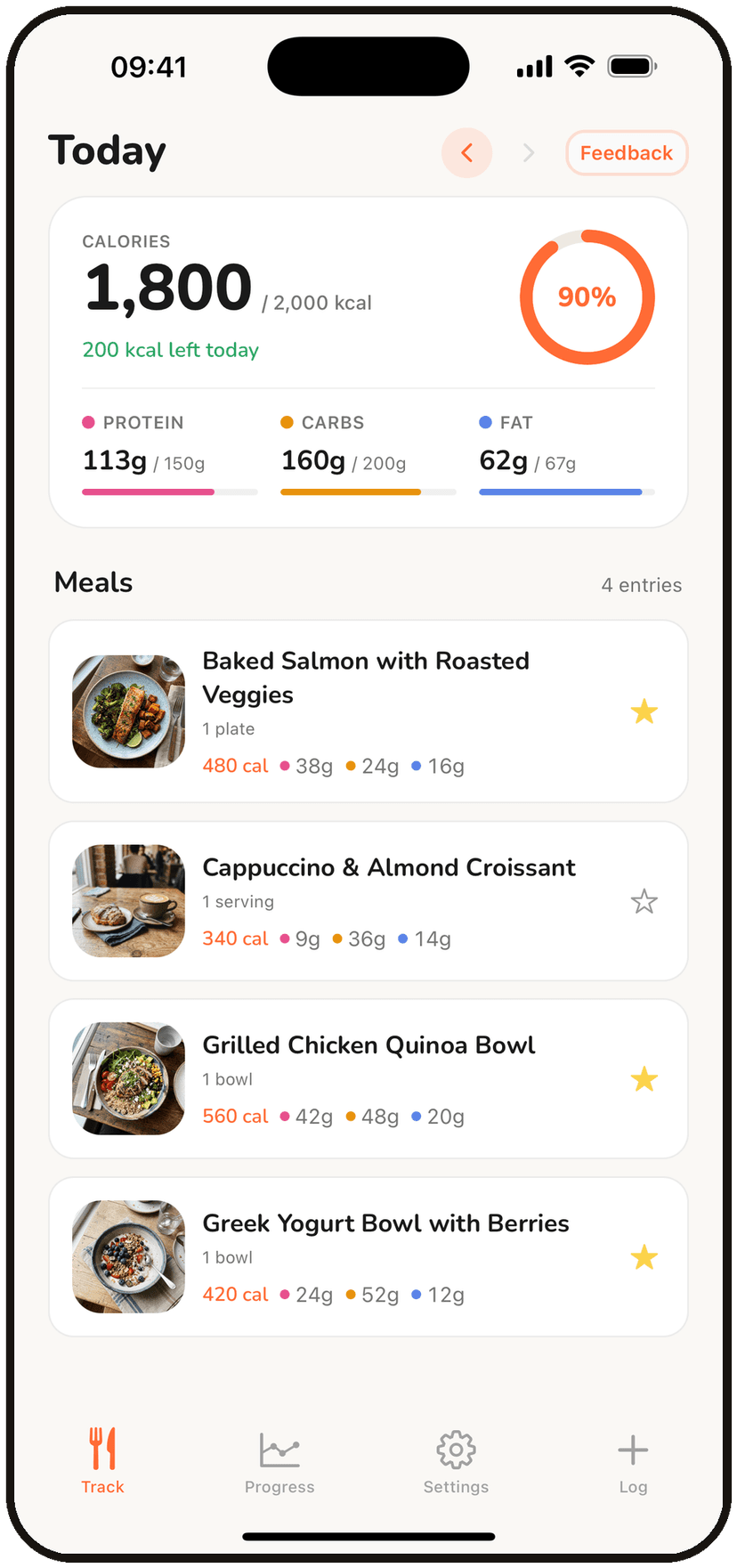
Portion guesses add up fast. BiteKit's AI estimates what's actually on your plate — oils, sides and all — so your log stays close to what you really ate.
- Log meals by photo, voice, or text
- Calories & macros estimated in seconds
- Syncs with Apple Health and Apple Watch
Free download · 3-day free trial, cancel anytime.
Scan with your iPhone camera