Stress & Cortisol Nutrition Calculator
Get personalized nutrition recommendations to manage cortisol. Discover your optimal daily intakes for magnesium, vitamin C, omega-3, B vitamins, and zinc, plus evidence-based adaptogen guidance based on your stress level.
Understanding Cortisol and the Stress Response
Cortisol is a steroid hormone produced by the adrenal glands in response to stress. Often called the “stress hormone,” cortisol is actually essential for survival. It regulates metabolism, immune function, blood sugar, blood pressure, and the sleep-wake cycle. The problem arises when cortisol stays chronically elevated due to ongoing stress, poor sleep, or nutritional deficiencies.
Under normal conditions, cortisol follows a circadian rhythm: it peaks within 30-60 minutes of waking (the cortisol awakening response) and gradually decreases throughout the day, reaching its lowest point around midnight. Chronic stress disrupts this natural pattern, leading to elevated evening cortisol, disrupted sleep, increased belly fat storage, impaired immune function, and accelerated muscle breakdown.
The HPA Axis
The hypothalamic-pituitary-adrenal (HPA) axis is the body's central stress response system. When the brain perceives a threat, the hypothalamus signals the pituitary gland, which tells the adrenals to produce cortisol. This system requires specific nutrients (magnesium, B vitamins, vitamin C, zinc) to function properly. When these nutrients are depleted by chronic stress, the HPA axis becomes dysregulated, producing too much or too little cortisol.
Signs of Chronically Elevated Cortisol
Common signs include difficulty sleeping, increased belly fat despite exercise, sugar and carb cravings, frequent illness, brain fog and poor concentration, anxiety or irritability, slow wound healing, and muscle weakness. If you experience several of these, your cortisol may be chronically elevated and nutritional intervention can help restore balance.
Nutrition as a Cortisol Regulator
The adrenal glands are among the most nutrient-demanding organs in the body. They require vitamin C, B5, B6, magnesium, and zinc to produce and regulate cortisol. When stress increases cortisol production, these nutrients are consumed at a faster rate. Without adequate replenishment through diet or supplementation, the stress response becomes dysfunctional, creating a cycle of nutrient depletion and worsening stress resilience.
Key Nutrients for Cortisol Management
Research has identified five nutrients as particularly important for regulating the stress response and managing cortisol levels. Each plays a unique role in the HPA axis, neurotransmitter production, or inflammation control.
Magnesium
Regulates the HPA axis, activates calming GABA receptors, and is rapidly depleted under stress. Up to 50% of the population may be deficient.
Vitamin C
The adrenal glands contain the highest vitamin C concentration in the body. It modulates cortisol peaks and speeds recovery after stressful events.
Omega-3 (EPA/DHA)
EPA and DHA reduce neuroinflammation caused by chronic stress. Studies show omega-3 supplementation reduces cortisol by 19% and anxiety by 20%.
Additional key nutrients: B vitamins (especially B5 and B6) are essential for adrenal hormone production and neurotransmitter synthesis. Zinc modulates cortisol release and is rapidly excreted under stress. Together, these five nutrients form the foundation of nutritional cortisol management.
Adaptogens: Nature's Stress Regulators
Adaptogens are a class of herbs and natural compounds that help the body resist and adapt to stress. They work by modulating the HPA axis and stress-related neurotransmitters, helping normalize cortisol levels whether they are too high or too low. Unlike stimulants or sedatives, adaptogens promote balance rather than pushing the body in one direction.
Ashwagandha
The most-studied adaptogen for cortisol, ashwagandha (KSM-66 extract) has been shown to reduce serum cortisol by 23-30% in randomized controlled trials. It also improves sleep quality, reduces anxiety scores, and enhances stress resilience. The typical dosage is 300-600 mg of root extract per day.
Rhodiola Rosea
Rhodiola excels at combating mental fatigue and burnout. It enhances cognitive performance under stress, reduces fatigue by supporting serotonin and dopamine levels, and has been used by athletes and military personnel for decades. Take 200-400 mg in the morning as it can be mildly stimulating.
Other evidence-based adaptogens include Holy Basil (Tulsi) for severe chronic stress, L-Theanine from green tea for calm focus, and Eleuthero (Siberian Ginseng) for athletes under combined physical and mental stress. It's important to note that adaptogens work best as part of a comprehensive approach that includes proper nutrition, adequate sleep, regular exercise, and stress management practices. Always consult a healthcare professional before starting any new supplement.
The Gut-Brain-Stress Connection
The gut-brain axis is a bidirectional communication highway between your gut microbiome and your brain. Chronic stress disrupts gut bacteria composition, which in turn worsens stress resilience and cortisol regulation. This creates a feedback loop where stress damages the gut and a damaged gut amplifies stress.
Clinical trials show that probiotic supplementation can reduce cortisol levels by approximately 18% and significantly lower self-reported stress and anxiety. Fermented foods like yogurt, kefir, sauerkraut, kimchi, and miso provide natural probiotics that support the gut-brain connection. Prebiotic fiber from foods like garlic, onions, asparagus, and bananas feeds beneficial gut bacteria and further supports this relationship.
Frequently Asked Questions
What foods help lower cortisol levels?
The best foods for lowering cortisol include dark leafy greens (magnesium), fatty fish like salmon and sardines (EPA/DHA omega-3s), berries (vitamin C and antioxidants), nuts and seeds (magnesium and zinc), fermented foods like yogurt and kimchi (probiotics that reduce cortisol by 18%), and dark chocolate with 70%+ cacao (magnesium and flavonoids). Focus on whole, anti-inflammatory foods.
How does magnesium help with cortisol and stress?
Magnesium directly regulates the HPA axis, the body's central stress response system. Chronic stress depletes magnesium through increased urinary excretion, and low magnesium amplifies cortisol output. Magnesium also activates GABA receptors that calm the nervous system and supports melatonin production for better sleep. For stress management, 400-600 mg daily of magnesium glycinate is recommended.
What are adaptogens and do they reduce cortisol?
Adaptogens are natural herbs that help the body adapt to stress. Clinical research supports several for cortisol management: Ashwagandha reduces cortisol by 23-30% at 300-600 mg/day, Rhodiola Rosea combats mental fatigue at 200-400 mg/day, Holy Basil reduces cortisol with anti-anxiety effects at 300-600 mg/day, and L-Theanine promotes calm alertness at 200-400 mg/day. Always consult a healthcare provider before starting adaptogens.
Does caffeine increase cortisol levels?
Yes, caffeine stimulates cortisol production and can increase it by 30% above baseline. High intake (4+ cups daily) maintains chronically elevated levels. Limit caffeine to 1-2 cups before noon and delay your first cup 90 minutes after waking to avoid amplifying the natural cortisol morning peak.
Can vitamin C reduce cortisol?
Yes, the adrenal glands contain the highest concentration of vitamin C in the body and use it to produce cortisol during stress. Higher intake helps modulate cortisol peaks and speeds recovery. During high-stress periods, 500-1000 mg in divided doses can help. Rich sources include bell peppers, kiwi, strawberries, and broccoli.
How does sleep affect cortisol levels?
Sleep and cortisol have a bidirectional relationship. Poor sleep raises cortisol by 37-45% the next day, while high cortisol disrupts sleep quality. Maintaining a consistent sleep schedule, getting 7-9 hours of quality sleep, and supporting sleep with nutrients like magnesium, B6, and tryptophan are essential for healthy cortisol rhythms.
iPhone app · 3-day free trial
You're likely eating 500 calories more than you think
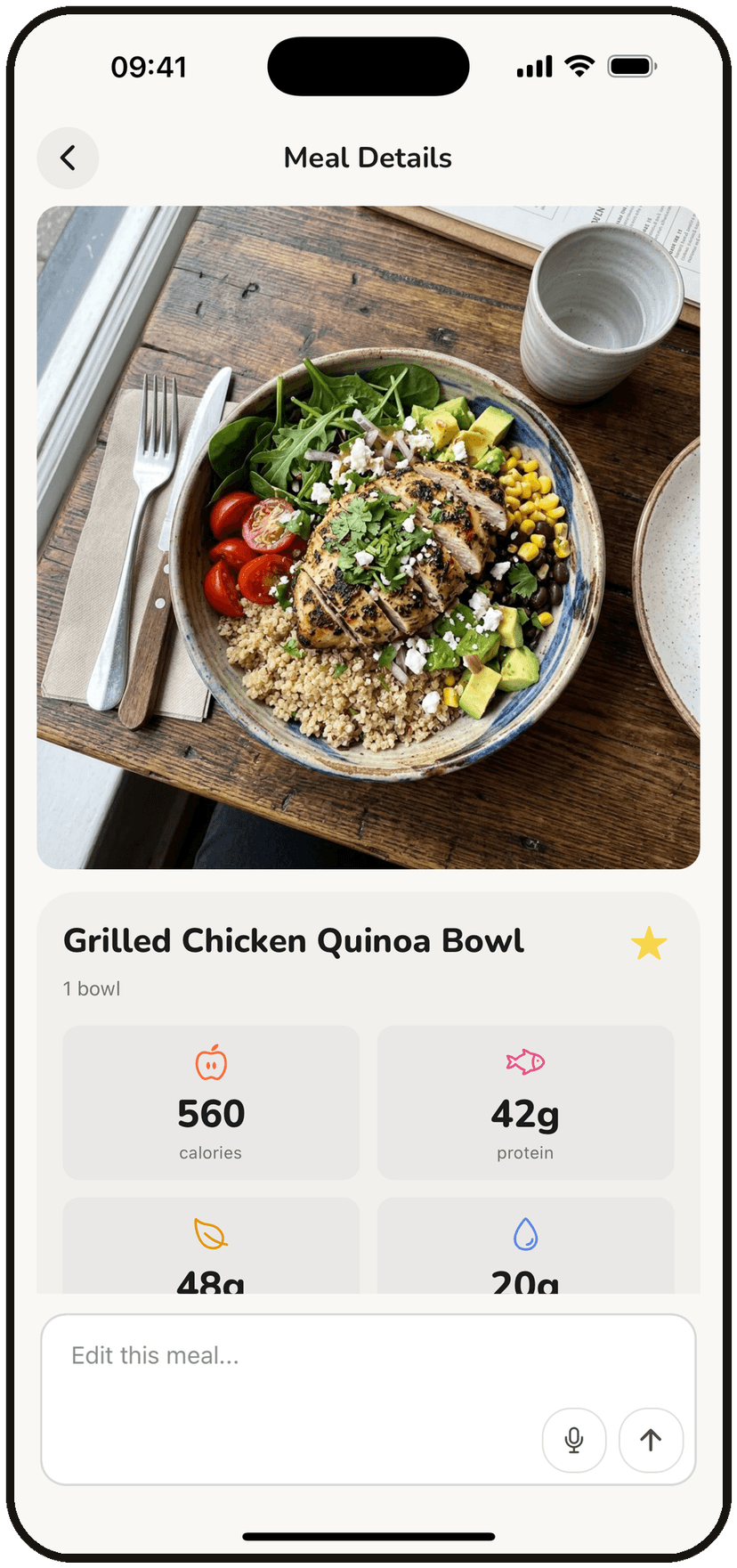
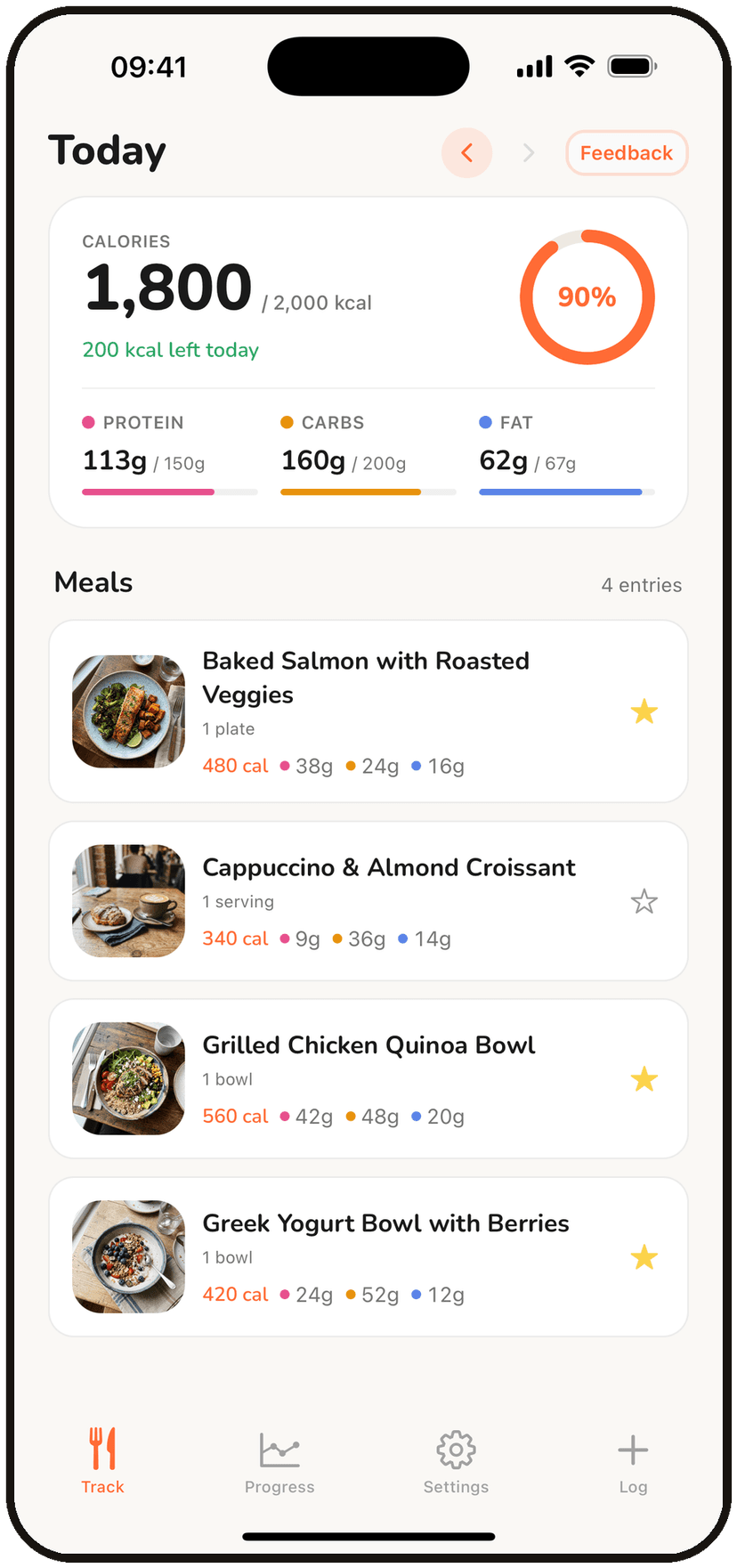
Portion guesses add up fast. BiteKit's AI estimates what's actually on your plate — oils, sides and all — so your log stays close to what you really ate.
- Log meals by photo, voice, or text
- Calories & macros estimated in seconds
- Syncs with Apple Health and Apple Watch
Free download · 3-day free trial, cancel anytime.
Scan with your iPhone camera