Sushi Calorie Calculator
Calculate the calories, protein, carbs, and fat in your sushi order. Choose from popular rolls, nigiri, and sashimi to get an instant nutritional breakdown of your whole meal.
Sushi Rolls
Calories per 8-piece roll
California Roll
255 cal · 9g protein · 38g carbs · 7g fat
Spicy Tuna Roll
290 cal · 15g protein · 26g carbs · 11g fat
Tuna Roll
184 cal · 24g protein · 27g carbs · 2g fat
Salmon Roll
232 cal · 18g protein · 27g carbs · 5g fat
Dragon Roll
380 cal · 19g protein · 42g carbs · 13g fat
Philadelphia Roll
320 cal · 14g protein · 32g carbs · 14g fat
Rainbow Roll
476 cal · 33g protein · 50g carbs · 13g fat
Shrimp Tempura Roll
508 cal · 20g protein · 64g carbs · 21g fat
Vegetable Roll
170 cal · 5g protein · 36g carbs · 1g fat
Avocado Roll
140 cal · 2g protein · 28g carbs · 5g fat
Cucumber Roll (Kappa)
136 cal · 4g protein · 30g carbs · 0g fat
Spider Roll
317 cal · 13g protein · 38g carbs · 12g fat
Nigiri & Sashimi
Calories per piece
Tuna Nigiri
60 cal · 7g protein · 8g carbs · 0.5g fat
Salmon Nigiri
65 cal · 6g protein · 8g carbs · 1.5g fat
Shrimp Nigiri
52 cal · 6g protein · 8g carbs · 0.5g fat
Yellowtail Nigiri
58 cal · 7g protein · 8g carbs · 0.5g fat
Eel (Unagi) Nigiri
90 cal · 7g protein · 10g carbs · 2.5g fat
Tuna Sashimi
40 cal · 8g protein · 0g carbs · 0.5g fat
Salmon Sashimi
42 cal · 7g protein · 0g carbs · 1.5g fat
Sushi Nutrition at a Glance
Sushi can range from one of the lightest meals you can order to a surprisingly calorie-dense feast depending on what you choose. The three main factors that determine calories in sushi are the type of fish or filling, the amount of rice, and whether added fats like cream cheese, avocado, tempura batter, or spicy mayo are involved.
Understanding the nutritional difference between roll types, nigiri, and sashimi helps you enjoy sushi while staying on track with your calorie and macro goals.
Rolls vs. Nigiri vs. Sashimi: What's the Difference?
Maki Rolls
Fish or vegetables wrapped in nori and sushi rice, cut into 6-8 pieces. Rice adds carbohydrates and calories. Specialty rolls with sauces or tempura can be very calorie-dense.
Nigiri
A slice of raw or cooked fish pressed over a small oblong mound of sushi rice. More fish, less rice than rolls. Typically 50-90 calories per piece depending on the fish type.
Sashimi
Pure sliced fish with no rice or wrapping. The lowest-calorie, highest-protein option. A great choice for low-carb diets or when you want maximum protein per calorie.
Calorie Ranges by Roll Type
Not all rolls are created equal. Here is how the most popular sushi rolls compare:
Low Calorie (Under 200 cal / roll)
LightestCucumber roll (136 cal), Avocado roll (140 cal), Vegetable roll (170 cal), Tuna roll (184 cal)
Moderate (200-350 cal / roll)
BalancedSalmon roll (232 cal), California roll (255 cal), Spicy tuna roll (290 cal), Spider roll (317 cal), Philadelphia roll (320 cal)
High Calorie (350+ cal / roll)
IndulgentDragon roll (380 cal), Rainbow roll (476 cal), Shrimp Tempura roll (508 cal)
Tips for Eating Sushi on a Diet
1. Choose sashimi over rolls when you can
Replacing two rolls with sashimi can save 300-400 calories while actually increasing your protein intake. Tuna and salmon sashimi are both under 45 calories per piece with 7-8g of protein each.
2. Watch out for sauces and toppings
Spicy mayo, eel sauce, and tempura batter are the biggest hidden calorie sources at sushi restaurants. A drizzle of spicy mayo can add 50-100 calories per roll. Ask for sauces on the side when possible.
3. Pace yourself with miso soup and edamame
Starting with miso soup (about 35 calories) and edamame (150 calories per cup, shelled) gives you filling protein and fiber before your rolls arrive, reducing how much you eat overall.
4. Order strategically for your macros
For a higher-protein meal, prioritize tuna roll, rainbow roll, or sashimi. For a lower-carb meal, lean heavily on sashimi. For the most balanced meal, combine a simple roll with nigiri and miso soup.
Understanding Sushi Macros
Protein
Comes primarily from the fish. Sashimi and simple fish rolls provide the most protein per calorie. Aim for rolls with tuna, salmon, or yellowtail for the best protein value.
Carbs
Almost entirely from sushi rice, which is seasoned with rice vinegar and sugar. Each roll contains roughly 25-64g of carbs depending on size. Sashimi has virtually zero carbs.
Fat
Varies widely. Fatty fish like salmon and eel contribute healthy omega-3 fats. Cream cheese, mayo, and tempura batter add significant saturated and trans fat content.
Frequently Asked Questions
How many calories are in a typical sushi roll?
Calorie counts vary widely. A simple vegetable or cucumber roll is around 136-170 calories per 8 pieces, while specialty rolls with tempura or cream cheese can reach 320-508 calories. The average sushi roll falls between 200-350 calories for 8 pieces.
Is sushi healthy for weight loss?
Sushi can fit well into a weight-loss diet when chosen carefully. Sashimi and simple rolls are low in calories and high in protein. Rolls with tempura, cream cheese, or heavy sauces are significantly more calorie-dense. Tracking portions is key.
What is the lowest-calorie sushi option?
Sashimi is the lowest-calorie option at 40-42 calories per piece since it contains no rice. Among rolls, the cucumber roll at 136 calories and avocado roll at 140 calories per 8 pieces are the lightest choices.
How does sushi rice affect the calorie count?
Sushi rice is seasoned with rice vinegar and sugar, adding carbohydrates and calories. A typical 8-piece roll contains around 150-200 calories from rice alone. This is why sashimi is significantly lower in calories than nigiri or maki rolls.
What is the difference between nigiri and sashimi calories?
Nigiri includes a mound of sushi rice under the fish, totalling 52-90 calories per piece. Sashimi is sliced fish only with no rice, at just 40-42 calories per piece for common varieties like tuna and salmon — making it the most calorie-efficient option.
How much protein does sushi have?
Protein depends on fish type and quantity. Sashimi pieces provide 7-8g of protein per piece with minimal calories. A rainbow roll provides about 33g of protein per 8 pieces. Sushi is generally a moderate-to-high protein meal option.
iPhone app · 3-day free trial
You're likely eating 500 calories more than you think
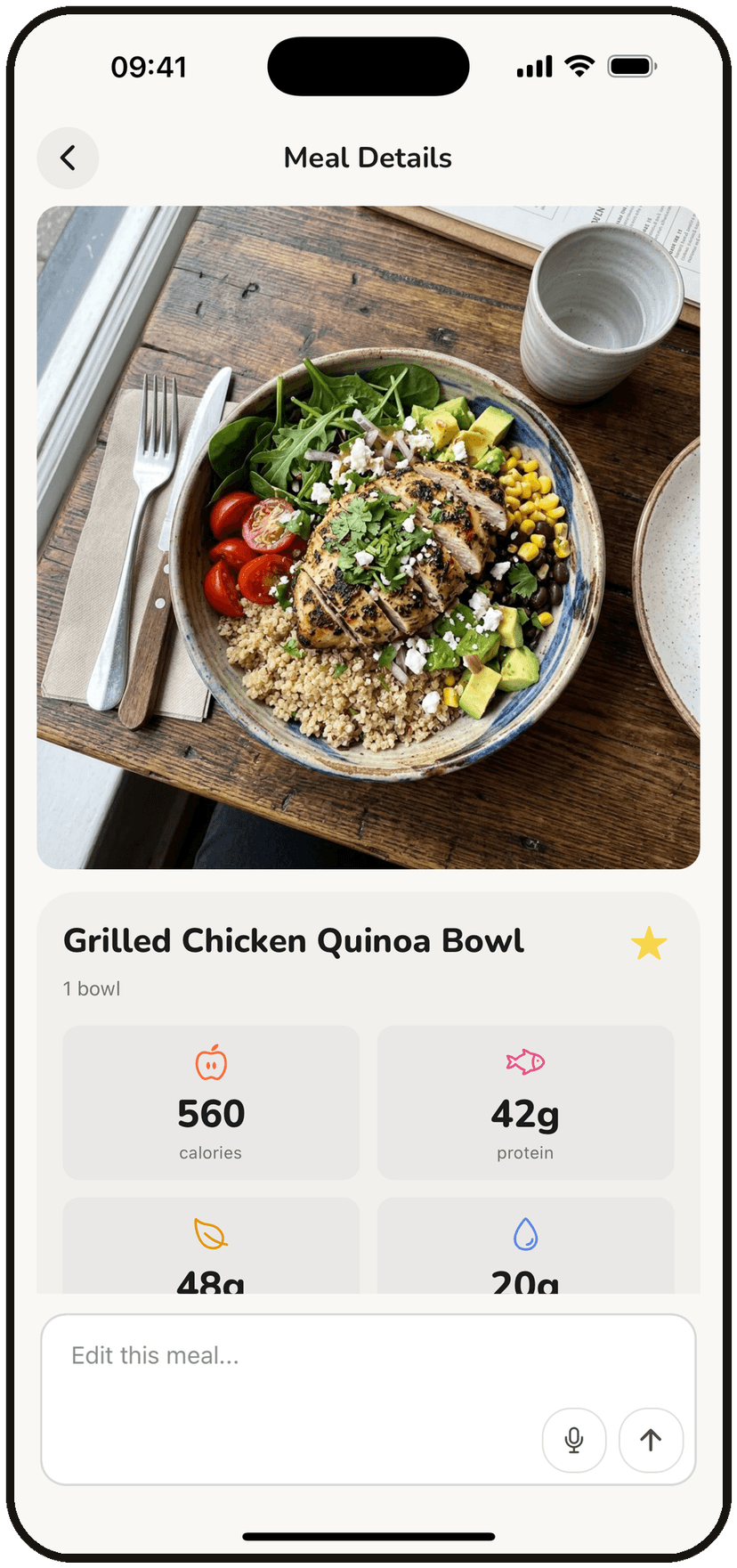
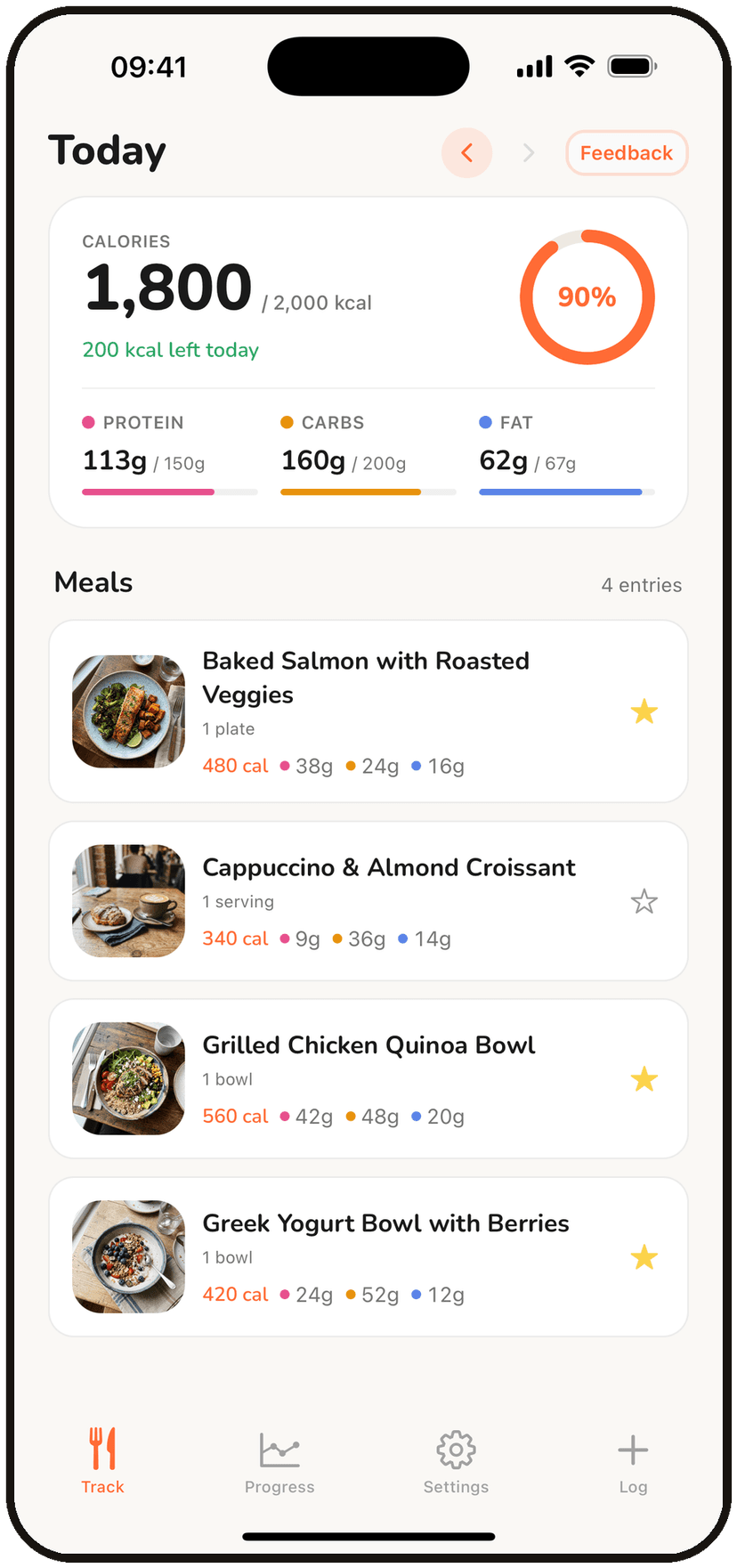
Portion guesses add up fast. BiteKit's AI estimates what's actually on your plate — oils, sides and all — so your log stays close to what you really ate.
- Log meals by photo, voice, or text
- Calories & macros estimated in seconds
- Syncs with Apple Health and Apple Watch
Free download · 3-day free trial, cancel anytime.
Scan with your iPhone camera