Sweat Rate Calculator
Estimate your personal sweat rate from pre/post exercise weight and fluid intake to dial in hydration during training. Get fluid replacement and electrolyte recommendations.
Total fluid drunk during the exercise session
If you urinated during exercise, enter the approximate volume. Leave blank or 0 if none.
How to measure accurately
Weigh yourself in minimal clothing before and after exercise. Towel off sweat before stepping on the scale post-workout. Track how much fluid you drink during the session. For best results, empty your bladder before the pre-exercise weigh-in.
Why Your Sweat Rate Matters
Sweat rate is one of the most important but often overlooked metrics in athletic performance. Your body sweats to regulate core temperature during exercise, and the rate at which you lose fluid directly impacts your ability to perform.
Research from the American College of Sports Medicine shows that even a 2% loss in body weight from dehydration can impair endurance performance by 10-20%. At 3-5% loss, strength, power, and cognitive function all decline. Severe dehydration above 5% becomes a medical concern.
The problem is that sweat rates are highly individual. Two people running the same pace in the same conditions can have vastly different sweat rates — one might lose 0.5 L/hr while the other loses 2.0 L/hr. Generic "drink 8 glasses a day" advice fails because it ignores this individual variation. Measuring your own sweat rate gives you a precise, personalized hydration target.
How to Measure Your Sweat Rate Accurately
The sweat rate test is straightforward but requires attention to detail for accurate results. Here is the protocol used by sports scientists and athletic trainers:
Step 1: Pre-Exercise Weigh-In
Empty your bladder, then weigh yourself in minimal clothing (or nude) immediately before exercise. Use a digital scale accurate to at least 0.1 kg (0.2 lbs). Record this weight.
Step 2: Exercise and Track Fluids
Exercise at your normal intensity for at least 30-60 minutes. Carefully measure and record every drop of fluid you consume. Use a measured water bottle so you can track precisely. Note the total exercise duration.
Step 3: Post-Exercise Weigh-In
Immediately after exercise, towel off all visible sweat and weigh yourself again in the same minimal clothing. Do this quickly — your body continues losing fluid through evaporation.
Step 4: Calculate
Sweat Loss = (Pre-Weight - Post-Weight) + Fluid Consumed - Urine Volume. Divide by exercise hours for your hourly sweat rate. Each kilogram of weight lost equals approximately 1 liter of sweat.
Pro Tip
Test your sweat rate in different conditions — hot vs. cool weather, high vs. low intensity, indoors vs. outdoors. Your sweat rate can vary significantly across environments. Build a personal hydration profile for each training scenario.
Factors That Affect Your Sweat Rate
Sweat rate is not a fixed number — it changes based on multiple factors. Understanding these variables helps you adjust your hydration strategy:
Temperature and Humidity
Hot and humid conditions dramatically increase sweat rate. In extreme heat, sweat rate can double or triple compared to cool conditions. High humidity reduces sweat evaporation, causing the body to produce even more sweat.
Exercise Intensity
Higher intensity means more metabolic heat production, which triggers more sweating. A tempo run produces significantly more sweat than an easy jog. Match your hydration to workout intensity.
Fitness Level
Fitter individuals actually sweat more — and earlier — than less fit people. This is an adaptation: trained bodies become more efficient at cooling through sweating, which means greater fluid needs during exercise.
Body Size and Genetics
Larger individuals produce more heat and sweat more overall. Genetics also play a major role — some people are naturally heavier sweaters. Sweat sodium concentration is also genetically influenced.
Hydration Strategies for Training
Once you know your sweat rate, you can build an evidence-based hydration plan:
Before Exercise
- Drink 400-600 ml (14-20 oz) of water 2-3 hours before exercise
- Sip 200-300 ml (7-10 oz) in the 15-30 minutes before starting
- Check urine color — pale yellow indicates good hydration
- Include sodium in pre-exercise fluids if exercising in heat
During Exercise
- Aim to replace 80% of sweat losses (use your calculated recommendation above)
- Drink small amounts every 15-20 minutes rather than large gulps
- Use an electrolyte drink for sessions over 60 minutes or in hot conditions
- Practice your hydration strategy during training, not just on race day
After Exercise
- Replace 150% of remaining fluid deficit over 2-4 hours post-exercise
- Include sodium in recovery fluids to improve fluid retention
- Pair hydration with a recovery meal containing carbohydrates and protein
- Monitor urine color — return to pale yellow within a few hours of finishing. Use our Water Intake Calculator for daily hydration targets.
Frequently Asked Questions
What is sweat rate and why does it matter?
Sweat rate is the volume of sweat your body produces per hour during exercise. Knowing your personal sweat rate lets you create a customized hydration plan. Under-hydrating causes dehydration and reduced performance. Over-hydrating can cause hyponatremia (dangerously low sodium levels). Your sweat rate helps you find the right balance.
How do I measure my sweat rate?
Weigh yourself in minimal clothing before exercise. Track fluid consumed during the workout. Weigh yourself immediately after (towel off sweat first). The weight difference plus fluid consumed minus urine output equals total sweat loss. Divide by exercise hours for your hourly rate.
What is a normal sweat rate?
Average sweat rates range from 0.5 to 2.0 liters per hour, but individual variation is significant. Factors like intensity, temperature, humidity, fitness level, and genetics all play a role. Elite athletes in hot conditions can exceed 3 L/hr. The key is to measure your own rate rather than relying on averages.
How much should I drink during exercise?
Aim to replace about 80% of your sweat losses. Trying to replace 100% often causes stomach discomfort. For most people, 400-800 ml (14-27 oz) per hour works well, but your personal sweat rate gives a far more accurate target. Sip small amounts every 15-20 minutes.
How much sodium do I lose in sweat?
On average, sweat contains about 1 gram of sodium per liter, but individual concentration ranges from 0.2 to 2.0 g/L. If you notice white residue on your clothing or hat after exercise, you may be a salty sweater. For sessions over 60 minutes, replacing sodium with an electrolyte drink helps maintain performance and prevent cramping.
Does dehydration really affect exercise performance?
Yes. Losing just 2% of body weight through dehydration can reduce endurance performance by 10-20%, increase perceived effort, impair concentration, and elevate heart rate. At 3-5% loss, strength and power decline, core temperature rises faster, and heat-related illness risk increases significantly.
iPhone app · 3-day free trial
You're likely eating 500 calories more than you think
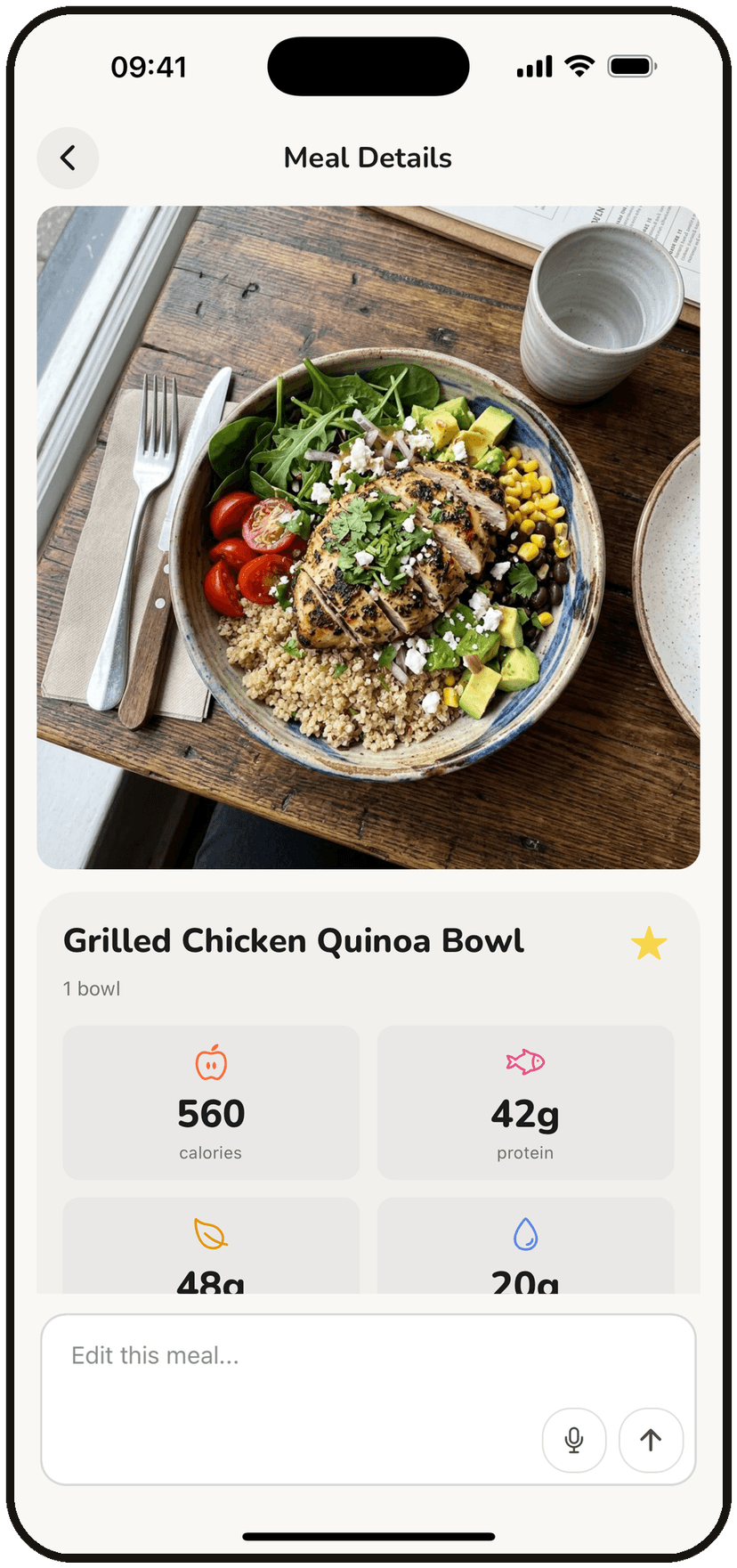
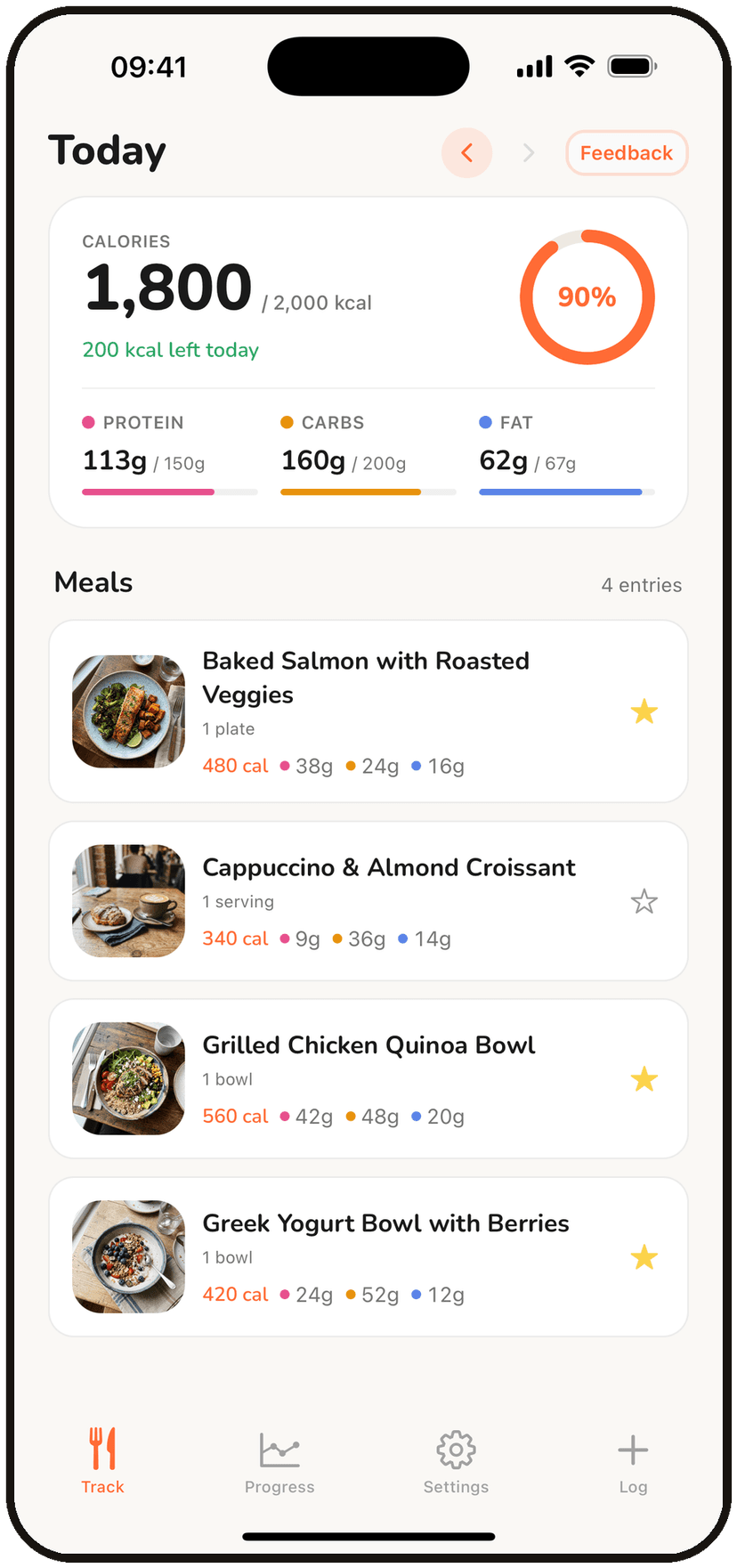
Portion guesses add up fast. BiteKit's AI estimates what's actually on your plate — oils, sides and all — so your log stays close to what you really ate.
- Log meals by photo, voice, or text
- Calories & macros estimated in seconds
- Syncs with Apple Health and Apple Watch
Free download · 3-day free trial, cancel anytime.
Scan with your iPhone camera