Swimming Calorie Calculator
Calculate calories burned during swimming by stroke type, intensity, duration, and pool temperature. Get pace analysis, stroke comparisons, and personalized hydration recommendations.
MET value: 8.3 at moderate intensity
Standard pool temperature (78-82°F / 26-28°C). No calorie adjustment needed.
How It Works
This calculator uses MET (Metabolic Equivalent of Task) values from the Compendium of Physical Activities to estimate calorie expenditure. The formula is: Calories = MET × weight (kg) × duration (hours), adjusted for water temperature effects on thermoregulation.
Calorie Burn by Swimming Stroke
Different swimming strokes engage different muscle groups and require varying amounts of energy. Understanding the calorie cost of each stroke helps you plan workouts that match your fitness goals — whether you want maximum calorie burn or a sustainable, long-distance session.
Butterfly — MET 10.0-13.8
The most demanding stroke, butterfly uses a simultaneous arm recovery and a powerful dolphin kick. A 155 lb swimmer burns roughly 700 calories per hour at vigorous intensity. Because of its high energy cost, most swimmers use butterfly in shorter sets or as part of an IM (Individual Medley) rotation.
Freestyle (Front Crawl) — MET 5.8-10.3
The most popular and efficient stroke for distance swimming. Freestyle offers a great balance of calorie burn and sustainability. Moderate freestyle burns about 580 calories per hour, while vigorous freestyle pushes past 720 calories per hour for a 155 lb person.
Breaststroke — MET 5.3-10.3
Breaststroke is often perceived as a relaxed stroke, but vigorous breaststroke rivals freestyle in calorie expenditure. The wide kick and arm pull pattern engage the inner thighs, chest, and shoulders differently from other strokes, making it a valuable addition to any swim workout.
Backstroke — MET 4.8-9.5
Backstroke is the lowest-calorie stroke but offers unique benefits: it opens the chest, strengthens posterior chain muscles, and is easy on the neck and breathing since your face stays above water. It burns approximately 490-665 calories per hour depending on intensity.
How Water Temperature Affects Calorie Burn
Water conducts heat away from your body 25 times faster than air. This means your body must work harder to maintain its core temperature when swimming in cold water, resulting in measurably higher calorie expenditure.
Cold Water
+10-15% calories
Below 76°F (24°C). Your body activates thermogenesis to maintain core temperature, burning extra calories through shivering and non-shivering heat production.
Moderate
Baseline
78-82°F (26-28°C). The ideal training range. Thermoregulation demands are minimal, allowing you to focus energy on your swim performance.
Warm Water
-5% calories
Above 84°F (29°C). Less energy is needed for thermoregulation. However, warm water can increase heart rate and perceived exertion, limiting workout duration.
Swimming for Weight Loss
Swimming is one of the most effective exercises for weight loss and body composition improvement. Here's why it works and how to maximize results:
Full-Body Workout
Swimming engages nearly every major muscle group simultaneously — shoulders, back, core, glutes, and legs all work together. This full-body recruitment drives high calorie expenditure and builds functional, lean muscle mass that boosts resting metabolism.
Low Impact, High Burn
Water buoyancy supports your body weight, reducing stress on joints by up to 90%. This makes swimming ideal for heavier individuals or those with joint issues who need high-calorie-burning exercise without the impact of running or jumping.
Built-In Resistance
Water is roughly 800 times denser than air. Every stroke and kick works against this resistance, providing a natural form of strength training that builds lean muscle while burning calories. No additional equipment needed.
Sustainable Long-Term
The low-impact nature of swimming means fewer injuries and less recovery time between sessions. You can swim 4-6 days per week without the overuse injuries common in running. Consistency is the key to sustained weight loss, and swimming supports that.
Nutrition for Swimmers
Proper nutrition timing and composition can significantly impact your swim performance and recovery. Here are key guidelines for fueling your time in the pool:
Pre-Swim (1-2 hours before)
Eat a moderate meal rich in complex carbohydrates with some protein. Avoid high-fat or high-fiber foods that may cause discomfort in the water. Good options include oatmeal with banana, toast with peanut butter, or a rice bowl with lean protein. Aim for 200-400 calories.
During Long Swims (60+ minutes)
For sessions longer than an hour, consume 30-60 grams of fast-acting carbohydrates per hour. Sports drinks, energy gels, or diluted juice at the pool edge work well. Stay hydrated with 400-800 mL of fluid per hour — dehydration impairs performance even in the water.
Post-Swim Recovery (within 30-60 min)
The post-swim window is critical. Consume a meal or snack with a 3:1 carbohydrate-to-protein ratio to replenish glycogen and kickstart muscle repair. Chocolate milk, a turkey sandwich, or Greek yogurt with fruit and granola are excellent choices. Rehydrate with water or an electrolyte drink.
Managing Post-Swim Hunger
Swimming in cool water is known to increase appetite more than land-based exercise. Have your recovery meal planned in advance to avoid impulse eating. Focus on whole foods rich in protein and fiber to promote satiety. If your goal is weight loss, track your post-swim intake to ensure you don't eat back more calories than you burned.
Frequently Asked Questions
How many calories does swimming burn per hour?
Swimming burns between 400-700 calories per hour for a 155 lb (70 kg) person, depending on stroke and intensity. Butterfly at vigorous intensity burns the most (~700 cal/hr), while light backstroke burns the least (~335 cal/hr). Moderate freestyle — the most common training stroke — burns approximately 580 calories per hour.
Which swimming stroke burns the most calories?
Butterfly burns the most calories with a MET value up to 13.8 at vigorous intensity, making it comparable to running at 8 mph. However, most swimmers can't maintain butterfly for extended periods. For sustained calorie burn, vigorous freestyle or breaststroke (both MET 10.3) are more practical high-calorie options.
Does cold water make you burn more calories?
Yes. Swimming in cold water (below 76°F / 24°C) increases calorie burn by approximately 10-15%. Your body activates thermogenesis to maintain core temperature, which requires additional energy. This effect is more pronounced during longer sessions and in open water swimming where temperatures may be significantly below pool standard.
How are swimming calories calculated?
This calculator uses the MET formula: Calories = MET × body weight (kg) × duration (hours). MET values for each stroke and intensity are sourced from the Compendium of Physical Activities. A temperature adjustment factor is then applied based on research into thermoregulation during water immersion.
Is swimming good for weight loss?
Swimming is excellent for weight loss. It provides high calorie burn (400-700 cal/hr), is low-impact on joints, builds lean muscle mass, and can be sustained consistently without injury. The key is managing post-swim hunger and ensuring your total calorie intake stays in a deficit. Combining swimming with proper nutrition tracking yields the best results.
Why do I feel so hungry after swimming?
Post-swim hunger is caused by cold water exposure stimulating appetite hormones, rapid glycogen depletion from full-body exercise, and the cooling effect on ghrelin production. Plan a balanced post-swim meal with a 3:1 carb-to-protein ratio within 30-60 minutes to refuel properly without overeating.
iPhone app · 3-day free trial
You're likely eating 500 calories more than you think
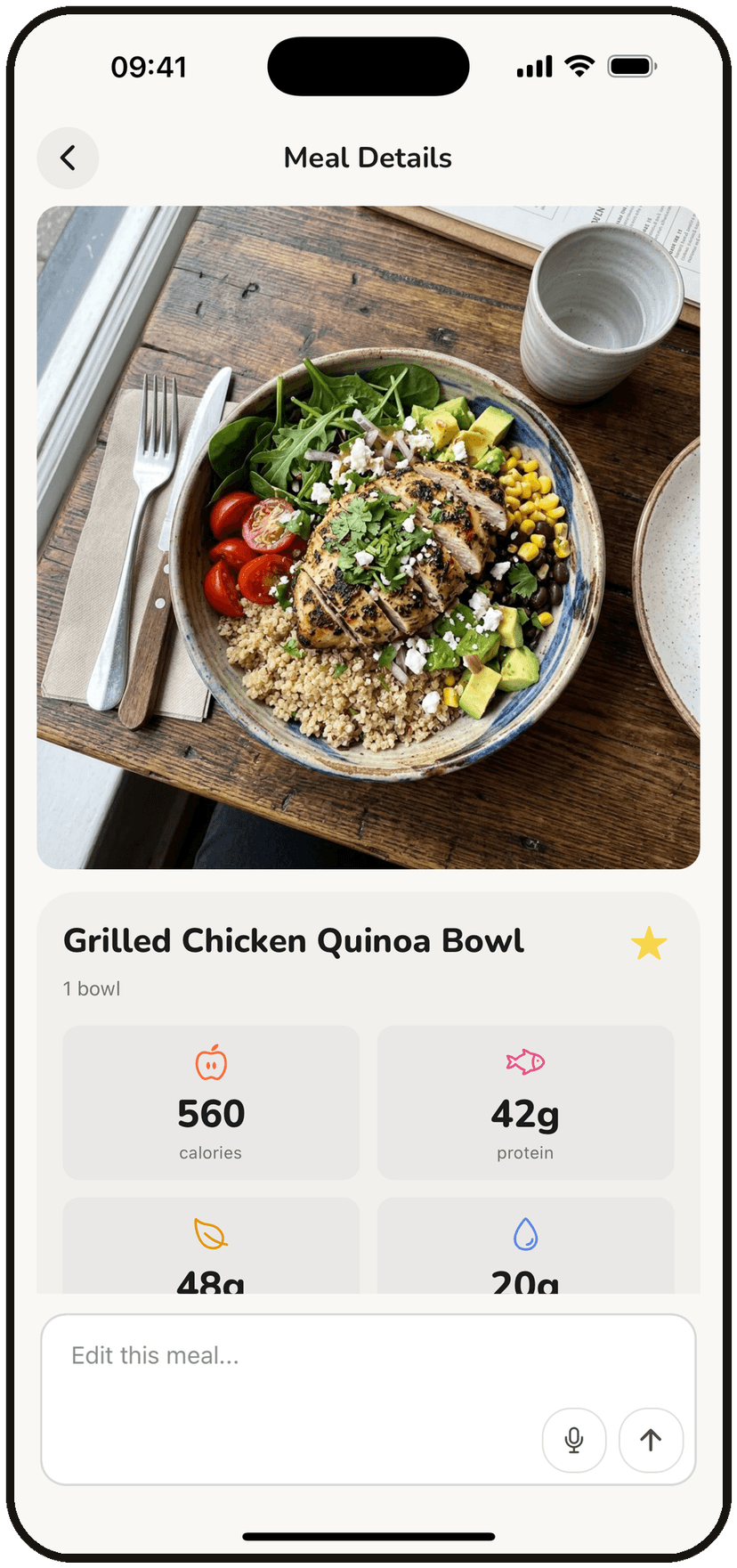
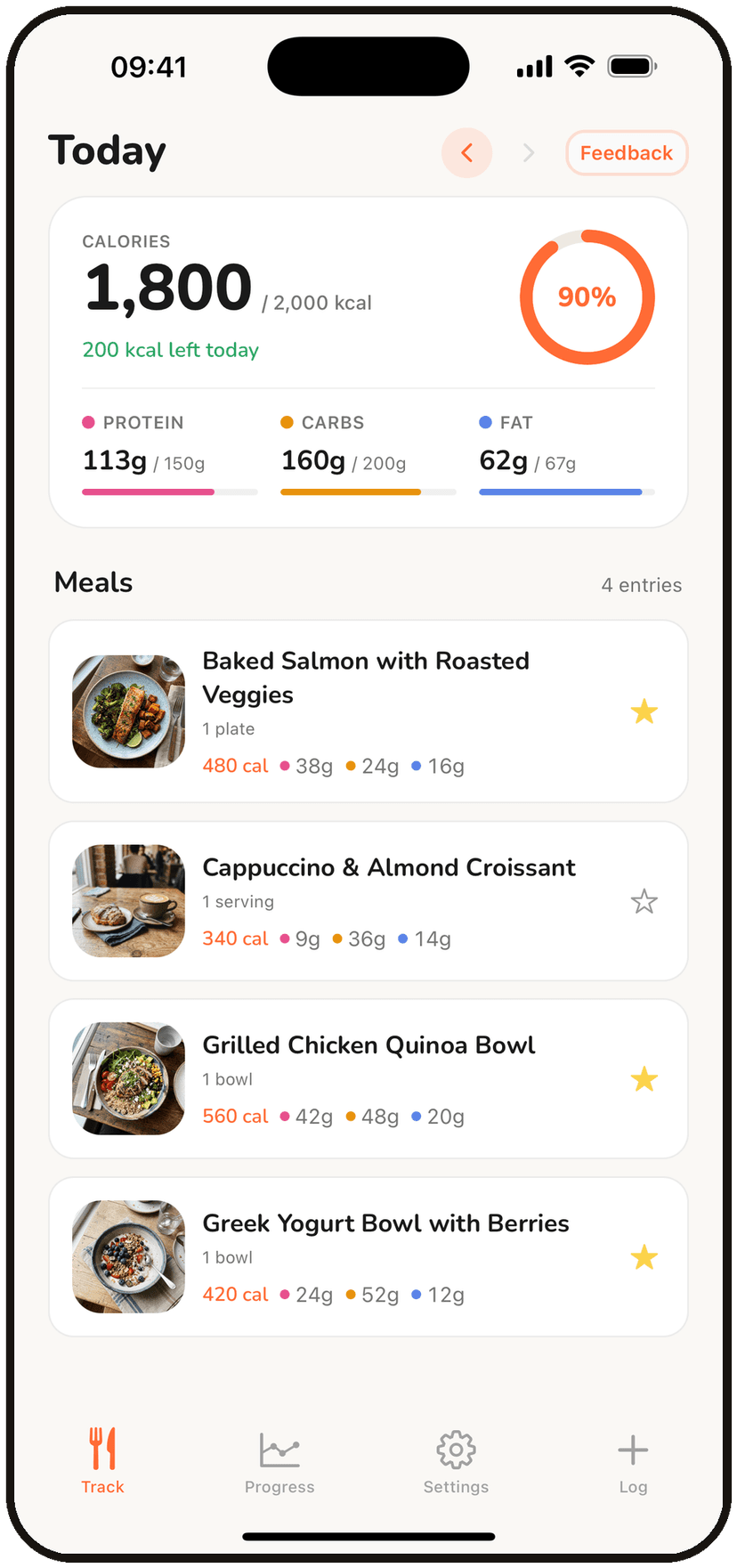
Portion guesses add up fast. BiteKit's AI estimates what's actually on your plate — oils, sides and all — so your log stays close to what you really ate.
- Log meals by photo, voice, or text
- Calories & macros estimated in seconds
- Syncs with Apple Health and Apple Watch
Free download · 3-day free trial, cancel anytime.
Scan with your iPhone camera