Teen Athlete Nutrition Calculator
Calculate calorie and macro needs for teen athletes ages 13-19. Get a nutrition plan that supports both growth and sports performance with sport-specific guidance and school-schedule friendly meal timing.
Why Teen Athletes Have Unique Nutrition Needs
Teen athletes face a dual challenge that adult athletes do not: their bodies need fuel for both athletic performance and physical growth. A 16-year-old soccer player is not just burning calories on the field - their body is also growing bones, developing organs, building the hormonal system, and maturing the brain. This means teen athletes often need more calories and nutrients per pound of body weight than adult athletes.
Underfueling is one of the most common and dangerous mistakes in teen sports nutrition. When a growing athlete does not eat enough, the body prioritizes survival over growth and performance. The result can be stunted growth, stress fractures, hormonal disruption, weakened immune function, poor academic performance, and increased injury risk.
Growth Demands
During peak growth periods, teens may need an additional 200-400 calories per day just for growth alone, on top of their activity needs. Boys typically experience peak growth velocity around ages 13-15, while girls peak around 11-13. Athletes who are still growing need to eat more than those who have reached their adult height.
Training Demands
High school athletes often train 10-20+ hours per week between practices, games, and strength training. This can burn 3,000-5,000+ calories per day for active male teen athletes. Without adequate fueling, performance drops, recovery slows, and the risk of overtraining syndrome increases.
Macronutrients: The Big Three for Teen Athletes
Protein: Building Blocks for Muscle (1.2-1.8g/kg)
Protein is essential for muscle repair, growth, and recovery. Teen athletes need 1.2-1.8 grams per kilogram of body weight daily - higher than the general teen recommendation of 0.85g/kg. Strength and power sport athletes (football, wrestling, gymnastics) benefit from the higher end of this range.
Distribute protein across all meals and snacks rather than loading it into one meal. Aim for 20-30g at each eating occasion. Good sources include lean meats, fish, eggs, dairy, beans, and nuts. A glass of chocolate milk after practice is one of the best recovery foods for teen athletes.
Carbohydrates: The Performance Fuel (5-8g/kg)
Carbohydrates are the most important fuel source for high-intensity athletic performance. Teen athletes need 5-8 grams per kilogram daily, with endurance athletes (soccer, swimming, distance running) needing the higher end. Carbs fuel muscles during exercise, replenish glycogen stores after training, and are the brain's preferred energy source.
Never restrict carbs as a teen athlete. Low-carb diets severely impair athletic performance, slow recovery, and can harm growth. Focus on quality carb sources: whole grains, fruits, vegetables, potatoes, rice, pasta, and bread. Simple carbs (sports drinks, fruit) are appropriate right before and during training.
Fat: Essential for Development (25-30%+ of calories)
Dietary fat is critical for teen athletes because it supports hormone production (including growth hormones and sex hormones), brain development, vitamin absorption, and provides sustained energy. Teen athletes should get at least 25-30% of their calories from fat - going lower than this can impair hormonal development.
Focus on healthy fats from nuts, avocados, olive oil, fatty fish, and seeds. Don't fear fat in dairy products either - whole milk and cheese provide both fat and calcium that growing teen athletes need.
Critical Micronutrients for Teen Athletes
Calcium (1,300mg/day)
The teen years are the most critical period for building bone density. Over 90% of peak bone mass is established by age 18-20. Teen athletes need 1,300mg of calcium daily - equivalent to about 4 servings of dairy. Athletes in impact sports need strong bones to handle training stress and prevent stress fractures. Inadequate calcium during the teen years leads to permanently lower bone density.
Iron
Iron carries oxygen to working muscles, making it critical for athletic performance. Female teen athletes need 15-18mg daily (due to menstrual losses), while males need 11mg. Endurance athletes have higher needs due to foot-strike hemolysis and sweat losses. Iron deficiency is the most common nutritional deficiency in teen athletes and can cause fatigue, poor performance, and difficulty concentrating in school.
The Danger of Restrictive Dieting for Teen Athletes
The pressure to be lean or make weight for a sport can tempt teen athletes into dangerous eating patterns. Restrictive dieting in teens is associated with Relative Energy Deficiency in Sport (RED-S), a serious condition formerly known as the Female Athlete Triad (though it affects all genders).
Signs of Underfueling in Teen Athletes
- Frequent illness, injuries, or stress fractures
- Declining performance despite training hard
- Constant fatigue, difficulty concentrating in school
- Delayed puberty or loss of menstrual period in females
- Mood changes, irritability, or anxiety around food
- Preoccupation with weight, body shape, or food restriction
If you or your child shows any of these signs, consult a sports medicine doctor or registered dietitian who specializes in youth athletes. Early intervention is key to preventing long-term health consequences.
Meal Timing for Student Athletes
One of the biggest challenges for teen athletes is fitting enough food around a school schedule. Between classes, homework, and after-school practice, it can be hard to eat adequately. Planning is key.
Breakfast (6:30-7:30 AM)
Never skip breakfast. It should provide 20-25% of daily calories with a mix of carbs, protein, and healthy fats. Overnight oats, eggs with toast, or a smoothie are quick options for early mornings.
Morning Snack (10:00-10:30 AM)
Pack a portable snack like a granola bar, trail mix, yogurt, or fruit. Eating between meals helps maintain energy for both classroom focus and afternoon training.
Lunch (12:00-12:45 PM)
Make lunch substantial - it needs to fuel you through the afternoon and into practice. Include a protein source, plenty of carbs, vegetables, and a dairy serving for calcium.
Pre-Training Snack (2:30-3:30 PM)
This is a critical meal that many teen athletes skip. Eat 200-400 calories of easily digestible carbs with some protein 30-90 minutes before practice. A peanut butter sandwich, banana, or granola bar works well.
Post-Training & Dinner (6:00-7:30 PM)
Recovery nutrition should start within 30-60 minutes after training, then continue with a full dinner. Include protein for muscle repair, carbs to replenish glycogen, and vegetables for micronutrients.
Evening Snack (8:30-9:00 PM)
A protein-rich snack before bed supports overnight recovery and muscle repair. Cottage cheese, a protein smoothie, or Greek yogurt with fruit are excellent choices.
Frequently Asked Questions
How many calories does a teen athlete need per day?
Teen athletes typically need 2,500-5,000+ calories per day depending on age, gender, sport, and training volume. Male teen athletes in endurance sports may need 3,500-5,000 calories, while female teen athletes in skill-based sports may need 2,500-3,500 calories. Growing teens need additional calories beyond training demands.
How much protein does a teen athlete need?
Teen athletes need 1.2-1.8 grams of protein per kilogram of body weight daily. Strength sport athletes (football, wrestling) may need 1.6-1.8g/kg, while endurance athletes may need 1.2-1.5g/kg. Spread protein across all meals for optimal muscle recovery and growth.
Why are carbs so important for teen athletes?
Carbohydrates are the primary fuel for high-intensity exercise and the brain's preferred energy source. Teen athletes need 5-8g of carbs per kg of body weight daily. Restricting carbs hurts performance, slows recovery, and can impair growth. Focus on whole grains, fruits, and vegetables as primary carb sources.
Should teen athletes take protein supplements?
Most teen athletes can meet protein needs through food. The American Academy of Pediatrics does not recommend performance supplements for teens. Protein powders, creatine, and pre-workouts are generally unnecessary for athletes under 18. Chocolate milk, Greek yogurt, and lean meats are better options.
Is it safe for teen athletes to cut weight?
Restrictive dieting is not recommended for growing teen athletes. It can impair growth, weaken bones, reduce performance, and lead to disordered eating. Athletes in weight-class sports should compete at a natural weight. If body composition is a concern, work with a sports dietitian rather than restricting food.
Why do female teen athletes need more iron?
Female teen athletes need 15-18mg of iron daily due to menstrual losses combined with training demands. Iron carries oxygen to muscles and even mild deficiency impairs endurance and concentration. Include iron-rich foods regularly: red meat, beans, fortified cereals, and spinach. Pair with vitamin C for better absorption.
iPhone app · 3-day free trial
You're likely eating 500 calories more than you think
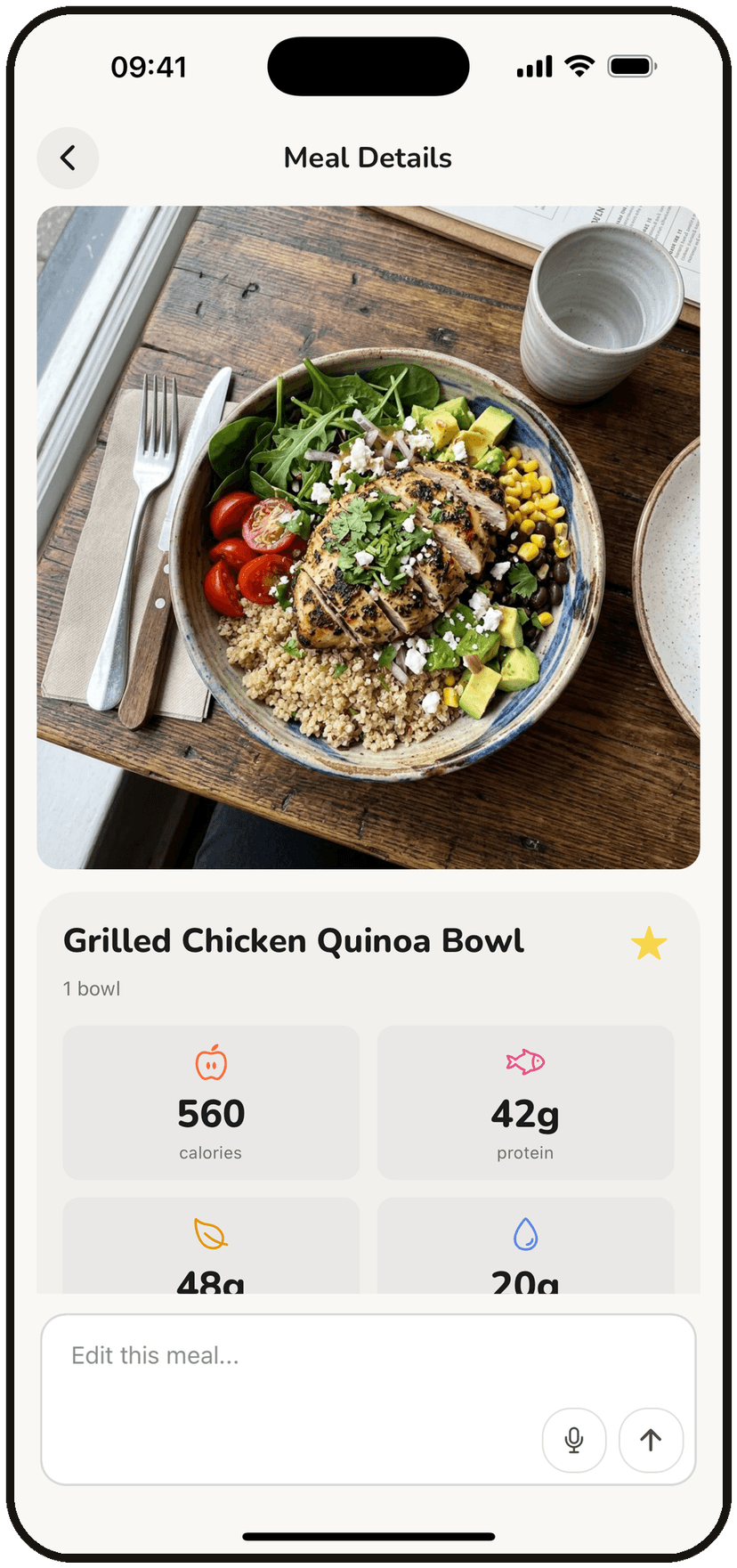
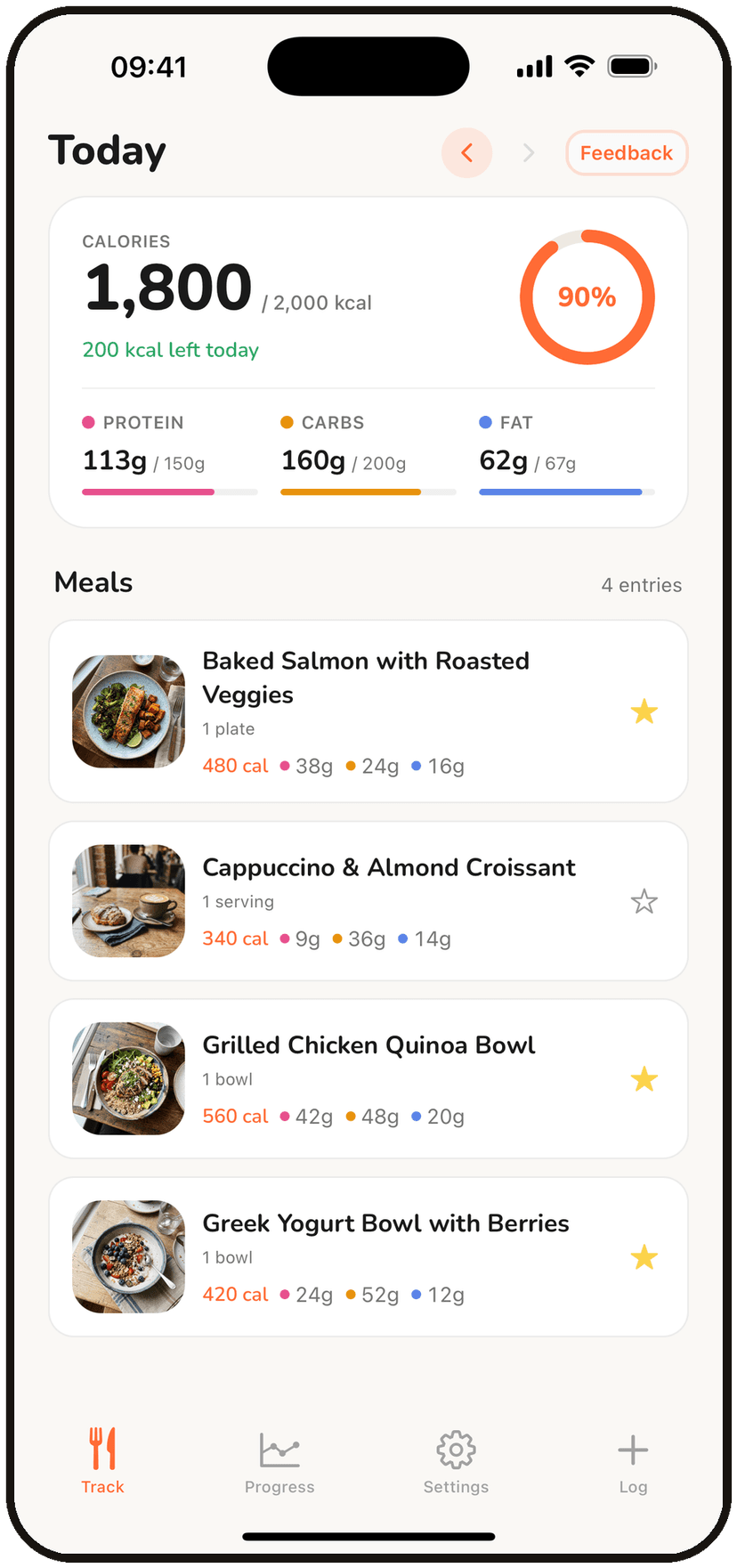
Portion guesses add up fast. BiteKit's AI estimates what's actually on your plate — oils, sides and all — so your log stays close to what you really ate.
- Log meals by photo, voice, or text
- Calories & macros estimated in seconds
- Syncs with Apple Health and Apple Watch
Free download · 3-day free trial, cancel anytime.
Scan with your iPhone camera