Vegan Protein Calculator
Calculate your optimal plant-based protein intake with PDCAAS adjustment. Get per-meal targets, lysine requirements, food source recommendations, and complete protein pairings.
Used to calculate your per-meal protein target (2-6 meals)
Vegan Protein Needs
Getting enough protein on a plant-based diet is entirely achievable with the right knowledge. Protein needs vary based on activity level, body weight, and fitness goals. Sedentary individuals need approximately 0.8g of protein per kilogram of body weight, while active individuals and athletes may require up to 2.0g per kilogram.
Because plant proteins are generally less digestible than animal proteins, vegans benefit from aiming slightly higher - about 10% more than standard recommendations. This is known as the PDCAAS adjustment and ensures your body absorbs enough usable protein from plant sources.
PDCAAS Explained
PDCAAS (Protein Digestibility Corrected Amino Acid Score) is the gold standard for measuring protein quality. It evaluates both the amino acid profile and digestibility of a protein source on a scale of 0 to 1.
High PDCAAS Plant Proteins
Soy protein (1.0), pea protein (0.89), and chickpeas (0.78) score highest among plant sources. Soy-based foods match animal protein in quality.
Why the 10% Adjustment?
Most plant proteins have PDCAAS scores of 0.5-0.9. Adding 10% to your target accounts for lower digestibility and ensures adequate amino acid absorption.
The Bottom Line
By eating a variety of plant protein sources and aiming for the PDCAAS-adjusted target, you can meet all your protein and amino acid needs on a fully plant-based diet. No single "magic" food is required - diversity is key.
Best Plant Protein Sources
These are the most protein-dense vegan foods to help you hit your daily targets efficiently:
Tempeh
31g protein per cup. Fermented soy with complete amino acids and excellent gut health benefits.
Seitan
25g protein per 3.5oz. Made from wheat gluten with a meat-like texture. High in protein, low in carbs.
Tofu (firm)
20g protein per cup. Versatile complete protein that absorbs flavors well. Rich in calcium and iron.
Lentils
18g protein per cup cooked. Also high in fiber, iron, and folate. Pair with grains for complete protein.
Edamame
17g protein per cup. Complete protein snack that's also rich in fiber, vitamin K, and manganese.
Chickpeas
15g protein per cup cooked. Incredibly versatile - hummus, curries, roasted snacks, salads.
Complete Protein Pairings
While you don't need to combine proteins at every meal, eating complementary protein sources throughout the day ensures you get all essential amino acids:
Legumes + Grains
Classic combination: rice and beans, lentil soup with bread, peanut butter on toast. Grains provide methionine while legumes provide lysine.
Legumes + Seeds
Hummus with tahini, bean salad with sunflower seeds, lentils with hemp seeds. Seeds add sulfur amino acids that legumes lack.
Soy Products (complete alone)
Tofu, tempeh, edamame, and soy milk are all complete proteins on their own. No pairing needed - soy contains all nine essential amino acids in adequate amounts.
Vegan Athlete Tips
Eat Variety
Rotate between legumes, grains, soy, seeds, and nuts. Variety ensures you cover all amino acids and micronutrients.
Prioritize Lysine
Lysine is the most limiting amino acid in plant diets. Focus on legumes, soy, and seitan as your primary protein sources.
Spread Protein Out
Distribute protein across 3-4 meals for optimal muscle protein synthesis. Aim for 20-40g per meal depending on your total target.
Consider Supplements
A pea or soy protein shake can help hit targets on busy days. Also consider B12, vitamin D, and omega-3 (DHA/EPA) supplements.
Frequently Asked Questions
How much protein do vegans need per day?
Vegan protein needs depend on activity level and goals. Sedentary individuals need about 0.8g per kg of body weight, while athletes may need up to 2.0g per kg. Our calculator adds a 10% PDCAAS adjustment to account for plant protein digestibility.
What is PDCAAS and why does it matter?
PDCAAS (Protein Digestibility Corrected Amino Acid Score) measures protein quality based on amino acid composition and digestibility. Most plant proteins score lower than animal proteins, so aiming 10% higher ensures adequate absorption.
What are the best vegan protein sources?
The highest-protein vegan foods include tempeh (31g/cup), seitan (25g/3.5oz), firm tofu (20g/cup), lentils (18g/cup), and edamame (17g/cup). Soy products are especially valuable as they're complete proteins.
Do I need to combine proteins at every meal?
No, you don't need to eat complementary proteins together at every meal. As long as you eat a variety of protein sources throughout the day, your body will get all essential amino acids. However, classic combos like rice and beans do make complete proteins.
Can vegans build muscle effectively?
Absolutely. By consuming adequate PDCAAS-adjusted protein (1.4-2.0g/kg), eating diverse plant sources, and following a structured training program, vegans can build muscle just as effectively as omnivores. Many elite athletes thrive on plant-based diets.
Why is lysine important for vegans?
Lysine is the most common limiting amino acid in plant-based diets. Many grains and nuts are low in lysine. Aim for 38mg per kg of body weight daily by prioritizing legumes, soy products, quinoa, and seitan as your main protein sources.
iPhone app · 3-day free trial
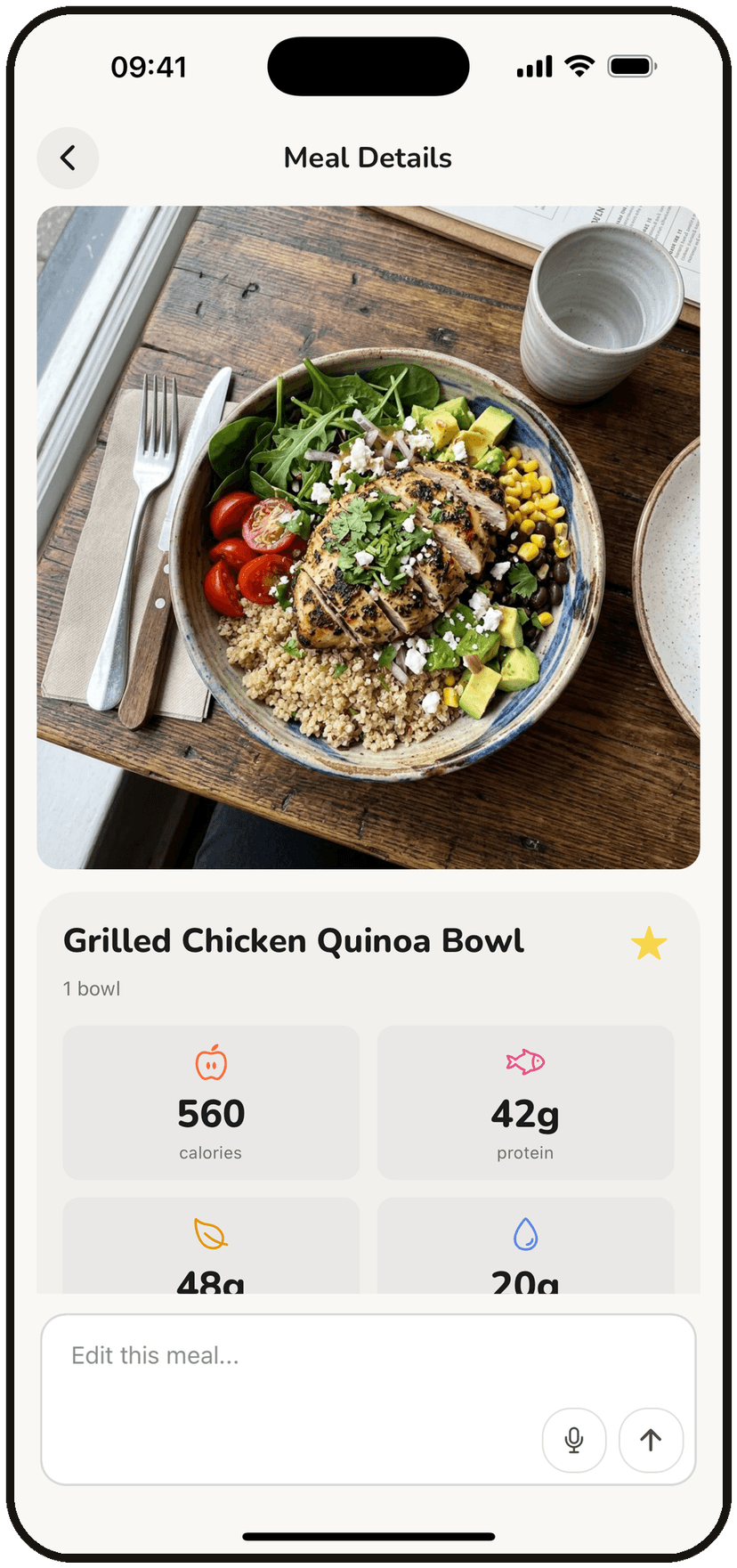
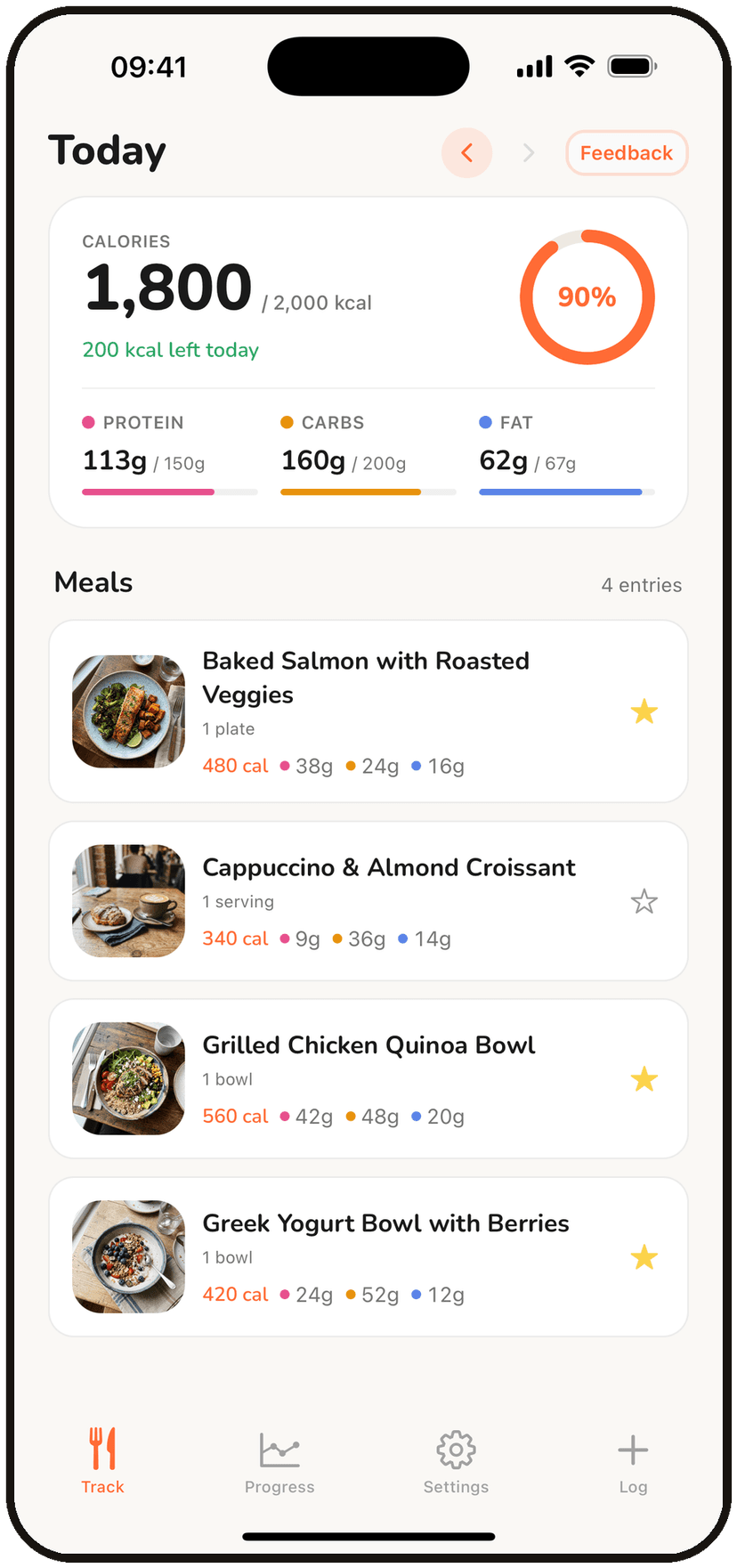
You're likely eating 500 calories more than you think
Portion guesses add up fast. BiteKit's AI estimates what's actually on your plate — oils, sides and all — so your log stays close to what you really ate.
- Log meals by photo, voice, or text
- Calories & macros estimated in seconds
- Syncs with Apple Health and Apple Watch
Free download · 3-day free trial, cancel anytime.
Scan to get the app