Vitamin D Intake Calculator
Calculate your optimal vitamin D dose based on your latitude, skin tone, sun exposure, age, and current blood levels. Get personalized supplementation guidance.
Darker skin produces less vitamin D from sun exposure
From a 25-hydroxyvitamin D blood test. Leave blank if unknown.
Why Vitamin D Matters
Vitamin D is one of the most important nutrients for overall health, yet deficiency affects an estimated 42% of American adults. Often called the "sunshine vitamin," vitamin D functions more like a hormone in the body, influencing over 1,000 genes and affecting virtually every tissue and cell.
Its most well-known role is regulating calcium and phosphorus absorption for strong bones and teeth. But research continues to reveal its importance in immune function, mood regulation, cardiovascular health, and muscle strength. Low vitamin D levels have been associated with increased risk of osteoporosis, depression, autoimmune conditions, and frequent infections.
Bone Health
Essential for calcium absorption. Without enough vitamin D, only 10-15% of dietary calcium is absorbed.
Immune Function
Activates immune cells and helps fight infections. Deficiency is linked to increased respiratory illness risk.
Mood & Energy
Plays a role in serotonin production. Low levels are associated with seasonal depression and fatigue.
Factors Affecting Your Vitamin D Needs
Your vitamin D needs are not one-size-fits-all. Several key factors determine how much vitamin D your body produces naturally and how much you may need from food and supplements.
Latitude and Geography
The angle of the sun determines UVB intensity. Above 35 degrees latitude, UVB rays are too weak during winter months for adequate vitamin D production. Cities like New York (40.7°), London (51.5°), and Stockholm (59.3°) experience a "vitamin D winter" lasting 3-6 months where supplementation becomes essential.
Skin Tone (Melanin)
Melanin, the pigment that gives skin its color, acts as a natural sunscreen. People with darker skin (Fitzpatrick types 4-6) may need 3-6 times more sun exposure to produce the same amount of vitamin D as those with very fair skin. This is a significant factor for people with darker skin living at higher latitudes.
Age
As we age, our skin becomes less efficient at producing vitamin D. A 70-year-old produces about 75% less vitamin D from the same sun exposure compared to a 20-year-old. This is why the RDA increases from 600 IU to 800 IU after age 70, though many experts recommend even higher doses for older adults.
Season and Time of Day
UVB intensity is highest during summer months between 10 AM and 3 PM. During winter, even at moderate latitudes, the sun angle may be too low for UVB to penetrate the atmosphere effectively. Cloud cover, pollution, and glass windows also block UVB rays.
Body Weight
Vitamin D is fat-soluble and can be sequestered in fat tissue, making it less bioavailable. Research shows that individuals with obesity often have lower blood levels of vitamin D and may need higher doses to reach optimal levels.
Signs of Vitamin D Deficiency
Vitamin D deficiency can develop gradually, and many people are unaware they are deficient. While a blood test (25-hydroxyvitamin D) is the only definitive way to know your levels, there are several common symptoms to watch for.
Physical Symptoms
- Bone pain: Aching bones, especially lower back
- Muscle weakness: Difficulty with stairs or standing up
- Fatigue: Persistent tiredness and low energy
- Slow healing: Wounds take longer to heal
- Hair loss: May be linked to severe deficiency
Other Indicators
- Frequent illness: Getting sick more often than usual
- Depression: Especially seasonal mood changes
- Bone fractures: Unexplained stress fractures
- Sleep issues: Difficulty getting restful sleep
- Brain fog: Difficulty concentrating
Best Food Sources of Vitamin D
While supplementation is often necessary, incorporating vitamin D-rich foods into your diet helps maintain healthy levels. Very few foods naturally contain significant amounts of vitamin D, which is why fortified foods play an important role.
| Food | Serving Size | Vitamin D (IU) |
|---|---|---|
| Cod Liver Oil | 1 tsp | 1,360 |
| Salmon (cooked) | 3 oz | 570 |
| Mushrooms (UV-exposed) | 1 cup | 366 |
| Fortified Milk | 1 cup | 120 |
| Fortified Cereal | 1 serving | 80 |
| Sardines | 2 sardines | 46 |
| Egg Yolk | 1 yolk | 44 |
Tip: Vitamin D is fat-soluble, so consuming it with a meal containing healthy fats (like olive oil, avocado, or nuts) can improve absorption by up to 50%.
Supplementation Guidelines
When food and sunlight are not enough, vitamin D supplements can help you reach optimal levels. Here are key considerations for effective supplementation.
Vitamin D3 vs D2
Vitamin D3 (cholecalciferol) is the preferred form. It is more effective at raising and maintaining blood levels than D2 (ergocalciferol). D3 is the same form your body produces from sunlight. Look for D3 supplements, ideally from lanolin or lichen-based sources for vegans.
When to Take It
Take vitamin D with your largest meal of the day for best absorption, since it is fat-soluble. Consistency matters more than timing. Taking it daily is generally preferred over weekly high-dose approaches for maintaining steady blood levels.
Safe Dosing
The Tolerable Upper Intake Level (UL) is 4,000 IU/day for adults without medical supervision. While many people safely take 2,000-4,000 IU daily, doses above 4,000 IU should be guided by a healthcare provider with regular blood testing. The Endocrine Society suggests up to 10,000 IU/day may be safe for short-term correction, but only under medical guidance.
Cofactors: Vitamin K2 and Magnesium
Vitamin K2 works synergistically with vitamin D to direct calcium into bones rather than arteries. Magnesium is required for vitamin D activation in the body. Many experts recommend taking vitamin D with K2 and ensuring adequate magnesium intake for maximum benefit.
Frequently Asked Questions
What is vitamin D and why is it important?
Vitamin D is a fat-soluble vitamin that acts as a hormone in the body. It is essential for calcium absorption, bone health, immune function, mood regulation, and muscle function. Unlike most vitamins, your body can produce vitamin D when your skin is exposed to UVB sunlight. Deficiency is widespread, affecting an estimated 1 billion people worldwide.
How much vitamin D do I need per day?
The official RDA is 600 IU (15 mcg) per day for ages 1-70 and 800 IU (20 mcg) for adults over 70. However, many experts recommend 1,000-2,000 IU daily for most adults, and higher doses for those with deficiency or risk factors like dark skin, high latitude, or limited sun exposure. The safe upper limit without medical supervision is 4,000 IU per day.
What causes vitamin D deficiency?
Common causes include limited sun exposure (indoor lifestyle, sunscreen use), living at high latitudes (above 35 degrees), having darker skin (which filters more UVB), being older (reduced skin synthesis), obesity (vitamin D gets trapped in fat tissue), and certain medical conditions affecting absorption. Winter months at high latitudes can make it nearly impossible to produce vitamin D from sunlight.
Can you take too much vitamin D?
Yes, vitamin D toxicity is possible but rare. It typically occurs from taking very high supplement doses (over 10,000 IU daily for extended periods), not from sun exposure or food. Toxicity can cause hypercalcemia (high blood calcium), leading to nausea, weakness, and kidney problems. The safe upper limit is 4,000 IU per day without medical supervision.
What are the best food sources of vitamin D?
The richest food sources include cod liver oil (1,360 IU per teaspoon), fatty fish like salmon (570 IU per 3 oz), UV-exposed mushrooms (366 IU per cup), fortified milk (120 IU per cup), fortified cereals (80 IU per serving), sardines (46 IU per 2 sardines), and egg yolks (44 IU per yolk). Most people cannot get enough from food alone and may need supplementation.
Does latitude affect my vitamin D needs?
Yes, latitude significantly affects vitamin D production. Above 35 degrees latitude, UVB rays are too weak during winter months to produce meaningful vitamin D. Above 50 degrees latitude (London, Vancouver), this "vitamin D winter" can last 4-6 months. People living at high latitudes need to rely more heavily on food sources and supplements, especially during fall and winter.
iPhone app · 3-day free trial
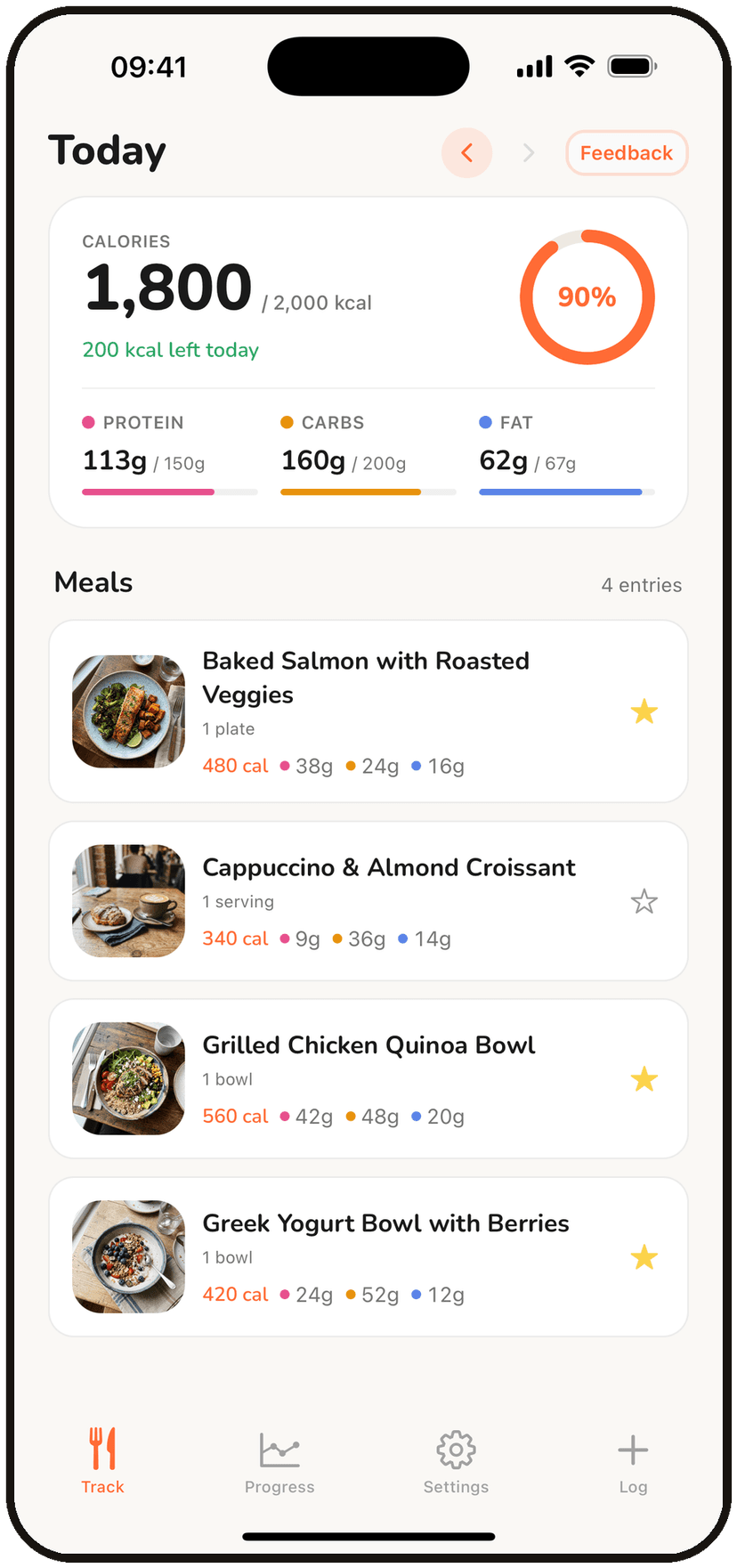
You're likely eating 500 calories more than you think
Portion guesses add up fast. BiteKit's AI estimates what's actually on your plate — oils, sides and all — so your log stays close to what you really ate.
- Log meals by photo, voice, or text
- Calories & macros estimated in seconds
- Syncs with Apple Health and Apple Watch
Free download · 3-day free trial, cancel anytime.
Scan with your iPhone camera