Water Intake Calculator
Calculate how much water you should drink daily based on your weight, activity level, and climate. Stay properly hydrated for optimal health and performance.
Additional water is recommended: ~12 oz (350ml) per 30 minutes of exercise
How Much Water Do You Really Need?
The amount of water you need depends on several factors unique to you. While the old advice of "8 glasses a day" is simple to remember, your actual needs may be quite different.
A more accurate approach is to drink 0.5 ounces per pound of body weight (or 30ml per kg) as a baseline, then adjust based on:
- Activity level: More active people sweat more and need additional fluids
- Climate: Hot and humid weather increases water loss through sweat
- Exercise: Add 12 oz (350ml) for every 30 minutes of exercise
- Health conditions: Pregnancy, nursing, and certain illnesses affect water needs
Signs of Dehydration
Recognizing dehydration early is important for your health. Here are the warning signs to watch for:
Mild Dehydration
- Thirst and dry mouth
- Dark yellow urine
- Mild headache
- Decreased urination
Severe Dehydration
- Very dark urine or no urination
- Dizziness or confusion
- Rapid heartbeat
- Extreme fatigue
Tip: The color of your urine is the best indicator. Aim for pale yellow - like light lemonade. Dark yellow means you need more water.
Benefits of Proper Hydration
Staying properly hydrated provides numerous health benefits that affect nearly every system in your body:
Better Brain Function
Improved focus, concentration, and cognitive performance
More Energy
Reduced fatigue and better physical performance
Heart Health
Better blood circulation and cardiovascular function
Toxin Removal
Helps kidneys flush waste and prevent UTIs
Better Mood
Reduced anxiety, irritability, and stress
Healthier Skin
Better skin elasticity and a healthy glow
Water and Weight Loss
Drinking enough water can significantly support your weight loss efforts in several ways:
Boosts Metabolism
Studies show drinking water can temporarily boost your metabolic rate by 24-30% for about an hour. Drinking cold water may have an even greater effect as your body expends energy to heat it.
Reduces Appetite
Drinking water before meals can help you feel fuller and eat less. One study found that drinking 500ml of water 30 minutes before meals led to 44% greater weight loss over 12 weeks.
Replaces High-Calorie Drinks
Choosing water over soda, juice, or sweetened coffee can save hundreds of calories per day. A can of soda contains about 140 calories - switching to water eliminates those empty calories.
Tips for Drinking More Water
Struggling to meet your daily water intake? Here are practical tips to help you stay hydrated:
Start Your Day Right
Drink a full glass of water first thing in the morning before coffee or breakfast.
Use a Marked Bottle
Get a water bottle with time markers to track your intake throughout the day.
Set Reminders
Use phone reminders or apps to prompt you to drink water every hour.
Add Natural Flavor
Add lemon, cucumber, or berries to make water more enjoyable to drink.
Eat Water-Rich Foods
Watermelon, cucumbers, oranges, and lettuce are 90%+ water content.
Drink Before Every Meal
Make it a habit to drink a glass of water before each meal and snack.
Keep Water Visible
Keep a water bottle on your desk, in your bag, and by your bed.
Track Your Intake
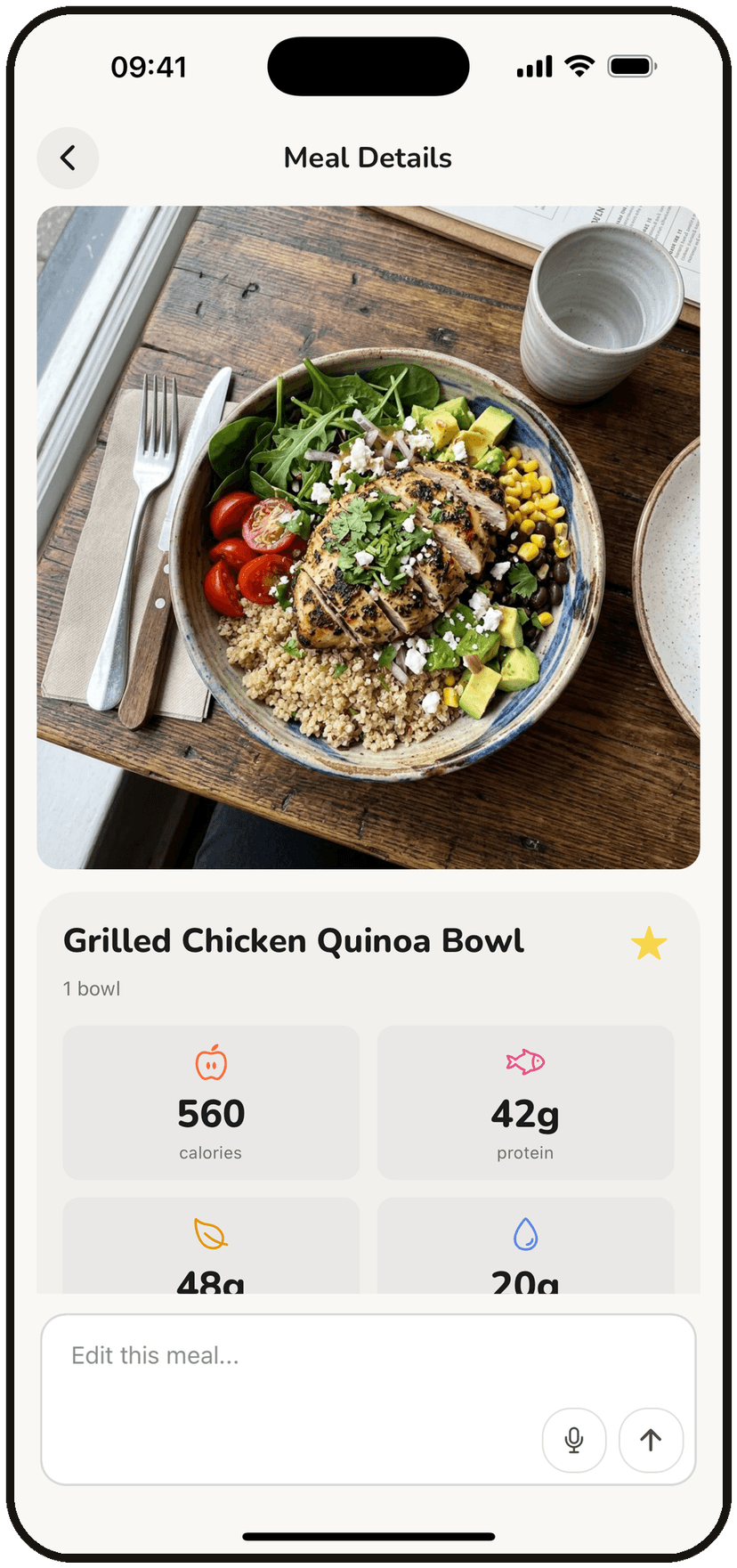
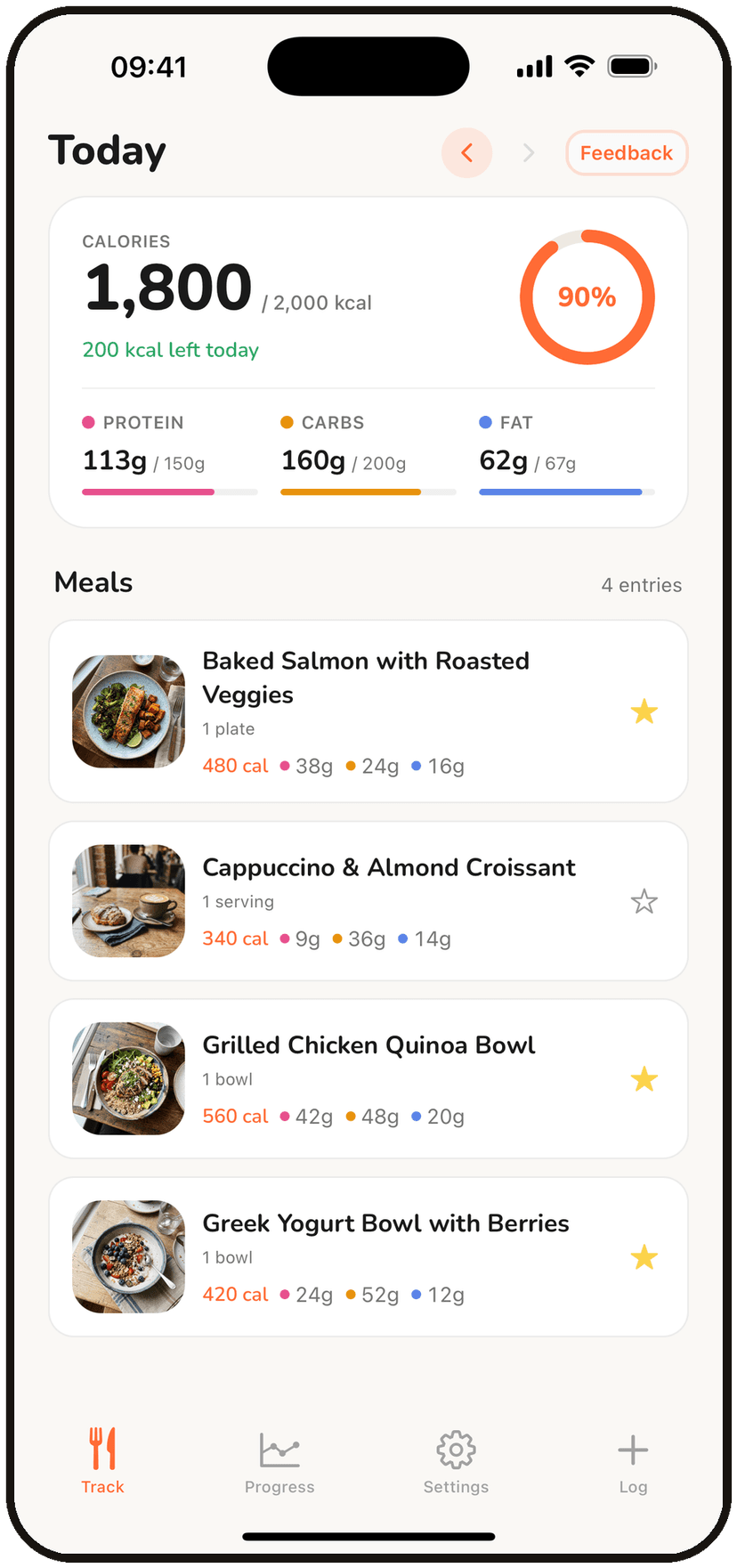
Use a nutrition app like BiteKit to log and monitor your daily water consumption.
Frequently Asked Questions
How much water should I drink a day?
The general recommendation is about 0.5 ounces per pound of body weight (or 30ml per kg). For a 150-pound person, that is approximately 75 ounces (2.2 liters) per day. However, this varies based on activity level, climate, and individual factors.
Does coffee count towards daily water intake?
Yes, coffee and tea do contribute to your daily fluid intake. While caffeine has a mild diuretic effect, the water in these beverages still helps with hydration. However, plain water remains the best choice for optimal hydration.
How do I know if I am drinking enough water?
The best indicator is your urine color. Pale yellow indicates good hydration, while dark yellow suggests you need more water. Other signs include rarely feeling thirsty and having good energy levels.
Can you drink too much water?
Yes, drinking excessive amounts can lead to hyponatremia, where sodium levels become dangerously low. This is rare but can happen during extreme endurance activities. Most people are more at risk of dehydration than overhydration.
Why do I need more water when exercising?
During exercise, your body loses water through sweat to regulate temperature. Depending on intensity, you can lose 1-2 liters per hour. Replacing this fluid is essential for performance and preventing heat exhaustion.
How much water do pregnant women need?
Pregnant women need about 24 ounces (700ml) more water daily than their baseline needs. This extra water helps form amniotic fluid, produce extra blood volume, and support the increased metabolic demands of pregnancy.
Free app
You're likely eating 500 calories more than you think
Portion guesses add up fast. BiteKit's AI reads your actual plate, so the number you track is the number you ate.
- Photo, voice, or text input
- Instant calorie & macro tracking
- Private by design — no password required
Free to download. No credit card required.
Scan to get the app