Wedding Body Countdown Calculator
Enter your wedding date, current weight, and goals to get a phased nutrition plan with weekly milestones and deficit tapering as your big day approaches — so you look radiant, not depleted.
What Actually Makes You Look Your Best on Your Wedding Day
The most common mistake brides and grooms make is focusing entirely on the number on the scale. In reality, how you look in photos and feel during the day is shaped by a combination of factors — many of which have nothing to do with being at your lowest possible weight.
Muscle Tone
Strength training builds the shape and tone that defines a fit appearance. Without it, weight loss alone can leave you looking thin but flat rather than lean and defined.
Skin Hydration
Adequate protein, healthy fats, and water intake directly affect skin quality. Crash dieting causes dull, dry skin — the opposite of the wedding-day glow everyone wants.
Energy Levels
Weddings are long, high-energy events. Being under-fueled means fatigue sets in early. Maintenance calories in the final week ensures you have the energy to enjoy every moment.
Reduced Bloating
Bloating is the enemy of feeling confident in fitted wedding attire. Managing sodium, fiber types, and alcohol in the final week makes a meaningful difference in how you feel.
Why a Phased Approach Works
Unlike generic diet advice, the phased approach used in this calculator mirrors evidence-based contest prep and event-based nutrition protocols. Each phase has a specific purpose:
Phase 1 — Fat Loss Foundation (Earliest Weeks)
This is when you have the most time and runway. A moderate 500–750 calorie deficit drives the bulk of weight loss while you have enough time to recover from any setbacks. High protein (0.8–1g/lb bodyweight) preserves muscle mass throughout.
Phase 2 — Body Recomposition (4–8 Weeks Out)
The deficit reduces to 300–500 calories as you shift focus toward body composition: building tone through strength training while continuing to lose fat. Posture-focused exercises improve how you carry yourself in photographs.
Phase 3 — Polish and Prepare (2–4 Weeks Out)
The deficit tapers to just 200–300 calories. Sleep and stress management become the priority — cortisol from stress causes water retention and facial puffiness. Water intake increases. High-intensity cardio reduces.
Phase 4 — Final Week (The Big Week)
Maintenance calories. No deficit. Anti-bloat protocol. For active people, a small carb load 2 days before the wedding fills muscle glycogen, giving a full, healthy look. This is the week to look and feel your absolute best — not to lose an extra pound.
Realistic Pre-Wedding Weight Loss Timelines
Understanding what is genuinely achievable helps you set goals that produce results without compromising your health or wedding-day energy.
| Time Until Wedding | Realistic Loss (lbs) | Focus |
|---|---|---|
| 1–2 weeks | 0–2 lbs | Anti-bloat, maintenance, hydration |
| 1 month | 3–6 lbs | Moderate deficit, strength training |
| 3 months | 8–18 lbs | Phased deficit, full program |
| 6 months | 15–36 lbs | All phases, full transformation |
| 12 months | 30–70 lbs | Long-term lifestyle change |
Ranges assume consistent adherence at 0.5–1.5 lbs/week. Individual results vary based on starting weight, activity level, and consistency.
Why Protein is the Most Important Macronutrient Before Your Wedding
When you eat in a calorie deficit, your body can break down both fat and muscle for energy. High protein intake is the primary tool for preserving lean mass during weight loss — which means you lose fat while keeping (or building) the toned muscle that creates a defined appearance.
Recommended Protein Targets
- Minimum: 0.7g per pound of bodyweight (1.6g/kg)
- Optimal: 0.8–1g per pound of bodyweight (1.8–2.2g/kg)
- For strength training: 1g per pound of bodyweight (2.2g/kg)
For a 160 lb (73 kg) person, this means 112–160g of protein daily. Spread across 3–4 meals, this is very achievable with chicken, fish, eggs, Greek yogurt, and legumes.
The Pre-Wedding Anti-Bloat Protocol
Bloating is largely controllable through food choices. In the 5–7 days before your wedding, implement these evidence-based strategies:
Eat More Of
- + Cucumber and zucchini
- + Ginger tea
- + Lemon water
- + Cooked leafy greens
- + Rice and oats
- + Lean proteins
- + Banana and papaya
Avoid or Reduce
- − Carbonated drinks
- − Raw broccoli, cauliflower, cabbage
- − Beans and lentils
- − High-sodium processed foods
- − Alcohol
- − Chewing gum
- − Sugar alcohols (sorbitol, xylitol)
Frequently Asked Questions
How much weight can I realistically lose before my wedding?
A safe, sustainable rate of loss is 0.5–1.5 lbs per week (0.25–0.7 kg/week). With 6 months (26 weeks) until your wedding, a realistic and healthy goal is 13–20 lbs. Crash dieting to exceed these rates risks muscle loss, fatigue, hair thinning, and looking gaunt — not the look anyone wants on their wedding day.
Why should I taper my calorie deficit before the wedding?
Eating at a large deficit in the weeks before your wedding depletes glycogen stores, which makes muscles appear flat rather than toned, and can cause facial hollowness. Tapering to maintenance or a light surplus in the final week fills muscles out, improves skin hydration, and gives you sustained energy for a long event.
Should I cut carbs before my wedding?
Eliminating carbs entirely is one of the worst things you can do before a wedding. Carbohydrates bind to glycogen in muscles, giving them a full, healthy appearance. Low-carb diets also cause initial water weight loss that reverses quickly, and can lead to fatigue, brain fog, and muscle flatness.
What should I eat in the week before my wedding?
In the final week, eat at maintenance calories. Prioritize anti-bloat foods like cucumber, ginger, lemon water, and cooked vegetables. Avoid high-sodium foods, carbonated drinks, raw cruciferous vegetables, chewing gum, and alcohol. Stay well hydrated with 2–3 liters of water daily.
What if there is not enough time to reach my goal weight?
If the calculator shows your goal is unrealistic, focus on what you can safely achieve. Even a modest 5–10 lb loss combined with strength training to improve muscle tone can dramatically change your appearance. A modified, achievable goal will always produce better results than an extreme plan that leaves you exhausted.
Related Tools
iPhone app · 3-day free trial
You're likely eating 500 calories more than you think
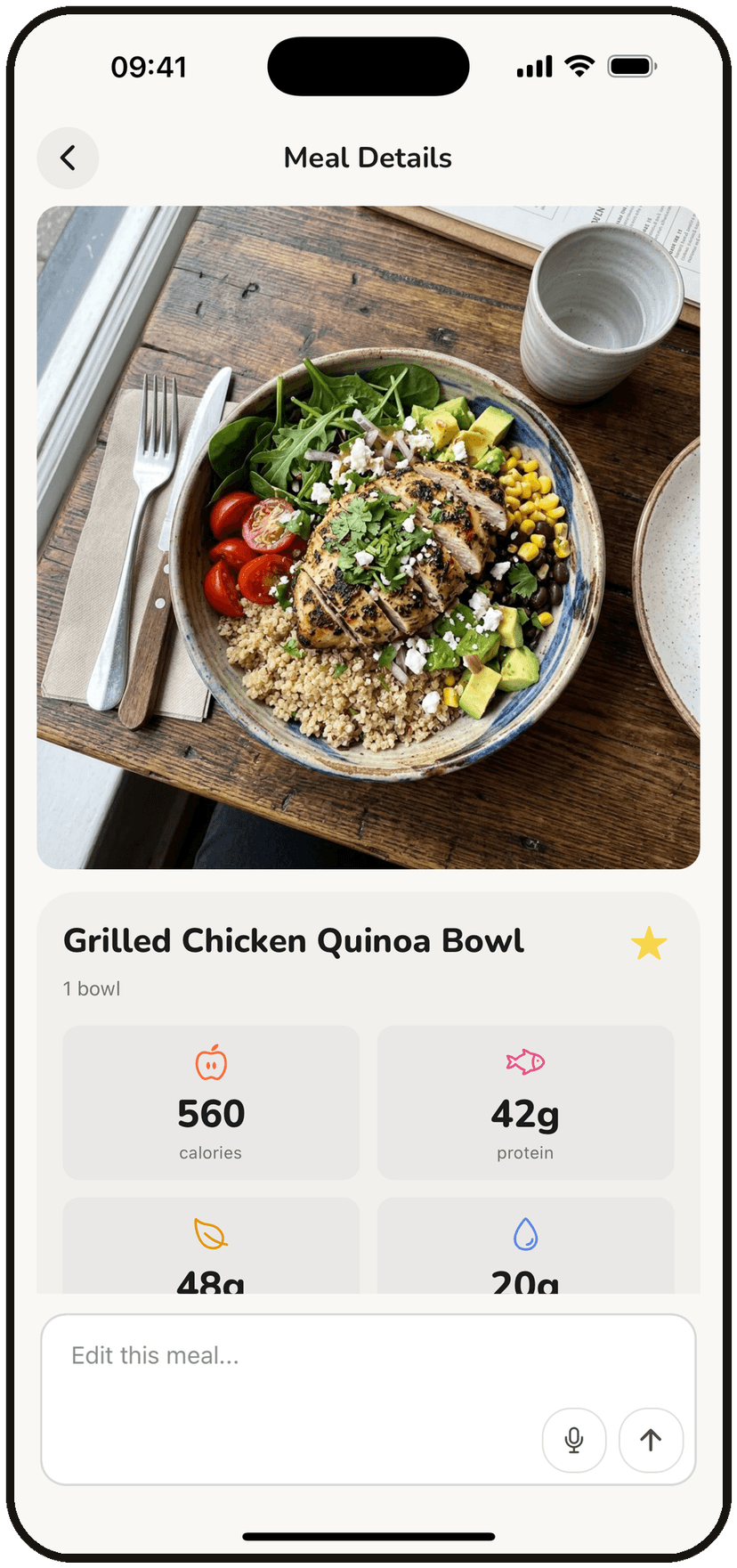
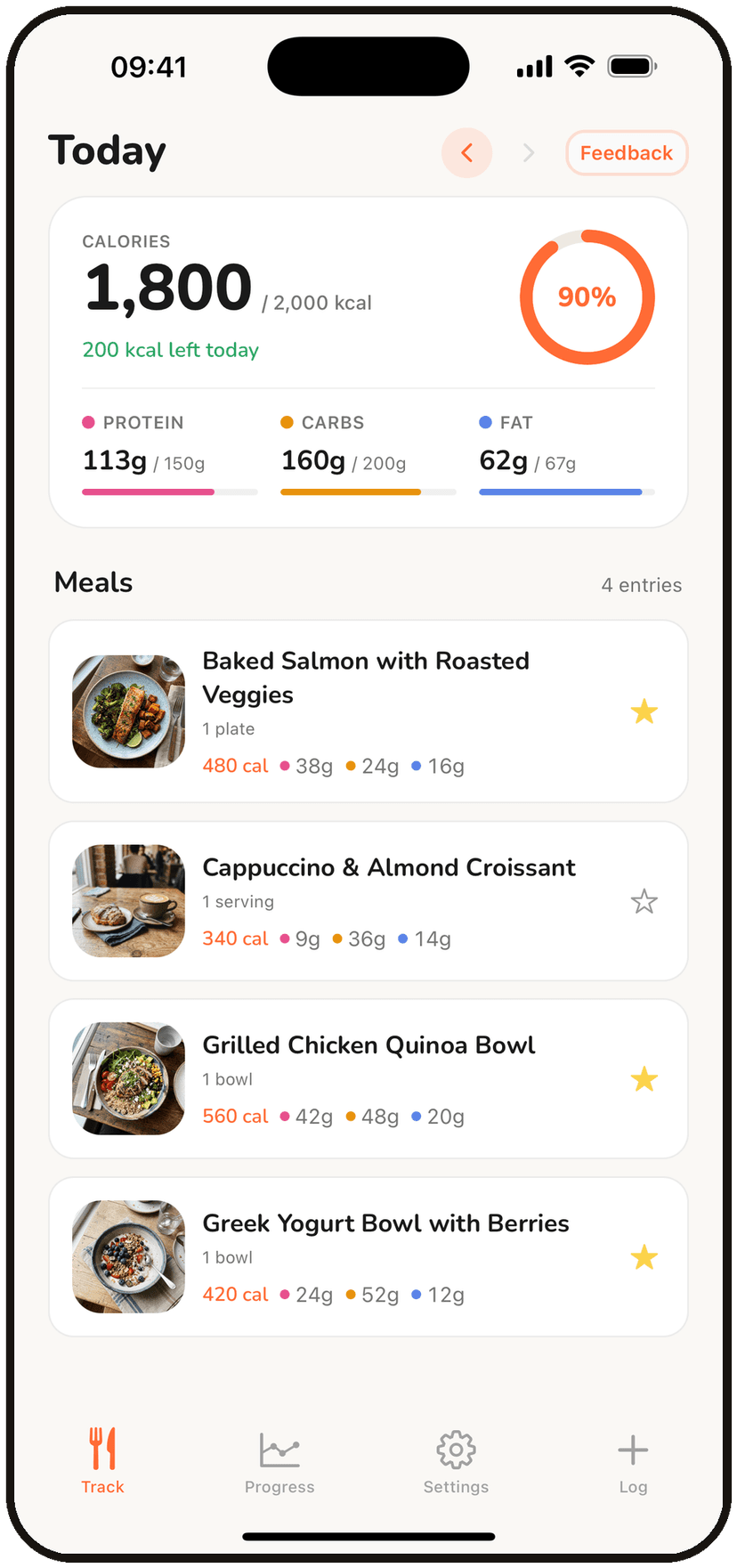
Portion guesses add up fast. BiteKit's AI estimates what's actually on your plate — oils, sides and all — so your log stays close to what you really ate.
- Log meals by photo, voice, or text
- Calories & macros estimated in seconds
- Syncs with Apple Health and Apple Watch
Free download · 3-day free trial, cancel anytime.
Scan with your iPhone camera