Weight Loss Timeline Calculator
Find out exactly when you'll reach your goal weight. Calculate your timeline, see milestone dates, and get the daily calorie target you need to succeed.
How Fast Should You Lose Weight?
The rate at which you lose weight significantly impacts your success, health, and ability to maintain your results. While faster may seem better, sustainable weight loss requires patience and a realistic approach.
Slow Rate: 0.25 kg (0.5 lbs) per week
Requires ~250 cal/day deficit. Easiest to maintain, best for preserving muscle, minimal impact on energy and mood. Ideal for those close to their goal or who prefer gradual changes.
Moderate Rate: 0.5 kg (1 lb) per week - Recommended
Requires ~500 cal/day deficit. The gold standard for sustainable weight loss. Balances meaningful progress with adherence. Most health organizations recommend this rate.
Fast Rate: 0.75 kg (1.5 lbs) per week
Requires ~750 cal/day deficit. Faster results but more challenging. May experience increased hunger and fatigue. Suitable for those with significant weight to lose.
Maximum Rate: 1 kg (2.2 lbs) per week
Requires ~1000 cal/day deficit. Very difficult to sustain long-term. Higher risk of muscle loss and metabolic adaptation. Not recommended without medical supervision.
Setting Realistic Weight Loss Goals
Realistic goals are the foundation of successful weight loss. Setting unachievable targets leads to frustration, yo-yo dieting, and giving up altogether. Here's how to set goals that work:
Start with 5-10% of Body Weight
Research shows that losing just 5-10% of your body weight provides significant health benefits including improved blood pressure, cholesterol, and blood sugar levels.
Consider Your Starting Point
People with more weight to lose can safely lose faster initially. As you approach your goal, expect the rate to slow down - this is normal and healthy.
Factor in Life Events
Holidays, vacations, and stressful periods may slow progress. Build buffer time into your timeline rather than expecting perfect adherence every week.
Plan for Maintenance
Reaching your goal is only half the battle. Plan to spend as much time maintaining your new weight as you did losing it to establish new habits.
Why Weight Loss Slows Down
It's normal for weight loss to slow as you progress. Understanding why helps you set realistic expectations and avoid frustration:
Lower Body Weight = Fewer Calories Burned
A smaller body requires less energy to function and move. Your TDEE decreases as you lose weight, meaning the same deficit produces smaller results over time.
Metabolic Adaptation
Your body adapts to a calorie deficit by becoming more efficient, slightly reducing non-exercise activity and metabolic rate. This is a survival mechanism, not a broken metabolism.
Initial Water Weight Loss
The rapid loss in the first 1-2 weeks is largely water and glycogen, not fat. After this initial drop, expect more steady but slower fat loss.
Unconscious Eating Changes
Over time, portion sizes may creep up or you may become less diligent about tracking. Regular check-ins and recalculations help maintain accuracy.
Plateaus and How to Break Them
A weight loss plateau is when the scale stops moving for 2-4 weeks despite maintaining your calorie deficit. Here's what causes them and how to push through:
First, Verify It's a Real Plateau
- Has weight been stable for at least 2-3 weeks?
- Are you weighing at the same time daily (morning, after bathroom)?
- Are you tracking all food accurately, including oils, sauces, and nibbles?
Recalculate Your Calories
Your TDEE has decreased with weight loss. Recalculate using your current weight to ensure you're still in a deficit.
Increase Movement
Add more daily activity (walking, stairs) or increase workout intensity rather than cutting more calories.
Try a Refeed Day
One day at maintenance calories can help reset hunger hormones and metabolism. Focus on carbs, not excess fats.
Prioritize Sleep & Stress
Poor sleep and high stress increase cortisol, promoting water retention and making fat loss harder.
Celebrating Milestones
Weight loss is a marathon, not a sprint. Celebrating milestones along the way keeps you motivated and acknowledges your hard work:
First 5 Pounds / 2 kg
Your first milestone! This proves your plan is working. Celebrate with a non-food reward like new workout gear or a spa day.
10% of Starting Weight
A major health milestone! Research shows this level of loss significantly improves blood pressure, cholesterol, and diabetes risk.
Halfway Point
You're past the hardest part! The habits you've built will carry you to your goal. Consider treating yourself to something special.
Goal Reached
Congratulations! Now focus on maintenance. Plan a meaningful celebration that honors your achievement - you earned it!
Non-Food Celebration Ideas
New workout clothes or shoes
Fitness class or personal training session
Spa treatment or massage
New athletic equipment
Weekend getaway
Professional photoshoot
Frequently Asked Questions
How long does it take to lose 10 pounds?
At a healthy rate of 1-2 pounds per week, it takes 5-10 weeks to lose 10 pounds. This requires a daily calorie deficit of 500-1000 calories. Slower rates are easier to maintain and may take up to 20 weeks.
What is a realistic weight loss rate?
A realistic rate is 0.5-1 kg (1-2 lbs) per week. This requires a daily deficit of 500-1000 calories. Faster rates are possible but harder to sustain and may lead to muscle loss.
Why does weight loss slow down over time?
Weight loss slows because your body burns fewer calories at a lower weight, metabolic adaptation occurs, and initial water weight loss stabilizes. This is normal and expected.
How do I calculate my goal weight date?
Divide your total weight to lose by your weekly loss rate. For example, 20 pounds at 1 pound per week = 20 weeks. Our calculator does this automatically using your personal TDEE.
What is a weight loss plateau and how do I break it?
A plateau is when weight stalls for 2+ weeks despite maintaining your deficit. Break through by recalculating calories for your new weight, increasing activity, trying a refeed day, and ensuring adequate sleep.
Should I focus on the scale or other metrics?
Weight is just one metric. Body composition, how clothes fit, energy levels, and strength are equally important. Weight fluctuates daily - focus on weekly trends and take monthly progress photos.
Free app
You're likely eating 500 calories more than you think
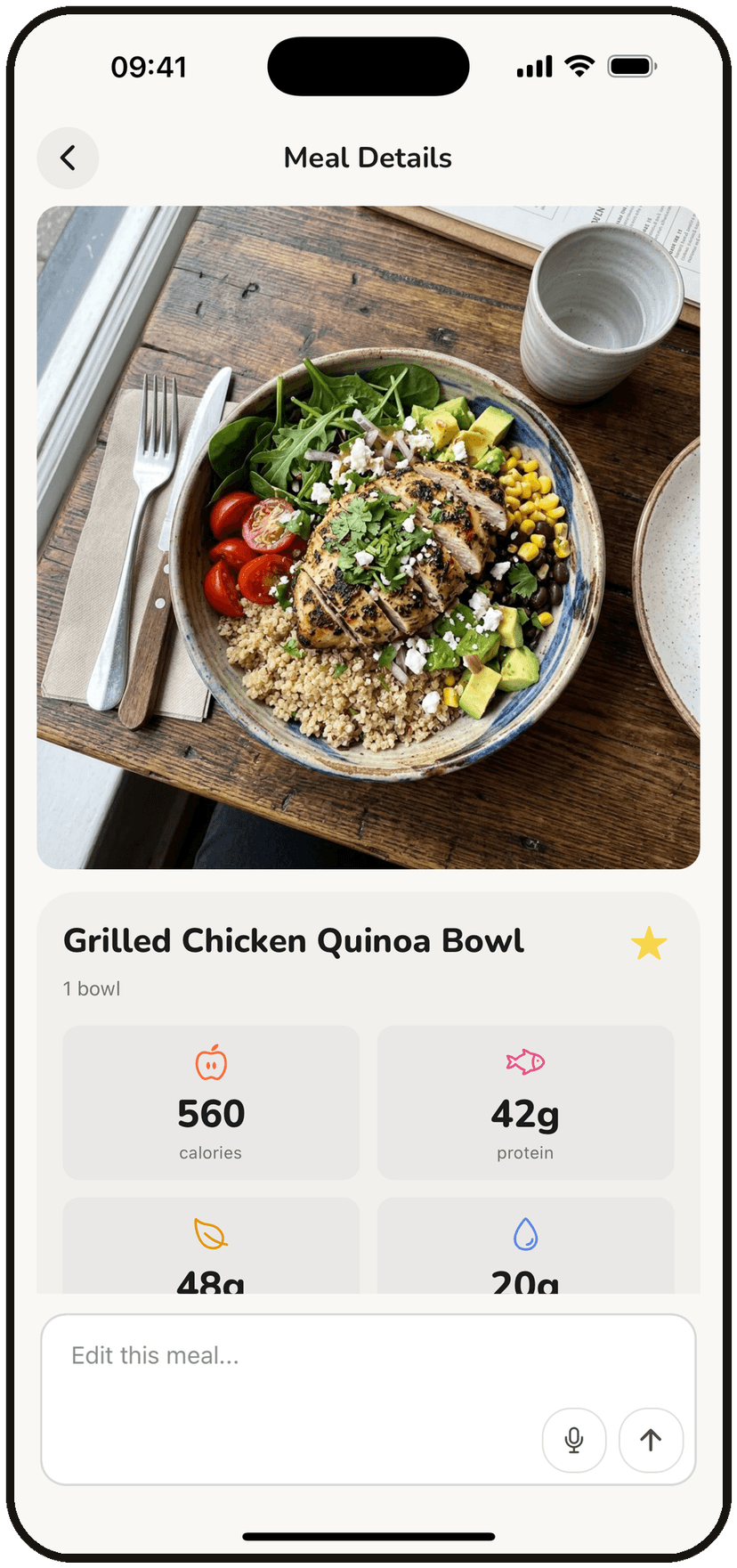
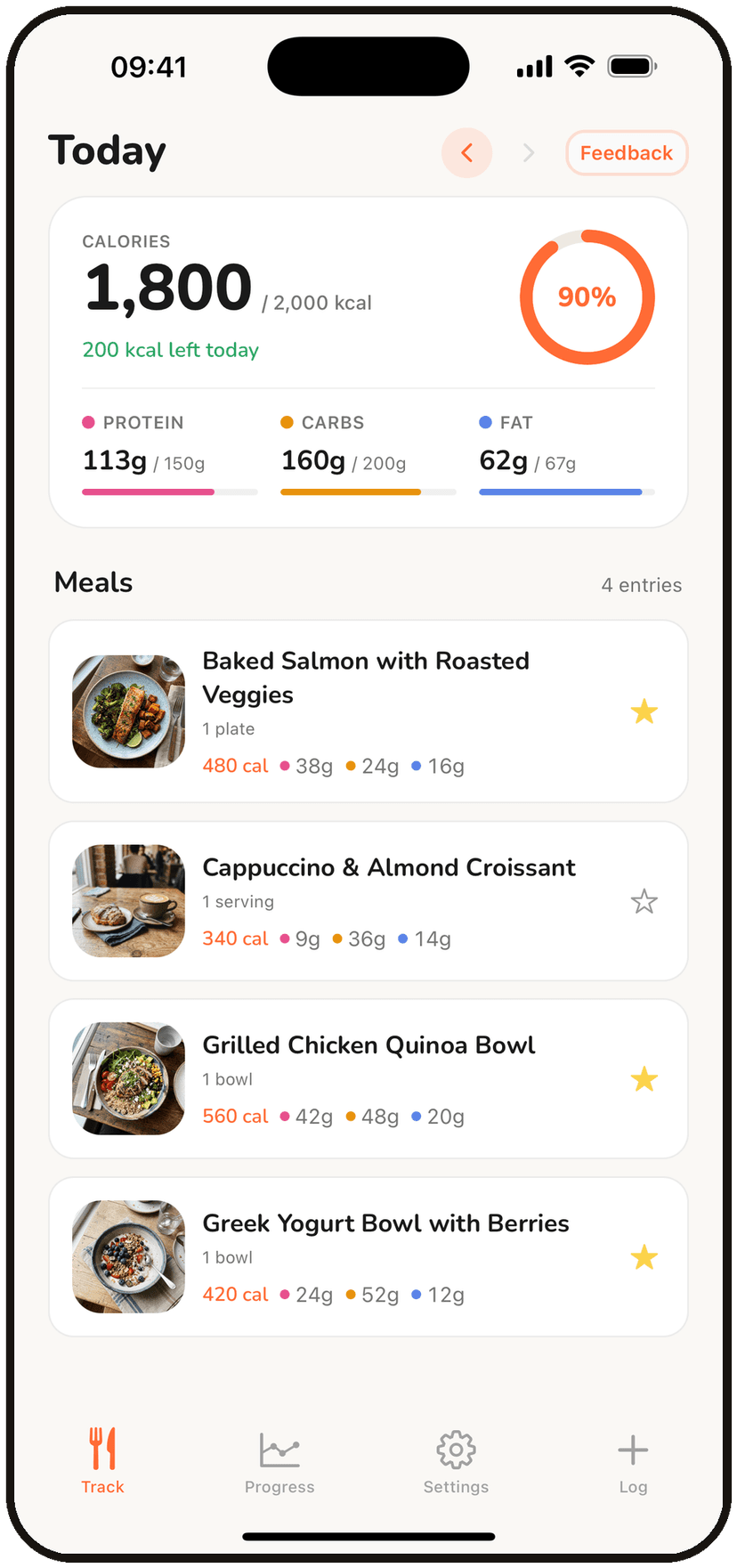
Portion guesses add up fast. BiteKit's AI reads your actual plate, so the number you track is the number you ate.
- Photo, voice, or text input
- Instant calorie & macro tracking
- Private by design — no password required
Free to download. No credit card required.
Scan to get the app