Whole30 Compliance Checker
Describe any meal or paste an ingredient list and get instant feedback on Whole30 compliance. Every ingredient is checked against official Whole30 rules with detailed explanations and compliant swap suggestions.
Include specific ingredients, condiments, and cooking oils for the most accurate Whole30 compliance check
Try an example:
What Is the Whole30 Program?
The Whole30 program is a 30-day dietary reset designed to help you identify foods that may be negatively impacting your health, energy levels, sleep, digestion, and overall well-being. Created by Melissa Urban in 2009, the program eliminates the most common inflammatory food groups for 30 days, then systematically reintroduces them to help you understand how different foods affect your body.
Unlike many diets, Whole30 is not about calorie counting or weight loss. It focuses on eating whole, nutrient-dense foods and removing potentially problematic ingredients to give your body a chance to heal and reset. After the 30 days, you reintroduce eliminated foods one group at a time to build a personalized, sustainable way of eating.
Foods Eliminated on Whole30
The Whole30 program eliminates seven categories of foods and additives. Understanding each category helps you identify non-compliant ingredients and make better food choices:
Added Sugar
Real and Artificial
No cane sugar, honey, maple syrup, agave, coconut sugar, stevia, Splenda, aspartame, xylitol, or any sweeteners. This includes sugar hidden in sauces, condiments, dressings, and processed foods. Always read ingredient labels.
Alcohol
Any Form
No wine, beer, spirits, or any alcoholic beverages. This also means no alcohol for cooking, including wine in sauces or beer in batters. Vanilla extract with alcohol is also not compliant; use alcohol-free vanilla instead.
Grains
All Types
No wheat, rye, barley, oats, corn, rice, millet, bulgur, sorghum, sprouted grains, quinoa, amaranth, or buckwheat. This includes flour, bread, pasta, cereal, tortillas, and cornstarch. Note that corn is classified as a grain on Whole30.
Legumes
Beans, Lentils, Peanuts, Soy
No black beans, kidney beans, pinto beans, navy beans, lentils, chickpeas, peanuts, peanut butter, soy sauce, tofu, tempeh, edamame, or any soy-based products. Green beans and snow peas are exceptions and are allowed.
Dairy
Except Ghee
No milk, cream, cheese, yogurt, butter, ice cream, kefir, sour cream, or any dairy products. The one exception is clarified butter and ghee, which have the milk proteins removed and are Whole30 approved.
Additives
Specific Additives
No carrageenan, MSG, or sulfites regardless of the food source. These additives can be found in non-dairy milks, deli meats, canned foods, and many processed products. Check ingredient labels for these specific additives.
What You Can Eat on Whole30
The Whole30 program encourages eating a wide variety of whole, unprocessed foods. You may be surprised by how much delicious food is available within the program rules:
Proteins
All meat (beef, pork, chicken, turkey, lamb, bison, venison), all seafood (fish, shrimp, crab, lobster, mussels, oysters), and eggs. Choose unprocessed options and check labels on processed meats like bacon and sausage for added sugar.
Vegetables and Fruits
All vegetables including white potatoes and sweet potatoes. All fruits are allowed in moderation. Load up on leafy greens, cruciferous vegetables, root vegetables, squash, and a rainbow of colorful produce for maximum nutrition.
Healthy Fats
Olive oil, coconut oil, avocado oil, ghee and clarified butter, animal fats (lard, tallow, duck fat), avocados, olives, and coconut (milk, cream, flakes). These fats add flavor and help you stay satiated.
Nuts, Seeds, and Pantry Staples
Almonds, cashews, walnuts, pecans, macadamia nuts, sunflower seeds, pumpkin seeds (not peanuts, which are legumes). Plus coconut aminos, compliant mustard, most vinegars (except malt), herbs, spices, and black coffee.
Tips for Whole30 Success
Completing a Whole30 is a significant commitment, but these practical tips can help you succeed and get the most out of the program:
Read Every Label
Sugar, soy, and dairy hide in unexpected places like salad dressings, deli meats, canned goods, and spice blends. Always read the full ingredient list, not just the nutrition facts. If you cannot pronounce an ingredient or do not recognize it, research it before consuming.
Meal Prep Is Essential
Prepare proteins, chop vegetables, and make compliant sauces ahead of time. Having ready-to-eat Whole30 food available prevents the temptation to grab non-compliant options when you are hungry and short on time. Batch cooking on weekends can save hours during the week.
Stock Your Kitchen
Keep compliant staples on hand: coconut aminos, ghee, compliant hot sauce, nuts, canned coconut milk, compliant broth, and a variety of spices. Remove non-compliant foods from your pantry to reduce temptation. Having good ingredients available makes cooking enjoyable meals much easier.
Plan for Eating Out
Research restaurant menus ahead of time and ask your server about ingredients. Simple preparations like grilled protein with vegetables and olive oil are usually safe. Ask for dressings and sauces on the side, and do not be afraid to make special requests. Many restaurants are happy to accommodate dietary needs.
The Reintroduction Phase
The reintroduction phase is arguably the most important part of Whole30. After completing your 30 days, systematically reintroduce eliminated food groups one at a time over 10-15 days. Eat the reintroduced food for one day, then return to strict Whole30 for two days while monitoring symptoms. This process helps you identify which specific foods affect your energy, digestion, mood, and overall well-being so you can make informed choices about what to include in your long-term diet.
A common reintroduction order is: legumes, non-gluten grains, dairy, gluten-containing grains. You can also separately test added sugar, alcohol, and specific foods like corn or soy. Pay attention to bloating, digestive changes, energy levels, skin changes, joint pain, mood, and sleep quality during reintroduction.
Frequently Asked Questions
What is the Whole30 program?
Whole30 is a 30-day elimination diet designed to help you identify foods that may be negatively affecting your health, energy, and digestion. You eliminate added sugar, alcohol, grains, legumes, dairy, and certain additives for 30 days, then systematically reintroduce them to identify which ones affect you personally.
What foods are eliminated on Whole30?
Whole30 eliminates seven categories: added sugar (real and artificial), alcohol (including for cooking), grains (wheat, rice, oats, corn, quinoa, etc.), legumes (beans, lentils, peanuts, soy), dairy (except ghee), specific additives (carrageenan, MSG, sulfites), and recreated baked goods or treats even with compliant ingredients.
How does the Whole30 Compliance Checker work?
The checker uses AI trained on Whole30 program rules to analyze your meal or ingredient list. Describe what you are eating or paste an ingredient list, and the AI identifies each component, checks it against all Whole30 rules, explains why it passes or fails, and suggests compliant alternatives for any non-compliant items.
Can you eat fruit on Whole30?
Yes, all fruits are allowed on Whole30. However, the program encourages eating fruit in moderation rather than using it to satisfy sugar cravings. Fruit juice can be used as a natural sweetener in cooking, but drinking fruit juice on its own is discouraged to help reset your relationship with sugar.
What about condiments and sauces on Whole30?
Condiments are one of the trickiest areas on Whole30. Many contain hidden sugar, soy, or dairy. Ketchup, BBQ sauce, most salad dressings, and soy sauce are not compliant. Compliant options include coconut aminos (soy sauce replacement), compliant mustard, certain hot sauces, and homemade dressings made with olive oil and vinegar. Always read labels carefully.
How long is the Whole30 program?
The Whole30 program lasts exactly 30 days of strict elimination. If you accidentally eat a non-compliant food, the official program recommends restarting your 30 days. After completing the 30 days, you enter a reintroduction phase of 10-15 days where you add back eliminated food groups one at a time to identify which ones affect you.
iPhone app · 3-day free trial
You're likely eating 500 calories more than you think
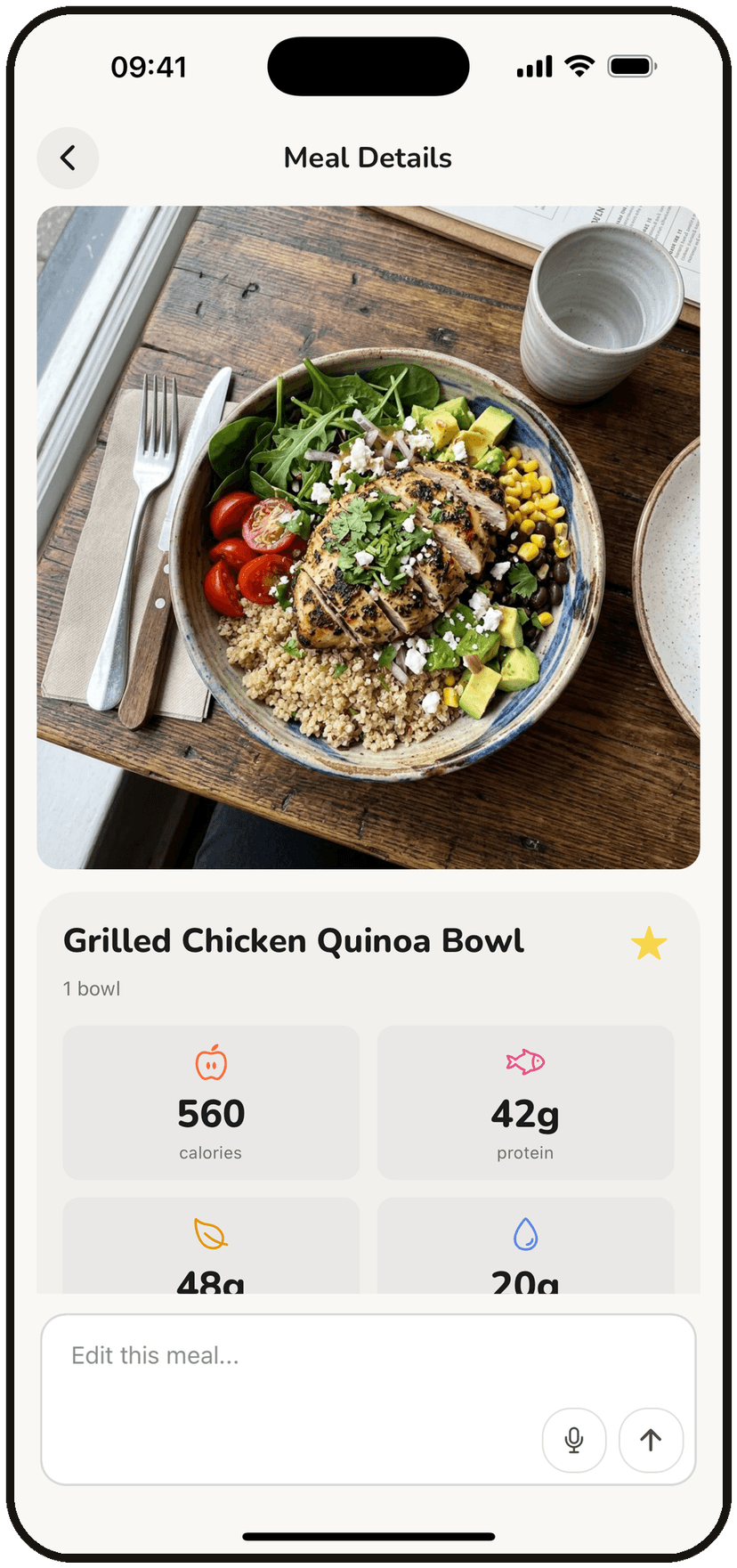
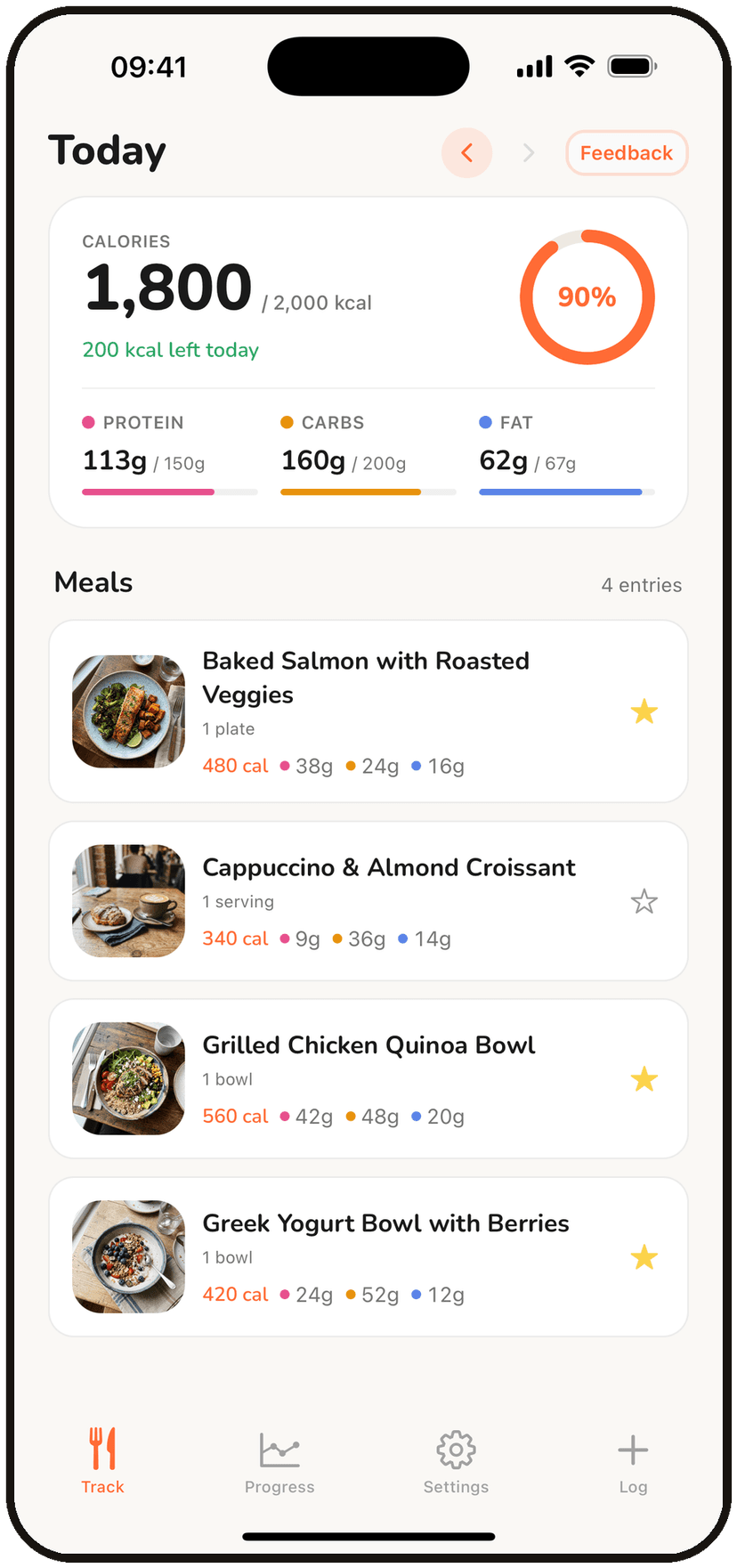
Portion guesses add up fast. BiteKit's AI estimates what's actually on your plate — oils, sides and all — so your log stays close to what you really ate.
- Log meals by photo, voice, or text
- Calories & macros estimated in seconds
- Syncs with Apple Health and Apple Watch
Free download · 3-day free trial, cancel anytime.
Scan with your iPhone camera