Zone Diet Block Calculator
Calculate your daily Zone Diet blocks based on lean body mass and activity level. Get a complete macro breakdown with meal-by-meal block distribution.
Estimate if unknown. Typical: men 15-25%, women 20-35%.
What are Zone Diet Blocks?
The Zone Diet uses a "block" system to balance macronutrients. Each block contains 7g protein, 9g carbs, and 1.5g fat. Your daily block count is based on your lean body mass and activity level, maintaining a 40/30/30 carb-protein-fat calorie ratio.
What is the Zone Diet?
The Zone Diet was developed by Dr. Barry Sears in the 1990s as an anti-inflammatory eating plan. It centers on controlling insulin through balanced meals that follow a strict 40% carbohydrate, 30% protein, and 30% fat calorie ratio. The goal is to keep your body in a hormonal "zone" that reduces inflammation, controls hunger, and supports optimal health and performance.
Unlike diets that focus solely on calorie restriction, the Zone Diet emphasizes the balance of macronutrients at every meal and snack. By maintaining the 40/30/30 ratio, you control insulin and eicosanoid hormones, which Dr. Sears identified as key drivers of inflammation and chronic disease.
Understanding Zone Blocks
Rather than counting calories or weighing grams, the Zone Diet uses a simplified block system to portion food. Each block is a standardized unit of macronutrients:
1 Protein Block = 7g protein
About 1 oz of chicken, fish, or lean meat. Each meal uses an equal number of protein blocks as carb and fat blocks.
1 Carb Block = 9g carbohydrates
About 1/3 cup of oatmeal or half an apple. The Zone Diet emphasizes low-glycemic carbs like vegetables, fruits, and whole grains.
1 Fat Block = 1.5g fat
About 1/3 teaspoon of olive oil or 3 almonds. Monounsaturated fats are preferred in the Zone Diet for their anti-inflammatory properties.
A complete Zone block (one of each macro) provides approximately 77.5 calories. With the added fat allowance typically recommended for Zone-favorable meals, each complete block is commonly rounded to about 91 calories.
How Zone Blocks Are Calculated
Your daily block prescription is based on two factors: your lean body mass (LBM) and your activity level. Here's how the calculation works:
Step 1: Calculate Lean Body Mass
LBM (lbs) = Body Weight (lbs) × (1 − Body Fat % / 100)
Example: 180 lbs × (1 − 20/100) = 180 × 0.80 = 144 lbs lean mass
Step 2: Apply Activity Multiplier
Protein Need (g) = LBM (lbs) × Activity Factor
Sedentary: 1.0 | Light: 1.1 | Moderate: 1.3 | Active: 1.5 | Very Active: 1.7
Step 3: Determine Daily Blocks
Daily Blocks = Protein Need / 7 (rounded to nearest whole number)
Example: 144 lbs × 1.3 / 7 = 187.2 / 7 ≈ 27 blocks/day
Block Distribution: Meals and Snacks
The Zone Diet distributes blocks across 3 meals and 2 snacks each day. This ensures you eat every 4-5 hours to maintain stable insulin levels throughout the day.
Meals (3 per day)
- Blocks are divided equally among breakfast, lunch, and dinner
- Any extra blocks go to the first meal of the day
- Typical range: 3-5 blocks per meal
- Each meal should include all three macros
Snacks (2 per day)
- Each snack is 1 block (1 protein + 1 carb + 1 fat)
- Mid-afternoon and late evening are ideal timing
- Prevents going more than 5 hours without eating
- Keeps insulin levels stable between meals
Example: A person prescribed 16 blocks per day would eat 3 meals of approximately 4-5 blocks each (14 blocks total from meals) plus 2 snacks of 1 block each (2 blocks), totaling 16 blocks.
Benefits of the Zone Diet
The Zone Diet has been studied for its effects on inflammation, body composition, and metabolic health. Key benefits include:
Reduced Inflammation
The 40/30/30 ratio helps control eicosanoid hormones that drive inflammation. Many Zone Diet followers report reduced joint pain and improved recovery from exercise.
Stable Energy Levels
By preventing insulin spikes and crashes, the Zone Diet provides steady energy throughout the day without the afternoon slump that high-carb meals cause.
Simplified Meal Planning
The block system is easier to learn than counting individual grams. Once you know how many blocks per meal, building balanced plates becomes intuitive.
Appetite Control
The combination of protein and fat at every meal promotes satiety. Eating every 4-5 hours prevents extreme hunger that leads to overeating.
Frequently Asked Questions
What is a Zone Diet block?
A Zone Diet block is a standardized unit for balancing macronutrients. Each block contains 7g protein, 9g carbs, and 1.5g fat. You eat a prescribed number of blocks per day based on your lean body mass and activity level, and every meal and snack uses equal numbers of each macro block to maintain the 40/30/30 ratio.
How many Zone blocks do I need per day?
Your daily blocks depend on your lean body mass and activity level. The formula divides your lean body mass (in pounds) multiplied by an activity factor by 7. Most women need 11-14 blocks and most men need 14-21 blocks, though very active individuals may need 25 or more blocks daily.
What is the 40-30-30 ratio?
The 40-30-30 ratio means 40% of your calories come from carbohydrates, 30% from protein, and 30% from fat. This ratio is the foundation of the Zone Diet and is automatically maintained when you eat equal numbers of protein, carb, and fat blocks at each meal. It was designed to optimize hormonal balance and reduce inflammation.
How do I distribute blocks across meals?
The standard approach is 3 meals and 2 snacks per day. Each snack is 1 block. The remaining blocks are divided equally among breakfast, lunch, and dinner. For example, 14 daily blocks = 4 blocks at each meal (12) + 1 block per snack (2). You should never go more than 5 hours without a Zone meal or snack.
How is the Zone Diet different from macro counting?
While both track macronutrients, the Zone Diet simplifies this with its block system. Instead of weighing grams, you count blocks which automatically maintain the 40/30/30 ratio. The Zone Diet also places strong emphasis on food quality (low-glycemic carbs, lean proteins, monounsaturated fats), meal timing (every 4-5 hours), and hormonal effects of food rather than just hitting daily gram targets.
What is lean body mass and why does it matter?
Lean body mass (LBM) is your total weight minus your body fat. It includes muscle, bones, organs, and water. The Zone Diet uses LBM to calculate blocks because lean tissue is metabolically active and determines your protein needs. This makes the calculation more accurate than basing it on total body weight, which would over-prescribe blocks for people with higher body fat.
iPhone app · 3-day free trial
You're likely eating 500 calories more than you think
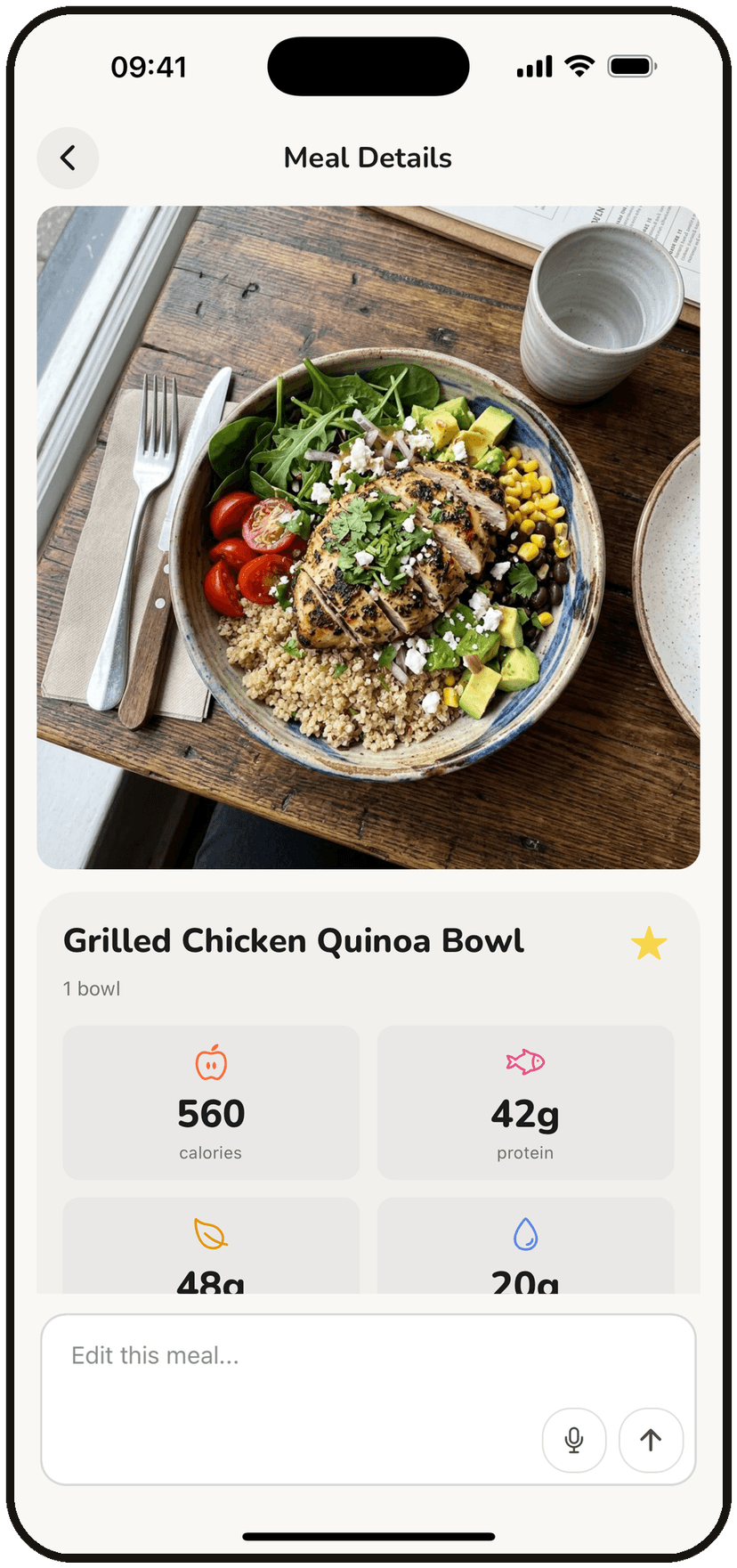
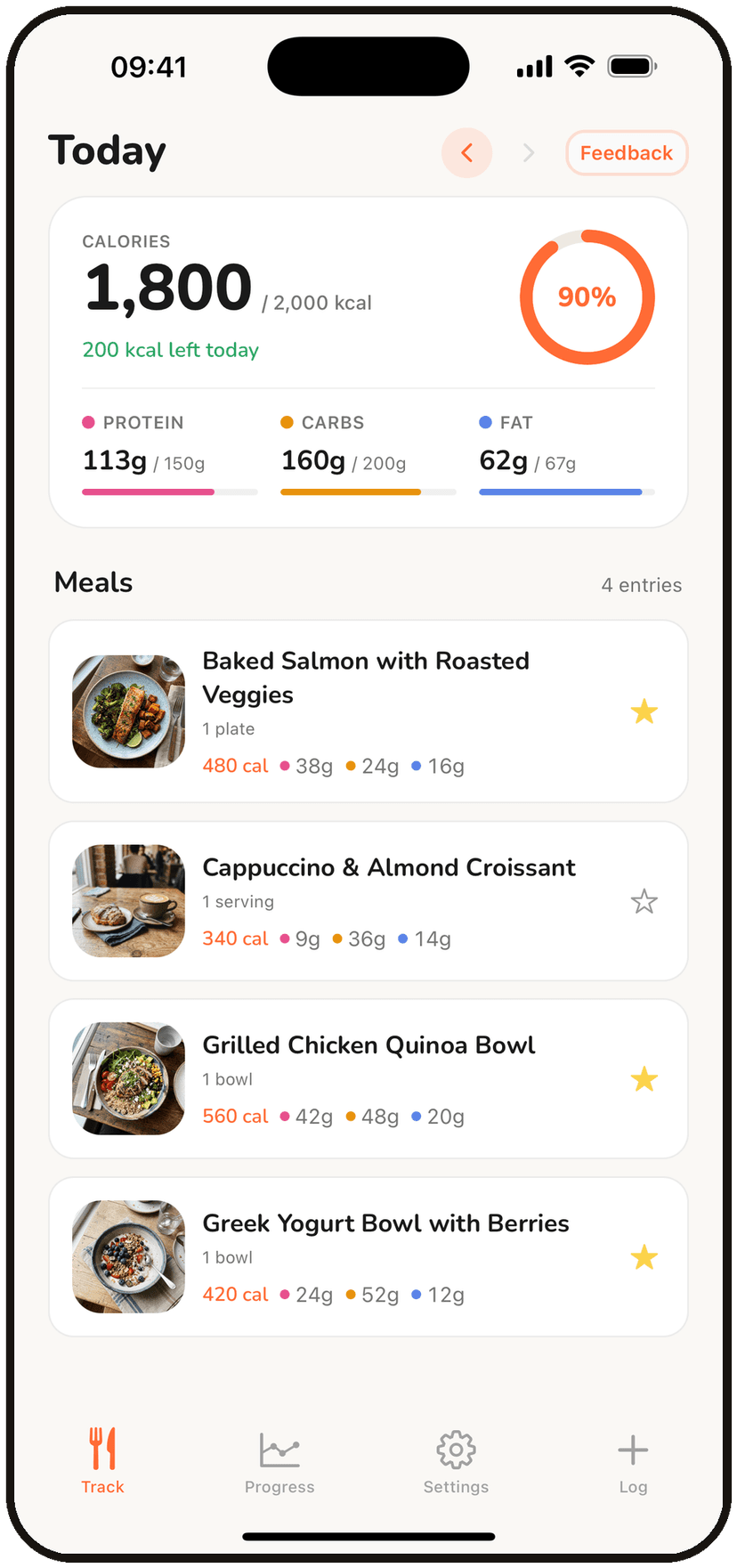
Portion guesses add up fast. BiteKit's AI estimates what's actually on your plate — oils, sides and all — so your log stays close to what you really ate.
- Log meals by photo, voice, or text
- Calories & macros estimated in seconds
- Syncs with Apple Health and Apple Watch
Free download · 3-day free trial, cancel anytime.
Scan with your iPhone camera