Intermittent Fasting and Muscle Gain: The Scientific Guide to Building Lean Mass
Explore how intermittent fasting and muscle gain can work together with science-backed nutrition, timing, and training to build lean mass.
Let’s address the most critical question first: can you actually build muscle while practicing intermittent fasting?
The short answer is yes. However, it's not the fasting itself that builds muscle—it's your strategy around the fast. Success hinges on being meticulously disciplined about hitting your calorie and protein goals within a shortened eating window. It is less a metabolic magic trick and more a structured nutritional approach for sculpting a leaner, more defined physique.
The Verdict on Intermittent fasting and Muscle Gain
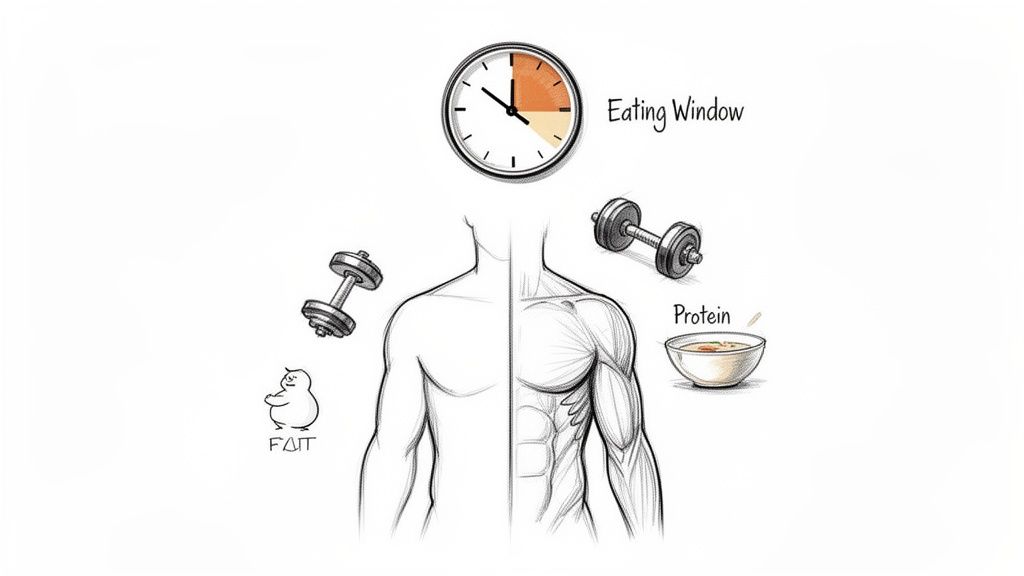
The debate over intermittent fasting and muscle gain is rife with strong opinions. One camp praises its fat-shredding capabilities, while the other warns it will sabotage your gains. Scientific evidence and practical application both suggest the reality lies somewhere in between and depends entirely on the execution of your plan.
Intermittent fasting can be an effective tool for body recomposition—the process of losing fat while maintaining or even building muscle. The entire focus shifts from "fasting" to "strategic fueling." Your eating window isn't merely a time to eat; it's the critical period where you must provide your body with all the necessary nutrients for muscle repair and growth.
Setting Realistic Expectations
Before starting, it is crucial to understand what the scientific evidence indicates. The goal for most is not just to prevent muscle loss but to actively build new muscle tissue. This is where meticulous attention to detail yields significant results.
To provide a clearer picture, let's examine how your goals and nutritional intake interact within an intermittent fasting framework.
Intermittent Fasting and Muscle Goals At a Glance
| Primary Goal | Calorie Intake | Expected Outcome with IF | Key Success Factor |
|---|---|---|---|
| Fat Loss | Calorie Deficit | Excellent fat loss, strong muscle preservation. | Hitting high protein targets to prevent muscle breakdown. |
| Body Recomposition | Maintenance Calories | Slow fat loss and potential for slow, lean muscle gain. | Precise nutrient timing and consistent resistance training. |
| Muscle Gain (Bulking) | Calorie Surplus | Possible, but challenging to consume enough calories in a short window. | A highly disciplined approach to consuming large, nutrient-dense meals. |
As illustrated, the outcome is directly tied to your caloric and protein intake, not merely the fasting schedule itself.
Research supports the conclusion that you can preserve hard-earned muscle while leaning out. For instance, a notable 2018 study on resistance-trained men using a 16/8 protocol revealed an important finding. While they did not build new muscle at the same rate as the control group, they successfully maintained their existing lean mass and strength while losing a significant amount of body fat. You can explore the full findings on intermittent fasting and muscle preservation to examine the data yourself.
This is the crucial takeaway: While building new muscle mass might be slower, preventing muscle loss during a cutting phase is where intermittent fasting truly excels. This makes it a premier strategy for achieving a lean physique without sacrificing strength.
This is the foundational principle of this guide. We will outline precisely how to structure your day to create an anabolic (muscle-building) state within your eating window. It demands serious commitment, but for those willing to put in the work, intermittent fasting can absolutely facilitate the development of a leaner, stronger body.
Navigating the Science of Muscle Growth and Fasting
The intersection of intermittent fasting and muscle anabolism is often a source of conflicting information. Some proponents praise its efficacy for fat loss, while critics warn it is a surefire way to lose hard-earned muscle. The scientific truth is that the outcome is determined entirely by your nutritional and training strategy.
Let's dissect the physiological processes that occur when you fast. Upon cessation of food intake, your body first depletes its stored glucose (glycogen) and subsequently begins to metabolize stored body fat for energy. This metabolic switch is what makes intermittent fasting a potent tool for fat loss.
However, this process has a potential downside. If the body does not receive adequate protein to repair and maintain muscle, it may begin to break down muscle tissue for energy. This state, known as catabolism, is the primary obstacle to overcome when aiming to build muscle while fasting.
The Conflicting Evidence on Muscle Mass
Scientific literature can appear to support both sides of the argument. The critical factor in interpreting these studies is to analyze the methodology—specifically, did participants consume sufficient calories and protein, and did they engage in resistance training?
A prime example of a suboptimal protocol is a 2020 study from the University of Hawaii. Researchers assigned 116 overweight adults to either a time-restricted eating group (12 p.m. to 8 p.m.) or a control group. The fasting group lost weight, but a staggering 65% of that loss was from lean mass—more than double the typical 20-30% observed in most weight-loss studies. The control group, which ate normally, lost less weight but preserved more muscle. You can read the full research about these muscle loss findings for a deeper analysis.
This study does not prove that fasting is inherently catabolic. Rather, it demonstrates what happens when fasting is implemented without a concurrent strategy to preserve muscle through adequate nutrition and training.
The bottom line is this: Intermittent fasting itself does not cause muscle loss. An unstructured and under-fueled approach to fasting absolutely can. The eating window is merely a tool; your nutrition and training are what determine the results.
To monitor how your body is responding on a physiological level, you can examine specific biomarkers. An Intermittent Fasting Blood Test can provide a clear picture of the metabolic changes occurring and help you optimize your approach.
Hormonal Shifts During Fasting
Much of the interest in intermittent fasting stems from its influence on hormonal regulation. During a fasted state, several key hormonal shifts occur that can be advantageous for body composition.
- Growth Hormone (GH) increases: Fasting is one of the most potent natural stimuli for boosting Growth Hormone levels. GH plays a role in fat metabolism and muscle preservation, which is a distinct benefit.
- Insulin levels decrease: In the absence of food intake, insulin levels remain low. This facilitates more efficient fat burning and can improve insulin sensitivity over time, which is beneficial for metabolic health.
While this hormonal milieu appears ideal for getting lean, it does not automatically translate to muscle growth. Think of Growth Hormone as more of a muscle protector than a muscle builder. The primary driver for muscle hypertrophy remains resistance training combined with sufficient protein intake to facilitate repair and growth of new tissue.
Without adequate protein and calories, no amount of fasting-induced GH will stimulate significant muscle anabolism. The hormonal environment created by fasting is a valuable supporting factor, but it is not the main driver of muscle gain. It sets the stage for effective fat loss while your diet and workouts perform the critical work of building muscle. This is why a structured, science-backed program is non-negotiable.
Alright, we've covered the science. Now, let's transition from theory to application and construct an intermittent fasting plan designed to build muscle. Simply choosing a fasting window is insufficient; success depends on strategic planning of what occurs inside that window, focusing on calories, macronutrients, and timing.
When you fast, your body adapts by shifting its energy source from immediate fuel to stored body fat. However, without a careful plan, it may eventually resort to breaking down muscle tissue for energy.
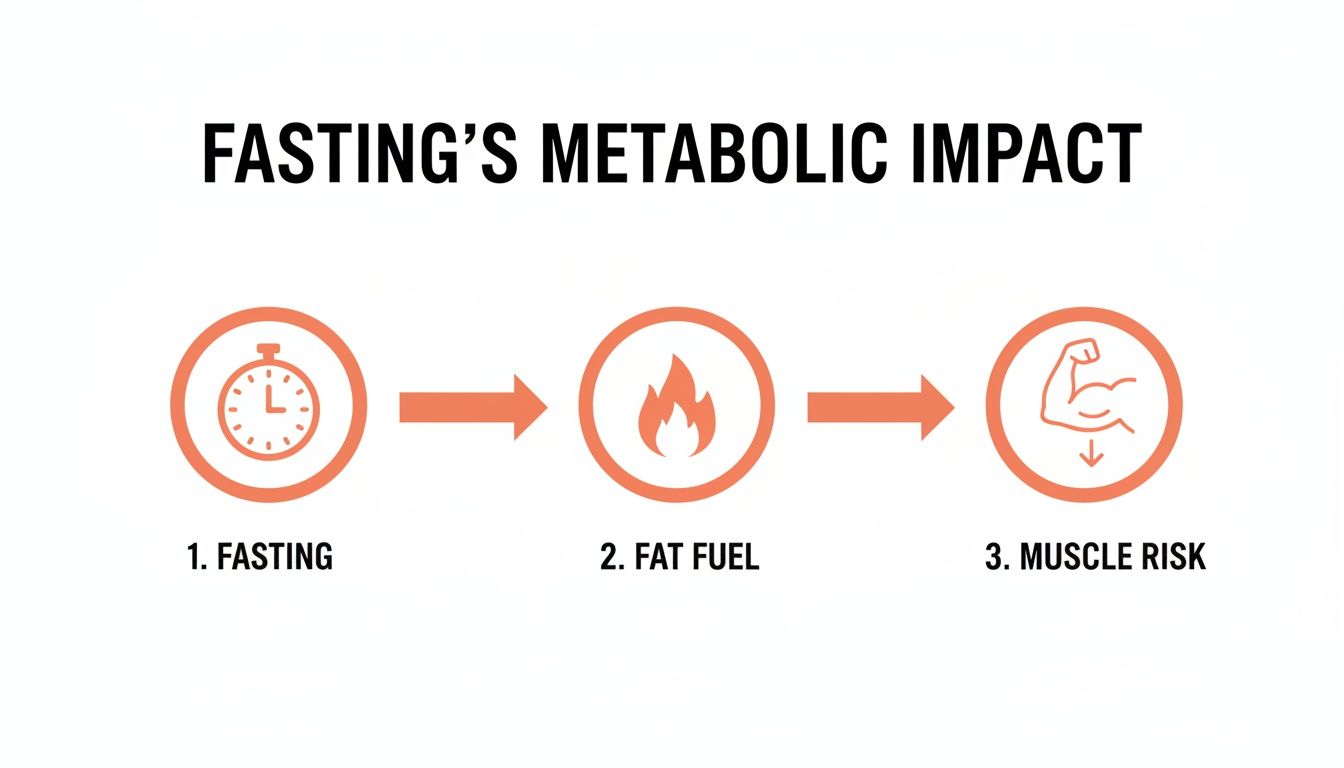
The key is to implement a smart nutrition strategy that halts this process, ensuring your body selectively targets fat, not muscle.
Picking the Right Feeding Window
For most individuals aiming to build muscle with intermittent fasting, the 16/8 protocol is the optimal choice. This involves a 16-hour fast followed by an 8-hour eating window (e.g., 12 PM to 8 PM). This schedule provides sufficient time in a fasted state to reap metabolic benefits, while the 8-hour eating period is manageable for consuming the necessary calories and protein for growth.
While more aggressive splits like 18/6 or 20/4 exist, they make it exceedingly difficult to eat enough. For muscle-building purposes, an 8-hour window typically strikes the perfect balance. If you still struggle or have very high caloric needs, a 14/10 split is an excellent alternative.
A crucial professional tip: Your fasting schedule must serve your goals, not the other way around. If a rigid 16/8 window leads to consistently missing protein targets, it is far more beneficial to shorten your fast to 14 hours than to fail to grow.
Nailing Your Calories and Macros
You cannot build a house without bricks, and you cannot build muscle without a calorie surplus. This is a common pitfall: applying a fat-loss mindset to a muscle-gain objective. To build new tissue, your energy intake must exceed your energy expenditure.
To fuel a lean bulk, aim for a modest and controlled calorie surplus of 200-300 calories above your maintenance level. This provides the extra energy needed for muscle repair without accumulating excessive body fat. A good starting point is to use a user-friendly intermittent fasting calculator to determine your baseline, then adjust based on weekly changes in weight and gym performance.
With your calorie target established, it's time to fine-tune your macronutrients.
- Protein: This is your highest priority. Aim for 1.6-2.2 grams of protein per kilogram of body weight (approximately 0.7-1.0 g per pound). This high intake is absolutely essential for stimulating muscle protein synthesis and preventing muscle breakdown during your fast.
- Fat: Healthy fats are crucial for hormone production, including testosterone. Aim for 20-30% of your daily calories from high-quality fat sources.
- Carbs: The remainder of your calories should come from carbohydrates. They are your primary energy source for high-intensity workouts and are vital for replenishing muscle glycogen stores for subsequent training sessions.
The Secret to Growth: Smart Protein Spacing
A unique challenge of intermittent fasting is maintaining a muscle-building state while only eating for 8 hours. Consuming 150 grams of protein in a single meal is not an effective strategy.
Think of muscle protein synthesis (MPS)—the process of building muscle—as a light switch with a dimmer. The goal is to turn it on and keep it illuminated, not just flick it on and off once. The most effective method is to provide your muscles with a steady supply of protein throughout your eating window.
Here is a simple, effective structure:
- Break your fast with a substantial meal containing 30-40 grams of high-quality protein.
- Plan a mid-window meal or snack approximately 3-4 hours later, delivering another 30-40 grams of protein. A scoop of whey, a container of Greek yogurt, or a small chicken breast are excellent options.
- End your window with another large meal containing 30-40+ grams of protein. If possible, include a slower-digesting source like casein (from dairy or a supplement) to sustain you through the fast.
This approach ensures a continuous stream of amino acids to your muscles, keeping the MPS "dimmer" turned up and actively counteracting the catabolic effects of the fast.
Scientific data supports this strategy. A comprehensive 2021 review of over 500 individuals confirmed that intermittent fasting protocols like 16/8, when combined with resistance training and adequate nutrition, were effective for reducing fat mass by 3-8% while preserving muscle. Muscle loss was minimal (0-1%) compared to standard diets. However, the critical takeaway was that without a structured plan like the one described, significant muscle gains were not observed. This is how you transform a simple eating schedule into a powerful tool for building a leaner, stronger physique.
Aligning Your Training with Your Eating Window
Optimizing your nutrition is half of the equation. The other half—the one that can truly amplify your results—is synchronizing your workouts with your eating window. The timing of your training can significantly impact your energy levels, gym performance, and ultimately, the amount of muscle you build with intermittent fasting.
There is no single "best" time that works for everyone. However, understanding the pros and cons of each approach allows you to identify the optimal strategy for your body and schedule. The primary question is: should you train fasted or fed?
Training in a Fasted State
Lifting weights on an empty stomach, typically just before breaking your fast, is a common approach. The main appeal is the potential for increased fat oxidation. With insulin levels at their lowest, your body is more primed to utilize stored body fat for fuel.
This can be an effective strategy if your primary goal is leaning out. However, there is a significant trade-off when it comes to building muscle: your performance may be compromised. Without recent fuel, you might find you cannot lift as heavy or complete as many repetitions, especially on demanding compound exercises like squats or deadlifts.
While studies show you can still build muscle and strength with fasted training over the long term, practical experience from countless lifters indicates that performance on heavy days soars when properly fueled. Consider fasted training a tool for fat loss, not necessarily for setting new personal records.
Training in a Fed State
If your primary objective is to maximize muscle gain, training after you have eaten is almost always the superior choice. Timing your workout approximately 1-2 hours after your first meal sets you up for peak performance.
Here’s why this approach is more conducive to muscle growth:
- Peak Energy: Your muscles are fully loaded with glycogen, providing the power needed to lift heavy and maintain high intensity throughout your session.
- Anabolic Environment: Having nutrients in your system supports a more favorable hormonal environment for growth.
- Immediate Recovery: Your body can initiate the muscle repair process immediately after your final rep because the necessary building blocks are already available.
A recent 2024 study underscored this point. It found that while changes in body composition were similar between fasted and fed groups, the lifters who ate before their workouts achieved significantly greater strength gains. They simply made better progress.
Nailing Your Pre and Post-Workout Nutrition
To maximize the benefits of training in a fed state, what you eat around your workout is as important as when.
Your post-workout meal, in particular, is a critical opportunity to refuel your muscles and trigger anabolism. Consume a meal or shake within one to two hours of your session that contains 20-40 grams of high-quality protein and a source of carbohydrates.
The protein provides the essential amino acids to repair the muscle microtrauma from training, while the carbohydrates replenish depleted glycogen stores. This combination sends a potent anabolic signal to your body to begin the growth process. If you need evidence-based meal ideas, BiteKit’s post-workout meal builder can generate suitable options.
Ultimately, the best time to train is the time you can consistently adhere to. However, if maximizing muscle gain is your top priority with intermittent fasting, both scientific evidence and practical experience strongly suggest fueling up before you lift. Aligning your most demanding workouts with your eating window provides the energy to train harder and the nutrients to recover faster, creating the perfect synergy for growth.
Hitting Your Macros Consistently with BiteKit
Let's be frank: the most challenging aspect of building muscle on an intermittent fasting plan is not the fasting itself. It is consuming all your required calories and protein within a compressed 8-hour window. This is where most well-intentioned plans fail, almost always due to under-fueling rather than under-training.
It is surprisingly easy to fall short of your targets. You are attempting to fit two or three large, nutrient-dense meals into a short timeframe, and life often interferes. Before you know it, your eating window has closed, and you are deficient in protein. This is precisely why a meticulous tracking strategy is non-negotiable.
Making Every Meal Count
When your feeding window is short, you cannot afford guesswork. Following a strenuous leg day, you must be certain that your post-workout meal delivers the crucial 30-40 gram protein dose needed to initiate muscle repair.
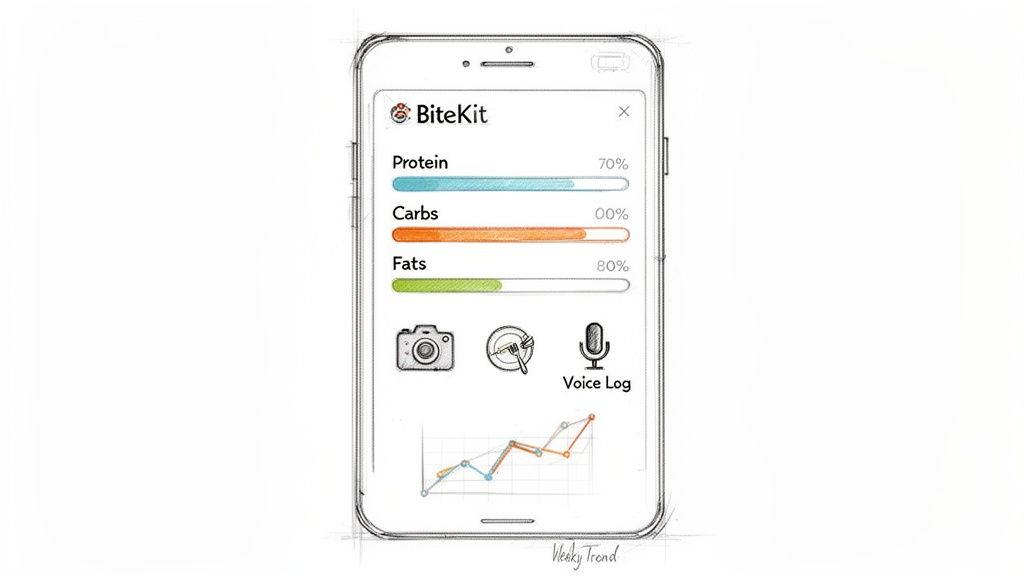
This is where a tool like BiteKit becomes exceptionally practical. Instead of wrestling with a cumbersome app and manually entering every ingredient, you can simply take a picture of your plate. The app identifies the food and instantly displays the macronutrient breakdown, providing immediate confirmation that you are on track. If you're having a quick shake, you can simply say, "log one scoop of whey protein with almond milk," and it is recorded.
The real power lies in the instant feedback. You see your progress bars update in real-time, so you always know your exact nutritional status. No more end-of-day guesswork.
This allows for intelligent, real-time adjustments. A quick glance at the app might reveal a protein deficit with a few hours left in your eating window. This is your cue to consume a Greek yogurt or some cottage cheese. Tracking transforms from a tedious chore into a strategic tool for maintaining an anabolic, muscle-building state. If you need assistance in determining your precise protein needs, our guide to determining your optimal protein intake can get you started.
Analyzing Your Weekly Anabolic State
A single day of perfect eating will not build muscle. Consistency over weeks and months is what drives progress. You must maintain that slight calorie surplus day after day to see tangible growth.
This requires zooming out to analyze your weekly trends. BiteKit maintains a comprehensive history of your meals, making it simple to identify patterns. Are you truly in a surplus, or are lower-calorie weekends dragging your weekly average down to maintenance or even a deficit?
- Daily Check-Ins: Before your window closes, perform a quick review. Are your protein and calorie bars where they need to be?
- Weekly Reviews: At the end of the week, examine your averages. Did you consistently achieve the 200-300 calorie surplus?
- Protein Consistency: Is your weekly average protein intake at or above the 1.6 grams per kilogram of body weight target?
Analyzing this broader data helps you troubleshoot effectively. If your calories are consistently low, you know you need to incorporate more calorie-dense foods like avocados, nuts, or olive oil into your meals. By leveraging this data, you are not just fasting—you are strategically managing your nutrition to provide your body with everything it needs to grow.
Common Questions About Intermittent Fasting for Muscle Gain
Once you begin the journey of building muscle with intermittent fasting, questions are bound to arise. It is a nuanced strategy with many moving parts, and mastering the details can be the difference between plateauing and achieving real, consistent gains.
Let's clarify some of the most common concerns from individuals attempting to make this protocol work.
What Can I Drink During My Fasting Window?
This is perhaps the most frequently asked question. The primary goal of the fast is to keep insulin levels low and promote the use of stored fat for energy. Any substance containing calories will halt this process.
To remain in a fasted state, stick to zero-calorie beverages.
- Water: Your most important beverage. Plain, sparkling, or mineral water are all acceptable. Hydration is non-negotiable for maintaining energy levels.
- Black Coffee: A valuable tool for many. Coffee is perfectly fine and can help suppress appetite. The key is that it must be black—no cream, sugar, or milk.
- Unsweetened Tea: Green, black, and herbal teas are all excellent choices. They are calorie-free and offer their own health benefits.
You must avoid anything containing calories, sugar, or even certain artificial sweeteners that might elicit an insulin response. This means no fruit juice, no regular sodas, and I would exercise caution with "zero-calorie" energy drinks that often contain amino acids.
A reliable rule of thumb: If it has calories or tastes sweet enough to potentially stimulate an insulin response, reserve it for your eating window. The goal is to give your entire digestive system a complete rest.
Will I Feel Too Tired to Train?
Concern about fatigue during workouts is completely valid, especially during the initial adaptation phase. Your body is accustomed to receiving fuel on demand, and it takes time to become efficient at tapping into fat stores for energy.
You may experience some lethargy at first, particularly if you train in a fasted state. For most people, this sensation is temporary. After one to two weeks, many individuals report feeling more stable energy throughout the day, without the typical afternoon energy crash.
If persistent fatigue does not subside, it is a significant red flag that your protocol is flawed. Potential culprits include insufficient calorie or protein intake during your eating window, poor sleep quality, or dehydration. Do not simply try to push through it; that is a recipe for burnout. Re-evaluate your plan and identify what needs adjustment.
Is Intermittent Fasting Right for Everyone?
While it is a powerful tool, intermittent fasting is not a panacea for every individual, particularly when muscle gain is the primary objective.
This approach can present a significant challenge for certain groups:
- Hardgainers: Individuals with a fast metabolism who already struggle to consume enough calories to gain weight may find it nearly impossible to eat adequately in a compressed window.
- Elite Athletes: Those with extremely high training volume, such as multiple sessions per day, may find it difficult to properly fuel performance and recovery on a restricted eating schedule.
- Individuals with Certain Health Conditions: It is always advisable to consult a physician before starting if you have a history of eating disorders, are pregnant or breastfeeding, or have a condition like diabetes.
You must be honest about your body and lifestyle. If you find that a 16/8 schedule consistently prevents you from meeting your calorie and protein targets, you are better off switching to a more forgiving 14/10 split. Adhering to a plan that does not support your goals is counterproductive.
What About Supplements During My Fast?
Supplements are another area of confusion. Some will break your fast, while others are perfectly acceptable to take. For example, a common concern is whether a key muscle-building supplement will interfere with the fast. Specifically, many ask, Does Creatine Break a Fast? The good news is that creatine is calorie-free, so it can be taken at your convenience.
On the other hand, substances like Branched-Chain Amino Acids (BCAAs) or whey protein contain calories and will terminate a fasted state. Save these for your eating window, ideally around your workout when your muscles can use them immediately for repair and growth. Always check the supplement label for hidden calories or sweeteners.