The 12 Best Free Nutrition Tracking Apps of 2026
Discover the best free nutrition tracking apps for your health goals. We review top apps for logging calories, macros, and meals with scientific insights.

Embarking on a journey to better health often starts with understanding what you eat. Nutrition tracking, once a tedious task involving notebooks and calorie books, has been simplified by a host of powerful mobile applications. These tools provide data-driven insights into your dietary habits, helping you make informed decisions that align with your health, fitness, or weight loss goals. Whether you're meticulously counting macronutrients for athletic performance, managing calorie intake for weight loss, or simply aiming to build healthier eating habits, the right app can be a transformative partner.
This guide is designed to help you navigate the crowded market and find the best free nutrition tracking apps for your specific needs. We move beyond generic feature lists and marketing claims to provide a comprehensive, hands-on analysis of the top contenders. We've evaluated each app for its core functionality, user experience, and the practical limitations of its free version. You'll find a detailed breakdown of what each platform excels at, from precise micronutrient analysis to effortless photo-based logging.
Inside, you'll discover:
- In-depth reviews of 12 leading free nutrition apps.
- Direct comparisons of free features versus paid upgrades.
- Honest pros and cons based on real-world use.
- Notes on data privacy and storage policies.
- Specific use-case recommendations to match an app to your lifestyle.
Our goal is to equip you with all the information needed to choose a tool that not only fits your goals but is also easy and motivating to use long-term. We provide screenshots, direct download links, and a final comparison table to make your decision as straightforward as possible. Let's find the perfect app to support your nutrition journey.
1. Apple App Store (iOS/iPadOS/watchOS)
For anyone using an iPhone, iPad, or Apple Watch, the App Store is the essential first stop in the search for the best free nutrition tracking apps. It isn't a single tracker but rather the secure, curated marketplace where you’ll find and compare top contenders. Its primary value lies in the tools it provides to help you make an informed choice before downloading anything.
Key Features and User Experience
Every app page functions as a detailed profile, complete with user ratings, developer responses, and version history. A standout feature is the Privacy Nutrition Label, which transparently details what data an app collects and how it's used. This is crucial for users concerned about data privacy, a significant consideration when logging sensitive health information. The App Store's review and curation process provides a layer of trust and safety, ensuring apps meet specific quality standards.
Practical Considerations
While the platform itself is free, be mindful that many of the listed nutrition apps operate on a "freemium" model. Basic features are often free, but advanced tools like macro-specific goals or detailed reporting are commonly locked behind in-app subscriptions. A major advantage is Apple's integrated ecosystem: subscriptions are easily managed (and canceled) directly within your iOS Settings, and the download process is fast and secure.
- Pros: Secure installs and centralized subscription management; mandatory privacy labels for data transparency.
- Cons: Many apps have aggressive upselling and hide key features behind paywalls; app availability can differ by country.
Website: apps.apple.com
2. Google Play Store (Android/Wear OS)
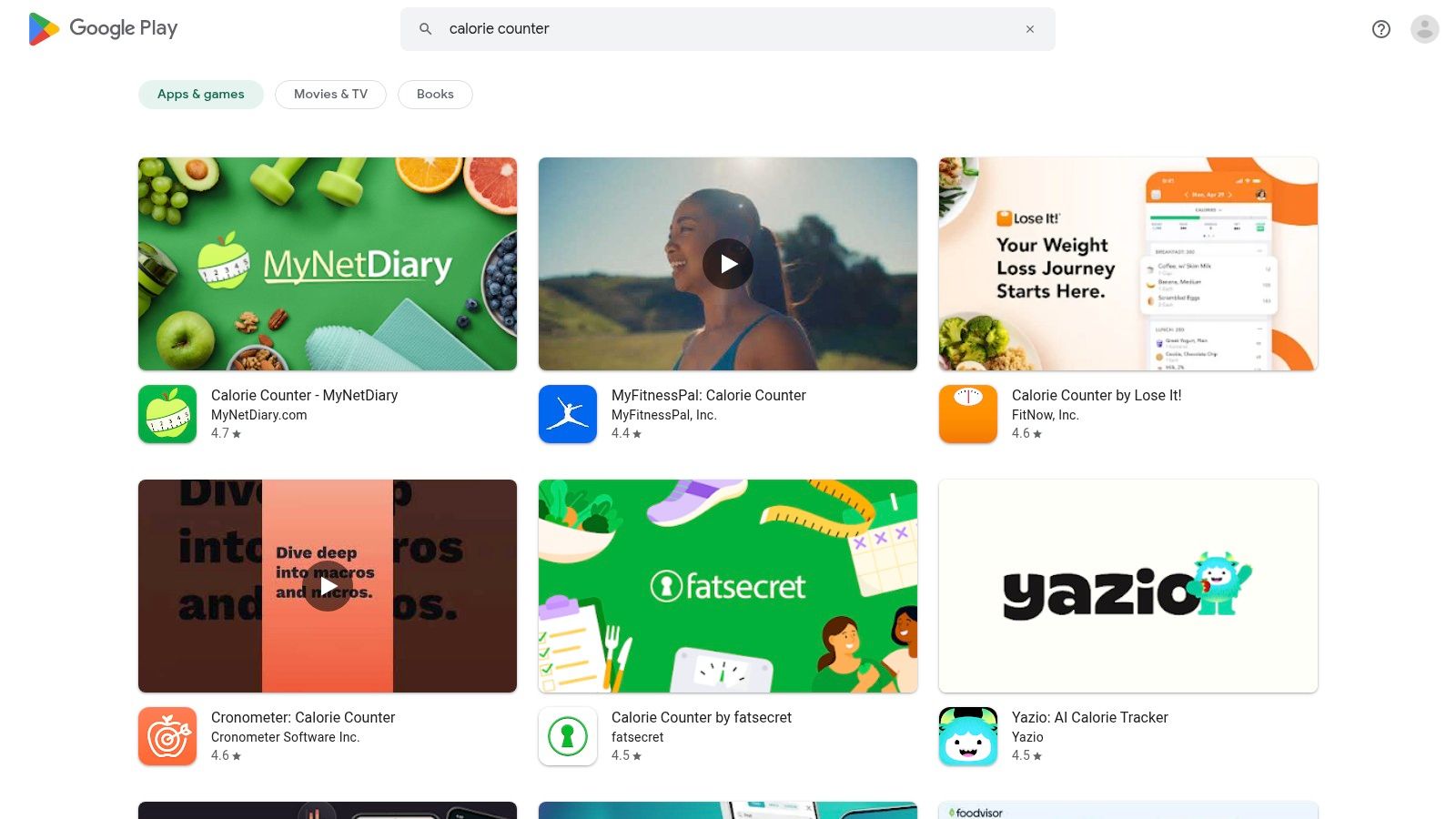
For Android and Wear OS users, the Google Play Store is the definitive starting point for finding the best free nutrition tracking apps. Much like its Apple counterpart, it serves as a vast, organized marketplace rather than a single app. Its strength lies in its massive selection and the user-centric tools it provides to help you compare and select a tracker that aligns with your health goals.
Key Features and User Experience
Each app listing on the Google Play Store is a comprehensive hub of information, featuring user reviews, developer details, and update logs. A key safety feature is Google Play Protect, which scans apps for harmful behavior, adding a layer of security to your downloads. The store also highlights in-app purchase costs upfront and includes device compatibility checks, ensuring an app will work properly on your specific phone or smartwatch before you install it.
Practical Considerations
The Google Play Store offers an unparalleled variety of apps, but this also means quality can be inconsistent. It's crucial to read recent reviews and check the "What's New" section for recent updates. Many apps use a freemium model where core logging is free, but advanced analytics are behind a paywall. A major benefit of the Android ecosystem is the easy management of these subscriptions directly within your Google Play account, allowing you to track and cancel them from one central location.
- Pros: Massive selection with broad U.S. and global food databases; frequent discounts on premium upgrades.
- Cons: Quality varies widely across available apps, so read reviews carefully; some free modes rely heavily on ads.
Website: play.google.com
3. MyFitnessPal
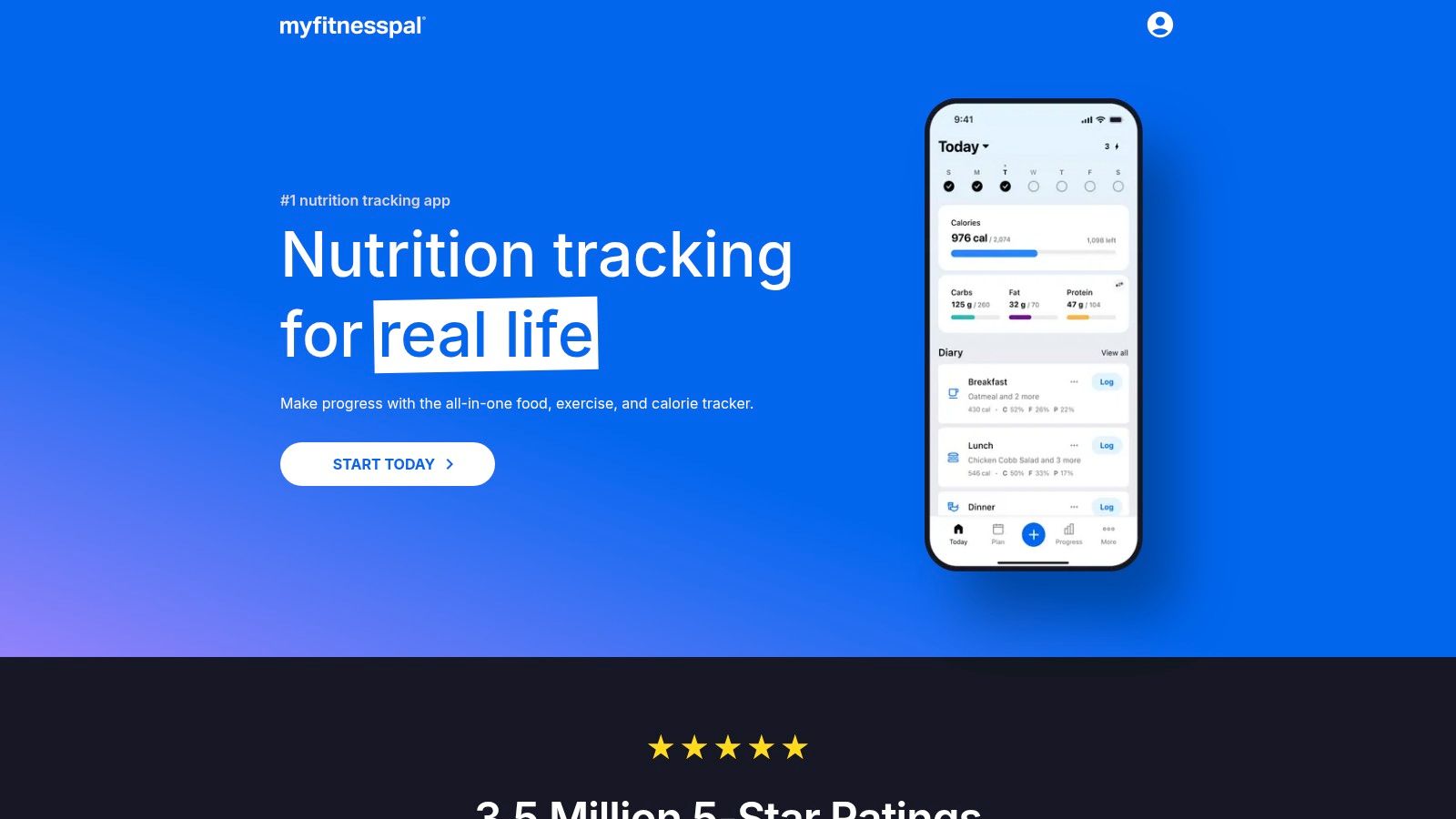
As one of the most established names in digital health, MyFitnessPal remains a top contender among the best free nutrition tracking apps due to its massive food database and robust community features. It operates as both a website and a mobile app, allowing users to log meals from any device and see their data sync seamlessly. Its longevity has allowed it to build an unparalleled library of foods, making it exceptionally easy to find and log everything from brand-name products to restaurant meals.
Key Features and User Experience
MyFitnessPal's core strength is its enormous, user-generated food database, accessible via text search or a highly effective barcode scanner. The free version allows users to track calories, basic macronutrients (protein, carbs, fat), and exercise. It also syncs with an extensive list of third-party fitness apps and devices like Apple Health, Google Fit, Fitbit, and Garmin, automatically importing workout data to adjust your daily calorie goals. The interface is straightforward, prioritizing quick entry for daily logging consistency.
Practical Considerations
The free tier is comprehensive for basic calorie counting but is supported by on-screen ads, which can be distracting. Key features, such as setting specific gram-based macro targets, viewing nutrient timing, or accessing in-depth reporting, are reserved for the Premium subscription. While its database is vast, the user-contributed entries can sometimes contain inaccuracies, requiring users to double-check nutrition facts. Despite this, its reliability and cross-platform availability make it a dependable starting point for anyone new to maintaining a digital food diary.
- Pros: Enormous food database with an excellent barcode scanner; extensive integration with fitness apps and wearables.
- Cons: The free version includes ads; many advanced features, including precise macro goals, are behind a paywall.
Website: www.myfitnesspal.com
4. Cronometer
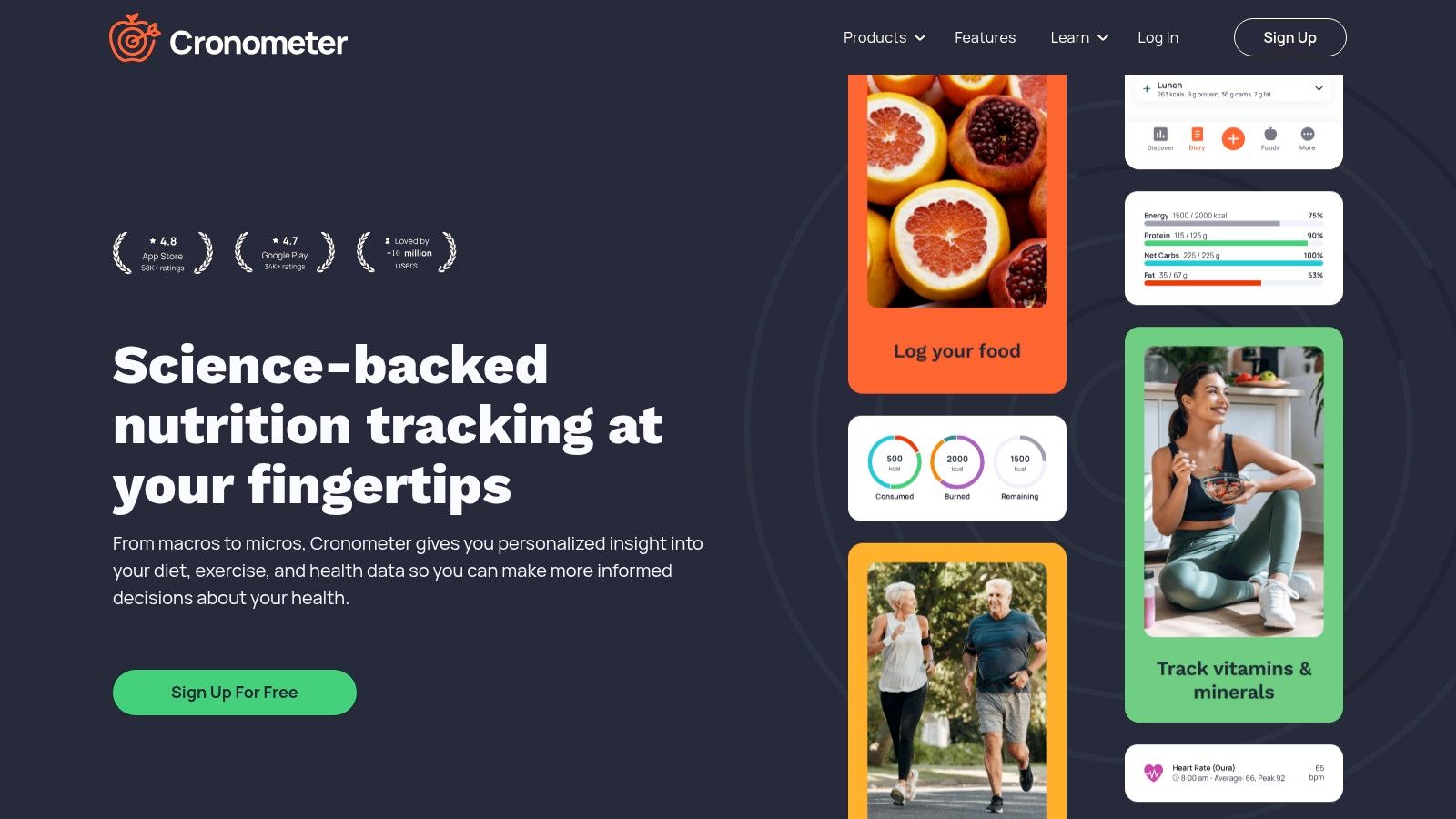
For users who want to go beyond simple calorie counting, Cronometer stands out as a precision-focused tool among the best free nutrition tracking apps. It is highly regarded for its emphasis on micronutrient tracking and its reliance on high-quality, lab-analyzed data sources. This makes it an ideal choice for athletes, biohackers, or anyone needing to monitor specific vitamin and mineral intake with a high degree of accuracy.
Key Features and User Experience
Cronometer’s free version is exceptionally robust, tracking up to 80 different nutrients and allowing users to set custom targets for both macros and micros. The interface is data-dense, presenting detailed nutritional breakdowns for every food logged. Barcode scanning and custom recipe creation are standard, while its data sources are transparently listed, giving users confidence in the information. This scientific-based approach makes it a powerful tool for those exploring the best way to track food intake for specific health outcomes.
Practical Considerations
While the free tier is very generous, a Gold subscription is required to unlock advanced features like a nutrient oracle, fasting timer, and in-depth charts and reports. A significant advantage is Cronometer's commitment to data ownership; users on the free plan can export their data, a feature often paywalled by competitors. The initial learning curve can be steeper than simpler apps due to the sheer volume of data presented, but for those who need that level of detail, it is unparalleled.
- Pros: Exceptional micronutrient tracking with high-quality data; allows data export on the free tier.
- Cons: The interface can feel complex for beginners; advanced analytics and some features require a Gold subscription.
Website: cronometer.com
5. Lose It!
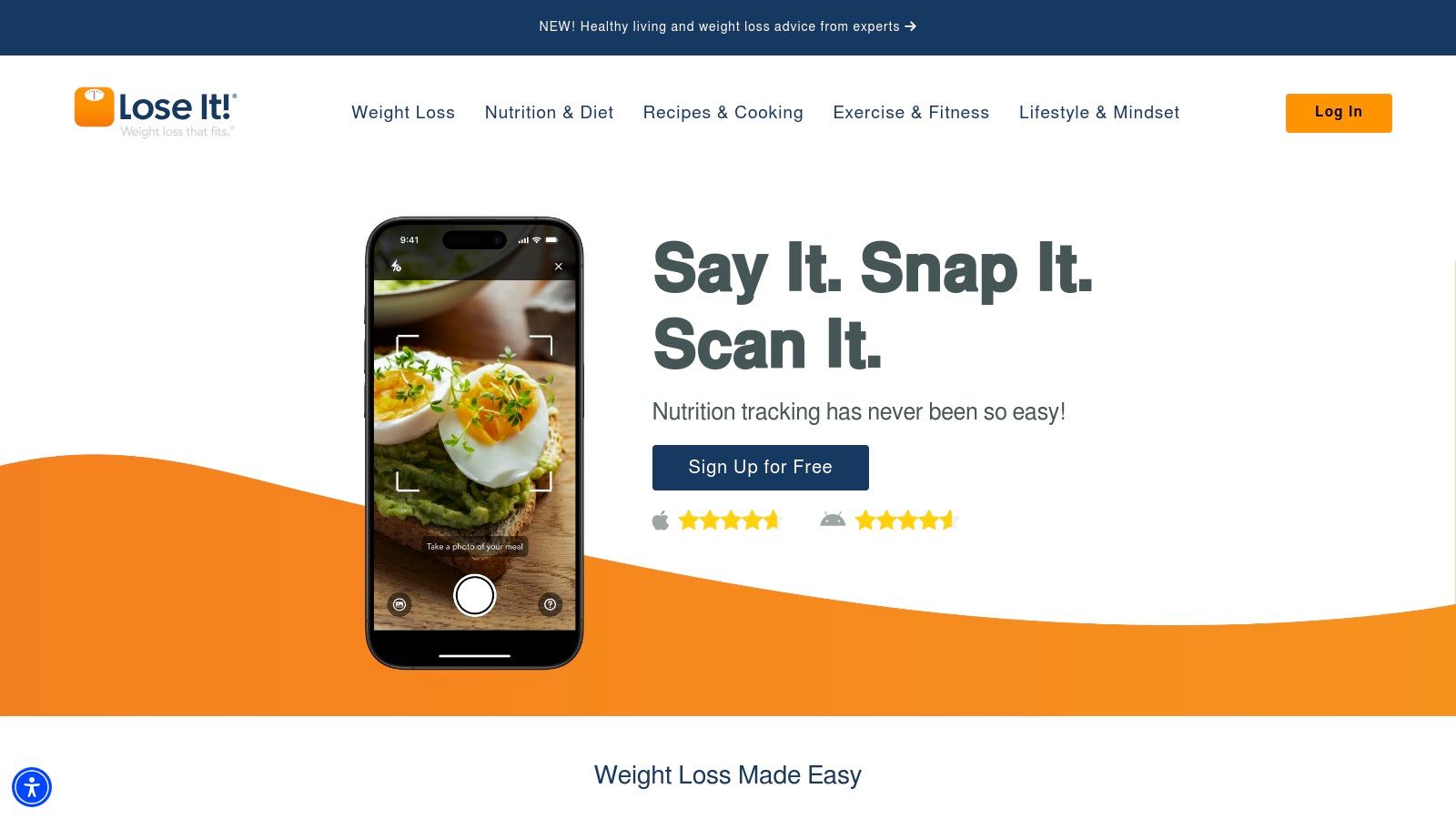
Lose It! has been a major player in the nutrition tracking space for years, earning its spot as one of the best free nutrition tracking apps through its friendly, approachable interface and focus on speed. The platform is designed to make logging as painless as possible, making it a fantastic starting point for individuals new to calorie counting or those who have been frustrated by more complex apps in the past.
Key Features and User Experience
The standout feature of Lose It! is its “Snap It” function, which uses your phone’s camera and AI to identify foods and estimate portion sizes, significantly speeding up the logging process. Combined with a massive food database, barcode scanner, and community support groups, the app provides a well-rounded experience. The user interface is clean and motivating, using streaks and a clear daily budget to encourage consistency. It successfully gamifies the process without feeling overwhelming for beginners.
Practical Considerations
The free version of Lose It! covers all the essentials: calorie tracking, weight logging, and basic macro summaries. However, more advanced functionality, such as detailed macro targets per meal, water tracking, and integration with fitness devices, is locked behind its Premium subscription. For those just starting, the free tier is more than sufficient for building foundational habits. To get the most accurate logs, you'll still need to estimate portions, and learning how to measure food without a scale can be a valuable skill to complement the app's features.
- Pros: Very approachable for beginners; fast logging flows with photo and voice options.
- Cons: Detailed macro features, meal targets, and other tools require Premium; some advanced features are paywalled.
Website: https://www.loseit.com/
6. MyNetDiary
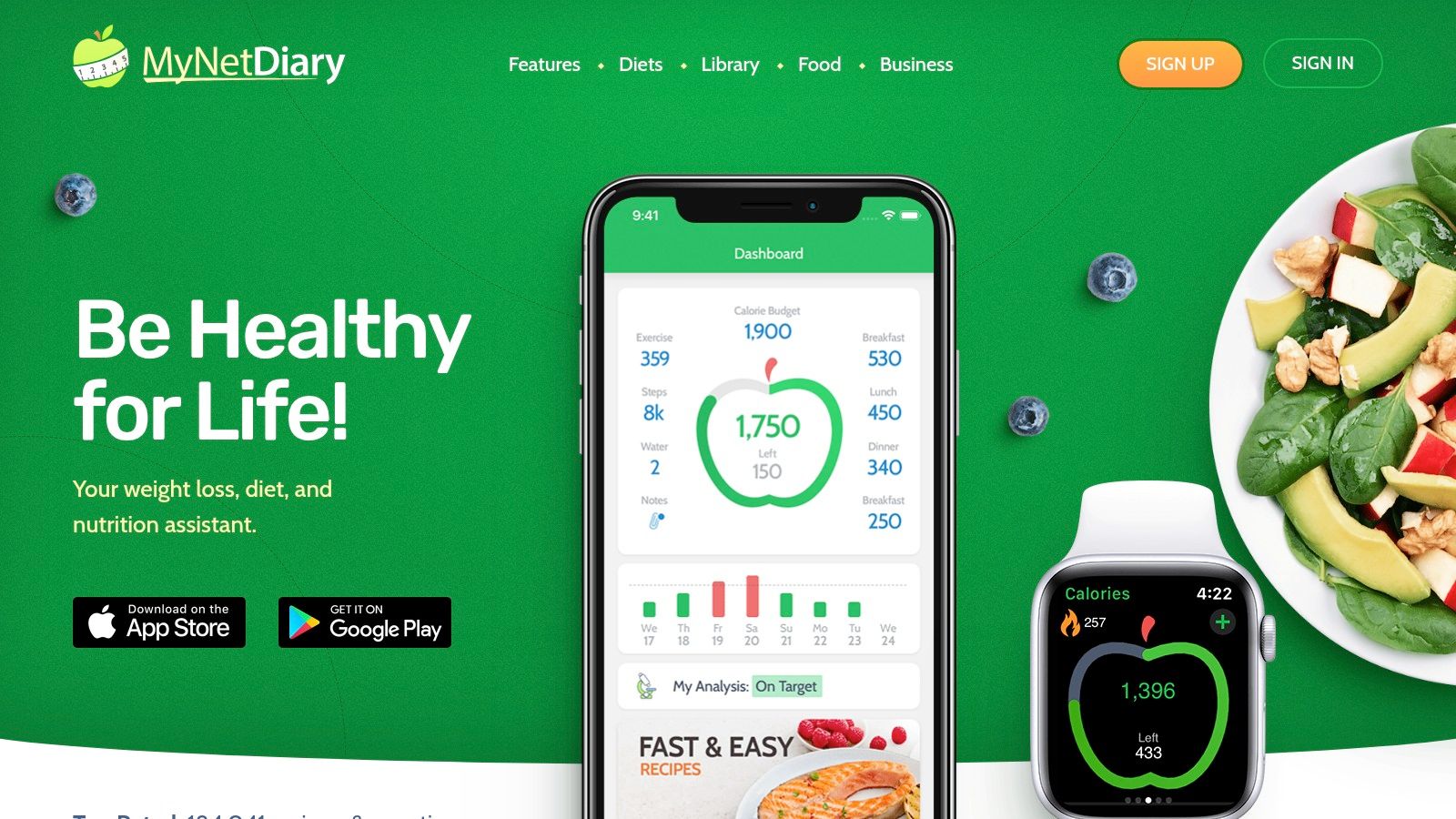
MyNetDiary distinguishes itself with a remarkably polished and feature-rich free version that remains completely ad-free, making it one of the best free nutrition tracking apps for users who value a clean interface. It strikes an excellent balance between user-friendliness for beginners and robust data for those with more specific dietary goals, all without the constant interruption of advertisements.
Key Features and User Experience
The platform’s standout free feature is its powerful logging toolkit, which includes a fast barcode scanner and the AI-powered PlateAI food photo recognition. This allows users to simply snap a picture of their meal for a quick, estimated log, significantly reducing the manual effort of data entry. The dashboard is highly customizable, letting you prioritize the metrics that matter most to you, from calorie targets to macronutrient breakdowns. Its clean, modern design makes navigating daily logs and progress reports an intuitive experience.
Practical Considerations
While the free tier is generous, offering core tracking and basic integrations, many advanced features require a Premium subscription. Deeper nutrient tracking (beyond basic macros), detailed reports, automated coaching, and certain device integrations are locked behind the paywall. However, the free version's integration with Apple Health and Google Fit covers the basics for most users. The absence of ads in the free plan is a major differentiator, providing a premium-like experience without the cost, making it a sustainable choice for long-term tracking.
- Pros: Completely ad-free experience in the free plan; includes advanced logging tools like AI photo scanning.
- Cons: Most advanced analytics and coaching features require a Premium subscription; some device integrations are paywalled.
Website: https://www.mynetdiary.com/
7. Lifesum
Lifesum positions itself as a holistic wellness companion rather than just a calorie counter, making it one of the best free nutrition tracking apps for users focused on building sustainable healthy habits. Its polished interface and lifestyle-oriented approach encourage a broader perspective on health, incorporating a "Life Score" that assesses habits beyond just food intake, offering a more encouraging and less punitive tracking experience.
Key Features and User Experience
The app stands out with its AI-assisted multimodal logging, which allows users to log meals via text, barcode scanning, or even by taking a photo. Lifesum’s user experience is visually appealing and motivating, featuring a large, well-categorized recipe library complete with dietary filters. It also tracks body metrics and seamlessly syncs with popular services like Apple Health and Fitbit, integrating nutrition data with your broader fitness activity.
Practical Considerations
The free version of Lifesum provides basic calorie counting and food logging, which is sufficient for simple tracking. However, many of its most advertised features, such as detailed macro tracking, specific diet plans (like keto or high-protein), and in-depth nutritional insights, are locked behind the Premium subscription. This "freemium" model means the free experience feels more like a trial, heavily encouraging an upgrade to unlock the app's full potential for goal-oriented users.
- Pros: Beautiful, polished user interface that promotes consistent use; excellent recipe and meal-planning support.
- Cons: The most useful tools and detailed insights require a Premium subscription; the free version's features are quite limited compared to the paid offering.
Website: lifesum.com
8. Carb Manager
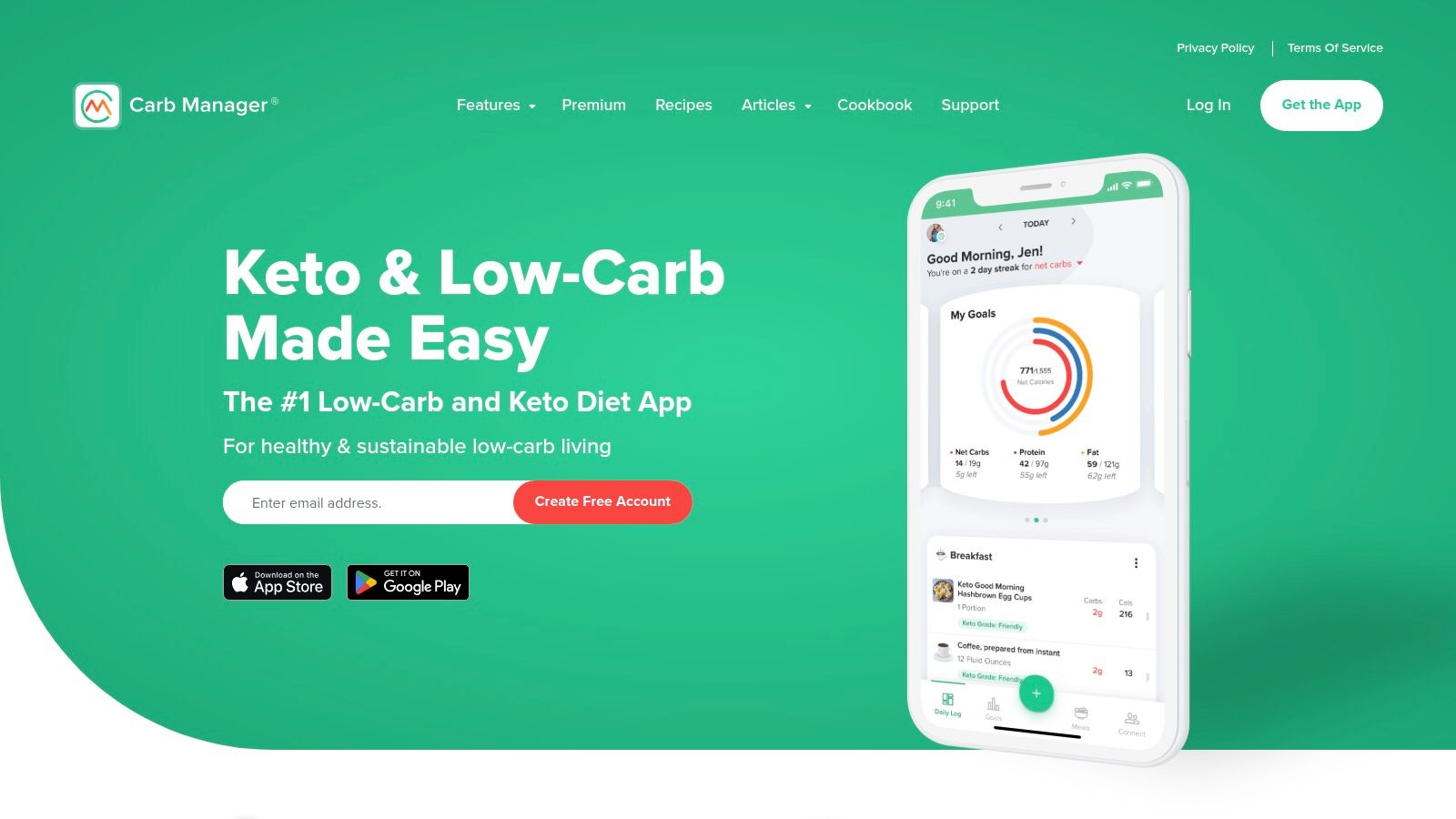
While its name highlights a specific macronutrient, Carb Manager has evolved into a powerful and versatile tool that ranks among the best free nutrition tracking apps for various dietary approaches. It is particularly dominant in the low-carb and ketogenic communities, offering specialized tools that go beyond simple logging. Its free version provides robust food, macro, and water tracking, making it highly functional without an initial investment.
Key Features and User Experience
Carb Manager excels with its keto-centric features, including net carb tracking, a keto calculator, and a vast library of low-carb recipes. The free experience includes barcode scanning and manual entry, while premium users gain access to "Snap" (photo logging) and "Say" (voice logging) for faster input. The user interface is clean, displaying macro and calorie goals prominently. Integrations with Apple Health, Google Health Connect, Fitbit, and Garmin allow for a more holistic view of your health data, connecting diet with activity.
Practical Considerations
The free version is entirely sufficient for daily calorie and macro tracking, but many of the app's most attractive features are gated behind a Premium subscription. This includes advanced analytics, curated meal plans, intermittent fasting timers, and the grocery list generator. While its guidance is naturally carb-centric, users can customize their macro goals to fit any diet. This makes it a great choice for those starting with keto who may later transition to a different nutritional plan without needing to switch apps.
- Pros: Excellent for carb-focused or ketogenic users; deep recipe and meal-plan ecosystem.
- Cons: Non-keto users may find guidance overly carb-centric; many convenience features are locked behind Premium.
Website: https://www.carbmanager.com/
9. YAZIO
YAZIO has gained popularity as a sleek, all-in-one health coach, combining calorie counting with intermittent fasting timers and a vast recipe database. While many apps focus solely on tracking, YAZIO positions itself as a more holistic guide to healthier eating habits. Its modern interface and motivational features make it one of the more engaging best free nutrition tracking apps for users looking for structure beyond simple data entry.
Key Features and User Experience
The platform’s standout feature is its integration of various health strategies. Users can track calories, monitor macros, and simultaneously follow one of over 20 intermittent fasting plans, like 16:8 or 5:2, directly within the app. The free version provides solid basic food logging, a barcode scanner, and activity tracking. The user experience is clean and visually appealing, with clear progress charts that make it easy to see daily and weekly trends at a glance. Its AI-powered photo food tracking simplifies logging by identifying meals from a picture, though this is often a premium feature.
Practical Considerations
YAZIO operates on a distinct freemium model where the core tracking functionality is free, but the most powerful tools are reserved for its PRO subscription. The free version includes ads and lacks access to the extensive recipe library, automatic tracking from wearables, and advanced nutritional insights. However, YAZIO frequently offers significant discounts on its annual PRO plan, making it a more affordable premium option than some competitors. The app is widely available and syncs across multiple devices, offering flexibility for users.
- Pros: Integrated intermittent fasting timers and challenges; clean, motivating interface with simple daily targets.
- Cons: The free tier is quite limited and contains ads; key features like recipes and advanced reporting require a PRO subscription.
Website: https://www.yazio.com/en
10. FatSecret
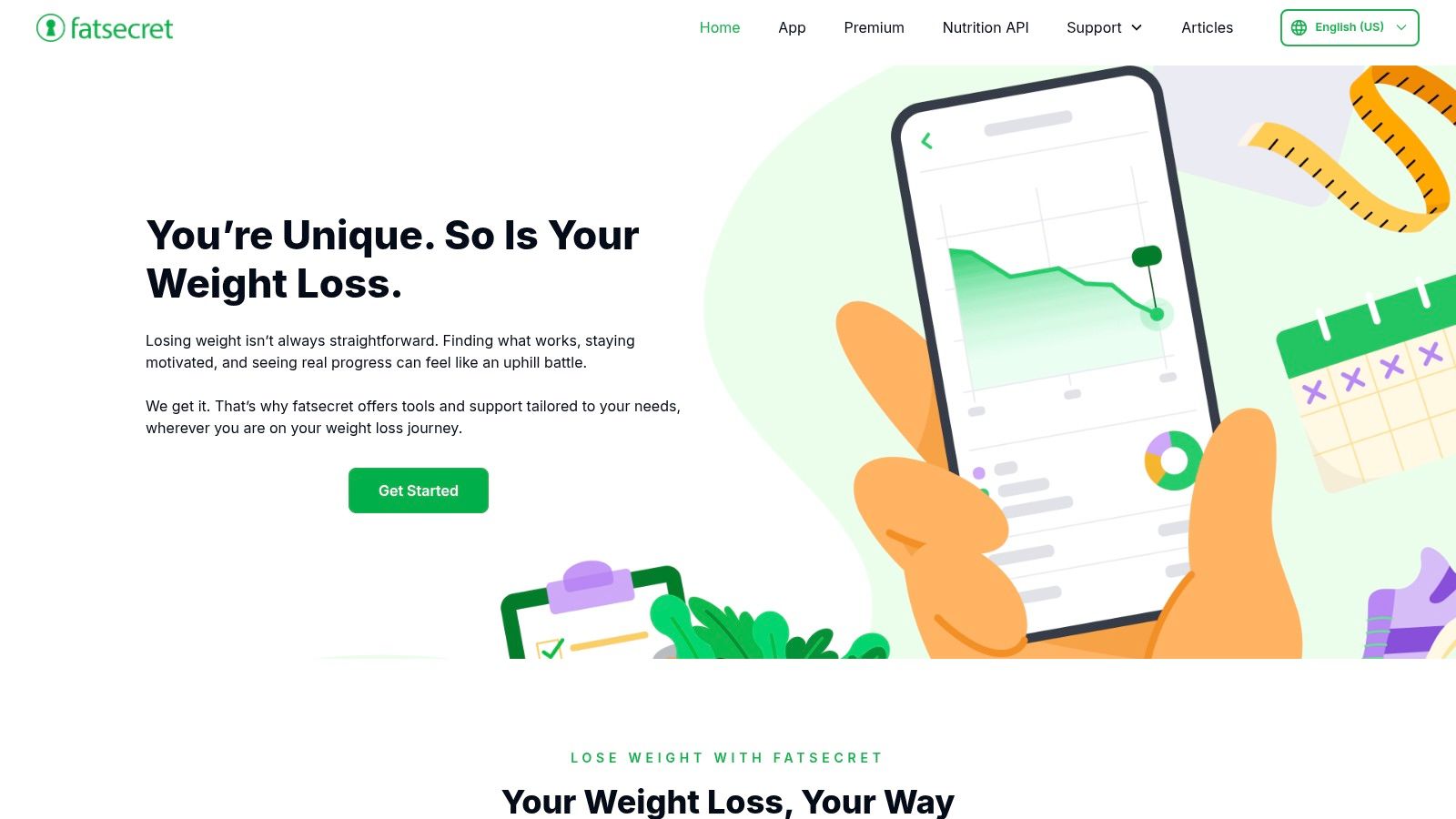
FatSecret has been a reliable player in the digital nutrition space for years, offering a robust, community-driven platform that remains one of the best free nutrition tracking apps available. It provides a comprehensive suite of tools without an aggressive paywall, focusing on a verified food database and supportive social features. The platform is accessible via both a web interface and mobile apps, syncing data across devices seamlessly.
Key Features and User Experience
The core of FatSecret is its high-quality food database, which includes barcode scanning, image recognition for popular brands and restaurant items, and user-submitted entries that are clearly marked. The user interface is more functional than flashy, prioritizing speed and ease of data entry over modern aesthetics. A key differentiator is its integrated community, where users can share recipes, join groups, and offer encouragement, adding a valuable layer of motivation. It also integrates with popular fitness platforms like Apple Health and Fitbit to consolidate activity and nutrition data.
Practical Considerations
The free version of FatSecret is remarkably generous, providing full access to food and exercise diaries, weight tracking, and community features. The optional Premium subscription unlocks advanced tools like a meal planner, water tracking, and more detailed reports for users who want deeper analysis. While its design may feel dated compared to newer apps, its no-nonsense approach to logging is highly effective for building consistent habits. Its strong coverage of U.S. brands and restaurant chains makes it a practical choice for those who frequently eat out.
- Pros: Solid free functionality with a large, verified food database; supportive community features and excellent restaurant coverage.
- Cons: Interface is more utilitarian and less modern than competitors; advanced planning and reporting tools require a Premium subscription.
Website: https://www.fatsecret.com/
11. Nutritionix Track
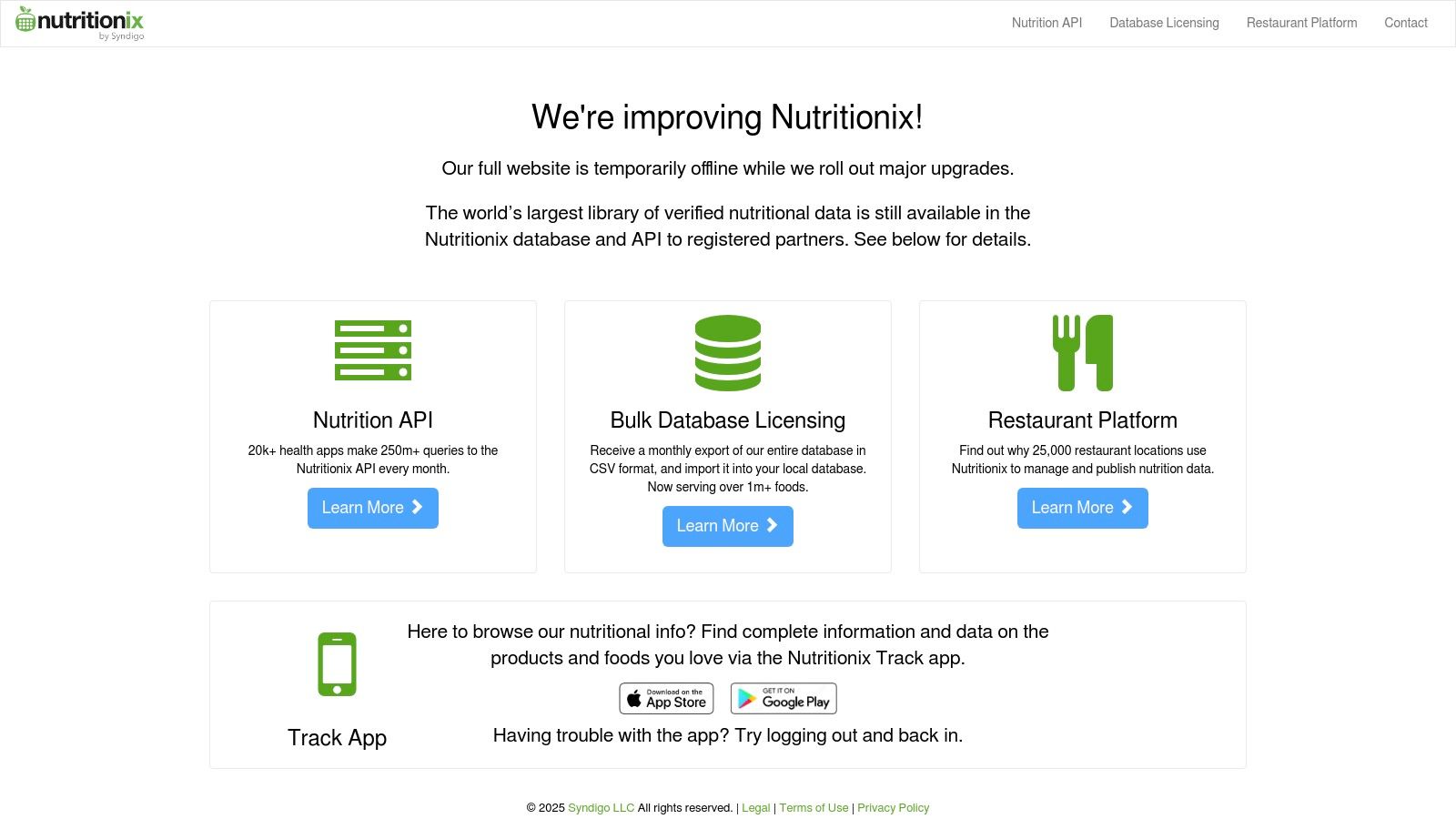
Nutritionix Track leverages its powerful food database, one of the largest verified nutrition databases in the world, to deliver a streamlined and accurate tracking experience. It excels at fast logging, particularly for users in the U.S., thanks to its extensive coverage of grocery items and over 760 restaurant chain menus. The app is designed for efficiency, making it one of the best free nutrition tracking apps for those who prioritize speed and simplicity.
Key Features and User Experience
The standout feature is its powerful logging technology. The app uses natural-language entry, allowing you to type "a medium apple and a cup of black coffee" and have it intelligently parse the items. Combined with a predictive search engine and barcode scanner, daily logging becomes a quick, hassle-free task. The interface is clean and lightweight, focusing purely on tracking without overwhelming users with complex social or coaching features in the free version.
Practical Considerations
The free version provides all the essential tools for logging meals, tracking macros, and monitoring calories. For those seeking more guidance, the optional Track Pro subscription adds features like access to a certified coach. A significant benefit is the ability to export your data, giving you full ownership and control over your health information. It also syncs with Apple Health, integrating your nutrition data into your broader health ecosystem.
- Pros: Quick, accurate logging for U.S. foods and restaurants; lightweight app with a simple workflow.
- Cons: Fewer coaching or habit features unless upgraded to Pro; smaller recipe and community ecosystem compared to larger players.
Website: https://www.nutritionix.com/track
12. HealthifyMe
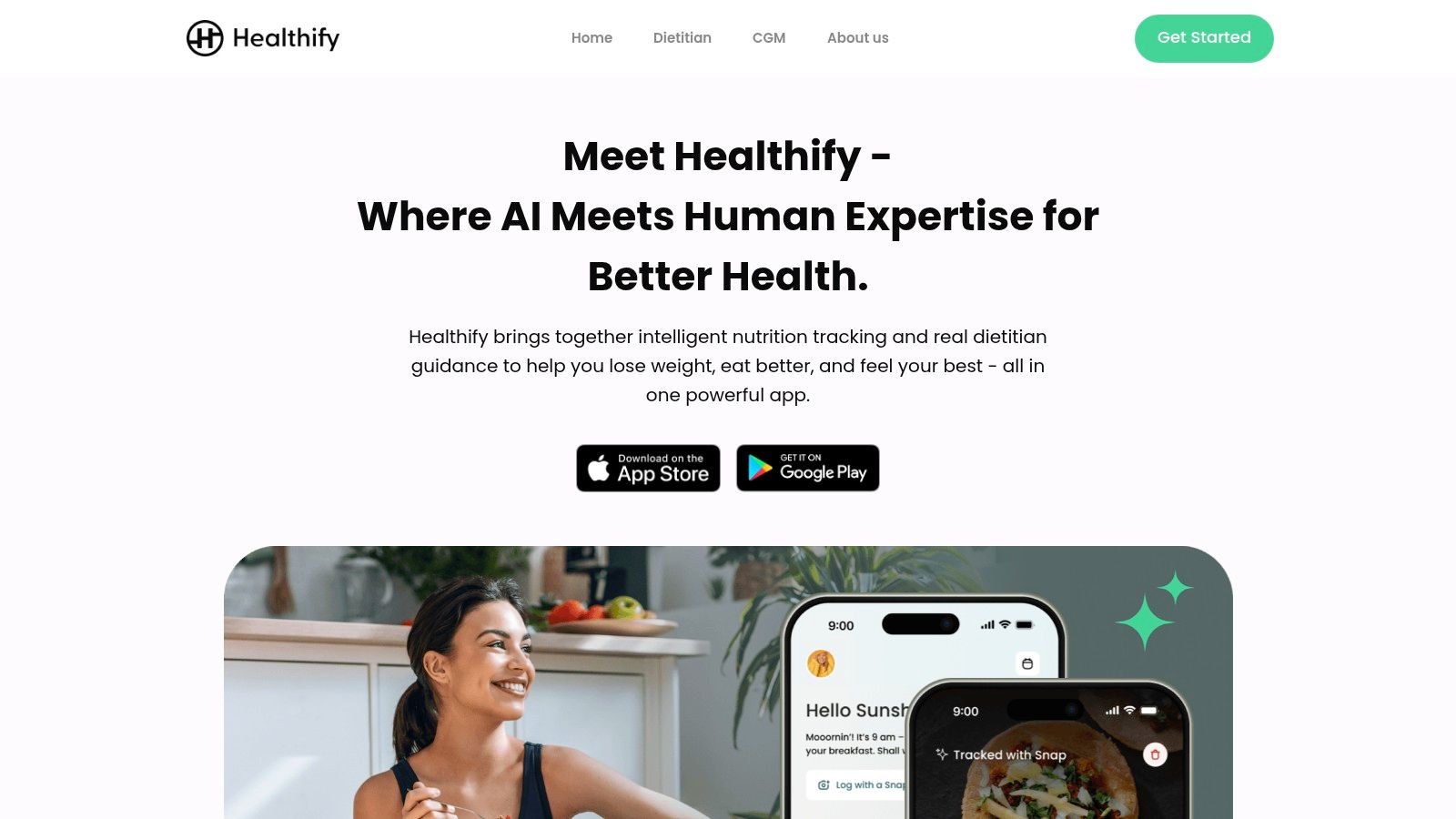
HealthifyMe is a comprehensive health and fitness platform that extends beyond simple food logging, making it one of the more holistic best free nutrition tracking apps available. Originating as a major player in Asia, its global version offers a robust free calorie counter integrated with fitness tracking and optional, sophisticated AI and human coaching services, positioning it as an all-in-one wellness solution.
Key Features and User Experience
The app’s core strength lies in its integrated approach. Beyond logging meals, users can track water intake, sleep, and workouts, providing a complete picture of their health. The free version includes a solid food database and AI-assisted logging suggestions. Its standout feature is the optional upgrade path to "Ria," an AI nutritionist, or dedicated human coaches who provide personalized plans and accountability, creating a scalable support system.
Practical Considerations
The free tier offers substantial utility for daily calorie and macro tracking. However, many of HealthifyMe’s most advertised features, like its AI-powered "Snap" feature for photo-based logging and advanced coaching insights, are reserved for premium subscribers. While its food database is extensive, users in the U.S. might find it less comprehensive for specific local restaurant chains compared to long-established American apps. The platform's value shines for those who may eventually want to invest in a guided coaching experience without switching apps.
- Pros: Holistic approach combines diet, fitness, and other health metrics; offers a unique marketplace for AI and human coaching.
- Cons: Key innovative features are behind a paywall; its U.S. food and restaurant database may not be as deep as U.S.-centric competitors.
Website: www.healthifyme.com
Top 12 Free Nutrition Trackers: Feature Comparison
| Item | Core features | UX / Ease of logging | Target audience | Unique selling point | Price / Cost |
|---|---|---|---|---|---|
| Apple App Store (iOS/iPadOS/watchOS) | Curated app pages, screenshots, ratings, privacy labels | One‑tap installs, automatic updates, secure review process | iPhone/iPad/Apple Watch users comparing trackers | App review + privacy nutrition labels; family sharing | Free to browse; apps often use in‑app subscriptions |
| Google Play Store (Android/Wear OS) | Play Protect, ratings, device compatibility checks | Easy installs, large selection, device compatibility hints | Android/Wear OS users seeking nutrition apps | Massive app selection; frequent discounts | Free to browse; in‑app purchases/subscriptions common |
| MyFitnessPal | Huge food DB, barcode scan, wearable sync | Familiar UI, reliable cross‑platform sync | General users wanting mainstream tracker | Largest food database and broad integrations | Free tier; Premium subscription for advanced tools |
| Cronometer | 80+ nutrients, lab‑quality data, exports | Precision‑focused; steeper learning curve | Athletes, clinicians, micronutrient‑focused users | Detailed micronutrient accuracy and data export | Free basic; Gold subscription for advanced analytics |
| Lose It! | Photo/voice (Snap It), barcode, recipe builder | Very approachable; fast logging flows | Beginners and casual trackers | Fast photo/voice meal logging; friendly UX | Free core; Premium unlocks advanced features |
| MyNetDiary | PlateAI photo/voice, barcode, customizable dashboards | Clean, ad‑free free tier; easy to navigate | Users who prefer ad‑free, simple dashboards | Free ad‑free experience + AI meal scan | Free base; Premium for deeper analytics/coaching |
| Lifesum | Photo/voice/text logging, Life Score, recipes | Polished UI focused on habit formation | Lifestyle users who want meal planning & recipes | Recipe library + Life Score and meal planning | Free limited; Premium subscription for full features |
| Carb Manager | Voice/photo logging, keto meal plans, fasting tools | Tailored flows for low‑carb/keto; deep meal planning | Keto and low‑carb users | Keto‑focused tools, curated meal plans | Free core; Premium for fasting timers & advanced tools |
| YAZIO | AI photo logging, fasting modes, large recipe library | Simple daily targets; fasting support | Users wanting fasting + recipe guidance | Extensive recipe catalog + intermittent fasting modes | Free basic; PRO subscription for plans and ad‑free |
| FatSecret | Verified food DB, community, web + mobile access | Utilitarian UI but solid free features | Budget‑conscious users wanting community support | Strong free functionality and active community | Free core; Premium for advanced planning/reports |
| Nutritionix Track | Predictive search, natural‑language logging, restaurant DB | Lightweight, very fast logging workflow | U.S. users and frequent restaurant diners | Extensive U.S. grocery & restaurant menus; quick entry | Free; Track Pro for coaching/features |
| HealthifyMe | AI + human coaching, integrated fitness logging | Holistic diet+fitness UX; coaching marketplace | Users wanting coaching and integrated plans | Combines AI coaching with human coaches | Free calorie counter; paid coaching/plans |
Final Thoughts: Choosing Your Partner in Nutritional Wellness
Navigating the world of digital health tools can feel overwhelming, but finding the right nutrition tracking app is a crucial first step toward achieving your wellness goals. Throughout this guide, we've explored a diverse landscape of the best free nutrition tracking apps, each with its own philosophy, feature set, and ideal user. From the data-rich precision of Cronometer to the community-driven support of FatSecret and the user-friendly interface of Lose It!, the perfect tool is less about a universal "best" and more about what's best for you.
Your journey is unique, shaped by your lifestyle, goals, and personal preferences. The most effective app is the one you will use consistently. A feature-packed application is useless if its complexity discourages daily logging. Conversely, a simple app may not provide the granular data a performance athlete or a person managing a specific health condition requires.
Key Takeaways and Actionable Next Steps
To make your final decision, reflect on the core insights from our deep dive:
-
Define Your Primary Goal: What is your non-negotiable objective? Are you focused on strict macronutrient targets for athletic performance (consider Cronometer or MyFitnessPal)? Is your goal sustainable weight loss through calorie awareness (look at Lose It! or MyNetDiary)? Or are you adopting a specific dietary pattern like keto (where Carb Manager excels)? Clarity on your primary goal will immediately narrow the field.
-
Evaluate Your Logging Style: Honesty is key here. Do you have the patience for manual entry and barcode scanning, or does the idea feel like a chore? If you value speed and convenience above all, an app with innovative logging methods, like photo or voice logging, might be a game-changer. For a streamlined, visual approach, options like BiteKit's photo-based system offer a compelling alternative to traditional search-and-select methods.
-
Consider the "Free" vs. "Premium" Trade-Off: As we've seen, "free" rarely means "all-inclusive." The core function of logging food and tracking basic metrics is generally available across the board. However, advanced features like detailed nutrient reports, recipe importation, and device integrations are often locked behind a paywall. Before committing, carefully assess the limitations of the free version. Ask yourself: "Can I achieve my primary goal without this paid feature?" Often, the answer is yes.
-
Privacy is Not an Afterthought: Your health data is incredibly personal. Before you download, take a moment to understand an app's privacy policy. Do you prefer your data stored securely in the cloud for multi-device access, or is local, on-device storage a priority for you? This single factor can be a deciding point for many users who are conscious of their digital footprint.
Your Path Forward
The evidence is clear: self-monitoring is a powerful behavioral strategy linked to successful weight management and improved dietary habits. A 2017 study published in the Journal of Diabetes Research found that consistent tracking was a significant predictor of weight loss success. These apps are not just digital diaries; they are tools for building awareness, identifying patterns, and empowering you with the data needed to make informed choices.
Don't be afraid to experiment. Download two or three apps that caught your eye and give each a trial run for a few days. The one that feels most intuitive, motivating, and seamlessly integrates into your daily routine is your winner.
Ultimately, the goal is not to track your food forever but to build a deeper, more intuitive understanding of nutrition. Use these tools to learn, adapt, and eventually cultivate habits that no longer require meticulous logging. The journey to better health is a marathon, not a sprint, and with one of these powerful free apps as your guide, you are well-equipped to take the next step with confidence.